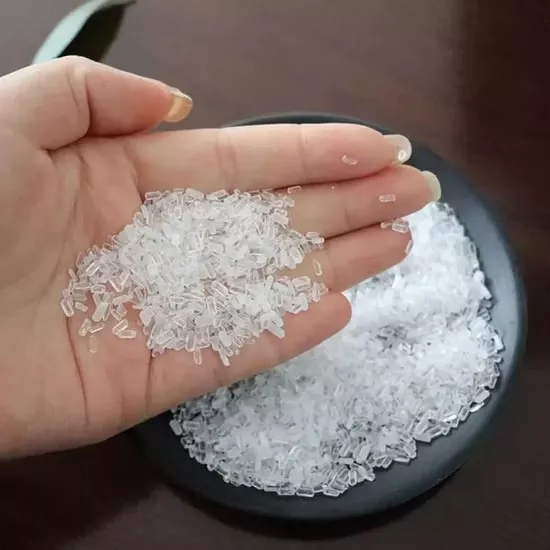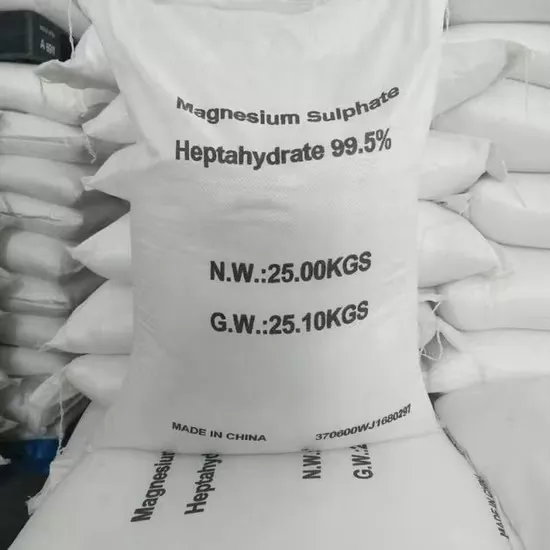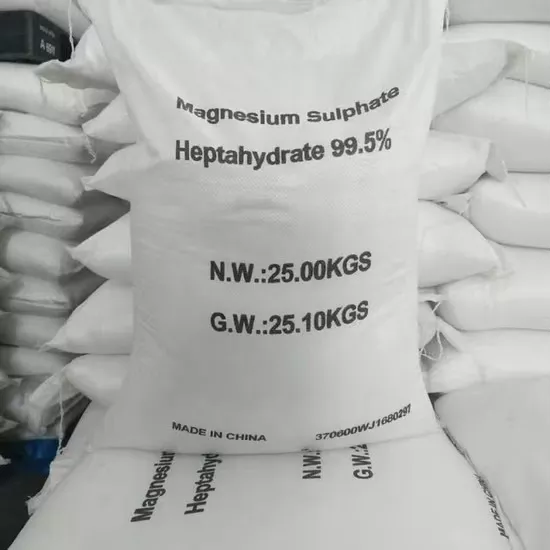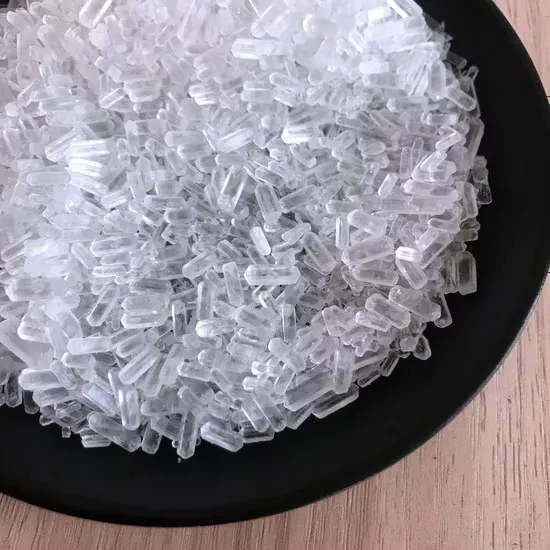
The price of epsom salt magnesium sulfate heptahydrate varies significantly across regions due to market dynamics. In North America, it currently averages US$0.34 per kilogram, reflecting a 10.5% decrease. Europe sees a slightly lower rate at US$0.24 per kilogram, while Northeast Asia reports a 3.8% rise, reaching US$0.27 per kilogram. Selecting a reliable supplier ensures consistent quality and cost-efficiency. Businesses benefit from suppliers who adhere to stringent quality standards, particularly for industries like agriculture or wellness, where products such as epsom salts magnesium sulfate heptahydrate are used in fertilizers or bath applications.
Key Takeaways
Epsom salt magnesium sulfate heptahydrate prices change depending on the region. In North America, it costs about $0.34/kg, while in Europe, it’s $0.24/kg. Knowing this helps businesses plan budgets better.
Picking a good supplier is important for keeping quality high. Choose suppliers with certifications like ISO 9001 to meet quality rules.
Farms use 25-30% of epsom salt magnesium sulfate heptahydrate. Using it often can help crops grow better and fix soil nutrient problems.
Epsom salt baths are good for health. They help relax muscles and reduce stress. Adding them to your routine can make you feel better.
Talking with suppliers about prices and deals can save money. Buying in bulk can lower costs, especially in busy industries.
Current Prices of Epsom Salt Magnesium Sulfate Heptahydrate
Factors Influencing Prices
Several factors contribute to the price dynamics of epsom salt magnesium sulfate heptahydrate. Raw material costs play a pivotal role, with fluctuations in sulfur, magnesium ore, and sulfuric acid prices directly impacting production expenses. For instance:
Sulfur, which accounts for 15–20% of production costs, experienced a 48% price surge in 2022. This increase stemmed from geopolitical tensions and supply chain disruptions caused by the Russia-Ukraine conflict.
As a result, manufacturers raised fertilizer prices by 12–18%, creating financial strain for farmers and distributors.
Regional market conditions also influence pricing. In Gujarat, India, wholesale prices of magnesium sulfate heptahydrate rose from $120 to $145 per metric ton within six months. This sharp increase forced smallholder farmers to reduce application rates, negatively affecting crop yields for essential staples like pulses and oilseeds.
Additionally, demand from key industries such as agriculture, wellness, and industrial applications shapes market trends. Agricultural demand, which constitutes 25–30% of total consumption, often drives seasonal price fluctuations. Meanwhile, the wellness industry’s growing adoption of epsom salt magnesium sulfate heptahydrate in spas and bath products has further contributed to price variability.
Price Ranges by Region
The price of epsom salt magnesium sulfate heptahydrate varies significantly across regions due to differences in supply chain dynamics, raw material availability, and industrial demand. The following table highlights regional price trends:
Region | Price Trend Description |
|---|---|
Asia | Prices fluctuated due to feedstock availability, with rising sulfuric acid prices positively impacting magnesium sulfate prices. |
Europe | Mixed price trends influenced by supply constraints and steady demand from agriculture, leading to price fluctuations. |
North America | Prices affected by supply chain disruptions and demand fluctuations, maintaining a similar trend to global markets. |
In Asia, rising sulfuric acid prices have driven up the cost of magnesium sulfate heptahydrate. Europe has experienced mixed trends, with supply constraints and steady agricultural demand creating a volatile pricing environment. North America, on the other hand, has faced challenges from supply chain disruptions, though prices have largely mirrored global trends.
Market Trends and Fluctuations
The market for epsom salt magnesium sulfate heptahydrate is shaped by evolving trends and demand patterns. Agricultural applications remain a dominant driver, accounting for 25–30% of total demand. Farmers rely on magnesium sulfate heptahydrate to improve soil quality and enhance crop growth.
The wellness industry has also emerged as a significant growth area, with a 10–15% annual increase in demand for epsom salt magnesium sulfate heptahydrate products. Spas and wellness centers are incorporating epsom salt into their offerings, particularly for bath treatments that promote relaxation and skin health.
Sustainability trends have further influenced the market. Organic epsom salt magnesium sulfate heptahydrate products now represent 20–25% of the market share, driven by advancements in eco-friendly formulations. North America leads the market due to its extensive use of epsom salt in healthcare and wellness, while Europe shows a growing preference for organic products. The Asia-Pacific region is rapidly expanding, fueled by rising demand in both agricultural and consumer goods sectors.
Looking ahead, the demand for epsom salt magnesium sulfate heptahydrate in organic farming is projected to grow by 25–30% as sustainable agricultural practices gain traction. This shift underscores the importance of monitoring market trends to anticipate future price movements and opportunities.
Top Suppliers of Epsom Salt Magnesium Sulfate Heptahydrate
Global Suppliers
Several global suppliers have established themselves as leaders in the production and distribution of magnesium sulfate heptahydrate. These companies are recognized for their commitment to quality, innovation, and sustainability. Below is a list of some of the top global suppliers:
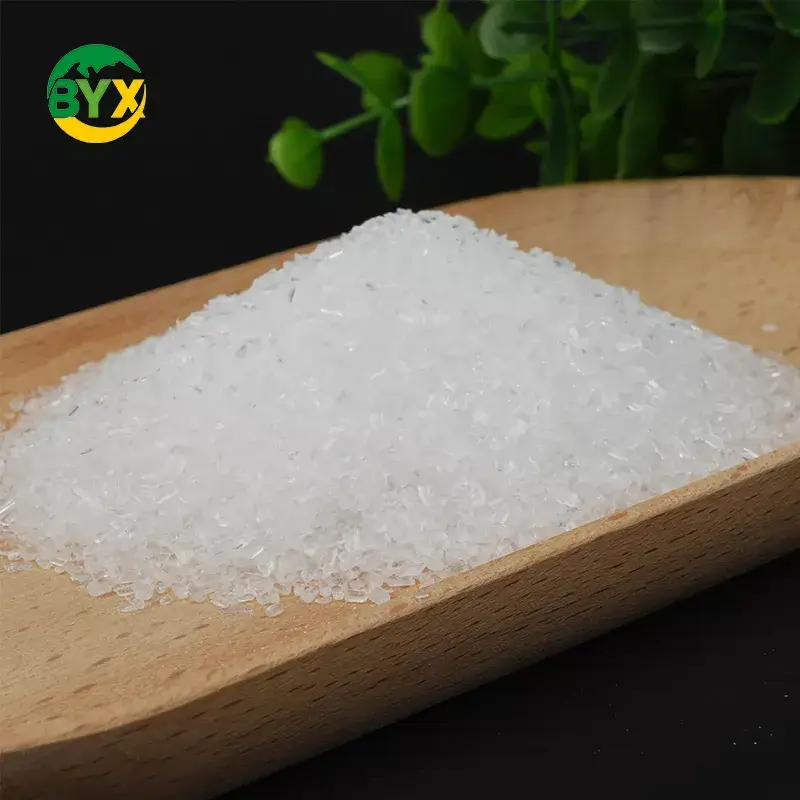
laizhou baiyexin chemical co., ltd.: The supplier is well-known for its high-quality magnesium sulfate, with an annual output of 300,000 tons of magnesium sulfate. It is the largest magnesium sulfate manufacturer in China, with significant advantages such as high quality, low price and good service..
These suppliers have demonstrated reliability and expertise, making them trusted partners for businesses across various industries.
Regional Suppliers
Regional suppliers play a crucial role in meeting localized demand for epsom salt magnesium sulfate heptahydrate. Their performance often depends on factors such as production sources, market share, and pricing. The table below highlights key regional suppliers and their market dynamics:
Region | Production Source | Price per Metric Ton | Market Share | Notes |
|---|---|---|---|---|
China | Abundant magnesium ore | 75% | Dominates global production, lower price volatility due to local supply. | |
Europe | Import-dependent | >$400 | N/A | Higher costs due to tariffs and shipping, facing price spikes. |
Japan | Domestic producers | 35% above global avg | 80% | Stricter regulations lead to higher consumer prices. |
India | Localized production | ₹18,000–₹22,000 ($215–$263) | 70% | Investments in local plants reduce reliance on imports. |
Middle East | Subsidized energy | N/A | N/A | Lower production costs due to energy subsidies. |
Australia | Brine-based operations | N/A | N/A | Droughts affecting yields, leading to higher sourcing costs. |
Russia | Permafrost-resistant methods | N/A | 15% | Increased output capturing market share from imports. |
China leads global production due to its abundant magnesium ore reserves, while Europe faces higher costs due to its reliance on imports. India has made significant investments in local production facilities, reducing its dependence on external suppliers.
Online Marketplaces and Platforms
Online marketplaces have become essential for sourcing epsom salt magnesium sulfate heptahydrate. These platforms provide access to a wide range of suppliers, enabling buyers to compare products and prices effectively. Key features of reliable online platforms include:
Customer Reviews: Testimonials offer valuable insights into supplier performance, highlighting aspects such as product quality, delivery timelines, and customer service.
Supplier Responsiveness: Reliable platforms often feature suppliers with 24-hour support systems, ensuring real-time assistance during the procurement process.
Industry Experience: Suppliers with extensive experience demonstrate a deep understanding of industry standards and customer needs. Longevity in the market reflects their ability to adapt to changing demands.
Engaging directly with past clients through these platforms can provide firsthand accounts of a supplier's reliability. Buyers should prioritize suppliers with positive reviews and a proven track record of professionalism.
Benefits of Choosing the Right Epsom Salt magnesium sulfate heptahydrate Supplier
Evaluating Supplier Credibility
Selecting a credible supplier ensures consistent product quality and reliable delivery. Businesses should prioritize suppliers with certifications such as ISO 9001 and EU-REACH, which demonstrate adherence to international standards. Companies like Laizhou Baiyexin Chemical Co., Ltd. exemplify credibility through their rigorous quality control processes and sustainable practices.
Buyers can assess credibility by reviewing customer testimonials and industry awards. Suppliers with a proven track record of meeting deadlines and maintaining product integrity often stand out. Additionally, partnerships with established suppliers reduce risks associated with supply chain disruptions.
Tip: Always verify a supplier’s certifications and request references from previous clients to ensure reliability.
Assessing Product Quality
High-quality epsom salt magnesium sulfate heptahydrate products offer numerous benefits, including enhanced agricultural yields and improved health outcomes. Evaluating product quality involves analyzing technical performance reports and purity levels. The table below highlights key parameters for assessing magnesium sulfate heptahydrate:
Test Parameter | Result |
|---|---|
Purity (MgSO₄) | |
USP Endotoxin Test | Passes |
pH (1 in 20) | 5.0 - 9.2 |
Loss on Ignition | 40.0 - 52.0 % |
Chloride (Cl) | ≤ 0.014 % |
Iron (Fe) | ≤ 0.5 ppm |
Selenium (Se) | ≤ 0.003 % |
Assay (MgSO₄) (anhydrous basis) | 99.0 - 100.5 % |
Endotoxin Concentration | 2.5 EU/g max. |
Suppliers offering products with high purity levels and compliance with safety standards ensure optimal performance across various uses. For example, epsom salt magnesium sulfate heptahydrate with ≥99% purity enhances soil health in agriculture and provides stress reduction in wellness applications.
Negotiating Prices and Terms
Effective negotiation with suppliers can lead to cost savings and favorable terms. Buyers should compare pricing structures across multiple suppliers to identify competitive rates. Bulk purchasing often results in discounts, making it ideal for industries with high consumption rates, such as agriculture and wellness.
Clear communication of requirements, including packaging preferences and delivery timelines, ensures smooth transactions. Suppliers like Laizhou Baiyexin Chemical Co., Ltd. offer customizable solutions, allowing buyers to specify purity levels and packaging sizes.
Note: Negotiating long-term contracts with trusted suppliers can stabilize costs and reduce price volatility.
Applications and Health Benefits of Epsom Salt magnesium sulfate heptahydrate
Agricultural Uses
Epsom salt, or magnesium sulfate, plays a vital role in agriculture as a soil amendment. It replenishes magnesium levels in nutrient-deficient soils, promoting healthy plant growth and improving crop yield. A meta-analysis of 99 field studies revealed that magnesium sulfate enhances agronomic efficiency by 34.4 kg kg⁻¹ and increases crop yield by an average of 8.5%. Severe magnesium deficiencies saw yield improvements of up to 9.4%.
Farmers use Epsom salt magnesium sulfate heptahydrate to address physiological deficiencies in crops, such as low magnesium accumulation in leaf tissues. This application boosts sugar concentrations in edible parts by 5.5%, improving both quality and quantity. Its solubility ensures easy absorption, making it a preferred choice for foliar sprays and soil treatments.
Tip: Regular application of Epsom salt magnesium sulfate heptahydrate can prevent nutrient deficiencies and optimize crop performance, especially in magnesium-depleted soils.
Wellness and Bathing
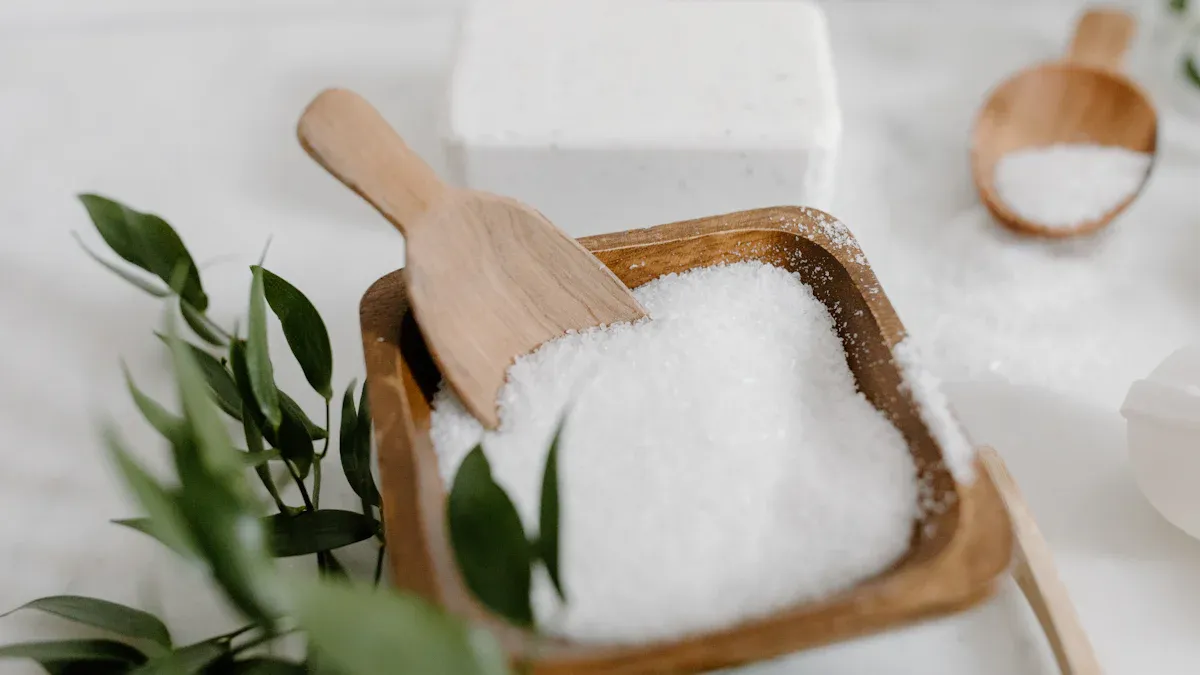
Epsom salt magnesium sulfate heptahydrate baths are widely recognized for their therapeutic effects. Magnesium sulfate, the main ingredient in bath salt formulations, offers numerous benefits for personal care and wellness. Soaking in Epsom salt baths helps relieve muscle soreness, reduce stress, and aid in exfoliation. Anecdotal reports suggest that it softens scales and alleviates itchiness for individuals with psoriasis.
Clinical studies, such as Rosemary Waring’s 2006 research, demonstrated increased magnesium and sulfate levels in participants after bathing in Epsom salts. This absorption supports skin health and recovery from physical exertion. The magnesium content also contributes to relaxation, making Epsom salts bath a popular choice for stress relief and enhancing the bathing experience.
Study/Source | Findings | Notes |
|---|---|---|
Rosemary Waring’s 2006 study | Higher magnesium and sulfate levels post-bath | Focused on absorption effects only |
Healthline | Limited scientific data available |
Note: While scientific evidence for therapeutic effects remains limited, Epsom salt magnesium sulfate heptahydrate baths continue to gain popularity due to their perceived benefits and safety for personal use.
Industrial Applications
Magnesium sulfate heptahydrate serves as a versatile compound in industrial processes. Its properties as a white crystalline solid, highly soluble in water, make it suitable for applications such as drying agents, catalysts, and stabilizers. The manufacturing process involves reacting sulfuric acid with magnesium carbonate, producing a stable compound for diverse uses.
Industries rely on Epsom salt magnesium sulfate heptahydrate for its cost-effectiveness and efficiency. For example, it is used in beauty products as a main ingredient in bath salt formulations and in pharmaceuticals for therapeutic applications. Its stability under normal conditions ensures consistent performance across manufacturing systems.
Aspect | Details |
|---|---|
Market Drivers | Demand for therapeutic benefits, agricultural fertilizers, and beauty products. |
Manufacturing Process | Reaction between sulfuric acid and magnesium carbonate. |
CAPEX | Reactor vessels, crystallizers, and mechanical agitators. |
OPEX | Raw materials, energy, skilled labor wages, and maintenance expenses. |
Tip: Businesses can leverage Epsom salt’s versatility to optimize production costs and enhance product quality across multiple sectors.
Understanding the pricing dynamics and selecting the right supplier for Epsom salt magnesium sulfate heptahydrate is crucial for businesses aiming to optimize costs and maintain product quality. Reliable suppliers not only ensure consistent delivery but also adhere to stringent quality standards, which is vital for industries like agriculture and wellness.
Balancing cost, quality, and supplier reliability offers long-term benefits. Businesses can achieve this by:
Emphasizing product innovation and ethical sourcing to enhance supplier reliability.
Engaging with regulatory bodies to ensure compliance with evolving quality standards.
Prioritizing specialized formulations that meet consumer expectations for quality and sustainability.
Tip: Always verify certifications, request product samples, and compare multiple suppliers to secure the best deal without compromising on quality.
FAQ
What is epsomite, and how does it differ from other magnesium sulfate forms?
Epsomite is the mineral name for magnesium sulfate heptahydrate. It contains seven water molecules, making it highly soluble. Other forms, such as anhydrous magnesium sulfate, lack water molecules and serve different industrial purposes.
How can businesses ensure the quality of epsomite products?
Businesses should verify supplier certifications like ISO 9001 and EU-REACH. They should request technical performance reports and purity analyses to confirm compliance with industry standards.
What industries benefit most from using epsomite?
Agriculture, wellness, and industrial sectors benefit significantly. Epsomite enhances soil health, supports therapeutic bath products, and serves as a drying agent in manufacturing processes.
Are there environmental benefits to using epsomite in agriculture?
Yes, epsomite improves soil quality without harming ecosystems. Its solubility ensures efficient nutrient delivery, reducing the need for synthetic fertilizers and promoting sustainable farming practices.
Can epsomite be purchased in bulk online?
Yes, many online platforms offer bulk purchasing options for epsomite. Buyers can compare suppliers, review customer feedback, and negotiate pricing for large-scale procurement.