
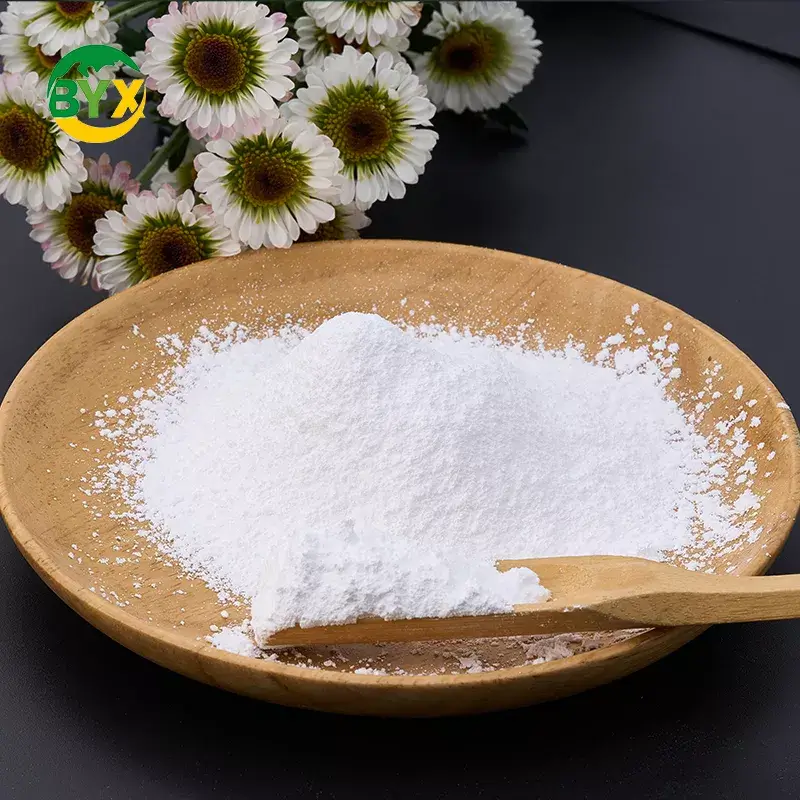
Description
Core advantages:
High purity: We use advanced production technology to ensure our product achieves Purity standards of 99.8% and maintains Impurities below 0.1% which provides dependable product protection to meet your manufacturing and testing needs.
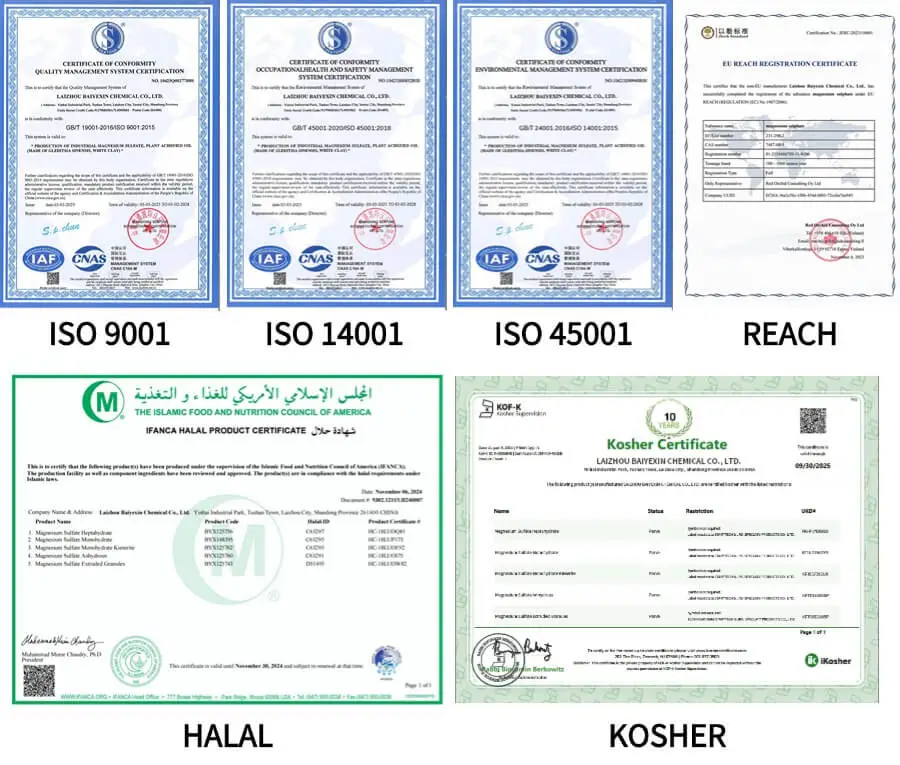
Stable quality: The company tests its product batches through 36 different tests which comply with ISO9001 quality management system standards to verify that products maintain consistent performance.
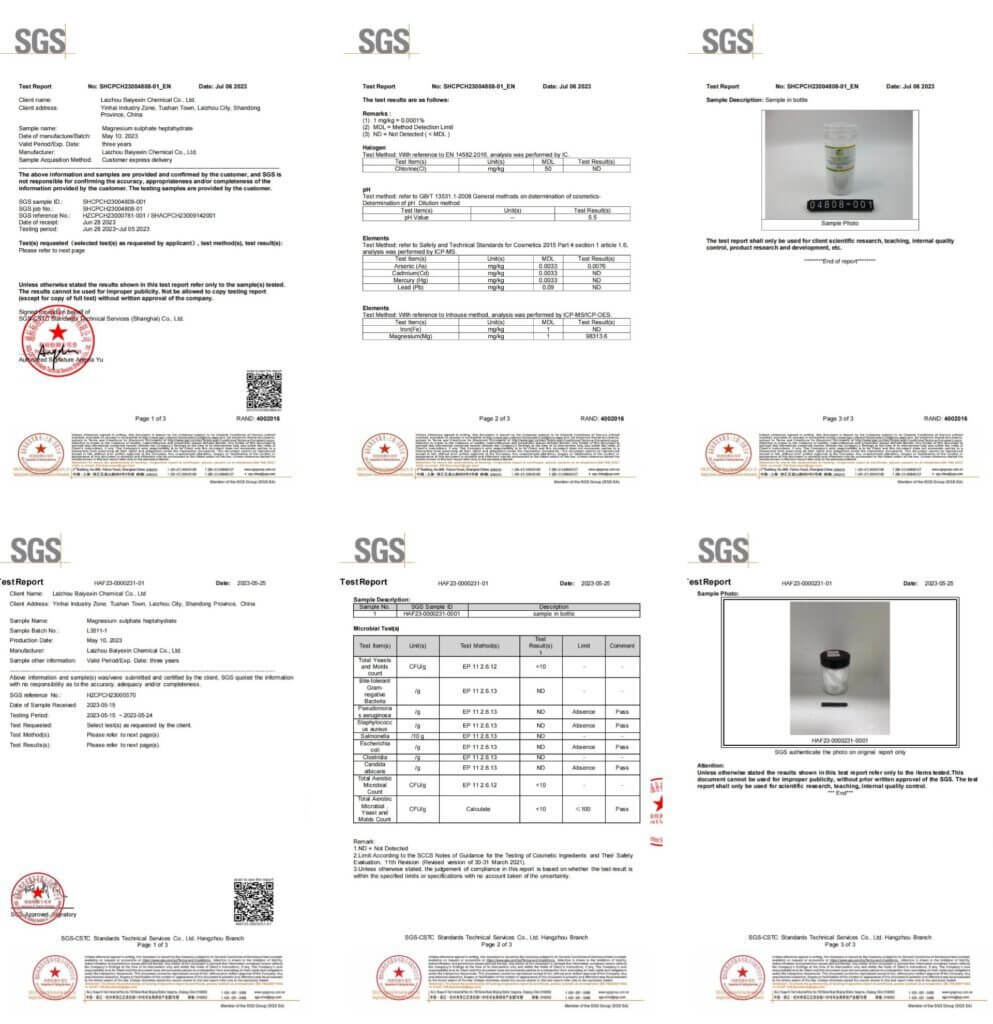
Magnesium Sulfate Anhydrous Examining Report:
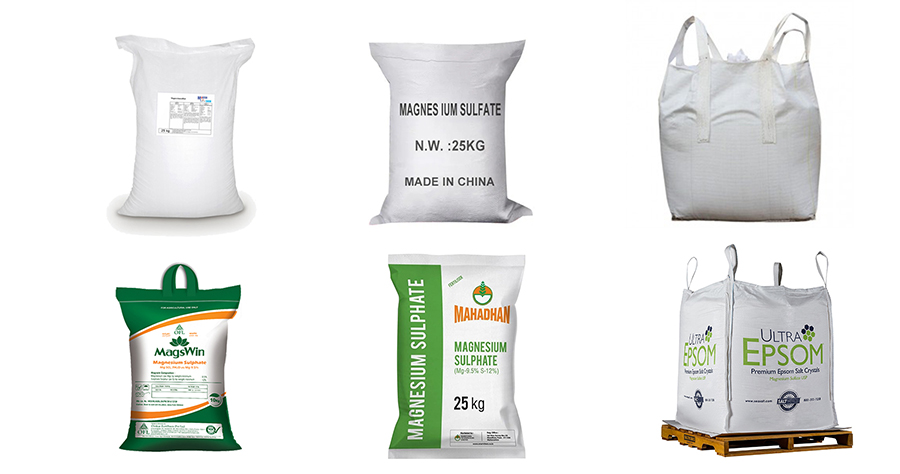
PACKING: 25kg/50kg/1000kg/1250kg:
Certification:
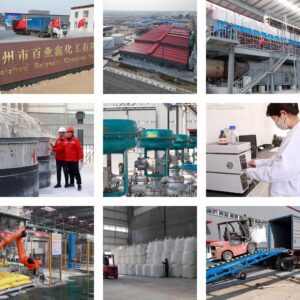
Factory Picture:
Magnesium sulfate anhydrous, which belongs to the magnesium sulfate family, serves essential functions in desiccants and pharmaceuticals and industrial applications and agricultural practices because of its ability to absorb water and maintain chemical stability and provide multiple functions. The article presents a complete technical and industrial guide through its systematic examination of magnesium sulfate anhydrous which includes basic properties and preparation methods and application fields and safety regulations and market overview and frequently asked questions.
Key Takeaways
- Basic Information: From Physical Properties to Core Characteristics
- Preparation Methods: Industrial Processes and Laboratory Techniques
- Applications: From Desiccants to New Energy Materials
- Safety and Storage: Risk Control and Standardized Operations
- Magnesium Sulfate Anhydrous Purity and Quality Control: Grade Standards and Identification Methods
- Market and Development: Global Landscape and Trends
- Magnesium Sulfate Anhydrous Packaging Specifications
Properties and Functions of Magnesium Sulfate Anhydrous
Ⅰ. Basic Information: From Molecular Structure to Core Properties
1.1 Name, Identifiers, and Molecular Characteristics
Chemical Name: Magnesium Sulfate Anhydrous
Other Names: Anhydrous Epsom Salt, Magnesium Sulfate Anhydrous Powder, High-Purity Magnesium Sulfate Anhydrous, Magnesium Sulfate Anhydrous Granules, Magnesium Sulfate Anhydrous 99.5%
Magnesium Sulfate Anhydrous CAS Number: 7487-88-9
Magnesium Sulfate Anhydrous EINECS Number: 231-298-2
Magnesium Sulfate Anhydrous Appearance and Stability: The compound Anhydrous looks like white powder or grains and is very hygroscopic; Heptahydrate is more stable with the compound looking like clear crystals whereas Monohydrate appears as white powder or crystals and has a moderate degree of stability.
Thermal Stability: The anhydrous form breaks down at 1124°C, the heptahydrate begins to dehydrate at 150°C, and the monohydrate at 120°C.
Table: Comparison of Basic Properties of Anhydrous and Hydrated Magnesium Sulfate
| Property | Magnesium Sulfate Anhydrous | Heptahydrate Magnesium Sulfate | Monohydrate Magnesium Sulfate |
| Chemical Formula | MgSO₄ | MgSO₄·7H₂O | MgSO₄·H₂O |
| Molecular Weight | 120.37 g/mol | 246.47 g/mol | 138.38 g/mol |
| Appearance | White powder or granules | White, fine prismatic or columnar crystals | White crystals or powder |
| Magnesium Content | 20.2% | ~9.9% | ~17.4% |
| Main Applications | Desiccants, organic synthesis | Pharmaceuticals, agricultural fertilizers | Feed additives, industrial applications |
1.2 Physical Properties: From Appearance to Key Physicochemical Parameters
Hygroscopicity: Is strongly hygroscopic, tends to clump in a short period of time in relative humidity above 40%, the storage therefore needs to be airtight.
1.3 Magnesium Sulfate Anhydrous Chemical Stability and Valence
Valence Composition: The same as that of heptahydrate magnesium sulfate – Mg: +2, S: +6, O: -2; an exception is only a lack of crystal water.
1.4 Water Absorption Mechanism and Desiccant Performance Comparison
Water Absorption Mechanism: The great ability of magnesium sulfate anhydrous in absorbing water moisture arises from its principal hygroscopic mechanisms known as “lattice vacancy filling”, “ionic polarity adsorption”.
- Magnesium sulfate anhydrous is an ionic crystalline solid and it possesses lattice sites within its structure which are not occupied allowing water molecules to get inside the structure coordinated to Mg²⁺ ( a cation of very high ionic strength ) and eventually leads to forming a hydrated compound.
- The crystal surface occupied by Mg²⁺ and SO₄²⁻ (a highly polar compound) has a high adsorption energy, which can convert the surrounding weakly bound water vapor into chelated crystal water.
When the environment’s weather conditions such as temperature and humidity changes, it goes from one form of hydrate to another ( monohydrate, trihydrate, up to heptahydrate). This phenomenon is able to return to its form prior to its dehydration, when the substance is heated in the presence of heat, it causes erasing of water from the crystals so that the condition of anhydrous would be recovered. Theoretically 1 mol of magnesium sulfate anhydrous is able to accommodate 7 mol of water. (126 g water/120.37 g ≈ 105%). Comparative Evaluation with Other Desiccants:
| Desiccant | Water Absorption (25°C, RH 60%) | Applicable Solvents/Gases | Corrosivity | Regeneration Temperature | Cost (Relative) |
|---|---|---|---|---|---|
| Magnesium Sulfate Anhydrous | 1.05 g/g | Organic solvents, neutral gases | Low | 200–250°C | 1 |
| Anhydrous Calcium Chloride | 0.75 g/g | Polar gases, hydrocarbons | High (corrodes metal) | 150–200°C | 0.8 |
| Molecular Sieve (3A) | 0.25 g/g | Polar molecules (water, ethanol) | None | 300–350°C | 3 |
| Anhydrous Sodium Sulfate | 0.15 g/g | Weakly polar organic solvents | Low | 180–220°C | 0.9 |
- Advantages: An anhydrous form of magnesium sulfate is more hydroscopic than the majority of desiccants with the exception of calcium chloride and has less corrosiveness so as to be used in situations with a low moisture tolerance (e.g., electronics).
Ⅱ. Preparation Methods: Industrial Processes and Laboratory Techniques
2.1 Industrial Core Process Routes
The primary focus of the magnesium sulfate anhydrous production on a commercial scale is cheap, high quality, pure end products and low energy use through three major paths:
(1) Dehydration of Heptahydrate/Monohydrate Magnesium Sulfate (Mainstream, 70% Share)
Raw Materials: Industrial-grade heptahydrate magnesium sulfate (MgSO₄·7H₂O ≥ 98%) or monohydrate (MgSO₄·H₂O ≥ 99%).
Raw Material Requirements: The amount of calcium must not exceed 0.3 percent, and that of the chloride should be below 0.1 percent or else, there would be addition of reagent for removal of these such as Na2CO3 for calcium, BaCl2 to reduce sulphate at concentration higher than the chloride amount.
(2) Direct Reaction of Magnesium Oxide and Sulfuric Acid (High-Purity Products, 20% Share)
Raw Materials: Light magnesium oxide (MgO ≥ 95%), industrial-grade sulfuric acid (H₂SO₄ ≥ 93%).
Reaction: Deionized water is initially added to a chemical vessel, followed by the very slow addition of concentrated sulfuric acid and some portion of MgO is gradually added in small portions to maintain the pH range of 6-7 to avert unused MgO. Reaction: MgO reacts with H₂SO₄ to form MgSO₄ and H₂O.
Disadvantages: There is a high cost of the raw materials (MgO costs 3 times more than heptahydrate) and energy consumption is increased.
(3).Salt Lake Brine Concentration (Resource-Based, 10% Share)
Raw Materials: Salt lake brine (Mg²⁺: 20–30 g/L, SO₄²⁻: 30–40 g/L, e.g., Qarhan Salt Lake, China).
Concentration: Solar ponds are utilized to increase the concentration of brine by evaporating the water until the concentration of MgSO₄ is at least 200g/L. The impurities present in the brine are selected out by treating the solution with NaOH to remove Fe³⁺/Al³⁺ ions, and BaCl₂ to eliminate excess SO₄²⁻ ions from the solution.
Disadvantages: It can only be practiced in salt lakes zones and the product purity is inconsistent thus reprocessing has to be done severally.
Comparison of Dehydration Processes:
| Process | Energy Consumption (kW·h/t) | Product Purity | Crystal Form | Environmental Impact | Applicable Scenarios |
|---|---|---|---|---|---|
| High-Temperature Calcination | 800–1000 | 98%–99% | Powder | Moderate (requires flue gas treatment) | Industrial-grade products |
| Vacuum Dehydration | 1200–1500 | 99%–99.5% | Fine crystals | Excellent (no flue gas) | Pharmaceutical, reagent-grade products |
| Spray Drying | 1500–1800 | 98%–99% | Microspheres | Excellent (heat recyclable) | Granular products (e.g., desiccants) |
| Microwave Drying | 1000–1200 | 99%–99.5% | Powder | Excellent (no pollutants) | Laboratory small-scale preparation |
Current Mainstream Process: Thermal dehydration via sintering the heptahydrate salt due to its cost-effectiveness (an approximate 30% energy reduction is achievable comparing with vacuum drying) flexible production rates (up to 50.000 tons per year per single production line) as well as its focus on industrial standards (98-99 % purity levels).
2.2 Magnesium Sulfate Anhydrous Laboratory Preparation and Impurity Control
Laboratory Preparation (from Heptahydrate Dehydration):
- Obtain 100 grams of analytical-grade heptahydrate magnesium sulfate (MgSO₄·7H₂O ≥ 99.5%) and place it in a porcelain crucible.
- To this, heat in a muffle furnace at 100°C for 1 hour was done to wipe out the free water present. Heat at 220°C for 2 hours to extract crystal water.
- Once completely removed from the furnace, cool the hot crucible at a temperature so as to not exceed 50°C and then immediately shift it inside a desiccator to prevent dampness and thus obtain magnesium sulfate anhydrous (referred as purity 99.0% or above).
Key Considerations:
- Temperature Control: For effective solubility, in order to prevent particles from sintering, the temperature must not be higher than 250°C.
- Moisture Prevention: The cooling and transferring stages will take place under dry conditions (e.g. glovebox) and stored In a vacuum desiccator.
Impurity Sources and Control:
Sources: Raw materials (Ca²⁺, Fe³⁺, Cl⁻ in heptahydrate), equipment (Cr³⁺ from stainless steel reactors), process water (Na⁺).
Control Methods:
- Raw Material Pretreatment: Cleaning heptahydrate by treating it with H₂SO₄ (0.1 mol/dm³) to remove calcium ions (as they form precipitated CaSO₄).
- Equipment Selection: Select bioreactors that are made of titanium alloys if the product is pharmaceutical grade to avoid ion migration.
- Crystallization Purification: Recrystallization is carried out in de-ionized water in order to minimize the chloride ion concentration (less than 0.001%).
Process Differences by Purity Grade:
- Magnesium Sulfate Anhydrous Industrial Grade (98%–99%): Only one dehydration process is used, and there is no deep cleaning of impurities.
- Magnesium Sulfate Anhydrous Pharmaceutical Grade (99.5%–99.8%): The process combines MgO reaction with sulfuric acid, vacuum conditioning and recrystallization.
- Magnesium Sulfate Anhydrous Reagent Grade (≥ 99.9%): Also contains fixation with the use of an ion-exchange resin in order to eliminate heavy metals (up to 0.0001%).
Ⅲ. Magnesium Sulfate Anhydrous Applications: From Desiccants to New Energy Materials
3.1 Core Application: Desiccants (40% Share)
The high water absorption ability is one of the reasons for the widespread use of the magnesium sulfate anhydrous which is the best alternative for the drying tasks performed for moist-sensitive products which need neutral desiccants particularly against acidic or basic chemicals.
(1) Organic Solvent Drying
Applicable Solvents: Ethanol, ether, acetone, ethyl acetate, benzene, toluene (insoluble in these solvents, avoiding contamination).
Instructions for use:
- Introduce an amount equivalent to of 5–10% of the solvent by mass (for example, 5–10 grams per 100 milliliters of ethanol).
- Continue stirring for ten to thirty minutes such that there is no lump formation of the powder and the solution becomes clear and afterwards filter it off.
- Cautions/Warnings/Advice: Solutions containing amines or phenols cannot be dried in this agent contains Mg²⁺ A by reason of coordination with the active group, the Mg²⁺ will be adsorbed: usage is therefore impossible.
(2) Gas Drying
Applicable Gases: Hydrogen, oxygen, nitrogen, carbon dioxide, methane (neutral or weakly acidic gases; avoid drying alkaline gases like ammonia to prevent Mg(OH)₂ formation).
Usage:
- Please make sure to utilize granules with a particle size of 1-3 mm so that it doesn’t clog due to dust..
- Also be sure to sufficiently fill the drying tower, tube, or the adsorption column with gas at a flow rate of 0.5 to 1 L/min.
Standard: Dried gas dew point ≤ -40°C (complies with GB/T 14599-2016 for high-purity oxygen).
(3) Pharmaceutical and Food Moisture Protection
- Pharmaceuticals: Objective is the packaging of capsules and tablets (for example, 5-10g blister packs) in such a way that avoids humidity above 30% extension of shelf life (e.g. vitamin C, antibiotics).
- Food Preservation: In use in sealed packs of cookies or bread, nuts etc. This desiccant absorbs moisture and prevents the growth of molds (complying with GB 25588–2010 for food additives).
3.2 Pharmaceuticals (15% Share)
Oral Applications: Laxative and Choleretic Agent
- Mechanism: Does not get absorbed in the intestines maintaining a hyper-osmotic environment that restricts water absorption while encouraging peristalsis.
- Dosage: As commercially available heptahydrate contains a minimum of 99.5% MgSO₄ the doses are reduced to half (2-5 grams for adults versus 5-10 g of heptahydrate).
- Indications: Constipation, bowel cleansing before operations, and biliary colics (facilitates bile clearance and alleviates pain).
- Topical Applications: Not applicable directly due to a high water absorption capacity which can dry the skin, medically mixed with glycerol in a ratio of one to three into ointments, is used to reduce skin swelling (e.g. due to phlebitis).
Contraindications and Side Effects:
- Contraindications: It is advisable not to use the drug in patients suffering from severe renal failure (creatinine clearance
- Side Effects: With regard to signs of overdose, serious diarrhea or hypokalemia or even lazy bowel syndrome could result.
3.3 Magnesium Sulfate Anhydrous Industrial Applications (35% Share)
(1) Flame-Retardant Materials
Applications: Polyvinyl chloride (PVC), epoxy resin, polyurethane foam.
Mechanism:
- Decomposes endothermically at high temperatures, allowing for a reduction of the material surface temperature.
- MgO forms a porous barrier, excluding oxygen.
- SO₃ dilutes CO2 and other combustible gases and subsequently combustion.
In most circumstances between 10 to 20% of the weight of the polymer is generally required therefore to obtain this level of flame retardance, synergists such as aluminum hydroxide are often used.
(2) Paper Industry
Function: It is used in conjunction with rosin as a size enhancing resistance of the paper to water.
Standard: The product meets the requirements of QB/T 4446-2012 with the content of MgSO₄ being not less than 98%, and content of matter insoluble in water being not more than 0.2%.(3) Metal Processing
Rust Inhibitor: With a 5%–10% solution, steel surfaces are treated after which a Mg(OH)₂ protective film forms, and it cannot wear for 1–2 months.
Flux: Subjected at the level of 0.5%–1% in the melting of aluminum alloys to decrease the viscosity of the melt and improve the floatation of the melt impurities thereby enhancing the purity of the alloy.(4) Coatings Industry
Filler Pigment: Incorporated in latex paints formulation at a concentration ranging between 5 to 8% to facilitate spreading and increase the longevity to withstand washing from 2,000 to 5,000 cycles.
Anti-Corrosion Pigment: Included in zinc loaded metal primer coating formulations for better adhesion enhancement and increased service life of coatings.
3.4 Agriculture (8% Share)
Characteristics: Chlorophyll, the most vital pigment in photosynthesis, is made up of magnesium at the center. To correct magnesium deficiency in soils which is very much required for the success of crops like tomatoes, potatoes, roses, or peppers, especially when they are grown on soils that are sulphur red or other similar acidic soils, Magnesium sulfate anhydrous becomes the source of soluble magnesium.
Comparison of Magnesium Fertilizers:
| Magnesium Fertilizer | Dissolution Rate | Absorption Efficiency | Applicable Soils | Cost (Relative) |
|---|---|---|---|---|
| Magnesium Sulfate Anhydrous | Fast | 85%–90% | Neutral, acidic soils | 1.2 |
| Heptahydrate Magnesium Sulfate | Fast | 80%–85% | Neutral, acidic soils | 1 |
| Magnesium Oxide | Slow | 40%–50% | Acidic soils | 0.8 |
| Magnesium Chloride | Fast | 75%–80% | Neutral soils | 1.1 |
Application Methods:
Foliar Spray: between 0.3% and 0.5% solution, every week to 10 days on fruit trees such as citrus and grapes for example.
Soil Application: Five to eight kilograms per one acre in combination with organic fertilizers, avoid placement of seeds within the application area so as not to cause any harm to the developing seedlings.
3.5 Emerging Applications (2% Share)
(1) New Energy Materials
Lithium Battery Electrolyte Additive: The presence of magnesium sulfate anhydrous at 0.1%-0.5% in the electrolyte base restricts HF which attacks the electrodes thus enabling a longer battery cycle (by 1000 – 1500 cycles).
Sodium-Sulfur Battery Cathode: This solid electrolyte is blended with sulfur (MgSO₄:S = 1:3) in order to enhance its conductivity to sulfur thus increasing its storage ability to at least 600 mAh/g.
(2) Cosmetics
Oil Control Agent: Employed in cleansing lotions and toners/astrigents (0.5%–1%) so as to constrict the pore openings in the sebaceous gland leading to decrease in oil production (lasting up to 4-6 hours).
Stabilizer: Appropriate for emulsions and creams for oil water stabilization for a longer period of time (6 months to one year) due to the non separation of layers.
Ⅳ. Magnesium Sulfate Anhydrous Safety and Storage: Risk Control and Standard Operations
4.1 Hazard Identification
- Classification: This material is not listed in the 2022 Hazardous Chemicals Catalog, nor is it a hazardous substance in the normal sense, but it has clear risks such as:
- Dust Irritation: It may irritate the mucosa of the respiratory tract when the dust is inhaled for a long period, which may result in cough and or chest tightness (LD₅₀ determined in rats upon oral administrations exceeds 6450 mg/kg - low toxicant).
- Skin Irritation: This material does not affect the skin as such; however, prolonged contact with this substance’s solution (pH neutral) may result in drying reflected as skin peeling.
- Ingestion Risk: Should an adult have more than 20 g they may suffer from diarrhoea or vomiting; children’s intake of greater than 5 g warrants medical treatment.
4.2 Personal Protective Equipment (PPE) and Workplace Requirements
PPE:
- Respiratory: N95 dust masks (as per GB 2890-2009) should be worn while carrying out dust operations. In cases of extremely dusty environment more effective air purifying respirators should be used instead.
- Hands: Nitrile or equivalent gloves (0.1 mm or greater thickness) shall be worn for purposes of prevention of solution penetration with moisture absorption.
- Eyes: Goggles constructed of materials resistant to impact shall be worn in order to the eye from dust splash.
- Body: Anti-static apparels shall be worn when working in dusty conditions in order to prevent dust accumulation.
Workplace Requirements:
- Ventilation: The air changes required within the workshop have to be at a minimum of three per hour to maintain worstakes. Add dust collecting equipment wherever required and such systems should have a capacity of 1,000 cubic meters per hour at least.
- Humidity Control: Even if the RH is less than 40%, some clumping may occur.
- Fire/Explosion Prevention: This substance is neither flammable nor explosive, although high temperatures may cause them to decompose and thus should be kept away from flames.
4.3 Magnesium Sulfate Anhydrous Storage Conditions and Shelf Life
Storage Environment:
- Temperature: Within the range of 15–30°C (sintering of particles occurs at high temperatures).
- Humidity: It should be RH 30% and lower (important, take dehumidifiers).
- Light: To prevent the materials from the UV enhanced moisture up-take store them in the dark.
Packaging and Containers:
- Small Packaging (500 g/1 kg): Two layer aluminum-polymeric packages are provided with inner heat-sealable polyethylene and outer tear-proof foil with degassing lids.
- Medium Packaging (25 kg): Drums, made of polyethylene plastic and with walls of at least 1.5 mm, complete with screw caps and NBR gaskets.
- Large Packaging (1000 kg): Polypropylene woven sacks (polyethylene film inside) with sealed membranes.
Isolation Requirements:
- Always store in a separate place at least 1 meter away from water, acids, and alkalis.
- And do not store next to food or drugs to prevent physical mixtures.
Shelf Life:
- Unopened: It is one year for industrial grade, and two years for pharmaceutical or reagent grade materials (as with higher purity, the moisture sensitivity also increases).
- Opened: In cases the seal is broken it must be immediately resealed tightly and used within a month as the product absorbs moisture and purity is compromised, which also lowers efficacy when used in a desiccant or a fertilizer.
4.4 Emergency and Waste Handling
Spill Handling:
- In case of Solid Spills: Use plastic brooms for sweeping and collecting into properly labeled, closed plastic bags with inscription “Magnesium Sulfate Anhydrous Waste. “
- For Dust Dispersion: Engage dust collection devices, seek ways to move people away to upwind positions, and clean the area after the dust has settled.
- When reaggregated, Clumped Material: Is powdered and dried at 200–250°C for those that are suitable for reuse (such as those that are industrial grade); If the material is pharmaceutical or reagent grade, It is supposed to be destroyed for being moist.
Fire Handling:
- This material is incombustible and nonreactive with water, however if a nearby combustion source exists then the material will react with water and generate poisonous gas – sulphur trioxide. And in that case fire must be extinguished by clean dry powder.
Waste Handling:
- Used Desiccant (Heptahydrate after Absorption): May be used as magnesium fertilizer in agriculture as heavy metals are not over the limit (heavy metal content ≤ 0.001%).
- Production Waste (e.g., CaSO₄, Fe(OH)₃): Turn over to licensed hazardous waste companies for proper disposal (see GB 18599-2020).
- Wastewater: Discharge only after neutralizing to the range of pH 6-9 (GB 8978-1996).
Ⅴ.Magnesium Sulfate Anhydrous Purity and Quality Control: Standards and Identification Methods
5.1 Magnesium Sulfate Anhydrous Purity Grades and Standard Requirements
| Purity Grade | Applications | MgSO₄ Content | Impurity Limits (≤) | Standard |
|---|---|---|---|---|
| Industrial | Desiccants, flame retardants | 98%–99% | Ca²⁺: 0.3%, Fe³⁺: 0.01%, Cl⁻: 0.1% | GB/T 26568-2011 |
| Food Grade | Food moisture protection, additives | ≥ 99.0% | Pb: 0.0005%, As: 0.0002%, Hg: 0.0001% | GB 25588-2010 |
| Pharmaceutical | Oral laxatives, formulations | ≥ 99.5% | Pb: 0.0001%, As: 0.00005%, Total Heavy Metals: 0.001% | ChP 2020, USP 43 |
| Reagent AR | Laboratory analysis | ≥ 99.5% | Ca²⁺: 0.02%, Fe³⁺: 0.0005%, Cl⁻: 0.001% | GB/T 671-2014 |
| Reagent GR | Precision analysis | ≥ 99.9% | Ca²⁺: 0.005%, Fe³⁺: 0.0001%, Cl⁻: 0.0005% | GB/T 671-2014 |
| Ultra-Pure | New energy materials | ≥ 99.99% | Total Metal Impurities: 0.001% | Enterprise Standard (e.g., Q/370683BYS 001-2024) |
5.2 Purity Identification Methods
(1) Physical Identification (Preliminary)
- Water Absorption Test: Take an example of 1 g and add it in a petri dish and place it in 60% RH for an hour; the magnesium sulfate anhydrous can then be verified if there is weight gain of not less than 0.1 g and clumping occurs on the surface of the sample(the weight of the heptahydrate magnesium sulfate will not be greater than 0.02 g).
- Dissolution Clarity: In regard to this test, mix in 5 grams of the sample into 100 milliliters of clean water, and observe the clarity of the observable solution. If the solution remains without any opalescences, the sample is more than 98 percent pure (otherwise, something may have ‘adulterated’ the sample which would cause the problem at hand).
- Density Test: Density should be determined employing a pyknometer; 2.66 ± 0.02 g/cm³ is an indication of the presence of the anhydrous form (heptahydrate takes 1.68 g/cm³).
(2) Chemical Identification (Characteristic Reactions)
- Sulfate Test: To the aliquot of the sample solution, add the BaCl₂ solution; the formation of the white precipitates of BaSO₄, which do not dissolve in dilute HCl, is the confirmation test for SO₄²⁻.
- Magnesium Test: Add sodium hydroxide solution to the test solution. If a white precipitate of magnesium hydroxide is formed, it indicates the presence of magnesium ions (Mg²⁺).
- Impurity Test: Silver nitrate is added, no white precipitate of AgCl shows Cl⁻ is less than or equal to 0.001%. Now, insert KSCN, no appearance of a red color shows that Fe³⁺ is less than or equal to 0.0005%.
(3) Professional Testing (Precise Analysis)
- Purity Determination: According to GB/T 671-2014, the concentration of the Mg2+ ions is determined by an EDTA complexometric titration, and the amount of magnesium sulfate MgSO4 is calculated.
- Impurity Analysis: The method for the quantification of heavy metals below detection limit values (DLV) (0.00001% heavy metal) is carried out by means of the ICP-MS (Induced Coupled Plasma Mass Spectroscopy) technique.
- Crystal Structure Confirmation: The Built XRD profiles of the presented magnesium sulfate without crystalline water were compared with magnesium sulfate anhydrous available from the JCPDS 01-071-2396 standard.
5.3 Procurement Priority Indicators
- Magnesium Sulfate Anhydrous Pharmaceutical/Food Grade : As a measure of quality, the presence of heavy metals is of greater concern than the MgSO₄ purity, the moisture content, or the particle size (heavy metals are of paramount importance in terms of health and safety).
- Magnesium Sulfate Anhydrous Reagent Grade: The main components of MgSO₄ are examined for purity, followed by the impurity content (Ca²⁺, Fe³⁺) then clarity and finally moisture (ecological analysis due to strict requirements for sample purity and the presence of impurities).
- Magnesium Sulfate Anhydrous Industrial Grade: Purity of magnesium sulphate > moisture > particle size and distribution > impurity content (purity and hygroscopicity are major concerns in desiccants and retardants).
- Magnesium Sulfate Anhydrous New Energy Grade: Metal impurities in total > purity of MgSO₄ composition > moisture content > particle size distribution (batteries are very sensitive to metal impurities which cause short circuiting).
Ⅵ. Magnesium Sulfate Anhydrous Market and Development: Global Landscape and Trends
6.1 Magnesium Sulfate Anhydrous Market Size and Regional Distribution (2024 Data)
Magnesium Sulfate Anhydrous Global Market:
- Annual Production: approximately 300,000 tons annually. Out of this, roughly 280,000 tons are consumed presently. Annual growth forecast is around 5% to 7%.
- Current Main Regions: China occupies 60%, while North America and European regions occupy 15 and 12 percent that translate into 180,000~45,000 and 36,000 tons respectively. Remaining 13 percent share is occupied by other countries and regions.
- Application Structure: The respective segmentation is as follows: 40 % desiccants, 35 % industrial uses, 15 % pharmaceutical uses, 8 % agricultural activities, and 2 % in the emerging sector.
Magnesium Sulfate Anhydrous China Market:
- Capacity: Approximately three lakh fifty thousands tons; production is one lakh eighty thousands ton; utilization; one lakh sixty thousand tons (exported load being 20,000tons, fully to southeast Asia and Europe).
- Main Production Areas: (Laizhou, Weifang, Shandong, 40%) (30% provinces consist of the salt lake region of Qinghai, ) Jiangsu (fine chemicals, 20%) and the rest 10% comes from others.
Crystal Form Market Share:
Heptahydrate is the most abundant form, followed by monohydrate and anhydrous forms sub equi-proportionally. Particularly magnesium sulfate anhydrous is taken in the least quantities because of its higher selling price of between 30% and 50% more than heptahydrate but increasing at a faster rate (8–10% annually).
6.2 Major Companies and Competitiveness
| Company | Region | Capacity (Tons/Year) | Core Product Purity | Core Competitiveness | 2024 Avg. Price (CNY/Ton) |
|---|---|---|---|---|---|
| Shandong Laizhou Baiye Chemical | China | 100,000 | Industrial: 98%–99%, Food: 99.5% | High-quality raw materials, budget-friendly prices and tailor made solutions | 1,800–2,500 |
| PQ Corporation | USA | 40,000 | Reagent: 99.9%, Pharmaceutical: 99.5% | Up-to-date tech, solid worldwide connections. | 6,000–8,000 |
| BASF SE | Germany | 30,000 | Industrial: 99%, Food: 99.5% | Green manufacturing, affordable luxury features. | 5,500–7,000 |
| K+S Group | Germany | 100,000 | Industrial: 98%–99%, Pharmaceutical: 99.5% | Supply chain competence with the geographical diversification, more of a concentration. | 5,500–7,000 |
| Laizhou Laiyu | China | 60,000 | Industrial: 98% | Material resource strength comes with limited impurities. | 2,200–2,800 |
| Kanto Chemical | Japan | 10,000 | Reagent: 99.99% | High-purity products | 15,000–20,000 |
Magnesium Sulfate Anhydrous Price Influencing Factors:
- Raw Material Costs : The portion that comes from sulfuric acid is around 20%, whereas for the pharmaceutical grade magnesium oxide this is 30% and further as cost rises due to fluctuation in price.
- Supply and Demand : The prices increase by 5% – 10% during the period when the demand of desiccant is high (summer, high humidity).
- Purity and Form : Every 0.5% increment in purity comes in with a 10% – 15% increment in prices and granules are purchased 15% – 20% higher than powder.
6.3 Technology Trends and Industry Opportunities/Challenges
Technology Trends:
- Low-Energy Dehydration: Calcining with the aid of solar power leads to a 30 % reduction of consumed energy - from 8-00 to 5-60 kWh per tonne.
- High-Purity Production: 99.99% of ultra-pure products with no compromises on high temperatures are achieved by inversion based techniques with ion exchange.
- Functional Modification: Composed materials – in the form of magnesium sulfate anhydrous and molecular sieve – expand 50% more water and reduce regeneration temperature to 150 degrees Celsius.
- Eco-Friendly Processes: Wastewater is eliminated as none of it is generated (by employing evaporative crystallization) while sludge is recycled onto innovative products such as wallboards.
Opportunities:
- Emerging Fields: It is anticipated that in subsequent few years, the consumption of lithium battery electrolyte additives will increase by more than 30 percent every year, and by 2025 it will be more than 10,000 tons.
- Environmental Policies: Owing to the restrictions imposed on their utilization by the EU REACH, chloride containing desiccants like Calcium Chloride Calcium are being replaced with Magnesium Sulfate Anhydrous.
- Advancements in Agriculture: Increased production of high value crops like organic grapes and citrus can enhance the need for effective magnesium fertilizers.
Challenges:
- Cost Pressure: The price of sulfuric acid typically sees around 20-30% of an increase or decrease every year, for instance, the price rose from 500 yuan per ton in 2023 to 700 yuan per ton in 2024.
- Substitution Competition: The use of magnesium sulfate anhydrous is decreasing in electronics and is being substituted with molecule sieves (even though they are more expensive, they can be reused).
- Environmental Requirements: The ‘two-carbon’ strategy of China calls for reduction of emissions from the calcination process, for instance, the adoption of carbon capture system which comes at a cost.
Ⅶ. Magnesium Sulfate Anhydrous Packaging Specifications
| Packaging Type | Specification | Material | Applications | Moisture-Proof Features |
|---|---|---|---|---|
| Small Packaging | 500 g/1 kg | Aluminium foil composite packaging (outer layer is foil/aluminium, internal layer is PE). | Lab reagents, small-scale use | Heat-sealed edges, one-way exhaust valve |
| Medium Packaging | 25 kg | Plastic drums lined with Polyethylene (d=1.5 mm). | Industrial materials - food and pharmaceuticals. | Screw cap with nitrile sealing ring |
| Large Packaging | 1000 kg | Big Bag or Jumbo bag or intermediate bulk container with polypropylene woven fabric outer layer and Polyethylene inner layer. | Bulk purchases of industrial goods. | Sealed inner membrane, waterproof cover |
| Custom Packaging | 10 g/20 g | Respirable bags which are non-woven bags that are both of breathable and serve as PE inner film. | Pharmaceutical moisture-proof sachets | Breathable, dust-proof, controlled absorption rate |
Ⅷ. Frequently Asked Questions (FAQ)
1.Are magnesium sulfate anhydrous and magnesium sulfate heptahydrate the same compound? Can they be converted into each other?
Both are different due different levels of crystal water in anhydrous and heptahydrate, but they can be converted into each other:
Anhydrous to Heptahydrate: Anhydrous form absorbs moisture at RH > 60% or dissolves in water and crystallizes upon cooling.
Heptahydrate to Anhydrous: Dehydrate heptahydrate at 200–250°C.
2.What happens to magnesium sulfate anhydrous after absorbing water? Is it still valuable for human use?
The substance first develops into monohydrate form which appears as powder before it transforms into heptahydrate state which forms clumps. Industrial-grade products can be regenerated by drying at 200–250°C; pharmaceutical/reagent grades lose purity and must be discarded.
3. Is the solution composition identical to it after dissolving anhydrous and heptahydrate magnesium sulfate in water?
Yes, both heptahydrates and anhydrous form of the salt dissociate into the tetra cations Mg²⁺ and tetra anions SO₄²⁻. However, because of the presence of crystal water, 10 g of anhydrous magnesium sulfate in 100 mL of water provides a solution with about 0.83 mol/L Mg²⁺ while 10 g of heptahydrate provides one with about 0.4 mol/L.
Magnesium Sulfate Anhydrous -BAIYEXIN
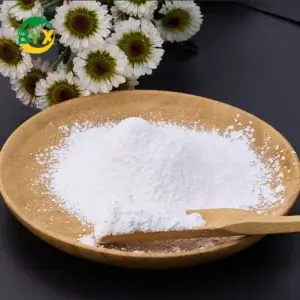
Baiyexin is the largest Magnesium Sulfate Anhydrous - manufacturer in China, providing Magnesium Sulfate Anhydrous - in various specifications.
Product SKU: BYX6012
Product Brand: BAIYEXIN
Product Currency: USD
Product Price: 260
Price Valid Until: 2026-12-31
Product In-Stock: InStock
5
BaiYeXin –
What we value most is that it is genuinely supplied directly by the manufacturer. Magnesium Sulfate Anhydrous has a stable pricing system that avoids cutthroat competition, making it suitable for long-term distribution.