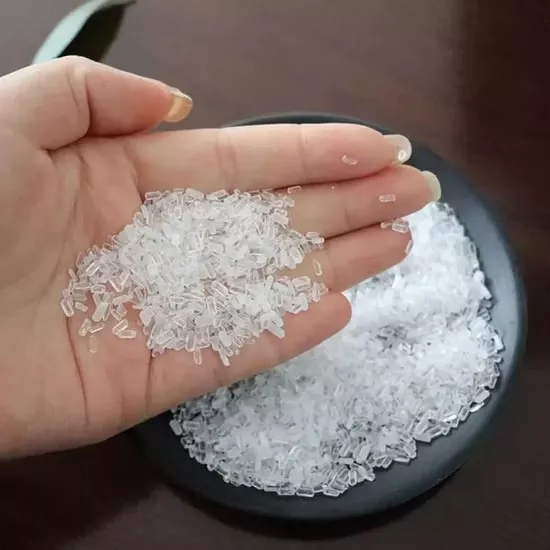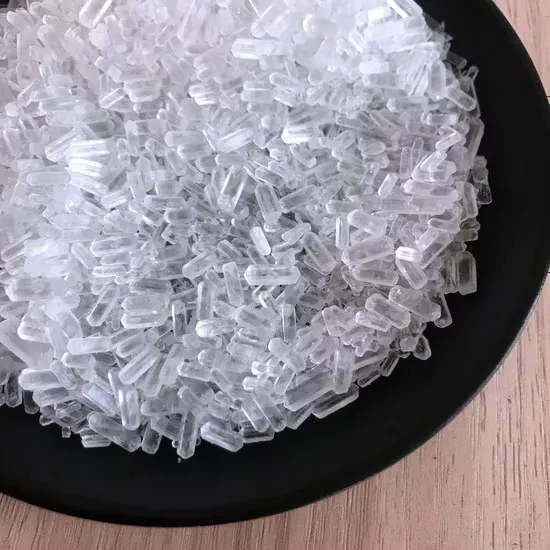
Magnesium sulfate anhydrous powder has become a cornerstone in industrial and chemical drying processes. Its exceptional ability to absorb moisture quickly and efficiently sets it apart from other desiccants. This compound, free from water molecules, offers unparalleled stability, making it ideal for applications requiring precise control of humidity. Unlike many alternatives, anhydrous magnesium sulfate remains effective under diverse conditions, enhancing its versatility in both laboratory and large-scale operations. Industries rely on this drying agent for its consistency and performance, ensuring optimal results in critical processes.
Key Takeaways
Magnesium sulfate anhydrous powder soaks up water fast, making it great for jobs needing exact moisture control.
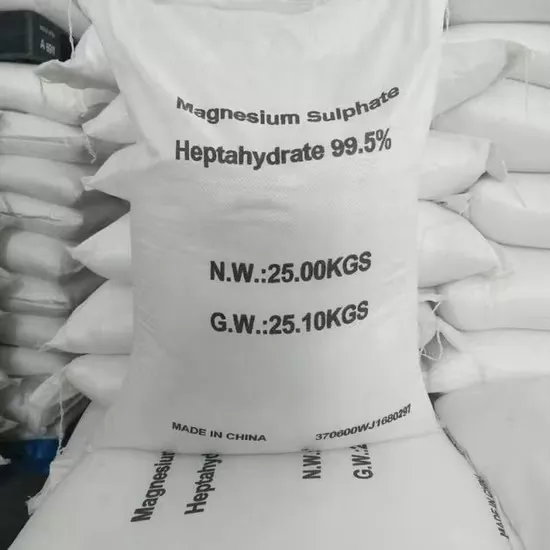
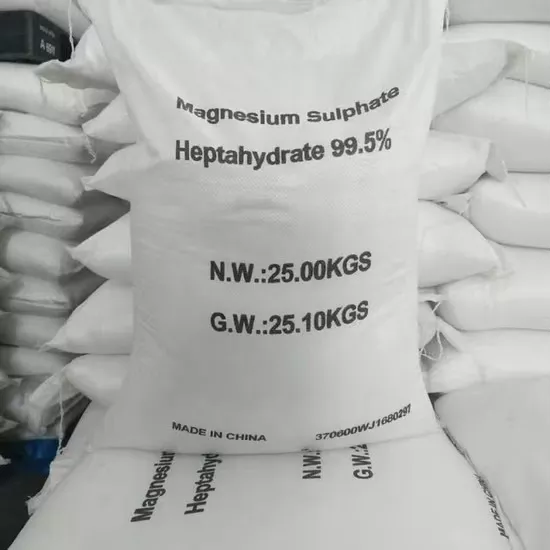
Its high purity (99.5%) makes it dependable for important tasks in industries like medicine and food packaging.
Unlike other drying agents, magnesium sulfate stays solid after absorbing water, making it easier to use and store.
To work best, keep magnesium sulfate in sealed containers and check how well it works often to stay effective.
Using magnesium sulfate with other drying agents can improve moisture control by combining their special abilities.
Overview of Drying Agents
What Are Drying Agents?
Drying agents are substances designed to absorb moisture from their surroundings, creating an environment with minimal humidity. These materials play a critical role in processes where moisture control is essential. Their effectiveness depends on specific properties, such as absorption capacity, reaction speed, and chemical stability.
They are defined as materials with moisture-absorbing abilities, used to maintain low-moisture environments.
Common examples include magnesium sulfate, silica gel, calcium chloride, and sodium sulfate.
Each drying agent offers unique characteristics, making it suitable for different applications. For instance, magnesium sulfate anhydrous powder excels in rapid moisture absorption, while silica gel is valued for its reusability. The choice of a drying agent often depends on the specific requirements of the process, such as the desired level of dryness or the operating conditions.
Common Applications of Drying Agents
Drying agents are indispensable in various industries and scientific fields. Their ability to control moisture ensures the integrity and efficiency of numerous processes.
Chemical Laboratories: Drying agents are widely used to remove water from solvents and reaction mixtures. This ensures accurate experimental results and prevents unwanted side reactions.
Pharmaceuticals: In drug manufacturing, they help maintain the stability and shelf life of moisture-sensitive compounds.
Food Packaging: Silica gel packets are commonly included in food packaging to prevent spoilage caused by humidity.
Industrial Processes: Many industries rely on drying agents to protect machinery and materials from moisture-related damage.
Electronics: Desiccants are used to safeguard electronic components from corrosion and short circuits caused by humidity.
The versatility of drying agents makes them essential in both everyday applications and specialized industrial processes. Their ability to adapt to diverse environments highlights their importance in maintaining product quality and operational efficiency.
Magnesium Sulfate Anhydrous Powder

Properties and Purity Standards
Magnesium sulfate anhydrous powder is renowned for its exceptional purity and adherence to stringent industry standards. Its chemical composition, represented by the molecular formula MgSO₄, ensures high stability and effectiveness in moisture absorption. Baiyexin's magnesium sulfate products consistently achieve a minimum purity of 99.5%, making them suitable for critical applications across industries.
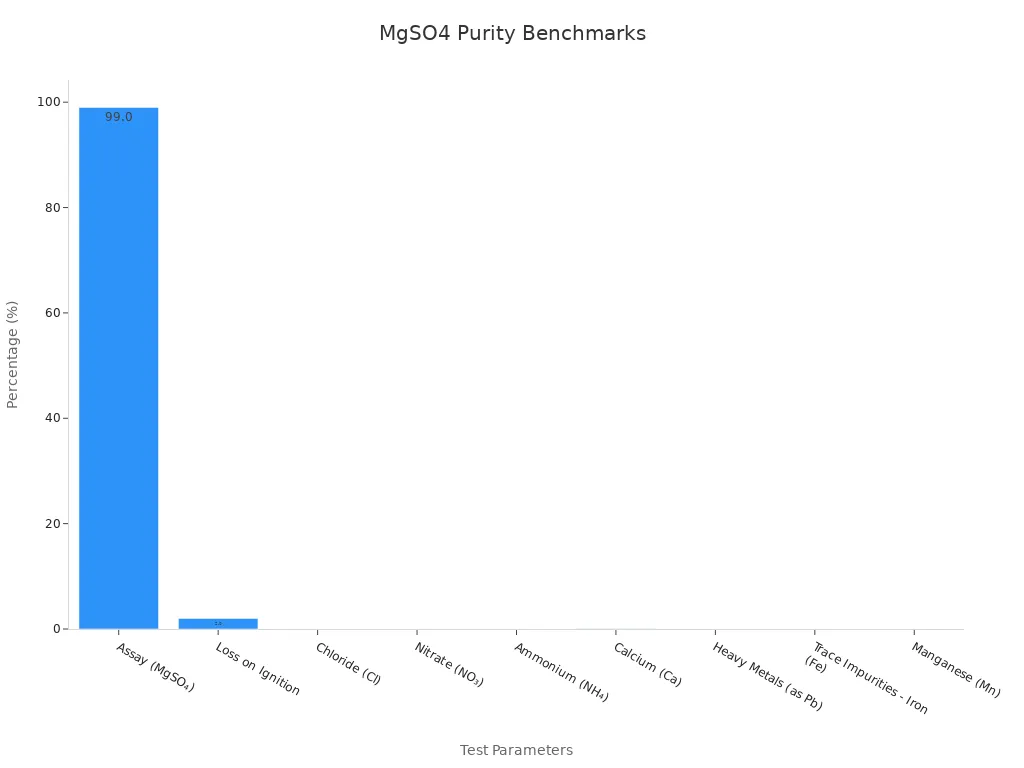
The following table highlights the key purity benchmarks for magnesium sulfate anhydrous powder:
Parameter | Value |
|---|---|
Assay (MgSO₄) | ≥99.0 % |
Loss on Ignition | ≤2.0 % |
Chloride (Cl) | ≤0.001 % |
Nitrate (NO₃) | ≤0.004 % |
Ammonium (NH₄) | ≤0.004 % |
Calcium (Ca) | ≤0.06 % |
Heavy Metals (as Pb) | ≤0.001 % |
Trace Impurities - Iron (Fe) | ≤0.001 % |
Manganese (Mn) | ≤0.001 % |
Trace Impurities - Arsenic (As) | ≤1 ppm |
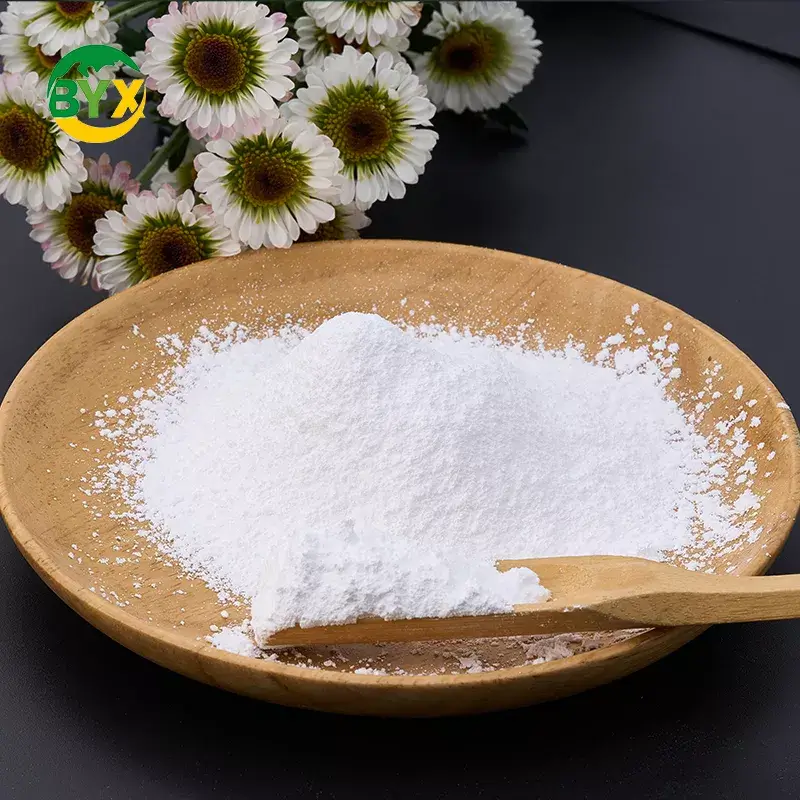
These parameters align with USP/NF monographs, ensuring the product meets global quality standards. The powder's physical form, characterized by its fine texture, enhances its usability in diverse applications.
Mechanism of Action
Anhydrous magnesium sulfate operates as a desiccant by leveraging its hygroscopic nature. The compound readily absorbs water molecules from its surroundings, forming hydrated magnesium sulfate in the process. This reaction occurs without releasing heat, ensuring stability during use. Its high melting point of 1124°C further underscores its thermal resilience, making it ideal for environments requiring consistent performance under varying conditions.
The powder's efficiency stems from its ability to bind water molecules tightly, reducing ambient humidity levels rapidly. This mechanism makes it a preferred choice for applications demanding precise moisture control.
Applications in Industry and Chemistry
Magnesium sulfate anhydrous powder plays a pivotal role in numerous industrial and chemical processes. Its moisture-absorbing properties make it indispensable in the following areas:
Chemical Synthesis: Used to dry solvents and reaction mixtures, ensuring optimal conditions for chemical reactions.
Pharmaceuticals: Maintains the stability of moisture-sensitive drugs during production and storage.
Food Industry: Acts as an anti-caking agent in powdered food products, preserving their quality.
Electronics: Protects sensitive components from humidity-induced damage.
Industrial Manufacturing: Prevents moisture-related issues in materials like plastics and resins.
The versatility of anhydrous magnesium sulfate allows it to excel in both laboratory-scale experiments and large-scale industrial operations. Its consistent performance and high absorption capacity make it a reliable choice for professionals across various sectors.
Comparison with Other Drying Agents

Sodium Sulfate: Efficiency and Practicality
Sodium sulfate, commonly known as Glauber’s salt, is a widely used drying agent in chemical laboratories and industrial processes. Its primary appeal lies in its affordability and ease of use. However, when compared to magnesium sulfate anhydrous powder, sodium sulfate often falls short in terms of efficiency.
A study evaluating drying agents for pesticide extracts revealed that sodium sulfate left significant amounts of water in the organic phase. In contrast, magnesium sulfate demonstrated superior performance, effectively removing residual moisture. This disparity highlights the limitations of sodium sulfate in applications requiring precise moisture control.
Despite its lower efficiency, sodium sulfate remains practical for non-critical applications. Its ability to absorb water without forming clumps makes it suitable for bulk drying tasks. However, industries prioritizing rapid and thorough drying often opt for magnesium sulfate due to its higher absorption capacity and faster action.
Calcium Chloride: Absorption and Limitations
Calcium chloride is another popular desiccant, known for its exceptional hygroscopic properties. It absorbs moisture aggressively, often deliquescing into a liquid state as it captures water. This characteristic makes it highly effective in environments with high humidity levels.
However, calcium chloride's aggressive moisture absorption can also pose challenges. Its tendency to form a liquid brine can complicate handling and limit its usability in certain applications. For instance, in scenarios requiring a stable, solid desiccant, magnesium sulfate anhydrous powder offers a more practical alternative. Magnesium sulfate retains its solid form even after absorbing moisture, ensuring easier handling and consistent performance.
Additionally, calcium chloride's corrosive nature can damage equipment and materials over time. This limitation makes it less suitable for sensitive applications, where magnesium sulfate's non-corrosive properties provide a safer and more reliable option.
Silica Gel: Reusability and Environmental Considerations
Silica gel stands out among drying agents for its reusability. Its ability to regenerate through heating makes it an environmentally friendly choice for applications where sustainability is a priority. Silica gel is often used in packaging, electronics, and pharmaceuticals to protect products from moisture damage.
However, silica gel's absorption capacity is relatively lower compared to magnesium sulfate anhydrous powder. While silica gel excels in maintaining low humidity over extended periods, it may not perform as effectively in situations requiring rapid moisture removal. Magnesium sulfate's ability to absorb water quickly makes it a preferred choice for time-sensitive applications.
Another consideration is silica gel's environmental impact. Although reusable, the energy required for regeneration can offset its eco-friendly benefits. In contrast, magnesium sulfate's high efficiency and minimal processing requirements make it a more sustainable option for many industrial uses.
Tip: For applications requiring both efficiency and sustainability, combining silica gel with magnesium sulfate can offer a balanced solution, leveraging the strengths of both drying agents.
Key Differences: Magnesium Sulfate vs. Alternatives
Magnesium sulfate anhydrous powder distinguishes itself from other drying agents through its unique combination of efficiency, stability, and versatility. While alternatives like sodium sulfate, calcium chloride, and silica gel have their merits, magnesium sulfate often outperforms them in critical applications.
1. Absorption Efficiency
Magnesium sulfate anhydrous powder exhibits superior moisture absorption capabilities. Its hygroscopic nature allows it to rapidly capture water molecules, making it ideal for processes requiring quick drying. Sodium sulfate, while effective in bulk drying, often leaves residual moisture behind. Calcium chloride absorbs moisture aggressively but tends to deliquesce, forming a liquid that complicates handling. Silica gel, though reusable, lacks the rapid absorption rate of magnesium sulfate, making it less suitable for time-sensitive applications.
2. Physical Stability
Unlike calcium chloride, which can become liquid after absorbing moisture, magnesium sulfate retains its solid form. This stability simplifies handling and ensures consistent performance across various environments. Sodium sulfate also remains solid but lacks the high absorption capacity of magnesium sulfate. Silica gel's stability is comparable, but its lower efficiency limits its use in demanding industrial processes.
3. Versatility Across Applications
Magnesium sulfate anhydrous powder adapts to a wide range of uses, from chemical synthesis to electronics protection. Its high purity and non-corrosive properties make it suitable for sensitive applications. Calcium chloride's corrosive nature restricts its use in environments with delicate materials. Silica gel excels in packaging and long-term humidity control but struggles in scenarios requiring rapid drying. Sodium sulfate, while practical for general drying, lacks the precision needed for specialized tasks.
4. Environmental Impact
Magnesium sulfate offers a sustainable option due to its minimal processing requirements and high efficiency. Silica gel's reusability provides an eco-friendly advantage, but the energy-intensive regeneration process can offset its benefits. Calcium chloride's corrosive nature and liquid brine formation pose environmental challenges. Sodium sulfate, though less impactful, does not match magnesium sulfate's overall sustainability in industrial applications.
Note: Magnesium sulfate anhydrous powder combines rapid action, stability, and adaptability, making it a preferred desiccant for industries prioritizing efficiency and reliability.
Advantages and Limitations of Magnesium Sulfate Anhydrous Powder
Advantages in Drying Applications
Magnesium sulfate anhydrous powder offers several advantages that make it a preferred choice in drying applications. Its high moisture absorption capacity ensures rapid and efficient drying, even in environments with elevated humidity levels. This property is particularly beneficial in industries where precise moisture control is critical, such as pharmaceuticals, food processing, and chemical manufacturing.
The compound's stability under varying conditions enhances its reliability. Unlike some alternatives, it retains its solid form after absorbing moisture, simplifying handling and storage. This characteristic makes it suitable for applications requiring consistent performance over extended periods. Additionally, its non-corrosive nature ensures compatibility with sensitive materials and equipment, reducing the risk of damage during use.
In agriculture, magnesium sulfate anhydrous powder plays a vital role in improving soil quality. It acts as a drying agent in fertilizers, preventing clumping and ensuring even distribution of nutrients. This application highlights its versatility and importance in supporting sustainable farming practices.
Tip: Industries can maximize efficiency by selecting magnesium sulfate anhydrous powder for processes requiring rapid and thorough moisture removal.
Limitations in Specific Scenarios
While magnesium sulfate anhydrous powder excels in many applications, it may not be the ideal choice for every scenario. Its hygroscopic nature, while advantageous for drying, can lead to challenges in environments with extremely high humidity. In such cases, the compound may absorb moisture too quickly, requiring frequent replacement or regeneration.
Another consideration is its solubility in water. In applications where exposure to liquid water is unavoidable, the compound may dissolve, reducing its effectiveness as a desiccant. For these scenarios, alternatives like silica gel or calcium chloride may offer better performance.
Despite these limitations, anhydrous magnesium sulfate remains a reliable option for most industrial and agricultural applications. Proper handling and storage can mitigate potential challenges, ensuring optimal results.
Best Practices for Optimal Use
To achieve the best results with magnesium sulfate anhydrous powder, users should follow specific best practices. Proper storage is essential to maintain its effectiveness. The compound should be kept in airtight containers to prevent premature moisture absorption. This precaution ensures that the product remains ready for use when needed.
In industrial applications, selecting the appropriate particle size can enhance performance. Finer particles provide a larger surface area for moisture absorption, making them ideal for rapid drying. For agriculture, customized formulations tailored to specific soil conditions can improve efficiency and crop yield.
Regular monitoring of the drying agent's performance is also crucial. Replacing or regenerating the compound at the right time prevents inefficiencies and ensures consistent results. By adhering to these best practices, industries can maximize the benefits of anhydrous magnesium sulfate while minimizing potential challenges.
Note: Baiyexin's magnesium sulfate products, with their high purity and customizable options, provide an excellent solution for diverse drying needs.
Magnesium sulfate anhydrous powder excels as a drying agent due to its rapid moisture absorption, high efficiency, and adaptability across industries. Its ability to maintain stability under diverse conditions makes it a reliable choice for critical applications.
Key Insight: Baiyexin's magnesium sulfate products, with their exceptional purity and customizable options, elevate performance standards. Their commitment to quality ensures consistent results, meeting the demands of industries ranging from pharmaceuticals to agriculture.
Professionals seeking a dependable desiccant will find magnesium sulfate anhydrous powder an optimal solution for achieving precise moisture control.
FAQ
What makes magnesium sulfate anhydrous powder different from other drying agents?
Magnesium sulfate anhydrous powder absorbs moisture rapidly while maintaining its solid form. Unlike calcium chloride, it does not deliquesce into a liquid. Its high purity and stability make it suitable for critical applications, offering superior performance compared to alternatives like sodium sulfate or silica gel.
Can magnesium sulfate anhydrous powder be reused?
Magnesium sulfate anhydrous powder is not typically reusable. Once it absorbs moisture, it forms hydrated magnesium sulfate, which reduces its drying efficiency. For applications requiring reusability, silica gel may be a better option, though it lacks the rapid absorption rate of magnesium sulfate.
How should magnesium sulfate anhydrous powder be stored?
Store magnesium sulfate anhydrous powder in airtight containers to prevent premature moisture absorption. Keep it in a cool, dry place away from direct sunlight. Proper storage ensures the product retains its effectiveness and remains ready for use in industrial or laboratory applications.
Is magnesium sulfate anhydrous powder safe for all applications?
Magnesium sulfate anhydrous powder is safe for most industrial, agricultural, and chemical applications. Its non-corrosive nature makes it compatible with sensitive materials. However, users should avoid exposing it to liquid water, as it dissolves and loses its desiccant properties.
Why choose Baiyexin’s magnesium sulfate products?
Baiyexin offers magnesium sulfate products with 99.5% purity, ensuring consistent performance. Their customizable options, including particle size and packaging, cater to diverse needs. With rigorous quality control and certifications like ISO 9001, Baiyexin guarantees reliability and excellence for industrial and agricultural applications.
Tip: For optimal results, consult Baiyexin’s experts to select the best magnesium sulfate product for your specific requirements.