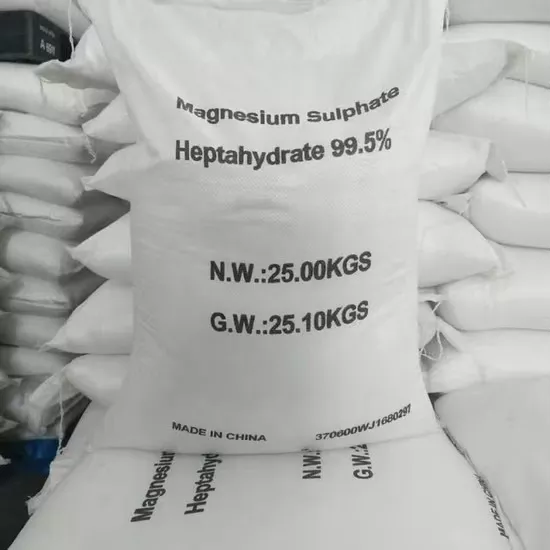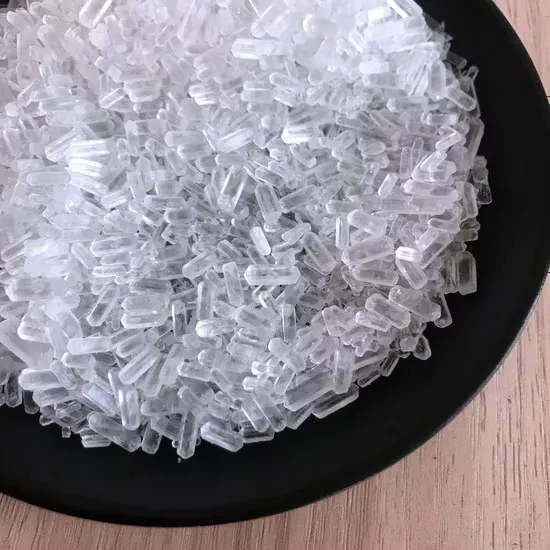
High-quality magnesium sulfate heptahydrate food grade plays a vital role in ensuring the safety and effectiveness of food applications. This compound, derived from magnesium, offers essential benefits in food production, including texture enhancement and mineral supplementation. Selecting a reputable brand ensures consistent purity and compliance with strict quality standards. BaiYeXin, a leader in the industry, exemplifies excellence with its robust manufacturing processes and customizable options. For those seeking the best magnesium supplement for food-grade use, understanding the importance of purity and certifications becomes essential.
Key Takeaways
Pick Magnesium Sulfate Heptahydrate Food Grade with at least 99.5% purity. This makes it safe and useful for food purposes.
Check for certifications like FDA, ISO, and GMP. These prove the product is safe and high quality.
Ask for a Certificate of Analysis (COA) before buying. This paper shows the product is pure and food-grade.
Choose packaging that keeps out moisture to protect it. Good storage stops it from getting dirty or going bad.
Compare prices with purity and certifications. Buying good magnesium sulfate avoids problems and saves money.
What is Magnesium Sulfate Heptahydrate Food Grade?
Definition and Chemical Composition
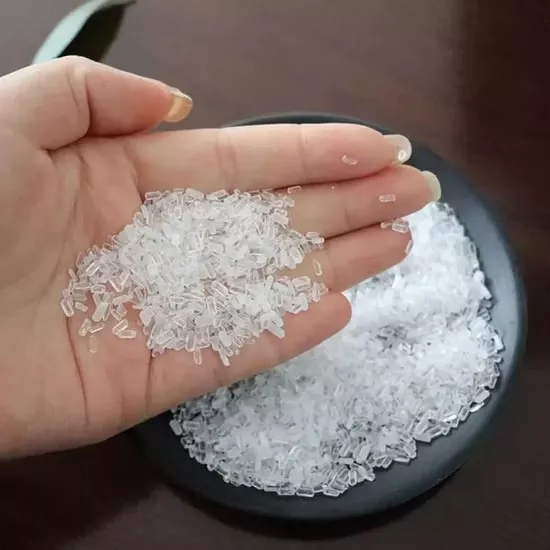
Magnesium sulfate heptahydrate, commonly known as Epsom salt, is a chemical compound with the formula MgSO₄·7H₂O. It consists of one magnesium atom, one sulfate group, and seven water molecules. This structure gives it a molar mass of 246.47 g/mol. The heptahydrate form is highly soluble in water, making it ideal for various applications, including food production.
Component | Amount |
|---|---|
Magnesium (Mg) | |
Sulfate (SO₄) | 1 group |
Water (H₂O) | 7 molecules |
Molar Mass | 246.47 g/mol |
In food-grade applications, Magnesium Sulfate Heptahydrate Food Grade must meet stringent purity standards. The compound typically has an assay range of 99.5% to 100.5%, ensuring its suitability for consumption. It complies with international standards such as Ph. Eur., BP, USP, and FCC, which guarantee its safety and effectiveness.
Specification | Value |
|---|---|
Assay | |
Compliance | Ph. Eur., BP, USP, FCC |
Common Uses in Food and Beverage Applications
Magnesium sulfate heptahydrate food grade serves multiple purposes in the food and beverage industry. It acts as a brewing salt in beer production, enhancing flavor and balancing mineral content. It also functions as a tofu coagulant, helping to solidify soy milk into tofu. Additionally, it is used in various food, beverage, and nutritional supplement applications to provide essential magnesium, a vital mineral for human health.
Used as a brewing salt in beer production.
Serves as a tofu coagulant.
Suitable for food, beverage, and nutritional supplement applications.
The demand for magnesium sulfate in the food and beverage sector continues to grow. Its versatility and safety make it a preferred choice for manufacturers aiming to enhance product quality while meeting consumer expectations.
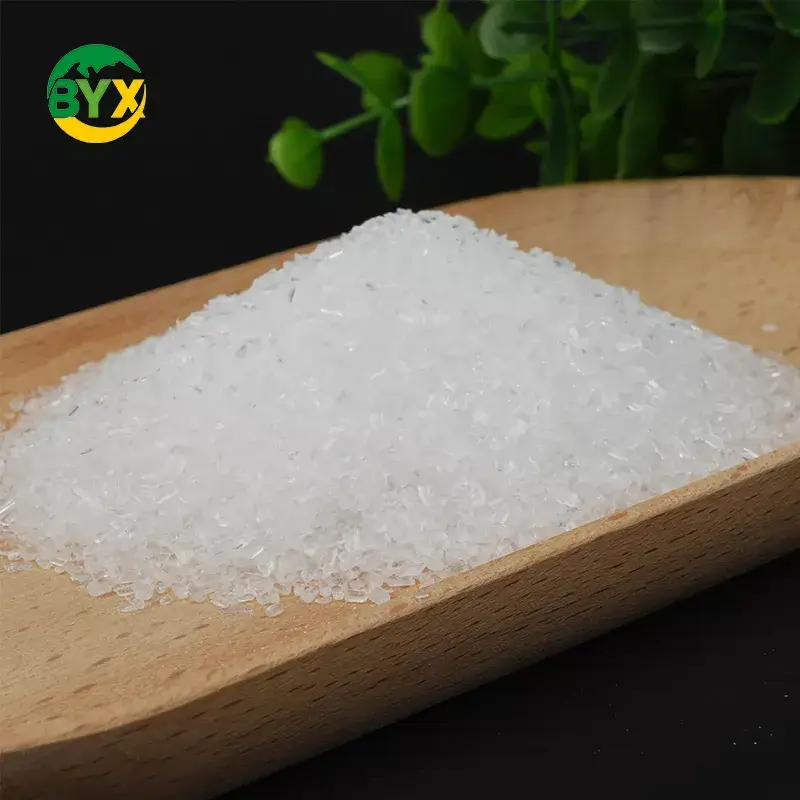
Why Food-Grade Certification Matters
Food-grade certification ensures that Magnesium Sulfate Heptahydrate Food Grade meets the highest safety and quality standards for consumption. This certification, often aligned with the Food Chemical Codex (FCC), confirms that the product is free from harmful contaminants and suitable for use in food, beverages, and nutritional supplements.
The certification process involves rigorous testing to verify compliance with international safety regulations. For example, Magnesium Sulfate Heptahydrate Food Grade certified as food-grade guarantees its purity and adherence to standards like USP and FCC. This assurance is crucial for manufacturers who prioritize consumer safety and product reliability.
Note: Choosing a certified magnesium sulfate heptahydrate food grade minimizes risks and ensures compliance with regulatory requirements, making it an essential consideration for food producers.
Key Factors to Consider When Choosing a Brand
Purity and Quality Standards
Purity is a critical factor when selecting magnesium sulfate for food-grade applications. High-purity magnesium sulfate ensures safety and effectiveness, particularly in food production. Brands offering a purity level of 99.5% or higher, verified through titration methods, are ideal for maintaining product quality.
Brand | Purity Level |
|---|---|
Magnesium Sulfate Heptahydrate Food Grade | 99.5+% (Titration) |
Manufacturers should always request a Certificate of Analysis (COA) before purchasing. This document confirms the product's purity and compliance with industry standards. A reliable COA provides assurance that the magnesium sulfate meets the necessary specifications for food-grade use.
Always verify purity levels through a COA.
Ensure the product complies with international safety standards.
Choosing a brand with rigorous quality assurance processes minimizes risks and guarantees consistent results in food applications.
Certifications (e.g., FDA, ISO, GMP)
Certifications play a vital role in determining the reliability of a Magnesium Sulfate Heptahydrate Food Grade supplier. Reputable brands adhere to certifications such as FDA, ISO 9001, and GMP. These certifications confirm that the manufacturing processes meet stringent safety and quality requirements.
For example, ISO 9001 ensures that the production facility follows a robust quality management system. GMP certification guarantees that the product is manufactured under hygienic conditions, suitable for food-grade applications. FDA compliance further validates the product's safety for consumption.
Brands like BaiYeXin, which hold multiple certifications, demonstrate their commitment to excellence. Their adherence to international standards ensures that their magnesium sulfate products meet the highest benchmarks for quality and safety.
Tip: Always check for certifications when evaluating a brand. This step ensures compliance with regulatory requirements and enhances consumer trust.
Packaging and Shelf Life
Packaging and shelf life significantly impact the usability of magnesium sulfate in food applications. Proper packaging protects the product from contamination and moisture, preserving its quality over time.
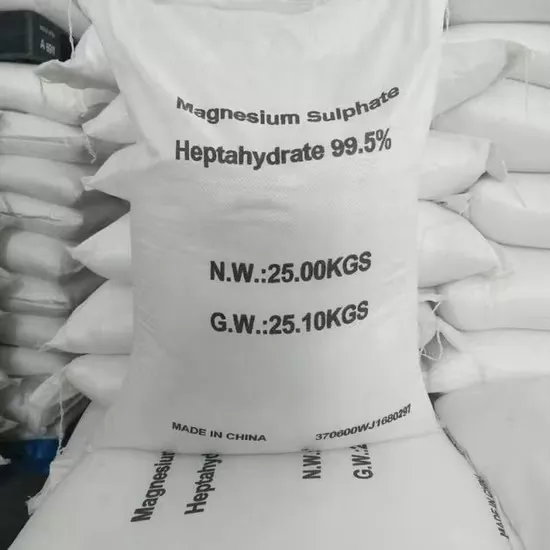
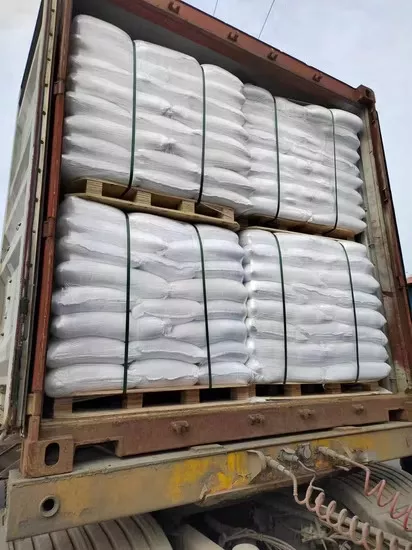
Leading brands offer customized packaging solutions to meet diverse needs. For instance, BaiYeXin provides options ranging from 25kg bags to 1250kg bulk containers. This flexibility allows manufacturers to choose packaging that aligns with their operational requirements.
Shelf life is another crucial consideration. Magnesium sulfate with a longer shelf life reduces waste and ensures consistent availability. Always verify the expiration date and storage recommendations provided by the supplier.
Opt for moisture-resistant packaging to maintain product integrity.
Confirm the shelf life to ensure long-term usability.
Selecting a brand with robust packaging and clear shelf-life guidelines enhances the efficiency of food production processes.
Pricing and Value for Money
When selecting magnesium sulfate heptahydrate food grade, pricing plays a pivotal role in determining its overall value. Manufacturers and food producers often seek a balance between affordability and uncompromising quality. While lower-cost options may seem appealing, they can sometimes compromise on purity or certifications, which are critical for food-grade applications.
Brands like BaiYeXin offer a compelling combination of competitive pricing and exceptional quality. Their magnesium sulfate products, with a purity of 99.5% or higher, provide excellent value for money. This high level of purity ensures that the product meets stringent food safety standards, reducing the risk of contamination or inconsistency in food production. Additionally, BaiYeXin’s ability to customize specifications, such as particle size and crystal water content, allows buyers to optimize their purchase for specific applications, further enhancing cost efficiency.
Bulk purchasing options also contribute to cost savings. BaiYeXin, for instance, offers flexible packaging solutions ranging from 25kg bags to 1250kg containers. This flexibility enables businesses to reduce per-unit costs while ensuring they have sufficient stock for their production needs. Moreover, the extended shelf life of their magnesium sulfate minimizes waste, making it a cost-effective choice for long-term use.
Tip: Always compare the price per kilogram against the product’s purity and certifications. A slightly higher upfront cost for certified magnesium sulfate can lead to significant savings by avoiding quality issues or regulatory non-compliance.
Investing in a reliable brand ensures not only affordability but also peace of mind. High-quality magnesium sulfate delivers consistent results, making it a valuable asset for food manufacturers aiming to maintain product integrity and consumer trust.
Detailed Review of Top Brands of Magnesium Sulfate Heptahydrate Food Grade
Brand: BaiYeXin
BaiYeXin is a leading supplier of magnesium sulfate products, known for its advanced manufacturing techniques and commitment to quality. The company specializes in producing magnesium sulfate heptahydrate food grade applications, ensuring that its products meet the highest safety and purity standards.
BaiYeXin’s magnesium sulfate is highly regarded for its consistency and effectiveness. The brand caters to a wide range of industries, including food production, beverage manufacturing, and nutritional supplements. Its epsom salt products are particularly popular among food manufacturers due to their solubility and mineral-rich composition.
Why BaiYeXin?
Advanced Manufacturing: BaiYeXin utilizes state-of-the-art technology to produce magnesium sulfate with unmatched precision.
Certifications: The company holds certifications such as ISO 9001 and GMP, ensuring compliance with global quality standards.
Customizable Options: BaiYeXin offers tailored solutions, including variations in particle size and crystal water content.
Competitive Pricing: The brand provides cost-effective magnesium sulfate products without compromising on quality.
BaiYeXin’s dedication to innovation extends to its packaging solutions. The company offers customizable packaging sizes, ranging from 25kg bags to bulk containers, to meet the diverse needs of its clients. Its focus on customer-centric solutions has earned BaiYeXin a strong reputation in the magnesium sulfate market.
Note: BaiYeXin’s combination of advanced technology, certifications, and affordability makes it a reliable partner for food manufacturers seeking high-quality magnesium sulfate.
How to Use Magnesium Sulfate Heptahydrate Food Grade Safely
Proper Handling and Storage Tips
Proper handling and storage of Magnesium Sulfate Heptahydrate Food Grade are essential to maintain its quality and ensure safety. This compound, commonly referred to as epsom salt, should be stored in a cool, dry place away from direct sunlight and moisture. Exposure to humidity can cause clumping or degradation, reducing its effectiveness in food applications.
When handling magnesium sulfate, always use clean, dry utensils to prevent contamination. Wearing gloves and protective gear is recommended, especially in industrial settings, to avoid skin irritation. Ensure that the storage area is well-ventilated and free from strong odors, as magnesium sulfate can absorb surrounding smells.
Tip: Label storage containers clearly and keep them sealed tightly to preserve the product’s purity and prevent accidental misuse.
Recommended Dosages for Food Applications
Accurate dosing of magnesium sulfate is critical for achieving desired results in food production. The following table outlines recommended dosages for various food categories:
Food Category | Recommended Dosage |
|---|---|
Beverages | 0.1 to 0.5 grams per liter |
Baked Goods | 0.05% to 0.2% of flour weight |
Dairy Products | Varies based on product type |
Using the correct dosage ensures product quality and consumer safety. Insufficient amounts may fail to deliver the intended benefits, while excessive use can lead to undesirable effects, such as gastrointestinal discomfort.
Always measure magnesium sulfate precisely using a calibrated scale.
Adjust dosages based on the specific requirements of the recipe or product.
Avoiding Common Mistakes
Avoiding common mistakes when using Magnesium Sulfate Heptahydrate Food Grade can prevent costly errors and ensure consistent results. One frequent issue is improper storage, which can compromise the compound’s integrity. Always store it in moisture-resistant packaging to maintain its quality.
Another mistake is neglecting to verify the product’s food-grade certification. Using non-certified magnesium sulfate can pose health risks and lead to regulatory violations. Additionally, overestimating dosages can result in off-flavors or adverse health effects.
Note: Regularly review safety guidelines and consult with experts to ensure compliance with food safety standards.
By following these best practices, manufacturers can maximize the benefits of magnesium sulfate while maintaining high safety and quality standards.
Selecting high-quality magnesium sulfate heptahydrate food grade is essential for ensuring safety and effectiveness in food applications. Purity, certifications, and packaging play a pivotal role in determining the reliability of a product. BaiYeXin emerges as the best magnesium supplement for food-grade use due to its exceptional purity, customizable specifications, and adherence to international standards like ISO 9001 and EU-REACH.
The product’s specifications further reinforce its quality. Magnesium sulfate from BaiYeXin meets stringent benchmarks, including an assay range of 98.0-102.0%, insoluble matter ≤0.005%, and heavy metals ≤5ppm. These attributes ensure its suitability for food production while maintaining consumer safety.
Specification | Value |
|---|---|
Assay | 98.0-102.0% |
pH (5% solution at 25°C) | 5.0-8.2 |
Insoluble matter | ≤0.005% |
Heavy metals (as Pb) | ≤5ppm |
BaiYeXin’s commitment to quality, combined with its advanced manufacturing processes and customer-centric approach, makes it the ideal choice for food manufacturers seeking reliable magnesium sulfate solutions.
FAQ
What is the difference between Magnesium Sulfate Heptahydrate Food Grade and industrial-grade magnesium sulfate heptahydrate?
Magnesium Sulfate Heptahydrate Food Grade meets strict purity and safety standards, making it suitable for consumption. Industrial-grade products may contain impurities and are designed for non-food applications. Always verify certifications like FCC or USP for food-grade products.
How should Magnesium Sulfate Heptahydrate Food Grade be stored?
Store Magnesium Sulfate Heptahydrate Food Grade in a cool, dry place. Use moisture-resistant packaging to prevent clumping or degradation. Keep the product sealed tightly and away from direct sunlight to maintain its quality.
Is Magnesium Sulfate Heptahydrate Food Grade safe for all food applications?
Yes, when certified as food-grade, Magnesium Sulfate Heptahydrate Food Grade is safe for various food applications. It complies with international safety standards, ensuring its suitability for consumption. Always follow recommended dosages to avoid overuse.
Can Magnesium Sulfate Heptahydrate Food Grade be customized for specific needs?
Yes, brands like BaiYeXin offer customization options. Buyers can select specific particle sizes, crystal water content, and packaging solutions to meet their unique requirements. This flexibility ensures optimal performance in diverse applications.
Why is certification important when choosing Magnesium Sulfate Heptahydrate Food Grade?
Certification ensures the product meets international safety and quality standards. It guarantees the absence of harmful contaminants and confirms suitability for food applications. Look for certifications like ISO 9001, GMP, or FCC when selecting a supplier.
Tip: Always request a Certificate of Analysis (COA) to verify the product’s compliance with food-grade standards.