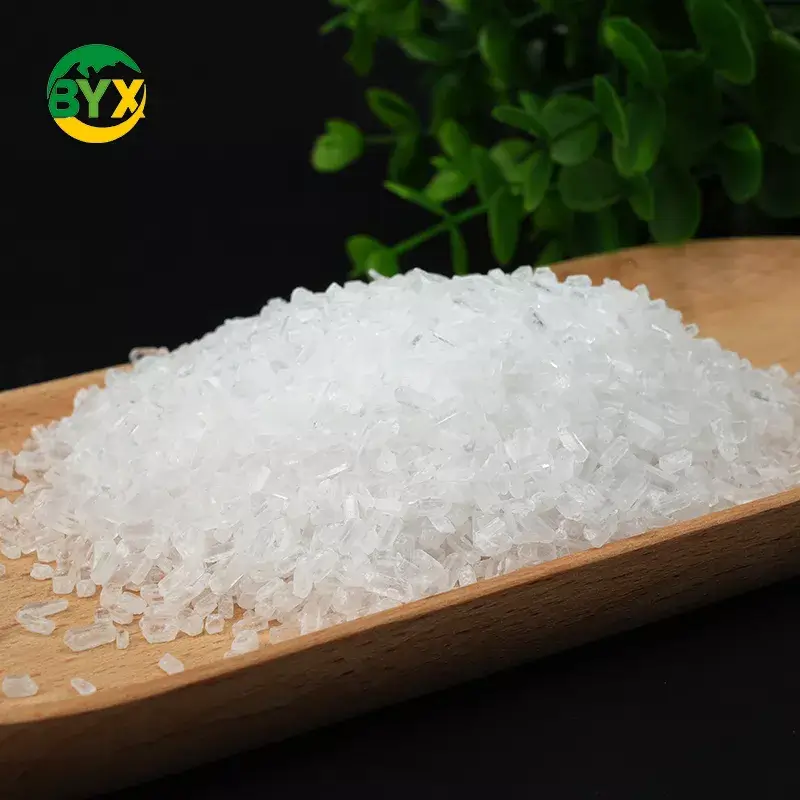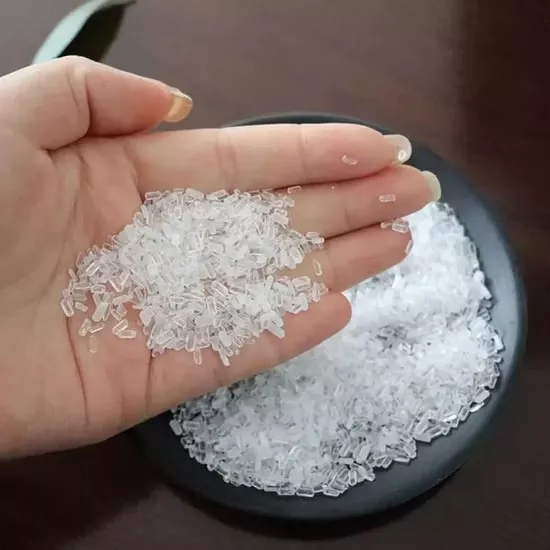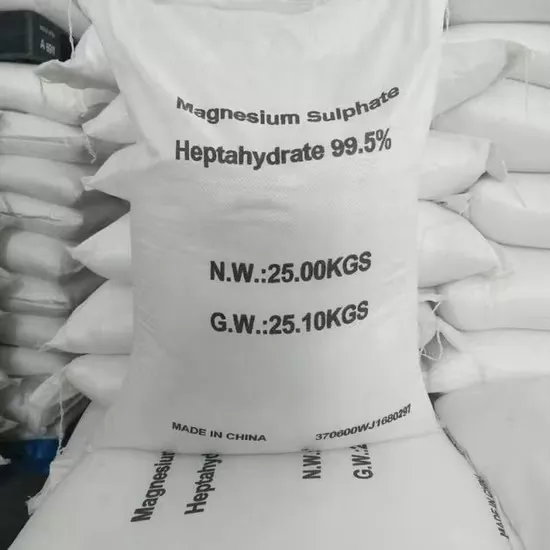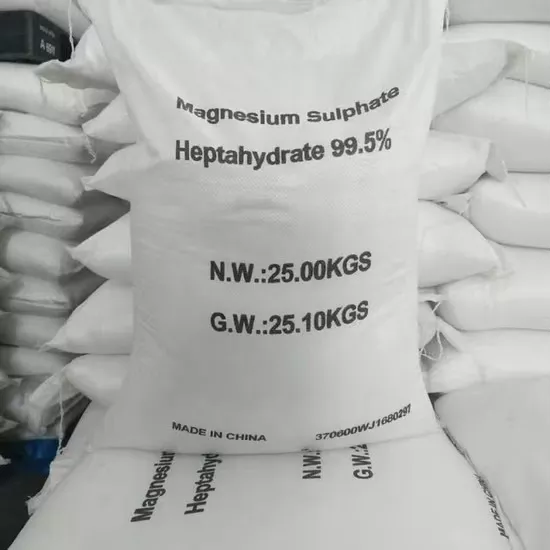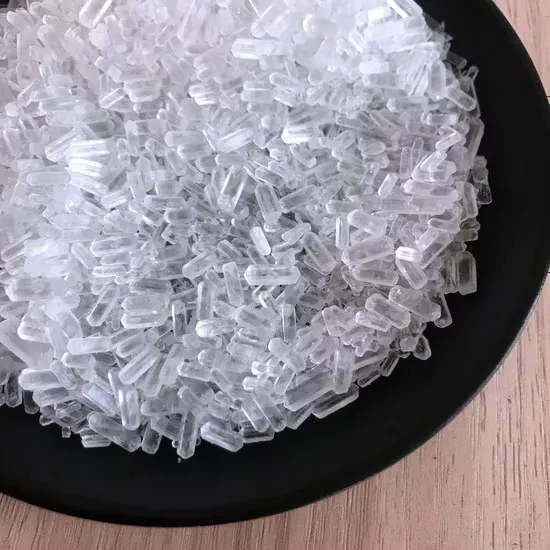
Understanding Magnesium Sulphate Heptahydrate Price and grades, and purity of this compound ensures buyers can select the right magnesium sulphate crystals for their needs while maximizing value.
Magnesium sulphate heptahydrate, commonly known as Epsom salt, plays a critical role in industries such as agriculture, pharmaceuticals, and energy storage. Its unique properties, including a high energy storage density of 780 kWh/m³ and non-toxic nature, make it indispensable for applications like fertilizers, heat storage systems, and healthcare products.
Factors such as market demand, technological advancements, and environmental regulations significantly influence magnesium sulphate heptahydrate price. For instance, the salt lake bittern method and seawater extraction impact both purity levels and production costs. Additionally, industrial-grade heptahydrate offers a cost-effective solution for cementitious materials, demonstrating the importance of grade selection in achieving optimal performance and price efficiency.
Key Takeaways
Magnesium sulphate heptahydrate, also called Epsom salt, is important in farming, healthcare, and food because of its special features.Picking the right type of magnesium sulphate matters; medical-grade is safe for health uses, while industrial-grade is cheaper for farming.Purity levels affect cost; higher purity works better, especially for medicine and food.Buying in large amounts can save money; buyers should make long-term deals and choose suppliers who can produce a lot for lower Magnesium Sulphate Heptahydrate price.
Always check supplier certifications to make sure the product is good and follows rules, ensuring safety and trust.
Grades of Magnesium Sulphate Heptahydrate
Pharmaceutical Grade and Its Applications
Pharmaceutical-grade magnesium sulphate is renowned for its exceptional purity and stringent quality standards. This grade is primarily used in medical and healthcare applications, where safety and efficacy are paramount. It plays a critical role in pain management protocols, particularly in post-surgical recovery. A systematic review revealed that magnesium sulphate enhances multimodal pain management after total knee arthroplasty (TKA). Patients experienced reduced pain scores and a decreased need for opioids, leading to improved recovery times and satisfaction.
Innovations in pharmaceutical-grade magnesium sulphate have further expanded its applications. For instance, transdermal creams deliver magnesium directly through the skin, offering a non-invasive solution for pain relief. Additionally, the development of injectable magnesium sulphate with an extended shelf life has minimized storage losses by 18%, making it a cost-effective choice for healthcare providers. These advancements underscore the importance of this grade in modern medicine.
Food-Grade and Its Applications
Food-grade magnesium sulphate heptahydrate is a vital ingredient in the food and beverage industry. Its high purity and compliance with food safety standards make it suitable for various applications, including food fortification and processing. This grade is often used as a nutrient supplement to enhance the magnesium content in food products, addressing dietary deficiencies in the population.
In addition to fortification, food-grade magnesium sulphate serves as a firming agent in canned vegetables and a coagulant in tofu production. Its versatility extends to beverages, where it acts as a flavor enhancer and stabilizer. The compound's non-toxic nature and solubility ensure its safe use in consumable products, making it an indispensable component in food manufacturing.
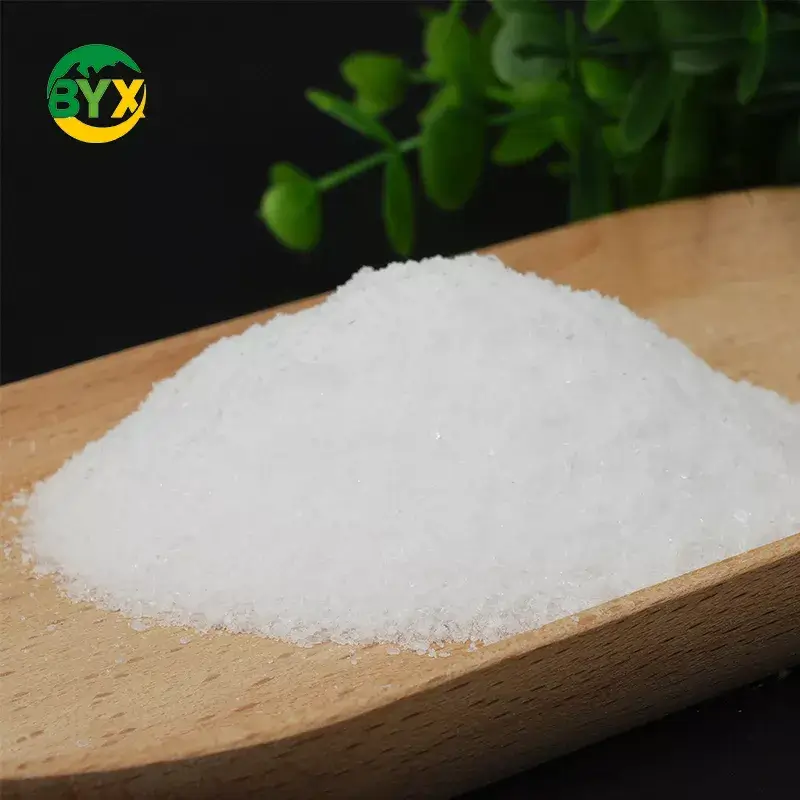
Industrial Grade and Its Applications
Industrial-grade magnesium sulphate heptahydrate is designed for applications that prioritize performance and cost-efficiency. This grade is widely used in agriculture, where it serves as a magnesium-rich fertilizer to improve soil quality and crop yield. Its role in cementitious materials, such as concrete and plaster, enhances durability and reduces cracking, making it a preferred choice in construction.
The industrial performance metrics of this grade highlight its effectiveness. For example, it contains 16.28% magnesium oxide and 9.84% elemental magnesium, with a pH range of 5 to 9.2 in a 5% solution. These properties ensure its suitability for diverse industrial processes, including chemical manufacturing and water treatment. The ability to customize particle size and purity levels further enhances its adaptability to specific industrial needs.
Cost Comparison of Grades
Understanding the cost comparison of magnesium sulphate heptahydrate grades is essential for making informed purchasing decisions. Each grade serves distinct purposes, and its pricing reflects the quality, purity, and application-specific requirements. Buyers must evaluate these factors to balance cost-efficiency with performance.
Grade Type | Description | Price Influences |
|---|---|---|
Epsom Salts Crystals | Commonly used for medicinal baths and gardening. | Market demand, granule size |
Pharmaceutical-grade Magnesium Sulphate | Used for medical applications, ensuring hygiene and safety. | Quality control requirements |
Magnesium Sulphate Heptahydrate Crystals | Used in industrial settings, reliable for irrigation phosphate fertilizers. | Production capacity, resource abundance |
Anhydrous Magnesium Sulphate Crystals | Free of water, long shelf life, used in various industries. | Quality and quantity purchased |
Food-grade Magnesium Sulphate Crystals | Meets quality standards for food industry use. | Quality certifications, compliance with standards |
Pharmaceutical-grade magnesium sulphate commands a higher price due to its stringent quality control processes and compliance with medical safety standards. This grade is indispensable for healthcare applications, where purity and reliability are critical. On the other hand, food-grade magnesium sulphate crystals are priced based on their adherence to food safety certifications and their role in enhancing food quality.
Industrial-grade magnesium sulphate heptahydrate offers a cost-effective solution for large-scale applications such as agriculture and construction. Its pricing depends on production capacity and the availability of raw materials. Similarly, Epsom salts, widely used in gardening and personal care, are influenced by market demand and granule size preferences.
Anhydrous magnesium sulphate, known for its long shelf life and versatility, is priced based on its quality and the quantity purchased. Bulk orders often result in significant cost savings, making it a preferred choice for industries requiring large volumes.
Tip: Buyers can optimize costs by aligning their grade selection with specific application needs. For instance, industrial-grade magnesium sulphate heptahydrate is ideal for agricultural use, while pharmaceutical-grade ensures safety in medical applications.
By understanding the cost comparison across grades, businesses can make strategic purchasing decisions that maximize value without compromising quality.
Factors Influencing Magnesium Sulphate Heptahydrate Price
Purity and Its Impact on Pricing
Purity plays a pivotal role in determining the magnesium sulphate heptahydrate price. Higher purity levels ensure better performance and safety, especially in pharmaceutical and food-grade applications. Products with a purity of 99.5% or higher, such as those offered by Baiyexin, meet stringent quality standards, making them suitable for critical uses. However, achieving such high purity requires advanced manufacturing processes and rigorous quality control, which increases production costs.
The table below highlights key purity measurements that influence pricing:
Property | Value |
|---|---|
Purity Percentage | 99.50% |
Purity Range | 99.50-100.50% |
Assay (calc. to the dried substance) | 99.5 - 100.5% |
Pharmaceutical-grade magnesium sulphate crystals, for instance, demand higher purity levels to ensure safety and efficacy in medical applications. In contrast, industrial-grade products may have slightly lower purity, making them more cost-effective for large-scale uses like agriculture and construction. Buyers must evaluate the balance between quality and purity to select the grade that aligns with their application needs while optimizing costs.
Granule Size and Form Variations
Granule size and form significantly affect Magnesium Sulphate Heptahydrate Price crystals. Different industries require specific particle sizes to achieve optimal results. For example, fine granules dissolve quickly, making them ideal for food and pharmaceutical applications. Larger granules, on the other hand, are preferred in agriculture for slow-release fertilization.
Manufacturers like Baiyexin offer magnesium sulphate crystals in various sizes, ranging from 0.1-1mm to 2-4mm, to cater to diverse industry requirements. Customization of granule size and form often incurs additional costs, as it involves specialized equipment and processes. However, this customization ensures that the product delivers maximum value by meeting specific application needs.
The form of magnesium sulphate also impacts its pricing. Anhydrous magnesium sulphate, which contains no water, is more expensive due to its extended shelf life and versatility. In contrast, heptahydrate forms are more cost-effective and widely used in applications like fertilizers and personal care products. Understanding these variations helps buyers make informed decisions that balance cost with performance.
Sourcing and Supply Chain Costs
Sourcing and supply chain dynamics play a crucial role in shaping the magnesium sulphate heptahydrate price. Factors such as raw material availability, production costs, and global market trends directly influence pricing. For instance, rising sulfuric acid prices in Asia have increased the cost of magnesium sulphate production. Similarly, supply constraints in Europe, coupled with steady agricultural demand, create a volatile pricing environment.
Key factors affecting sourcing and supply chain costs include:
Rising sulfuric acid prices, which surged by 48% in 2022 due to geopolitical tensions, leading to a 12–18% increase in fertilizer prices.Regional price fluctuations, such as in Gujarat, India, where prices rose from $120 to $145 per metric ton, forcing farmers to reduce application rates.Supply chain disruptions in North America, which impact prices that generally follow global trends.Seasonal demand from agriculture and the wellness industry, contributing to periodic price fluctuations.
Raw material costs, particularly sulfur, magnesium ore, and sulfuric acid, significantly influence production expenses. Manufacturers with efficient supply chains and bulk production capabilities, like Baiyexin, can mitigate these costs to some extent. Buyers can further optimize costs by purchasing in bulk and selecting suppliers with reliable sourcing practices.
Note: Understanding the interplay of sourcing, purity, and granule size is essential for making cost-effective purchasing decisions. Aligning these factors with specific application needs ensures maximum value without compromising quality.
Certifications and Compliance Requirements
Certifications and compliance requirements play a pivotal role in the magnesium sulphate industry. Buyers must ensure that the product meets regulatory standards and industry-specific guidelines to guarantee safety, quality, and performance. These certifications not only validate the product's reliability but also influence Magnesium Sulphate Heptahydrate Price, as compliance often involves rigorous testing and documentation.
Key certifications for magnesium sulphate heptahydrate include:
ISO Certifications: These ensure that the manufacturing process adheres to international quality management standards. ISO 9001 certification, for instance, demonstrates a commitment to consistent quality.Food Safety Standards: For food-grade magnesium sulphate, certifications like HACCP (Hazard Analysis and Critical Control Points) and FDA (Food and Drug Administration) approval are essential. These confirm that the product is safe for consumption.Pharmaceutical Compliance: Pharmaceutical-grade magnesium sulphate must comply with pharmacopeial standards such as USP (United States Pharmacopeia) or EP (European Pharmacopoeia). These standards ensure the product's purity and suitability for medical applications.Environmental Certifications: Certifications like REACH (Registration, Evaluation, Authorization, and Restriction of Chemicals) and RoHS (Restriction of Hazardous Substances) demonstrate the product's compliance with environmental regulations.
Manufacturers like Baiyexin prioritize compliance by implementing stringent quality control measures. Their magnesium sulphate products undergo 36 inspection processes to meet the highest industry standards. This commitment to quality ensures that buyers receive products that align with their specific application needs.
Tip: Always verify the certifications and compliance documents provided by the supplier. This step ensures that the product meets the required standards and delivers maximum value for its intended use.
Bulk Purchasing and Cost Optimization
Bulk purchasing offers a strategic advantage for businesses looking to optimize costs while maintaining product quality. By ordering magnesium sulphate heptahydrate in large quantities, buyers can benefit from economies of scale, reducing the overall price per unit. This approach is particularly beneficial for industries with high-volume requirements, such as agriculture and construction.
To maximize cost savings through bulk purchasing, consider the following strategies:
Evaluate Supplier Capacity: Choose suppliers with high production capacities, like Baiyexin, which can produce up to 850 tons per day. This ensures consistent supply and competitive pricing.
Negotiate Long-Term Contracts: Establishing long-term agreements with suppliers can secure stable prices and additional discounts.
Optimize Transportation Costs: Consolidating shipments and selecting efficient logistics partners can significantly reduce transportation expenses.
Leverage Customization Options: Some suppliers offer tailored solutions, such as specific granule sizes or packaging options, at no additional cost. This customization ensures that the product aligns with application needs without inflating the price.
Bulk purchasing also requires careful planning to avoid overstocking or storage issues. Buyers should assess their usage patterns and storage capacity before placing large orders. Additionally, collaborating with reliable suppliers who offer real-time updates and support can streamline the procurement process.
Note: While bulk purchasing reduces costs, it is crucial to balance price with quality. Always prioritize suppliers who maintain high standards of purity and compliance, ensuring that the product delivers optimal performance.
Industry Applications of Magnesium Sulphate Heptahydrate
Agriculture and Fertilizers
Magnesium sulphate heptahydrate plays a pivotal role in agriculture and horticulture, serving as an essential nutrient for plant growth. It provides magnesium, a critical component of chlorophyll, which is necessary for photosynthesis. Additionally, it supplies sulfur, another essential nutrient that enhances enzyme activity and protein synthesis in plants. These properties make magnesium sulphate crystals a popular choice for improving soil fertility and addressing magnesium deficiencies in crops.
The benefits of magnesium sulphate extend beyond nutrient supplementation. It improves soil structure and promotes better water retention, which is vital for sustainable farming practices. Farmers often use magnesium fertilizer to achieve an improved crop yield, particularly in magnesium-deficient soils. The economic impact of this application is significant. Market analysis highlights its role in boosting crop productivity and meeting the rising global demand for agricultural products. This demand is expected to drive the expansion of the magnesium sulphate market in the coming years.
Pharmaceuticals and Healthcare
Magnesium sulphate heptahydrate has been a cornerstone in healthcare since 1925, particularly in managing eclampsia and pre-eclampsia. Its effectiveness in preventing and treating seizures is well-documented. Standard administration regimens, such as the Pritchard and Zuspan protocols, involve intravenous and intramuscular doses tailored to patient needs. Studies reveal that while magnesium sulphate reduces seizure incidence, the ideal duration of administration remains a topic of ongoing research.
Beyond obstetrics, magnesium sulphate crystals are used in pain management and as a laxative. Their high purity and compliance with pharmaceutical standards ensure safety and efficacy. The compound's versatility underscores its importance in modern medicine, where it continues to address critical health challenges.
Food and Beverage Industry
In the food and beverage industry, magnesium sulphate heptahydrate serves as a multifunctional ingredient. It acts as a firming agent in canned vegetables, ensuring texture retention during processing. Additionally, it functions as a coagulant in tofu production, aiding in the formation of smooth and consistent curds. Its solubility and non-toxic nature make it ideal for these applications.
Magnesium sulphate crystals also enhance the nutritional profile of food products. As a magnesium fertilizer for human consumption, it fortifies foods with this essential nutrient, addressing dietary deficiencies. In beverages, it stabilizes flavors and improves shelf life, contributing to product quality. These diverse applications highlight the compound's indispensable role in food manufacturing.
Cosmetics and Personal Care
Magnesium sulphate heptahydrate, commonly referred to as Epsom salt, has become a staple in the cosmetics and personal care industry. Its ability to enhance skin health and its compatibility with natural formulations have made it a preferred ingredient in beauty treatments. The growing consumer demand for effective and eco-friendly products has further driven its adoption in this sector.
Magnesium sulphate crystals are widely used in exfoliating scrubs, where their granular texture helps remove dead skin cells, leaving the skin smooth and rejuvenated. They also serve as a key component in bath salts, providing a relaxing and therapeutic experience. The compound's ability to soothe muscle tension and reduce inflammation makes it ideal for spa treatments and wellness products.
In addition to its physical benefits, magnesium sulphate heptahydrate contributes to the stability of cosmetic formulations. It acts as a thickening agent in creams and lotions, ensuring a consistent texture and improved application. Its non-toxic nature and high solubility make it suitable for sensitive skin, further broadening its appeal in personal care products.
The versatility of magnesium sulphate crystals extends to hair care as well. They are often included in volumizing sprays and shampoos to enhance texture and manageability. This multifunctional ingredient continues to gain popularity among manufacturers seeking to meet the evolving preferences of health-conscious consumers.
Industrial and Chemical Applications
The industrial applications of magnesium sulphate are vast, spanning multiple sectors due to its chemical properties and cost-effectiveness. In the chemical industry, it serves as a drying agent and a catalyst in various reactions. Its high solubility and stability make it an essential component in the production of detergents, dyes, and other chemical formulations.
Magnesium sulphate crystals play a critical role in water treatment processes. They help remove impurities and improve water quality, making them indispensable in municipal and industrial water systems. Their use in wastewater treatment plants highlights their environmental significance, as they aid in reducing harmful contaminants.
In construction, magnesium sulphate heptahydrate enhances the durability of cementitious materials. It improves the strength and resistance of concrete, reducing cracking and extending the lifespan of structures. This application underscores its importance in infrastructure development and maintenance.
The agricultural sector also benefits from the industrial applications of magnesium sulphate. It is widely used as a fertilizer to address magnesium deficiencies in soil, promoting healthier crop growth. Its dual role as a nutrient source and soil conditioner makes it a valuable resource for sustainable farming practices.
Manufacturers like Baiyexin cater to these diverse industrial needs by offering customizable magnesium sulphate crystals in various particle sizes and purity levels. This adaptability ensures that the product meets the specific requirements of each application, reinforcing its position as a versatile and reliable industrial material.
How to Choose the Right Grade of Magnesium Sulphate Heptahydrate
Evaluating Purity and Quality Standards
Selecting the right grade of magnesium sulphate heptahydrate begins with evaluating its purity and quality. High-quality products ensure optimal performance in applications like agriculture, pharmaceuticals, and food production. Purity levels, often expressed as a percentage, directly impact the compound's effectiveness. For instance, pharmaceutical and food-grade magnesium sulphate require a purity of 99.5% or higher to meet stringent safety standards.
Quality benchmarks, such as the ACS Standard, provide a quantitative evaluation of magnesium sulphate's purity. The table below highlights one such benchmark:
Quality Standard | Evaluation |
|---|---|
ACS Standard | Purity meets the requirement |
In addition to purity, analytical parameters like pH, limits of detection (LOD), and limits of quantification (LOQ) help assess the product's suitability for specific applications. Buyers should prioritize these metrics to ensure the magnesium sulphate meets their quality and purity requirements.
Assessing Supplier Reliability and Certifications
A reliable supplier guarantees consistent quality and compliance with industry standards. Certifications such as USP-NF, FCC, and EU EFSA Guidelines validate the product's adherence to safety regulations. The table below outlines key certifications and their compliance requirements:
Certification/Standard | Heavy Metal Limit | Compliance Requirement |
|---|---|---|
USP-NF | < 10 ppm | Food safety regulations |
FCC | < 10 ppm | Food safety regulations |
EU EFSA Guidelines | Arsenic: 3 ppm | Maximum limits for heavy metals |
| Lead: 10 ppm | Maximum limits for heavy metals |
China GB 29207-2012 | N/A | On-site facility audits required |
Suppliers with extensive industry experience often demonstrate a deeper understanding of these standards. Companies like Baiyexin, with 24 patented technologies and 36 inspection processes, exemplify this reliability. Effective customer support, including 24-hour assistance, further reflects a supplier's commitment to client satisfaction.
Balancing Price with Application Needs
Balancing price with application needs is crucial when choosing the right grade of magnesium sulphate heptahydrate. Pharmaceutical-grade products, with their high purity and stringent quality standards, often command a higher price. In contrast, industrial-grade magnesium sulphate offers a cost-effective solution for large-scale applications like agriculture.
To optimize costs, buyers should consider bulk purchasing. Suppliers with high production capacities, such as Baiyexin, can offer competitive pricing for large orders. Additionally, evaluating granule size and form variations ensures the product aligns with specific application requirements, maximizing value without inflating costs.
Tip: Always align the grade selection with the intended application to achieve the best balance between cost and performance.
Tips for Cost-Effective Bulk Purchasing
Purchasing bulk magnesium sulphate crystals can significantly reduce expenses for businesses with high-volume requirements. To achieve cost-effective procurement, buyers should implement strategic practices that optimize price and ensure product quality.
Evaluate Supplier Capacity
Suppliers with large production capacities often offer competitive pricing. Manufacturers like Baiyexin, with a daily output of 850 tons, can meet bulk demands efficiently. Buyers should prioritize suppliers capable of maintaining consistent supply while adhering to quality standards.Negotiate Long-Term Contracts
Establishing long-term agreements with suppliers can lock in favorable prices and secure additional discounts. Contracts also provide stability in fluctuating markets, ensuring predictable costs over time.Leverage Bulk Discounts
Bulk orders typically qualify for volume-based discounts, reducing the overall price per unit. Buyers should inquire about tiered pricing structures to maximize savings. For example, ordering larger quantities often results in lower costs per kilogram.Optimize Logistics
Transportation expenses can impact the final cost of bulk purchases. Consolidating shipments and selecting efficient logistics partners minimizes these expenses. Buyers should also consider suppliers offering flexible delivery options to streamline procurement.Customize Product Specifications
Tailored solutions, such as specific granule sizes or packaging options, enhance product suitability for intended applications. Some suppliers provide customization without additional charges, ensuring buyers receive maximum value without inflating costs.
Tip: Buyers should assess their storage capacity before placing large orders. Proper planning prevents overstocking and ensures efficient use of resources.
By implementing these strategies, businesses can optimize the cost of bulk magnesium sulphate crystals while maintaining product quality and reliability.
Understanding magnesium sulphate heptahydrate grades, pricing, and purity is essential for making informed decisions across industries. Each grade offers unique benefits, from improving agricultural yield to ensuring safety in medical applications. The table below highlights the advantages and challenges of using magnesium sulphate crystals in various scenarios:
Application Scenarios | Pros | Cons |
|---|---|---|
Agriculture as a fertilizer | High solubility in water | Potential heavy metal contamination (Lead) |
Medical applications | Essential nutrient for plant growth | Requires careful handling during manufacturing |
Industrial processes | Versatile applications in various industries | Market fluctuations may affect pricing |
Selecting the right grade ensures optimal quality and performance. Buyers should prioritize products that meet their specific needs while balancing cost and value. Supplier reliability, certifications, and compliance with industry standards further guarantee consistent quality. By considering these factors, businesses can maximize the potential of magnesium sulphate crystals in their operations.
FAQ
1. What is the difference between pharmaceutical-grade and industrial-grade magnesium sulphate heptahydrate?
Pharmaceutical-grade Magnesium Sulphate Heptahydrate offers higher purity (99.5% or more) and complies with medical standards like USP. Industrial-grade focuses on cost-efficiency and performance, making it suitable for agriculture and construction. Buyers should select based on application-specific requirements.
2. How does granule size affect Magnesium Sulphate Heptahydrate applications?
Granule size determines dissolution speed and suitability. Fine granules dissolve quickly, ideal for food and pharmaceutical uses. Larger granules release nutrients slowly, preferred in agriculture. Baiyexin offers customizable sizes from 0.1-1mm to 2-4mm.
3. Can bulk purchasing reduce Magnesium Sulphate Heptahydrate costs?
Yes, bulk purchasing lowers unit costs through volume discounts. Baiyexin’s production capacity of 850 tons per day ensures competitive pricing for large orders. Buyers should negotiate long-term contracts and optimize logistics for additional savings.
4. What certifications should buyers look for in Magnesium Sulphate Heptahydrate products?
Key certifications include ISO 9001 for quality management, USP for pharmaceutical compliance, and HACCP for food safety. Baiyexin meets these standards, ensuring reliability and adherence to industry regulations.
5. Is Magnesium Sulphate Heptahydrate environmentally friendly?
Magnesium Sulphate Heptahydrate supports sustainable practices. It improves soil health in agriculture and aids in wastewater treatment. Baiyexin’s products comply with environmental certifications like REACH, ensuring minimal ecological impact.