
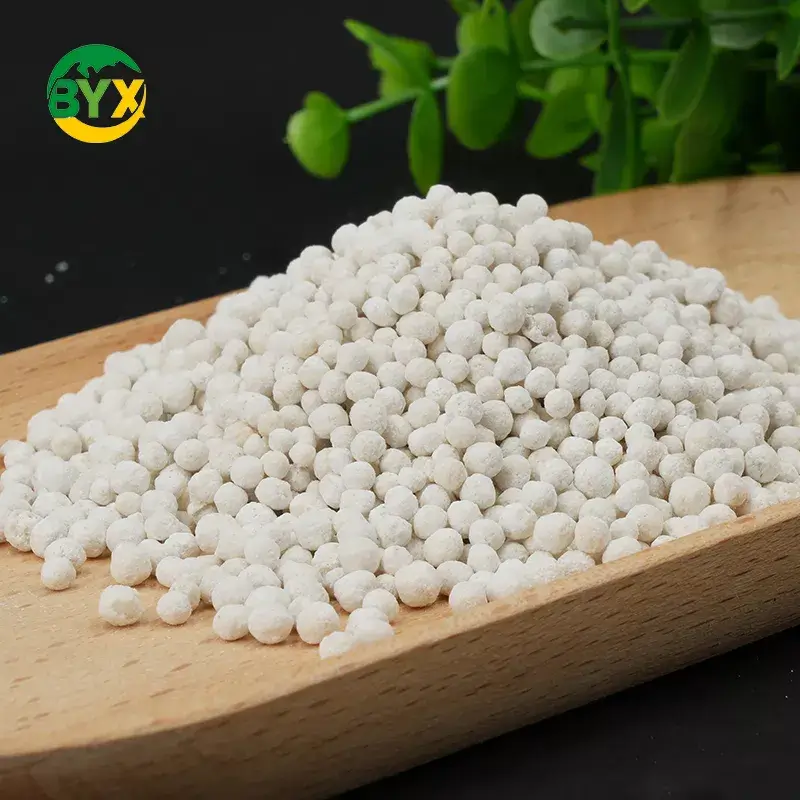
Description
Products Description:
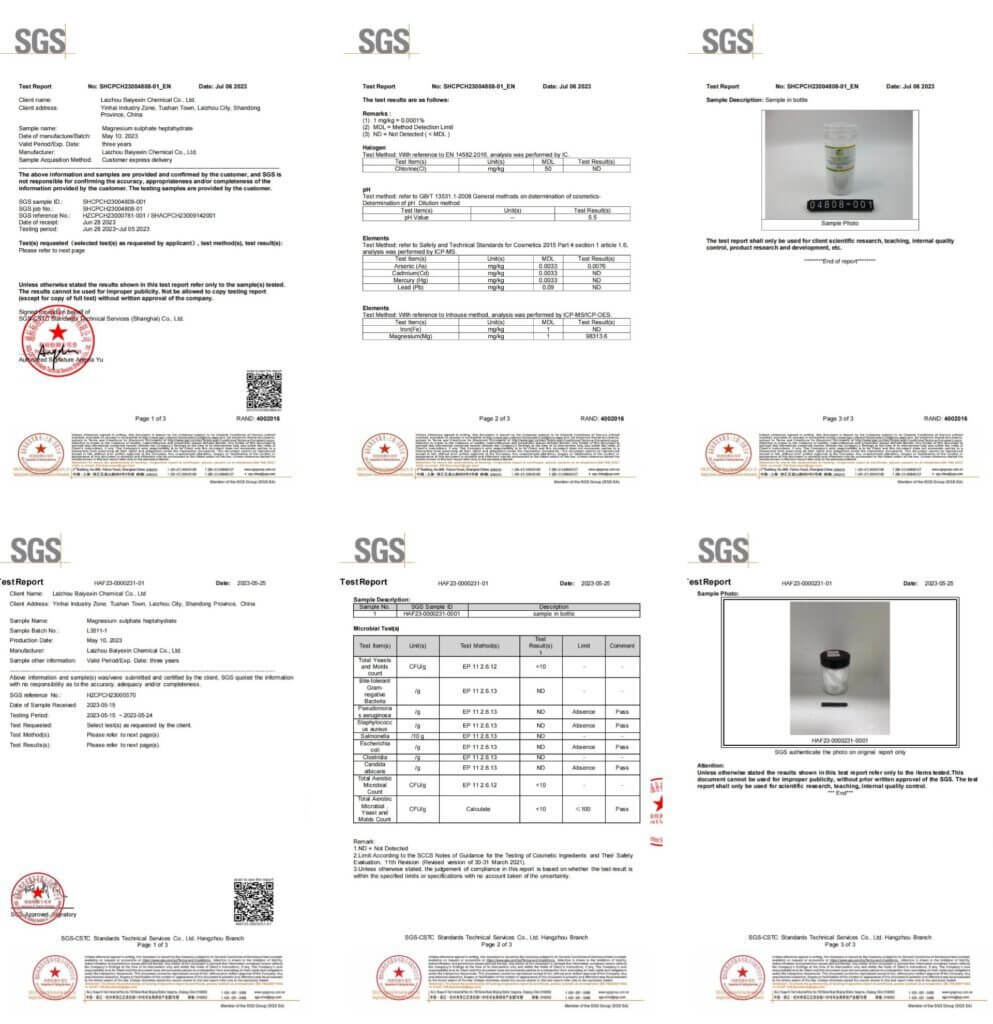
Kieserite Fertilizer Granules Examining Report:
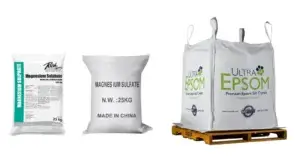
PACKING: 25kg/50kg/1000kg/1250kg
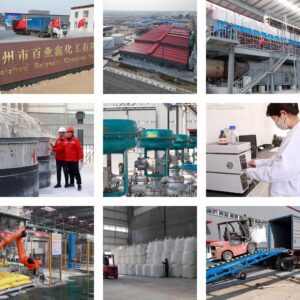
Factory Picture:
As an efficient medium and trace element fertilizer, kieserite fertilizer granules plays an indispensable role in global agricultural production. It can quickly supplement the demand for magnesium (Mg) and sulfur (S) in soil and crops, promote the healthy growth of plants, and improve crop yield and quality. Based on a comprehensive outline, this article systematically elaborates on the basic information, mechanism of action, application methods, precautions, production processes, classification characteristics, comparison with other fertilizers, market purchase guidelines, packaging specifications, enterprise advantages, special application scenarios, and research progress of kieserite fertilizer granules, concluding with frequently asked questions (FAQs). It particularly focuses on the product characteristics and application advantages of Laizhou Baiyexin kieserite fertilizer granules, a leading brand, to help readers fully master the scientific application of this green fertilizer.
Key Takeaways
- Kieserite fertilizer granules helps plants grow better by giving magnesium and sulfur.
- It makes soil healthier and stronger, helping roots grow and absorb nutrients.
- Farmers can use Kieserite on many crops like grains, fruits, and others.
- Testing soil before using Kieserite helps give plants the right nutrients.
- BAIYEXIN’s Kieserite can be adjusted to fit farmers' specific needs.
I. Basic Information: Core Properties and Classification of Kieserite Fertilizer Granules
Definition and Nomenclature System
- Chinese Names: Kieserite Fertilizer
English Names: Kieserite Fertilizer Magnesium Sulphate Fertilizer, Epsom Salt Fertilizer
Common Aliases: Kieserite Fertilizer Granules,Agricultural-grade Epsom Salt, Sulfur-Magnesium Compound Fertilizer, Water-Soluble Magnesium Fertilizer, Agricultural-grade Magnesium Sulfate Fertilizer, Magnesium Sulfate Trace Element Fertilizer, Food-grade Magnesium Sulfate Fertilizer (if applicable for fertilizer use), Fertilizer-grade Magnesium Sulfate Fertilizer, Crystalline Magnesium Sulfate Fertilizer, Magnesium Sulfate Fertilizer Powder, Liquid Magnesium Sulfate Fertilizer, Granular Magnesium Sulfate Fertilizer, Water-Soluble Magnesium Sulfate Fertilizer, Chelated Magnesium Sulfate Fertilizer, Compound Magnesium Sulfate Fertilizer - Kieserite Fertilizer Granules Key Physicochemical Properties
- Common Molecular Formulas: Magnesium sulfate heptahydrate (MgSO₄·7H₂O), Magnesium sulfate monohydrate (MgSO₄·H₂O), Anhydrous magnesium sulfate (MgSO₄)
- Kieserite Fertilizer Granules CAS Numbers:
- Magnesium sulfate heptahydrate: 10034-99-8
- Magnesium sulfate monohydrate: 14168-73-1
- Anhydrous magnesium sulfate: 7487-88-9
- Kieserite Fertilizer Granules HS/HSN Code: Global HS Code: 28332100
- Appearance:
- Heptahydrate: Needle-like crystals
- Monohydrate/Anhydrous: White powder/fine crystals
- Color: White
- Sulfur Content:
- Heptahydrate: ≥13%
- Monohydrate: ≥22.5%
- Anhydrous: ≥26.6%
- Magnesium Content:
- Heptahydrate: Mg ≥9.8%, S ≥13%
- Monohydrate: Mg ≥17.2%, S ≥22.5%
- Anhydrous: Mg ≥19.6%, S ≥26.6%
- GST Rates: 12% in India (preferential rate for agricultural products), 5% in Pakistan, 16% in Kenya (adjusted according to local agricultural policies)
- Solubility: Easily soluble in water, slightly soluble in ethanol, glycerol, and ether, but insoluble in acetone
- Hygroscopicity: Magnesium sulfate heptahydrate has strong hygroscopicity and is prone to caking during storage; monohydrate and anhydrous magnesium sulfate have better stability and lower hygroscopicity.
- Stability: Not easily decomposed at room temperature; anhydrous/monohydrate forms have strong stability (no caking when relative humidity <70%); heptahydrate has strong hygroscopicity (prone to caking when humidity >60%).
- pH Value: 5.0-7.0
- Core Components and Fertilizer Classification
The core nutrients of kieserite fertilizer granules are magnesium (Mg) and sulfur (S), both of which are essential secondary elements for crop growth. Magnesium is the core component of chlorophyll molecules and participates in photosynthesis and enzyme activation; sulfur is a key element in amino acid and protein synthesis. Agricultural-grade kieserite fertilizer granules usually does not contain other intentionally added trace elements, but may contain very small amounts of naturally associated minerals.
| Fertilizer Type | Core Differences | Applicable Scenarios |
|---|---|---|
| Single-element fertilizers (e.g., zinc sulfate) | Contains only one nutrient | Soils with single nutrient deficiency |
| Compound fertilizers (e.g., NPK) | Mainly contains macro-elements; medium/trace elements as supplements | Crop growth stages requiring comprehensive nutrition |
| Magnesium sulfate fertilizer | Specifically supplements Mg + S; high water solubility | Mg/S-deficient soils; emergency topdressing |
| Hydration State | Mg Content | Hygroscopicity | Dissolution Rate | Applicable Application Methods | Cost (RMB/ton) |
|---|---|---|---|---|---|
| Magnesium sulfate heptahydrate | 0.098 | Strong | Medium | Soil base application, fertigation | 500-700 |
| Magnesium sulfate monohydrate | 0.172 | Moderate | Fast | Granular fertilizer raw material, drip irrigation | 1500-2500 |
| Anhydrous magnesium sulfate | 0.196 | Relatively strong | Extremely fast | Foliar spraying, liquid fertilizer formulation | 1800-2800 |
II. Kieserite Fertilizer Granules Functions and Efficacy: From Crop Physiology to Actual Yield Improvement
1. Core Functions: Addressing Key Issues in Crop Growth
- Nutrient Supplementation: Magnesium participates in chlorophyll synthesis (accounting for 2.7% of chlorophyll molecular weight) and corrects "interveinal chlorosis" (symptoms first appear on old leaves); sulfur promotes protein synthesis and improves "stunted plant growth and leaf chlorosis" in crops.
- Physiological Regulation: Activates over 300 enzymes (e.g., phosphokinase), accelerates carbohydrate transport (e.g., sucrose accumulation in sugarcane); enhances photosynthetic efficiency, increasing leaf photosynthetic rate by 20%-30%.
- Stress Resistance Enhancement: Improves crop drought resistance (promotes root water absorption) and disease resistance (e.g., reduces potato late blight incidence by 15%-20%).
2. Indirect Auxiliary Effects: Improving Both Quality and Yield
- Yield Improvement: Applying 15kg/mu of magnesium sulfate heptahydrate as base fertilizer to sugarcane increases yield by 10%-12%; spraying 1% magnesium sulfate solution on grapes during flowering increases fruit set rate by 18%.
- Quality Enhancement: After application to citrus, vitamin C content increases by 12%-15%, and soluble solids increase by 1-2 percentage points; rapeseed oil content increases by 5%-8%.
- Fertilizer Synergy: When used with nitrogen and phosphorus fertilizers, the absorption rate of N and P increases by 15%-20% (reducing nutrient loss).
3. Kieserite Fertilizer Granules Applicable Crops and Soils: Targeted Matching
- Fruit Trees: Citrus, grapes, apples, bananas, sugarcane
- Cash Crops: Sugarcane, tobacco, rubber, tea, betel nut, roses
- Vegetables: Tomatoes, potatoes, peppers, cucumbers, rapeseed, cabbage
- Field Crops: Potatoes, corn, rice, lawns, cotton
- Acidic Red Soils: Supplement leached magnesium and adjust pH.
- Sandy Soils: Poor nutrient retention; require regular topdressing (to avoid magnesium leaching).
- Soils with Long-term High-concentration Compound Fertilizer Application: Balance nutrients and prevent magnesium imbalance.
4. Kieserite Fertilizer Granules Improving Nutrient Deficiency Symptoms
- Magnesium Deficiency Symptoms: Chlorosis between veins of old leaves, reticular veins, and leaf necrosis in severe cases.
- Sulfur Deficiency Symptoms: Stunted plants, curled and brittle leaves, delayed flowering.
- When cotton is deficient in magnesium, chlorosis occurs between veins of old leaves, but veins remain green.
- Rice plants turn yellow without height reduction; middle and lower leaves tilt downward, with interveinal chlorosis.
- Potato lower leaves become brittle, curl toward the leaf surface, and leaf edges of old leaves turn chlorotic.
- Rapid Supplementation: Magnesium is absorbed by leaves within 1-2 hours of foliar spraying; chlorotic areas begin to turn green in 2-3 days.
- Soil Remediation: Base application of magnesium sulfate reduces soil aluminum toxicity (in acidic soils); exchangeable magnesium content increases to over 50mg/kg (suitable level).
III. Kieserite Fertilizer Granules Agricultural Applications: Precise Application Schemes
1. Kieserite Fertilizer Granules Application Methods
- Base Fertilizer: Apply 10-15kg of magnesium sulfate per mu before plowing, mixed with organic fertilizer for broadcasting.
- Topdressing: Apply 10-13kg of magnesium sulfate per mu during the growing period, via fertigation; apply 250-500g per fruit tree.
- Foliar Spraying: Use a concentration of 0.5%-1% for fruit trees, 0.2%-0.5% for vegetables, and 0.3%-0.8% for food crops; spray 50-150kg of solution per mu, with an interval of 7-10 days between sprays.
- Drip Irrigation Fertilization: Dissolve in irrigation systems, suitable for high-value crops such as greenhouse vegetables and strawberries.
2. Kieserite Fertilizer Granules Applicable Periods and Dosages
- Lawns: Apply 5-8kg of magnesium sulfate per mu during the growing period, via fertigation.
- Betel Nut: Apply 200-300g of magnesium sulfate per tree during the fruiting period, mixed with organic fertilizer.
- Sugarcane: Apply 15-20kg of magnesium sulfate per mu during the tillering stage as base fertilizer.
- Food Crops: Apply 8-10kg of magnesium sulfate per mu during the seedling stage as topdressing.
- Cash Crops: Apply 12-15kg of magnesium sulfate per mu during the flowering and fruiting period, supplemented with foliar spraying.
- Fruits and Vegetables: Apply 10-13kg of magnesium sulfate per mu during the fruiting period, combined with foliar spraying.
3. Kieserite Fertilizer Granules Dilution Ratios and Frequencies
- Foliar Spraying: Dilute 1000-1500 times, spray once every 7-14 days; for severe nutrient deficiency, dilute 800-1200 times and spray once every 7-10 days.
- Soil Irrigation: Dilute 800-1200 times, irrigate once every 7-14 days.
4. Precautions
- Compatibility: Avoid mixing with phosphorus fertilizers and alkaline fertilizers (e.g., lime, plant ash) to prevent precipitation or reduced fertilizer efficiency.
- Application Timing: Spray in the morning or evening on sunny days, avoiding high-temperature periods; apply base fertilizer before plowing and topdressing early.
5. Application Cases: Betel Nut and Tea
- Betel Nut Orchards: Spray 0.8% magnesium sulfate heptahydrate solution on adult trees during flowering, combined with 1kg/tree base application; reduces fruit drop rate by 22% and increases yield per tree by 15%.
- Tea Gardens: Apply 0.2% magnesium sulfate monohydrate via fertigation before spring tea; increases tea amino acid content by 8% and reduces tea polyphenol content by 5% (improving taste).
IV. Precautions: Safe and Efficient Use of Kieserite Fertilizer Granules
1. Compatibility Taboos
- Phosphates (superphosphate, potassium dihydrogen phosphate): Form magnesium phosphate precipitates, reducing fertilizer efficiency.
- Strongly Alkaline Pesticides (Bordeaux mixture, lime-sulfur mixture): Destroy pesticide structure and cause phytotoxicity.
- High-concentration Calcium Fertilizers (calcium nitrate): Compete for absorption, reducing magnesium absorption rate by 30%.
- Follow the order of "dilute first, then mix".
- Use immediately after mixing; do not store for a long time to avoid precipitation or reduced efficacy.
- Conduct a small-scale test before first mixing to ensure no precipitation or efficacy reduction.
- Can be mixed with nitrogen and potassium fertilizers for better results.
2. Hazards of Over-application and Remedies
- Hazard Manifestations:
- Crops: Root browning, leaf edge scorching (seedling burning).
- Soil: EC value >2.5mS/cm (soil salinization), damage to soil aggregate structure.
- Methods to Judge Over-application:
- Crop Performance: New leaf yellowing, growth stagnation, root browning.
- Soil Testing: Soil EC value exceeds 2.5 mS/cm, or excessive exchangeable magnesium content.
- Remedial Measures:
- Stop applying magnesium-containing fertilizers.
- Leach soil with large amounts of water (50-80m³ of water per mu) to reduce salt concentration.
- Apply organic fertilizer (1000kg/mu) or bio-fertilizer to improve soil structure.
- Spray 0.3% amino acid solution on leaves to alleviate crop stress.
3. Kieserite Fertilizer Granules Storage Requirements
- Environment Control: Temperature <30℃, relative humidity <60%, well-ventilated and dry.
- Packaging: Ensure sealed packaging to prevent moisture absorption and caking.
- Avoid Heat and Sunlight: Keep away from heat sources and direct sunlight (to prevent loss of crystal water).
- Classified Storage: Store separately from other fertilizers and pesticides.
- Transportation: Avoid rain and severe impact during transportation.
Optimal Matching Schemes
- Organic Fertilizers: Mixed application improves magnesium absorption and utilization while enhancing soil structure.
- Nitrogen and Potassium Fertilizers: Combined with urea, potassium sulfate, etc., to form a balanced fertilization system.
- Trace Element Fertilizers: Combined with trace element fertilizers (e.g., zinc, boron) for synergistic effects.
V. Kieserite Fertilizer Granules Production Process: Quality Control from Raw Materials to Finished Products
Detailed Explanation of Mainstream Production Processes
(1) Natural Bittern Extraction Method
- Raw Material: Bittern after seawater salt production (containing 8%-12% MgSO₄).
- Steps:
- Purification: Add lime milk to remove calcium and iron impurities (adjust pH to 9.0-9.5).
- Concentration: Multi-effect evaporation (temperature 60-70℃, vacuum degree -0.08MPa).
- Crystallization: Magnesium sulfate heptahydrate crystallizes below 32.4℃; magnesium sulfate monohydrate crystallizes between 32.4℃ and 100℃.
- Drying: Hot air drying (temperature 80-90℃, moisture content controlled below 1%).
- Advantages: Natural raw materials, low cost, purity up to 99.5% or higher.
(2) Sulfuric Acid Method (High-purity Product Process) (Core Process of Laizhou Baiyexin)
- Raw Material: Magnesite (MgCO₃ ≥90%) + industrial sulfuric acid (H₂SO₄ ≥98%).
- Reaction Conditions: Temperature 50-60℃, reaction time 2-3 hours, pH controlled at 5.5-6.0.
- Product: Purity ≥99.5% (data from Laizhou Baiyexin), used for food-grade and foliar-spray-grade products.
(3) By-product Recovery Method (Circular Economy)
- Raw Material: By-products from borax production (containing 30%-40% MgSO₄).
- Characteristics: Low cost, but requires strict impurity removal (heavy metals ≤0.001%); suitable for industrial-grade lawn fertilizers.
VI. Classification and Characteristics
Classification by Purity and Purpose
- Agricultural-grade Kieserite Fertilizer Granules: Generally 95-98% pure, the most commonly used type, suitable for various crops and soils with high cost-effectiveness. Key indicators include:
- Magnesium sulfate heptahydrate: Mg ≥9.8%, SO₄²⁻ ≥32%
- Magnesium sulfate monohydrate: Mg ≥16%, SO₄²⁻ ≥56%
- Food-grade Kieserite Fertilizer Granules: ≥99.5% pure with extremely low impurity content, mainly used for high-end fruits/vegetables and organic agriculture. It has advantages in organic-certified crops but is more expensive.
- Industrial-grade Kieserite Fertilizer Granules: 90-95% pure, applicable for forestry and large-area lawn fertilization. It is relatively low-priced but requires compliance with heavy metal content standards.
Classification by Physical Form
- Crystalline Kieserite Fertilizer Granules: Mostly magnesium sulfate heptahydrate, in needle-like or columnar crystals with good fluidity. Suitable for soil base application, moderate hygroscopicity; moisture-proof storage is required.
- Powdered Kieserite Fertilizer Granules: Processed by crushing monohydrate or anhydrous magnesium sulfate, with large surface area and fast dissolution rate. Suitable for foliar spraying and liquid fertilizer production.
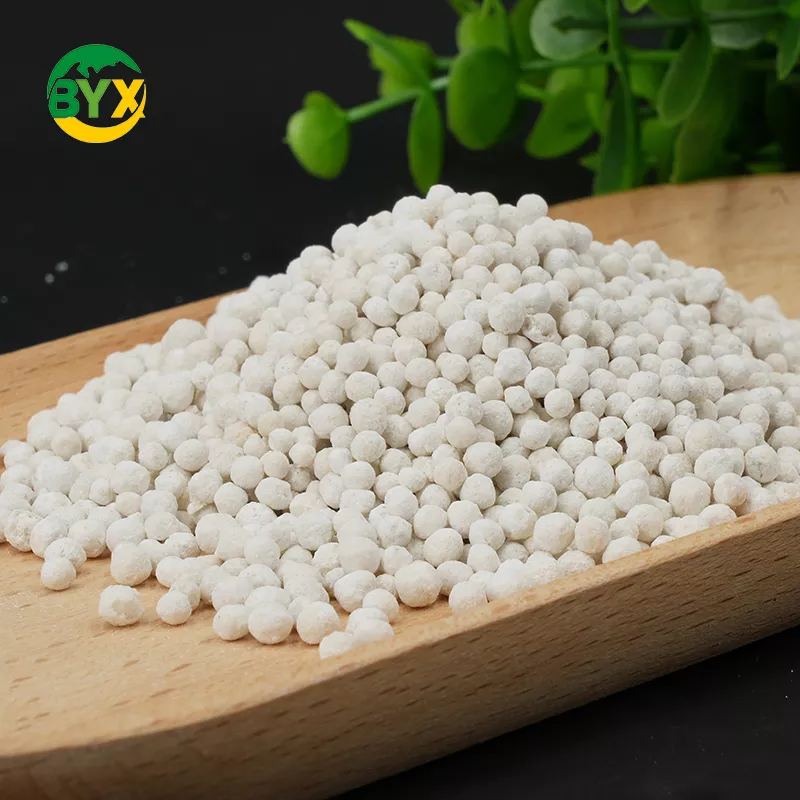
- Granular Kieserite Fertilizer Granules: Produced via granulation, with a particle size of 2-4mm. Suitable for mechanical fertilization, reducing dust, and uniform nutrient release; especially ideal for large-scale planting bases.
- Liquid Kieserite Fertilizer Granules Pre-dissolved aqueous solution with a concentration of 10%-30%, directly applicable for drip irrigation systems or foliar spraying. Easy to use and quickly absorbed.
Special Types of Kieserite Fertilizer Granules
- Chelated Kieserite Fertilizer Granules: Magnesium sulfate combined with chelating agents (e.g., EDTA) for higher stability. Not easily fixed in alkaline soils, with an absorption rate 1.5-2 times that of ordinary magnesium sulfate. Suitable for high-value crops and alkaline soils.
- Compound Kieserite Fertilizer Granules: Compound with other medium/trace elements (e.g., magnesium-sulfur-zinc fertilizer, magnesium-sulfur-boron fertilizer) to meet multiple crop nutrient needs and simplify fertilization procedures.
- Slow-release Kieserite Fertilizer Granules: Adopts coating technology or double-layer structure design, with a nutrient release cycle of 2-3 months. Reduces application frequency and improves utilization rate; especially suitable for fruit trees and perennial crops.
Purity Differences and Selection Basis
- 98% purity: Meets the needs of most field crops and general cash crops, with high cost-effectiveness.
- 99% purity: Suitable for foliar spraying, organic agriculture, and high-value cash crops, with fewer impurities and higher safety.
- Choose 98% purity products for soil base application.
- Recommend ≥99% purity for foliar spraying.
- High-purity products are preferred for saline-alkali soils to reduce the impact of other ions.
- Consider cost for large-scale planting; prioritize purity for intensive planting.
VII. Comparison with Similar Fertilizers
Comparison with Other Magnesium Fertilizers
| Fertilizer Type | Advantages | Disadvantages | Applicable Scenarios |
|---|---|---|---|
| Magnesium sulfate | High water solubility, fast absorption; contains sulfur; wide application range | Long-term large-scale application may acidify soil | Various soils, especially neutral/alkaline soils; emergency topdressing |
| Calcium magnesium phosphate | Contains multiple nutrients (Ca, Mg, P); improves acidic soils | Poor water solubility, slow effect; high phosphorus content | Acidic soils; long-term base application |
| Magnesium nitrate | Provides nitrogen simultaneously; fast-acting | High cost; easy to absorb moisture; nitrogen may cause excessive vegetative growth | Foliar topdressing for vegetables; crops requiring simultaneous N and Mg supplementation |
| Magnesium chloride | High magnesium content; low cost | Contains chlorine, harmful to chlorine-sensitive crops | Non-chlorine-sensitive crops; use with caution in saline-alkali soils |
| Magnesium oxide | High magnesium content; slow-release | Poor water solubility; slow effect | Acidic soils; base application with organic fertilizers |
Comparison with Other Sulfur Fertilizers
- Ammonium Sulfate: Provides both nitrogen and sulfur, but long-term application may acidify soil. Suitable for crops requiring more nitrogen; prone to nitrogen loss in paddy fields.
- Potassium Sulfate: Provides both potassium and sulfur, suitable for potassium-requiring crops but with higher cost. Has obvious advantages in potassium-deficient soils.
- Magnesium Sulfate: Provides both magnesium and sulfur, without nitrogen or potassium. Suitable for scenarios requiring magnesium supplementation or avoiding excessive nitrogen/potassium (e.g., fruit expansion stage of fruit trees, late growth stage of nitrogen-sensitive crops). Its uniqueness lies in correcting both magnesium and sulfur deficiencies simultaneously, with better effects than other sulfur fertilizers in magnesium-deficient soils.
Differences Between Kieserite Fertilizer Granules and Epsom Salt
- Purity Requirements: Epsom salt (medical grade) usually has a purity of ≥99.5% with strict impurity control; agricultural-grade magnesium sulfate only requires 95-99% purity.
- Production Standards: Epsom salt adheres to pharmaceutical standards, while agricultural-grade products follow fertilizer standards.
- Application Scenarios: Epsom salt is mainly used for medical purposes (e.g., laxative, anti-inflammatory), while agricultural magnesium sulfate is only used for crop fertilization.
- Price Difference: The price of Epsom salt is usually 3-5 times that of agricultural-grade magnesium sulfate.
VIII. Market and Purchase Guide
Market Scale and Production Capacity Distribution
- Pakistan: Production capacity of 800,000 tons/year, mainly exported to the Middle East (for cotton planting).
- Kenya: Annual consumption of 100,000 tons, 90% dependent on imports (for tea and coffee fertilization).
- India: Production capacity of 600,000 tons/year, mainly for domestic consumption (fertilizers for sugarcane and betel nut).
Mainstream Brands and Product Differences
- International Brands: Yara (Norway), ICL (Israel), Aries (USA), etc. These brands offer high-purity products with advanced technology and high prices, mainly occupying the high-end market.
- Domestic Brands: Coromandel (India), IFFCO (India), Shouxi (Laizhou, China), etc. These brands have high cost-effectiveness and better adaptability to local soil conditions.
- E-commerce Platform Brands: Regional brands sold through channels such as Indiamart and Vanita Agro, with flexible prices, suitable for small-batch purchases.
Analysis of Mainstream Brands
| Brand | Origin | Product Characteristics | Price Range (Monohydrate/RMB/ton) | Reputation Advantages |
|---|---|---|---|---|
| Laizhou Baiyexin | China | High purity (99.5%) + full product range | 1800-2500 | Cost-effectiveness + advanced technology |
| Yara (Norway) | Norway | High-purity slow-release magnesium fertilizer (99.5%) | 3500-4000 | Advanced technology, high-end market |
| ICL (Israel) | Israel | Chelated magnesium sulfate (EDTA-Mg) | 3200-3800 | Suitable for saline-alkali soils |
| IFFCO | India | High cost-effectiveness (98% purity) | 1900-2200 | Strong local adaptability |
| Maharashtra | India | Granular magnesium sulfate (2-4mm) | 2000-2300 | Friendly for mechanical fertilization |
| Home Depot | USA | Small-pack retail (5kg/25kg) | 2500-2800 (ton price equivalent) | Convenient channels |
| Mahadhan | India | Compound magnesium sulfate (with Zn/B) | 2200-2500 | Suitable for multi-nutrient-deficient soils |
Kieserite Fertilizer Granules Price System: Classified by Specification
| Specification | Price Range | Price per kg | Influencing Factors |
|---|---|---|---|
| 5kg small pack | 15-25 RMB/bag | 3-5 RMB | High packaging cost, retail channels |
| 25kg medium pack | 60-100 RMB/bag | 2.4-4 RMB | Common for farmers, bulk purchase discounts |
| 50kg large pack | 120-200 RMB/bag | 2.4-4 RMB | Purchased by planting bases, low unit cost |
| Bulk (per ton) | 1800-2800 RMB | 1.8-2.8 RMB | Purity (98% vs. 99%), hydration state, transportation distance |
Factors Affecting Price:
- Purity: For every 1% increase in purity, the price rises by approximately 5%-8%.
- Hydration State: Anhydrous > Monohydrate > Heptahydrate.
- Packaging Specification: Large packs have lower unit costs (15%-20% lower than small packs).
- Purchase Quantity: Ton-level purchases are 10%-15% cheaper than retail.
- Regional Differences: Prices are lower near production areas; higher in remote areas due to transportation costs.
Purchase Criteria and Authenticity Identification
- Product Labeling: Clearly mark purity, magnesium content, and production standards (e.g., HG/T 2933-2000).
- Production Qualifications: Check if the manufacturer has a fertilizer production license and inspection report.
- Appearance Quality: High-quality products should have uniform color, no obvious impurities, and regular crystal/powder shape.
- Solubility Test: Dissolve a small amount of the product in water; high-quality magnesium sulfate should dissolve completely without precipitation.
- pH Test: The aqueous solution should be slightly acidic (pH 5.0-7.0).
- Crystal Observation: Magnesium sulfate heptahydrate crystals are needle-like; monohydrate is powdery.
- Label Verification: Check if CAS number and implementation standards are standardized; avoid purchasing unlabeled products.
- Field Crops: Choose 98% purity magnesium sulfate heptahydrate (for base application).
- Foliar Spraying: Choose 99% purity monohydrate/anhydrous magnesium sulfate.
- Local Purchase: Prioritize manufacturers in production areas (e.g., Laizhou Baiyexin) to reduce transportation costs (saving 200-300 RMB per ton in freight).
IX. Advantages of Laizhou Baiyexin Kieserite Fertilizer Granules
Product Characteristics and Core Advantages
- High Purity Guarantee: The main content of Laizhou Baiyexin kieserite fertilizer granules reaches over 99.5%, with stable magnesium content (≥9.8% for heptahydrate, ≥17.2% for monohydrate), far exceeding the industry average. Products undergo strict quality control with low impurity content, ensuring safe absorption by crops.
- Customized Services: Can adjust trace element content according to customer needs (e.g., adding Zn/B to adapt to multi-nutrient-deficient soils).
- Diversified Product Range: The company provides a full range of magnesium sulfate products, including:
Agricultural-grade kieserite fertilizer granules, Crystalline kieserite fertilizer granules, Liquid kieserite fertilizer granules, Fertilizer-grade kieserite fertilizer granules, Powdered kieserite fertilizer granules.
These products meet the needs of different crops and application methods, enabling "one-stop purchasing". - Advanced Production Technology: Relying on abundant local mineral resources in Laizhou, the company adopts an improved extraction process combined with precision filtration and multi-effect evaporation technology. This not only ensures product purity but also improves resource utilization and reduces energy consumption. The production process realizes full automated control to ensure stable and uniform product quality.
Kieserite Fertilizer Granules Packaging Specifications and Material Advantages
- Common Specifications: 5kg (retail for farmers), 25kg (for cooperatives), 50kg (for bases), 1-ton bulk bags (for large-scale purchases), meeting the needs of different planting scales.
- Packaging Materials: Multi-layer composite woven bags, with inner PE film for moisture resistance and outer reinforced woven fabric for tear resistance.
- Special Designs: Equipped with moisture-proof valves and easy-tear openings for convenient storage and use.
- Clear Labeling: Each bag is marked with product specifications, content, application methods, and precautions.
- Moisture resistance improved by 30%, effectively preventing product caking due to moisture absorption.
- Impact and wear resistance, reducing transportation loss rate to below 0.5%.
- Environmentally friendly and recyclable materials, complying with EU RoHS standards.
Corporate Competitiveness: 6 Reasons to Choose Laizhou Baiyexin
- Production Area Advantage: Located in Laizhou (China's core kieserite fertilizer granules production area), with low raw material costs and short supply cycles.
- R&D Strength: The company has a professional R&D team and cooperates with agricultural research institutions to develop magnesium sulfate application technologies suitable for different regions, including special formulas for acidic and saline-alkali soils.
- Strict Quality Control: Each batch of products undergoes 36 tests, with heavy metal content ≤0.0005%, ensuring compliance with GB/T 26568-2011 standards.
- Supply Chain Guarantee: Own logistics team supporting full-load and less-than-truckload transportation, reducing customers' logistics costs.
- Technical Support: Provides professional technical support, including soil testing recommendations, fertilization plan formulation, and nutrient deficiency diagnosis, creating additional value for customers.
- After-sales Response: 24-hour customer service, with product issues resolved within 48 hours (e.g., free return/exchange for caked products).
X. Special Scenarios and Research Progress
Application Precautions in Extreme Environments
Application in Saline-alkali Soils
- Precautions: Saline-alkali soils usually have high magnesium content but low availability; need to be used with soil conditioners.
- Application Plan: Adopt the principle of "small amounts, multiple times"; foliar spraying is recommended (concentration controlled at 0.5-1%); soil application should be combined with conditioners such as gypsum.
- Dosage Adjustment: Reduce dosage by 20%-30% compared with conventional application to avoid exacerbating salinization.
Application in Acidic Soils
- Precautions: Magnesium deficiency is common in acidic soils, but long-term single application should be avoided to prevent excessive pH decline.
- Application Plan: Apply with organic fertilizer and dolomite powder; combine base application with foliar spraying.
- Special Measures: Test soil pH every 2-3 years; suspend application when pH <5.0.
Arid and Rainy Areas
- Arid Areas: Prioritize drip irrigation application to improve utilization rate; avoid fertilization during high-temperature periods.
- Rainy Areas: Increase the proportion of base application and reduce the number of topdressings; choose granular products to reduce leaching loss.
Latest Research Achievements and Technological Improvements
- Slow-release Magnesium Sulfate R&D: Granular magnesium sulfate with a double-layer structure (slow-release layer + nutrient layer) has been developed. The slow-release layer is composed of brucite powder or magnesite powder, which can adjust soil acidity and control nutrient release rate. The validity period is extended to 3-4 months, and utilization rate is increased by over 30%.
- Application of Nano-sized Magnesium Sulfate: Nano-sized magnesium sulfate particles (processed via nanotechnology) have a large surface area, with crop absorption rate increased to over 80% (2-3 times higher than traditional products). Particularly suitable for foliar spraying.
- Functional Compound Magnesium Sulfate: By compounding magnesium sulfate with biostimulants such as humic acid and amino acids, new fertilizers with stress resistance have been developed. Application on crops such as grapes and strawberries can improve cold resistance.
- Precision Application Technology: Intelligent fertilization systems combining soil testing and crop nutrient diagnosis have been developed to realize on-demand precision application of magnesium sulfate, reducing waste and environmental pollution.
Cross-field Application Expansion
Horticulture Field
- Potted Flowers: Used for foliar topdressing of acid-loving flowers (e.g., azaleas, camellias) at a concentration of 0.2-0.5%.
- Garden Trees: Prevents chlorosis in conifers (e.g., pines) via trunk injection or root application.
- Lawn Maintenance: For golf course lawns, spread 5kg/mu of granular magnesium sulfate to maintain green color.
Forestry Application
- Seedling Stage: Add 0.5-1% magnesium sulfate to seedling substrates to promote seedling growth.
- Afforestation Projects: Apply magnesium sulfate as base fertilizer during afforestation of magnesium-deficient areas for crops such as pine and eucalyptus.
- Economic Forests: Spray magnesium sulfate on nut economic forests (e.g., chestnuts, walnuts) during flowering to improve fruit set rate and kernel quality.
XI. Frequently Asked Questions (FAQs)
- What is the use of Kieserite Fertilizer Granules?
Magnesium sulfate fertilizer is mainly used to supplement magnesium and sulfur elements required for crop growth, correct nutrient deficiency symptoms, and improve yield and quality. It can also adjust soil pH, improve soil structure, and enhance the absorption and utilization of other nutrients. - What is the nutrient content of Kieserite Fertilizer Granules?
The nutrient content varies by hydration state:
- Magnesium sulfate heptahydrate: ~9.8% Mg, ~13% S
- Magnesium sulfate monohydrate: ~17.2% Mg, ~22.5% S
- Anhydrous magnesium sulfate: ~19.6% Mg, ~26.6% S
- Can magnesium sulfate be mixed with NPK fertilizers?
Magnesium sulfate can be mixed with nitrogen and potassium fertilizers for better effects. However, it should be avoided to mix directly with phosphorus fertilizers to prevent the formation of insoluble magnesium phosphate precipitates. If simultaneous application is necessary, an interval of 3-5 days is recommended. - Is Kieserite Fertilizer Granules? What type of fertilizer is it?
Yes, magnesium sulfate is an important medium and trace element fertilizer. It belongs to water-soluble fertilizers and can provide two secondary nutrients (magnesium and sulfur) simultaneously. - Is magnesium sulfate a good fertilizer?
Magnesium sulfate is an efficient fertilizer for correcting magnesium and sulfur deficiencies, with significant effects in nutrient-deficient soils and magnesium-requiring crops. However, it should follow the principle of "on-demand application"—not all soils and crops require large-scale application. - How to use magnesium sulfate as a fertilizer?
Select application methods based on crop needs:
- Foliar spraying: 0.5-2% concentration
- Soil base application: 10-25kg per mu
- Drip irrigation: 0.1-0.3% concentration
Priority application is recommended during key growth stages and when nutrient deficiency symptoms appear.
- What is the price of bulk Kieserite Fertilizer Granules?
According to 2025 market prices, bulk magnesium sulfate monohydrate is 1,300-1,800 RMB/ton, and anhydrous magnesium sulfate is 2,000-2,500 RMB/ton. The specific price is affected by purity, origin, and purchase quantity. - What is Epsom salt fertilizer?
Epsom salt is magnesium sulfate heptahydrate. Medical-grade Epsom salt has high purity, while "Epsom salt fertilizer" in agriculture usually refers to agricultural-grade magnesium sulfate heptahydrate. However, the two follow different standards and cannot be confused. - Where to buy Kieserite Fertilizer Granules?
It can be purchased through local agricultural material stores, fertilizer wholesale markets, and agricultural e-commerce platforms (e.g., Indiamart). It is also possible to purchase directly from manufacturers (e.g., Laizhou Baiyexin). For bulk purchases, direct contact with manufacturers is recommended to obtain more preferential prices. - How to judge the quality of Kieserite Fertilizer Granules?
High-quality magnesium sulfate fertilizer should meet the following criteria: uniform color without impurities, complete dissolution without precipitation, clear and standardized labeling, and formal manufacturer information and quality inspection reports. Solubility tests and pH detection can be used for auxiliary judgment.
Kieserite Fertilizer Granules-BAIYEXIN
Baiyexin is the largest Kieserite Fertilizer Granules manufacturer in China, providing Kieserite Fertilizer Granules in various specifications.
Product SKU: BYX20164
Product Brand: BAIYEXIN
Product Currency: USD
Product Price: 80-130
Price Valid Until: 2025-12-31
Product In-Stock: InStock
5
