

Description
Products Description:
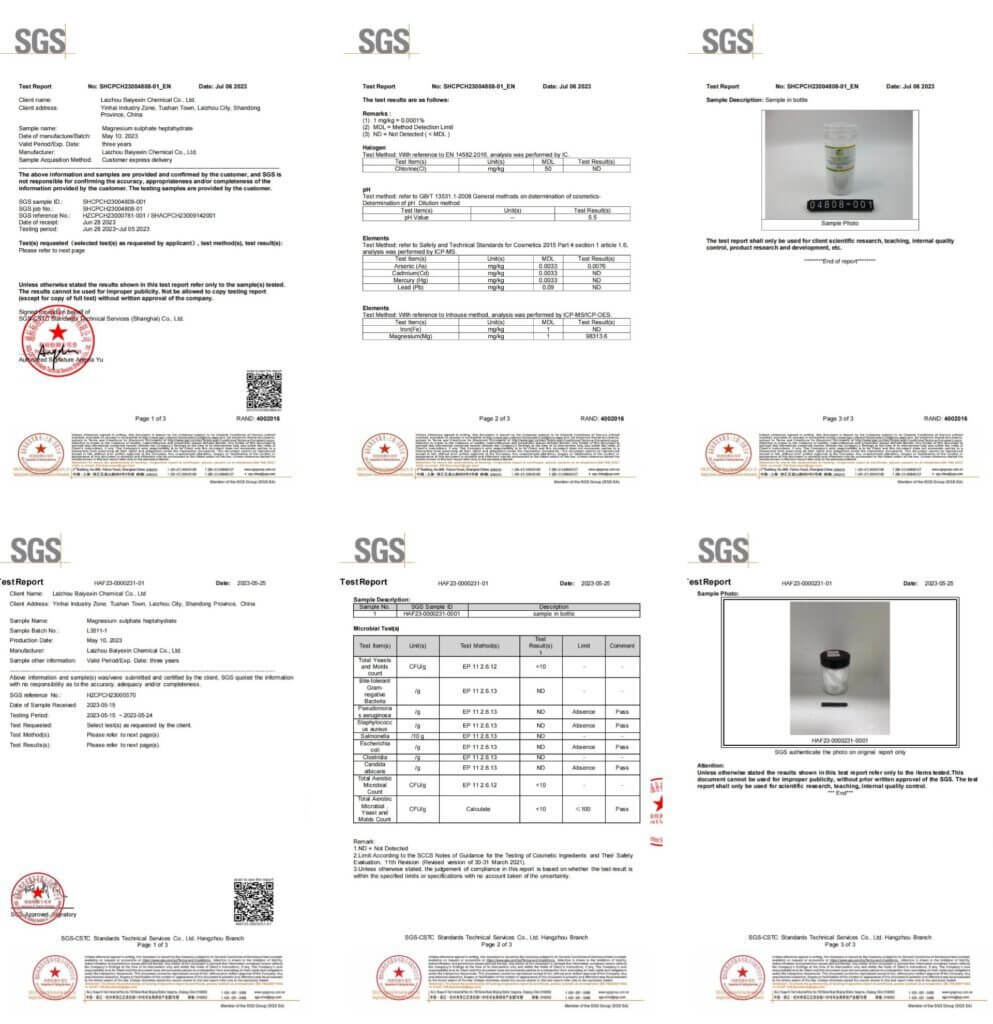
Kieserite Fertilizer Powder Examining Report:
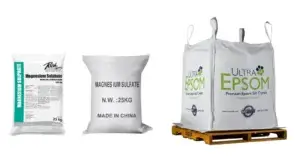
PACKING: 25kg/50kg/jumbo bag
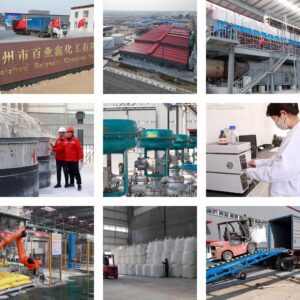
Factory Picture:
The agricultural production of the world depends on kieserite fertilizer powder because it serves as an essential secondary and micronutrient fertilizer. The product provides an immediate solution to agricultural magnesium and sulfur requirements which leads to optimal plant development and increased crop production and better crop quality. The article presents a detailed analysis of kieserite fertilizer powder which covers its basic information, operational process, usage procedures, safety measures, manufacturing methods, different types, fertilizer comparison, market selection, packaging details, business benefits, specific operational situations, and scientific research progress. The evaluation of Laizhou Baiyexin kieserite fertilizer powder product characteristics and its benefits for usage demonstrates to users how to properly apply this environmentally friendly fertilizer.
Key Takeaways
- Kieserite fertilizer powder helps plants grow better by giving magnesium and sulfur.
- The product improves soil health, which enables roots to grow and absorb nutrition from the ground.
- Farmers can use Kieserite fertilizer powderon many crops like grains, fruits, and others.
- Soil testing before applying Kieserite fertilizer powder enables farmers to deliver proper nutritional needs to their plants.
- BAIYEXIN’s Kieserite can be adjusted to fit farmers' specific needs.
Benefits of Kieserite Fertilizer Powder
I. Fundamental Information: Core Attributes and Classification of Kieserite Fertilizer Powder
1. Definitions and Nomenclature
- Chinese Name: Kieserite Fertilizer Powder
- English Names: Magnesium Sulphate Fertilizer, Epsom Salt Fertilizer
- Common Aliases: Agricultural-grade Epsom salt, sulfur-magnesium compound fertilizer, water-soluble magnesium fertilizer, agricultural-grade magnesium sulfate fertilizer, magnesium sulfate micronutrient fertilizer, food-grade magnesium sulfate fertilizer (if applicable for fertilizers), fertilizer-grade magnesium sulfate fertilizer, crystalline magnesium sulfate fertilizer, magnesium sulfate powder, liquid magnesium sulfate fertilizer, magnesium sulfate granular fertilizer, magnesium sulfate water-soluble fertilizer, chelated magnesium sulfate fertilizer, compound magnesium sulfate fertilizer.
2. Key Physicochemical Properties
- Kieserite Fertilizer Powder Molecular Formulas: The chemical formula for magnesium sulfate heptahydrate is represented as MgSO₄·7H₂O while magnesium sulfate monohydrate has the formula MgSO₄·H₂O and anhydrous magnesium sulfate is represented as MgSO₄.
- Kieserite Fertilizer Powder CAS Numbers: The CAS number for magnesium sulfate heptahydrate is 10034-99-8 and the CAS number for magnesium sulfate monohydrate is 14168-73-1 while the CAS number for anhydrous magnesium sulfate is 7487-88-9.
- Kieserite Fertilizer Powder HS/HSN Codes: The product has a Global HS Code which is 28332100.
- Appearance: Heptahydrate: needle-like crystals; Monohydrate/Anhydrous: white powder/fine crystals.
- Kieserite Fertilizer Powder Color: White.
- Sulfur Content: Heptahydrate sulfur has a minimum requirement of 13% while Monohydrate sulfur needs to reach 22.5% and Anhydrous sulfur must achieve 26.6% content.
- Magnesium Content:Heptahydrate magnesium needs to reach 9.8% and sulfur must meet 13% requirement while Monohydrate magnesium needs to achieve 17.2% and sulfur must reach 22.5% standard and Anhydrous magnesium needs to meet 19.6% requirement and sulfur must achieve 26.6% standard.
- GST Rates: India charges a 12% preferential rate for agricultural supplies while Pakistan charges 5% and Kenya charges 16% which changes according to local agricultural rules.
- Kieserite Fertilizer Powder Solubility: The substance dissolves easily in water and displays slight solubility in ethanol and glycerol and ether while it remains completely insoluble in acetone.
- Kieserite Fertilizer Powder Hygroscopicity: Heptahydrate magnesium sulfate exhibits extreme hygroscopic properties which lead to caking problems during storage while monohydrate and anhydrous magnesium sulfate maintain better stability through reduced hygroscopicity.
- Kieserite Fertilizer Powder Stability: The substance remains stable because it does not decompose at room temperature and its anhydrous and monohydrate forms maintain stability because they do not cake at humidity levels below 70% while the heptahydrate form exhibits high hygroscopicity which leads to caking when humidity exceeds 60%.
- Kieserite Fertilizer Powder pH Value: The pH range of this substance extends from 5.0 to 7.0.
3. Core Components and Fertilzer Classification
The primary nutrients present in Kieserite Fertilizer Powder consist of magnesium (Mg) and sulfur (S), which serve as essential secondary nutrients required for successful crop development. Chlorophyll molecules require magnesium as their main element, which enables photosynthesis and enzyme activation. The essential amino acids for protein creation require sulfur as their fundamental building block. Agricultural-grade Kieserite Fertilizer Powder typically does not contain other intentionally added micronutrients but may contain trace amounts of naturally occurring associated minerals.
The classification system for fertilizers includes Kieserite Fertilizer Powder as a secondary and micronutrient fertilizer. The product delivers two essential nutrients magnesium and sulfur to users at the same time which makes it different from single-nutrient fertilizers that contain only one nutrient. The specialized nutrient composition of this product, which excludes macronutrients (nitrogen, phosphorus, and potassium), functions as a secondary fertilizer for agricultural applications. The fundamental function of this element establishes its value as an essential component for maintaining proper fertilizer distribution in agricultural fields.
Fertilizer Classification: Secondary and Micronutrient Fertilizer
Differences Between Kieserite Fertilizer Powder And Similar Fertilizers:
| Fertilizer Type | Core Differences | Applicable Scenarios |
|---|---|---|
| Single-nutrient fertilizers (e.g., zinc sulfate) | The nutrient composition includes only one nutrient. | Single nutrient deficient soils. |
| Compound fertilizers (e.g., NPK fertilizers) | The system contains primary macronutrients which it supplements with secondary and micronutrients. | Growth stages needing whole nutrient complex. |
| Kieserite Fertilizer Powder | The product contains Mg+S as the magnesium and sulfur supplements which dissolve completely in water. | Soils deficient in magnesium/sulfur, emergency top-dressing. |
Comparison of Kieserite Fertilizer Powder with Different Hydration States:
| Hydration State | Magnesium Content | Hygroscopicity | Dissolution Rate | Applicable Application Methods | Cost (per ton) |
|---|---|---|---|---|---|
| Heptahydrate | 0.098 | Strong | Moderate | Soil basal application, flushing | 500-700 yuan |
| Monohydrate | 0.172 | Moderate | Fast | Granular fertilizer raw material, drip irrigation | 1500-2500 yuan |
| Anhydrous | 0.196 | Relatively strong | Extremely fast | Foliar spraying, liquid fertilizer formulations | 1800-2800 yuan |
II. Functions and Efficacy: From Crop Physiology to Practical Yield Increases
1. Kieserite Fertilizer Powder Core Functions: Addressing Key Crop Growth Issues
- Nutrient Supplementation: Magnesium functions as a vital component for chlorophyll synthesis which produces 2.7% of chlorophyll molecule weight and it helps to treat "interveinal chlorosis" which first shows symptoms on older leaves. Sulfur contributes to protein creation which results in better plant growth and leaf color recovery from "stunted plant growth and leaf chlorosis."
- Physiological Regulation: The system activates more than 300 different enzymes which include phosphokinase to facilitate faster movement of carbohydrates that includes sucrose which accumulates in sugarcane. The system increases leaf photosynthetic efficiency through a 20% to 30% boost in leaf photosynthetic capacity.
- Stress Resistance Enhancement: The method boosts crops' ability to endure drought through better root water collection and it enhances their protection against diseases which includes decreasing late blight occurrence in potatoes by 15% to 20%.
2. Indirect Auxiliary Effects: Dual Improvement in Quality and Yield
- Yield Enhancement: The application of 15 kg/mu kieserite fertilizer powder through basal application in sugarcane results in a yield increase between 10% and 12% while the application of a 1% solution through foliar spraying during grape flowering leads to an 18% increase in fruit set.
- Quality Improvement: The application of this substance to citrus trees results in a 12% to 15% increase in vitamin C content and a 1-2 percentage point increase in soluble solids while rapeseed oil content increases by 5%-8% through this method.
- Fertilzer Synergy: The joint application of nitrogen and phosphorus fertilizers with this product results in a 15%-20% increase in nitrogen and phosphorus absorption which decreases nutrient loss.
3. Kieserite Fertile Powder Suitable Crops and Soils: Targeted Odds.
- Fruit Trees: Citrus, grapes, apples, bananas, sugarcane.
- Cash Crops: Sugarcane, tobacco, rubber, tea, areca nut, roses.
- Vegetables: Tomatoes, potatoes, peppers, cucumbers, tomatoes, rapeseed, cabbage.
- Field Crops: Potatoes, corn, rice, lawns, cotton.
Suitable Soil Types:
- Acidic Red Soils: The soil restores magnesium that leaching has taken away and it controls its pH level.
- Sandy Soils: The soil needs constant fertilizer application because it cannot hold fertilizers effectively which results in magnesium loss.
- Soils with Long-term Application of High-Concentration Compound Fertilizers: The system maintains nutrient balance while protecting against magnesium deficiency through their controlled use.
4. Alleviating Nutrient Deficiency Symptoms
- Magnesium Deficiency Symptoms: The older leaves show interveinal chlorosis which creates a reticulate pattern and advanced cases lead to leaf necrosis.
- Sulfur Deficiency Symptoms: The plant shows stunted growth with its leaves displaying a curled and hard brittle condition while flowering occurs later than normal.
Magnesium deficiency causes cotton plants to develop interveinal chlorosis which affects their older leaves while their veins maintain green color. Rice plants show yellowing without height increase while their middle and lower leaves tilt downward and interveinal chlorosis develops. The lower leaves of potatoes become brittle because they curl towards the leaf surface while older leaves show chlorosis at their leaf margins.
The deficiency symptoms can be effectively treated through Kieserite Fertilizer Powder supplementation which provides essential nutrients for correction.
- Rapid Supplementation: Magnesium gets absorbed through leaf surfaces within 1-2 hours after foliar spraying and chlorotic regions start turning green after 2-3 days.
- Soil Remediation: The basal magnesium sulfate application decreases soil aluminum toxicity in acidic soils while raising exchangeable magnesium levels to above 50 mg/kg which is an acceptable range.
III. Kieserite Fertilizer Powder Agricultural Applications: Precision Application Strategies
1. Application Methods
- Basal Fertilization: Apply 10-15 kg of magnesium sulfate per mu before plowing because the material needs to be mixed with organic fertilizer for broadcasting purposes.
- Top Dressing:Apply 10-13 kg of magnesium sulfate per mu during the growth stage which requires irrigation water flushing;250-500 g for each fruit tree.
- Foliar Spraying: Concentration of 0.5%-1% for fruit trees, 0.2%-0.5% for vegetables, 0.3%-0.8% for grain crops; spray 50-150 kg of solution per mu, with an interval of 7-10 days between applications.
- Drip Irrigation Fertilization: The system enables fertilizer dissolution through irrigation systems which benefits high-value-added crops that include greenhouse vegetables and strawberries.
2. Kieserite Fertilizer Powder Applicable Stages and Dosages
- Lawns: Apply 5-8 kg of kieserite fertilizer powder per mu during the growth stage, flushed with irrigation water.
- Areca Nut: Apply 200-300 g of kieserite fertilizer powder per tree during the fruiting stage, mixed with organic fertilizer.
- Sugarcane: Apply 15-20 kg of kieserite fertilizer powder per mu during the tillering stage as basal fertilizer.
- Grain Crops: Apply 8-10 kg of kieserite fertilizer powder per mu during the seedling stage as top dressing.
- Cash Crops: Apply 12-15 kg of kieserite fertilizer powder per mu during the flowering and fruiting stages, supplemented by foliar spraying.
- Fruit and Vegetable Crops: Apply 10-13 kg of kieserite fertilizer powder per mu during the fruiting stage, combined with foliar spraying.
3. Kieserite Fertilizer Powder Dilution Ratios and Frequencies
- Foliar Spraying: We should add this formulation in water and dilute it around 1000-1500 times along with twice a week (7-14 days) application or in absence of nutrients deficiency 800-1200 times water dilution within a week to two weeks.
- Soil Irrigation: With dilution of 800-1200 times, watering can be repeated every 7-14 days.
4. Precautions
- Compatibility: Fertilizers containing phosphate and alkaline solutions such as lime or wood ash should not be combined because it will result in a precipitate and therefore, effectiveness of the fertilction will decline.
- Application Timing: Sophisticating spraying should take place in morning and evenings when warm, spraying should not be done during the heat waves; fertilizers for the base of the plants should be applied prior to tilling the land and those meant to be top dressed should be applied later.
5. Application Case Studies: Areca Nut and Tea Plantation Examples
- Areca Nut Plantation: Application of 0.8% kieserite fertilizer powder on flowering ferns of grown-up trees and addition of 1 kg of it per tree in the basal soil helps in reducing the number of fruits shedding by 22% and enhances the output per tree by 15%.
- Tea Plantation: Before plucking of tea in spring, applying kieserite fertilizer powder solution in 0.2 percent solution aids in raising the amino acids in the tea by 8% and decreases the polyphenolic compounds of tea extraction by 5% or in other words enhances its qualities.
IV. Precautions: Safe and Efficient Use of Kieserite Fertilizer Powder
1. Mixing Prohibitions
- Phosphates (e.g. superphosphate, potassium dihydrogen phosphate): React to form magnesium phosphate precipitates and result in a reduction of fertiliser efficiency
- Basic pesticides (Bordeaux mixture, lime sulphur): Destroy the structural integrity of the pesticide, leading to occupational toxicity.
- The amount of calcium-containing fertilizer is equally large (e.g. calcium nitrate): The content of competing target and affects process of absorption by 30% -disturbs the absorption of magnesium –rate by increasing endo-uptake is observed reduced(mt)
Safe Mixing: Potassium sulfate (1:5 ratio) may be used immediately, with urea (1:10 ratio) for mixing.
How to properly Mix Fertilizers:
- Follow the order for how the percentages work which is “dilute first, then mix.”
- Working with the product once it has been mixed is not advised, such mixtures are always prone to precipitation, or a decrease in capacity.
- It is usually preferable to conduct a bench scale test to evaluate the effect of precipitation and reduction of performance before any mixing process commences.
- Usually, the substance must be premixed with nitrogen and potassium fertilizers for the purpose of enhancing outcomes.
2. Hazards of Overapplication and Remediation Measures
- Hazard Manifestations:
- Crops: Such symptoms are, for example, the browning of the roots and, even more often, the burning of the tips of the leaves.
- Soil: Electrical conductivity higher than 2.5 mS/cm which indicates saline soils, and hence losses in structure stability.
- Methods for Judging Overapplication:
- Crop Symptoms: New leaves become yellow, growth stops, roots become brown.
- Soil Testing: The soil has an EC value above 2.5 mS/cm, and it has very high levels of exchangeable magnesium.
- Remediation Measures:
- Steer clear of the temptation to use fertilizers with traces of magnesium.
- Excessively moist soils in inadequately prepared soils (50–80 m³/mu) could be leached easily for desalination purpose especially when salts occur in high concentration.
- Under conditions of a less destructed soil, apply 1000 kg/mu of an organic fertilizer or a biological bacterial fertilizer to chaperon the fertility condition of the soil and help much in alleviating soil structural issues.
- ALso use 0.3% amino acid solution along with the spray directly to the leaves. This step can help in recovering the plant from stress inflicted on it.
3. Storage Condition Requirements
Storage of kieserite fertilizer powder requires attention to the following points:
- Environmental Control: There should be temperature regulation such that it is kept below 30°C and moisture control such that relative humidity is below 60%, ensuring the area has good circulation and is dry.
- Packaging: To achieve this, tightly seal the packaging so that the contents do not undergo moistening nor caking.
- **Keep away from heat sources and the sun, in particular, the light in order to avoid loss of intrinsic water in the crystals.
- Storing the substances with other fertilizers and their respective pesticides is not recommended.
- Refrain from exposing them to rain as well as harsh handling while shipping them.
Potential Issues from Improper Storage: After water absorption, kieserite fertilizer powder tends to cake enhancing difficulty in application; exposure to humidity for prolonged periods can result in loss of the nutrients; storage with basic materials can lead to chemical decomposition and overall effectiveness of the fertilizer is compromised.
4. Optimal Combination Strategies
Kieserite Fertilizer Powder is more beneficial when other fertilizers are used with it in the following practical instances:
- Organic Fertilizers: Increase the vegetation nutrients uptake and efficiency including magnesium as this type of enhance the soil structure.
- Nitrogen and Potassium Fertilizers: Incorporate these with urea and potassium sulfate for a balanced fertilization system.
- Micronutrient Fertilizers: Interaction effect of soil zinc and boron micronutrient fertilizers.
When considering commerical crops such as citrus of grapes, incorporating a nutrient plan utilizing “organic, NPK and kieserite fertilizer powder supplemented with urea” has a higher level of increase in yield and quality; concerning food crops, four nutrients “urea, diammonium phosphate, map and kieserite fertilizer powder” can satisfy the nutrition demand effectively.
V. Kieserite Fertilizer Powder Manufacturing: From Raw Materials to Ready Goods’ Quality Control ProcessesNECTION
Mainstream Production Processes
(1) Natural Bittern Extraction Method
- Raw Materials: Bittern with an 8%–12% MgSO₄ concentration after the process of extracting salt from seawater.
- Steps:
- Purification: Calcium and Iron are removed by adding a calcium hydroxide solution (lime milk pH is raised to 9.0–9.5).
- Concentration: Application of multi-effect evaporators (T: 60°-70°C, P: – 0.08 MPa).
- Crystallization: At below 32.4°C, the compound forms heptahydrate and in the range 32.4 ^0 C to 100^oC, the compound forms monohydrate.
- Drying: Hot air drier (temperature range 80-90°C, moisture content less than 1%) is used.
- Advantages: Use of available in nature raw materials, which are less expensive and with purity exceeding 99.5%.
(2) Sulfuric Acid Method (High-Purity Product Process) (Core Process of Laizhou Baiyexin)
- Raw Materials: Magnesite (MgCO₃≥90%) plus sulfuric acid (H2S04 ≥98%) in liquid state.
- Reaction Conditions: Temperature during process should be maintained at 50-60°C, period of reaction between 2 to 3 hours, and pH level will be adjusted from 5.5 to 6.0.
- Product: With data from Laizhou Baiyexin, the degree of purity of distinctive marketed focus is more than the publication of 99.5% and is employed for foodgrade and foliar spray purposes.
(3) By-product Recovery Method (Circular Economy)
- Raw Materials: They include by-products obtained in the manufacture of boron and borax (30% - 40% MgSO₄ content).
- Characteristics: Not expensive but needs significant purification (heavy metals should not exceed 0.001%) and is otherwise fit for making lawn fertilizers at an industrial scale.
VI. Classification and Characteristics
This has been widely recognized due to a variety of kieserite fertilizer powders available on the market that can be identified by their purity, form, and use. There are certain types of powders having their unique attributes and intended purposes.
Classification by Purity and Purpose
Agricultural-grade Kieserite Fertilizer Powder: This product mostly comes with a purity range between 95-98% and covers most crops and soil type ranges due to its cost efficiency. The key specifications are following:
- Heptahydrate magnesium sulfate (MgSOsub4.7Hsub2O), which contains about 9.8% of magnesium and approximately 32% of sulfate.
- Monohydrate magnesium sulfate (MgSOsub4. Hsub2O) which contains about 16% of magnesium and approximately 56% of sulfate.
Food-grade Kieserite Fertilizer Powder: The purity is not less than 99.5%, contains minimal impurities and is mostly used for premium fruits and vegetables as well as organic farming. Compared to conventional crops, they are favoured in certified organic crops but significantly more expensive.
Industrial-grade Kieserite Fertilizer Powder: With a purity in the range of 90-95%, this product is designed for forestry fertilization and extensive lawn care and is reasonably priced. Still, the presence of heavy metal must be controlled by specific standards.
Classification by Physical Form
- Crystalline Kieserite Fertilizer Powder: This is essentially magnesium sulfate heptahydrate in the form of needle or column-like crystals characterized by good movement in storage and good for basal soil application. Crystalline magnesium sulphate does not take up too much moisture but needs to be no standard other than this phrase is placed remains protected from moisture.
- Powdered Kieserite Fertilizer Powder: The raw material is magnesium sulfate either in diary or anhydrous form which has been crushed to provide maximum surface exposure thus dissolves very fast so this is ideal for foliar application or liquid fertilizer preparation.
- Granular Kieserite Fertilizer Powder: Granulation is a method for making granular fertilizer and this product has a particular size ranging from 2-4mm in diameter. It is very suitable for mechanical fertilization as it helps in eliminating dust and provides even supply of nutrients especially to large farms.
- Liquid Kieserite Fertilizer Powder: Prepared as a water ready use solution which concentration is conventionally 10-30% that can be applied in irrigation systems or for spraying crops and plants facilitating easy application and absorption.
Special Types of Kieserite Fertilizer Powder
- Chelated Kieserite Fertilizer Powder: This is a magnesium sulfate emulsified with anti-caking agents, such as EDTA, making it more stable and less likely to be fixed in calcareous soils. This means that the rate at which magnesium is taken up can be 1.5-2 times more than the ordinary magnesium sulfate, which is an advantage for crops grown in more alkaline conditions and crops that are high value.
- Compound Kieserite Fertilizer Powder: Additionally, other primary and secondary nutrients may be combined, such as magnesium sulfur zinc fertilizers and magnesium sulfur boron respectively, allowing various nutrients to be provided to the plants and streamlining the process of fertilizing as well.
- Slow-release Kieserite Fertilizer Powder: Applies coating techniques or a two layer structural approach for nutrient release in 2-3 months in order to lessen frequent application and enhance fitting in particular fruiting plant trees and other long-lasting plants.
Purity Differences and Selection Basis
Differences in Application between 98% Purity and 99% Purity Kieserite Fertilizer Powder:
- 98% Purity: This makes it suitable for most field crops and also lucrative crops, with economics that are favorable in high proportions.
- 99% Purity: This is formulated for spraying plane and other leaf, for making cash value crops like organic ones and much secure due to well controlled impurity amounts.
Selection Suggestions:
- Soil Basal Application: Go for products with a purity of 98%.
- Foliar Spraying: Suggest 99% or higher purity products.
- Saline-alkali Soils: The higher purity products should be selectec so that the effect of other ions is minimized.
- Large-scale Planting: Be mindful of cost considerations.
- Precision Planting: Emphasize purity and quality.
VII. Comparison with Similar Fertilizers
Comparing Kieserite as a powder (formulation) to other magnesium and sulfuric fertilizers, it is apparent that kieserite occupies a unique niche and this formulation holds unique advantages compared to similar fertilizers.
Comparison with Other Magnesium Fertilizers
| Fertilizer Type | Advantages | Disadvantages | Applicable Scenarios |
|---|---|---|---|
| Magnesium Sulfate | Excellent water-solubility, also, it is absorbed quickly and is rich in sulfur meaning that it is used widely. | Problems commonly associated with long-term usage of fertilizers include acidification of the soil. | Different, in particular, neuter and alkaline soils; temporary intense fertilization. |
| Calcium-Magnesium Phosphate Fertilizer | Either calcium or magnesium or Phosphorus is present in it, and this includes acidic soil treatment sees the section. | It’s slow to act owing to its poor water solubility; it can also be used on soils with high levels of phosphorus which is a plus. | Acid soils; in particular, organic fertilizers for long-term purposes. |
| Magnesium Nitrate | It also ensures a quick supply of nitrogen in plants as shown. | The product is costly and is liable to absorb moisture even as nitrogen causes excess growth. | Top dressing of vegetables with foliar fertilizers; Plants with a high need for both nitrogen and magnesium. |
| Magnesium Chloride | For example, Japan has some marls of very high content of magnesium within 60m below surface. | It is known that it contains traces of chlorine; thus all crops that are against the use of chloride are likely to be harmed as it will be present in these crops. | Crops not sensitive to chlorides; Some use in saline-alkaline soils. |
| Magnesium Oxide | Possibility of regional expansion from the supply base and procurement of lime raw materials. | It’s slow because of its poor water solubility. | Being acid soils, basal nutrient application and organic fertilizers use. |
The comprehensive advantages of kieserite fertilizer powder lie in its good water solubility (better than calcium-magnesium phosphate fertilizer and magnesium oxide), high safety (better than magnesium chloride), and comprehensive nutrition (better than single magnesium source fertilizers).
Comparison with Other Sulfur Fertilizers
Sulfur content affects the efficiency of magnesium sulfate and other sulfur fertilizers as follows:
- Ammonium Sulfate: Contains nitrogen as well as sulfur, but with time may add more acidity to soil, it is appropriate particularly for growing plants which absorb more nitrogen and it is likely to lose the nitrogen component in the pudded field.
- Potassium Sulfate: An advantageous source of both potassium and sulfur, suitable for crops with high potassium requirements, although the cost is quite high, high potassium agronomy strides in areas that do not have much potassium.
- Magnesium Sulfate: Serves as a source of magnesium and sulfur in the absence of other major elements like nitrogen and potassium, especially useful in cases where there`s need for magnesium without nitrogen and potassium, like enlargement of fruits on trees or at the end of cycles of chloride sensitive plants and the inherent function of this blend is that it tends to mountains existing hygiene of plants in terms of prosperity of chlorine and not over exposure of southern and even northern growing areas, protecting such vegetation even from preservatives employed in active habitations.
Differences between Magnesium Sulfate Fertilzer and Epsom Salt
Epsom salt goes by the chemical name magnesium sulfate heptahydrate however, the agricultural kieserite fertilizer powder differs in a way from medicinal Epsom salt:
- Purity Requirements: The usual standard for the degree of purity in the case of a medical Epsom salt (grade) is more than or equal to 99.5% and there is a strict check for impurities, unlike agricultural-grade magnesium sulfate where the purity ranges between 95% and 99%.
- Production Standards: In the production of Epsom salt that is intended for medical use, such a salt is produced adhering to the pharmaceutical standards. Whereas agricultural-grade Epsom salt is prepared in this study is as a fertilzer.
- Application Scenarios: Medical Epsom salt is mainly (used as) (laxative, anti-inflamation) purposes. On the other hand, agricultural magnesium sulfate has the sole agronomic benefit which is fertilizing the field crops.
- Price Differences: Most of the time, medicine grade Epsom salt is priced at 3-5 times the cost of agricultural-grade magnesium sulfate.
Precautions: One should not replace agricultural kieserite fertiliser powder with medicinal Epsom salt since the latter is too expensive; equally, there is a prohibition in use of medical preparation of agricultural magnesium sulfate.
VIII. Market and Purchase Guide
Market Size and Production Capacity Distribution
There is a noticeable positive increase in the global market of kieserite fertilizer powder, and the Asia-Pacific region is considered the most huge in terms of consumption. The country with the largest advanced production of magnesium sulfate is therefore China, with the industrialised base located in Shandong, Hebei, Jiangsu and Qinghai. Out of these, Laizhou in Shandong is the most pronounced production base due to its large deposits of raw materials. From the two continents, ie. ‘Asia’ in this case, Pakistan, and India on the flip side remain key manufacturers’ hubs while Kenya, an African state, remains largely a biggest such consumer for the crop which is mostly grown in the tropics.
In China, the average production of kieserite fertilizers is estimated to be between 800,000 tons and 1 million tons per year of which approximately 60% consists of agriculture grade fertilizer . This is due to the increasing influence of soil fertilization testing and nutrient fertilizers utilization, resulting to an 8-10% increase in agricultural magnesium sulfate consumption country-wise, which is significant in cash crop growing areas.
Key Countries:
- Pakistan: With an output of 800,000 tons per annum, the focus is on the Middle East where the produce is sent (to the region for growing cotton).
- Kenya: With a consumption of 100,000 tons annually, almost 90% of the fertilizer consumed is imported (which helps grow tea and coffee).
- India: With an installed capacity of 600,000 tons per annum, it is intended for the local market (used in the cultivation of sugarcane and betel nut).
Mainstream Brands and Product Differences
All the present kieserite fertilizers powder plant food brands can be divided constitutionally into two categories: overseas brands and indigenous brands.
- International Brands: Yara (a Norvegian company), ICL (israeli-based), Aries (an American company), etc. - this group of companies is well-known by their outstandingly high levels of purity, their leading technology and their excessive price which is why it targets mostly the top end of the market.
- Domestic Brands: Coromandel from India, IFFCO from India, Shouxi Manufacturer from Laizhou, China etc. focus on high cost efficiency with respect to quality and tolerating the soil types easily.
- E-commerce Platform Brands: Local brands such as through Indiamart and Vanita Agro as channels boast cheaper prices while still allowing small orders.
Most differences between brands come in the following areas: This includes a more stringent possibility of purity control and there are specialization products such as slow release fertilizers in the case of international brands whereas in the case of more conventional products, domestic brands are more price competitive and have better turnaround times for service.
Mainstream Brand Analysis
| Brand | Origin | Product Features | Price Range (Monohydrate/Ton) | Reputation Strengths |
|---|---|---|---|---|
| Laizhou Baiyexin | China | Extremely high purity level of 99.5% combined with an extensive array of products. | 1800-2500 RMB | Powerful and cheap solutions. |
| Yara | Norway | Very pure, prolonged action magnesium fertilizer (99.5%). | 3500-4000 RMB | Futuristic technology, an exquisite clientele. |
| ICL (Israel) | Israel | Magnesium sulfate (EDTA-Mg) chelate. | 3200-3800 RMB | Bet for salty and alkaline lands. |
| IFFCO | India | Available at an affordable price (98% purity). | 1900-2200 RMB | Strongly adapts to a region. |
| Maharashtra | India | Sizes of magnesium sulfate, granulated (2-4mm). | 2000-2300 RMB | Mechanical application of fertilizers. |
| Home Depot | USA | Pack size also available for retail (5kg/25kg). | 2500-2800 RMB (per ton) | It is convenient to feed the hair through the hair channels. |
| Mahadhan | India | Compositeise magnesium sulfate (Zn/B mixed). | 2200-2500 RMB | Suitable for soils that have a number of nutrients weaknesses. |
| Gromor | India | Liquid magnesium sulfate (concentration 30%). | 2800-3200 RMB | It is possible to manage water splitting with a drip nozzle. |
Price System: Segmentation by Specifications
| Specification | Price Range | Price per kg | Influencing Factors |
|---|---|---|---|
| 5kg Small Package | 15-25 RMB/bag | 3-5 RMB | Expensive packaging, seller outlets. |
| 25kg Medium Package | 60-100 RMB/bag | 2.4-4 RMB | Typical for immediate bulk orders usually done by farmers. |
| 50kg Large Package | 120-200 RMB/bag | 2.4-4 RMB | Purchased in bushel from planting bases as the package cost per item is less. |
| Bulk (ton) | 1800-2800 RMB | 1.8-2.8 RMB | Purity (98% vs 99%), degree of hydration, transit distance. |
Kieserite Fertilizer Powder Price Influencing Factors:
- Purity: Every single increase in purity by 2% increases the raw material costs by about 8-10%.
- Hydration State: Anhydrous > Monohydrate > Dodecahydrate.
- Package Size: Greater quantities can be cheaper by between 30% and 60% for the smallest quantities.
- Purchase Volume: We’re able to offer goods of 1000 tons at 20-25% more competitive price than the goods sold per retail.
- Regional Differences: The prices are inversely proportional to the distance from production areas, close areas have the cheaper prices and the farthest have the most expensive prices. Transport charges are added to prices in the farthest areas.
Purchase Criteria and Authenticity Identification
To be certain of the quality of kieserite fertilizer in powder form while making a purchase, pay attention to the following:
Product Labeling: It should provide purity, magnesium percentage and other contents, manufacture, and its grade (for example, HG/T 2933-2000).
Visual Quality: Typically, good quality goods should possess a single color, be devoid of any deposition of any impurity particles, and have ice-like regular crystalling or powder weight.Authenticity Identification Methods:
- Solubility Test: Acquire a modest sample of the sodium sulfate and adjudicate it with a sufficient amount of sterile water (approximately 100ml). High quality magnesium sulphate should disappear devoid of any deposits.
- pH Test: check if the solution is weakly acidic i.e., the ph value should be between – 5.0-7 (Limit Test)
- Observation Of Crystals: It Is Important To Note That The Heptahydrate Magnesium Sulfate Crystals Appear As Long Leaves, For Monohydrate On The Other Hand It Is Only In A Powdered Form.
- Verification By Label: It Is Also Worth Checking Whether There Are Standardized Cas Numbers And Test Methods As Data Sheets, Especially Those Of The Products Without Labels Should Be Avoided.
Cost-Effective Choices:
- Cropping: Use 98% purity heptahydrate magnesium sulfate for root treatment.
- Foliar Fertilization: 99% purity magnesium sulfate monohydrate - anhydrous.
- Buy Local Policy: Choose manufacturers that are closer to the origin of yield, for example Laizhou Baiyexin, in a bid to minimize freight cost (in other words save 200-300 RMB per ton).
IX. Advantages of Laizhou Baiyexin Kieserite Fertilizer Powder
Laizhou Baiyexin takes pride in being a well-known magnesium sulfate manufacturer in China. It has high product quality, manufacturing technology and after sales service performance making it the go to brand for many in the agricultural industry.
Product Features and Core Advantages
Expect Excellent Quality: With 99.5% purity, Laizhou Baiyexin's kieserite fertilizer powder has magnesium levels that remain constant (heptahydrate ≥9.8%, monohydrate ≥17.2%) which is much higher compared to ordinary kieserites. The product is also quality checked meticulously to eliminate impurities and enable safe absorption of the soil by the crops.
Providing Personalised Solutions: Possibility to adjust the content of the importan cocepts in the final product described below, such an option is available at extra cost.
Wide-ranging Product Portfolio: Sells a whole range of goods made from MagS04, among others:
- Dust kieserite fertilizer powder for agricultural use
- Kieserite for agriculture as crystal powder
- Kieserite fertilizer liquid as applied in agriculture
- Fertilizer grade magnesium sulphate
- Magnesium sulphate powder
- Fertilizer grade kieserite granules
It is obtained one purchase point for multiple types of crops and methods of application.
Enhanced Production Mechanisms: Thanks to The Laizhou’s vast mineral deposits, the business has improved the ore removing technique with use of technology which involves precision stress and multi stage evaporation and the product that has been produced not only high purity but also efficient in the use of resources and in the conservation of energy used by the company. the production of this product is largely mechanized in order to enable consistent quality output across all the product runs.
Packaging Specifications and Material Advantages
In order to cater to a local farmers as well as commercial farmers’ needs in the goods origination artwork, Laizhou Baiyexin applies the following concepts.
Usual Specifications: prefers the standards of 5kg for small retailers, 25 kg for cooperatives, 50 kg for bases, and tons for large quantities which shall abide by the needs of different plantation sizes.
Neat Labelling: Every package gives clear indication of the products, ingredients, how to use and whom to, as well as any safety concerns.
Among other benefits that it boasts of, as compared with ordinary packaging:
- 30% more reliable moisture tightness ensures no agglutination of the product.
- Being even shock and abrasion resistant this packaging has reduced the ware rate below 0.5%.
- The materials used are eco-friendly since they are recyclable and meet even the strictest requirements of the EU RoHS.
Six Reasons to Choose Laizhou Baiyexin
- Geographical advantage: Located in Laizhou, Shandong (the core producing area of kieserite fertilizer powder in China), where raw material is available inexpensively and there is no shortage in supplies available.
- Technology Development and Research Capabilities: There is a team of experienced employees working on innovations in this industry, and also cooperation is maintained with the related science research institutions to formulate the methods for usage of magnesium sulphate in various locations, with special emphasis on the development of kieserite fertilizer powder based formulations targeted at acid and saline-alkali soils.
- Quality Guarantee Control: There are 36 checks within a batch of the product, with the content of heavy metals not more than 0.0005%, in line with the standard GB/T 26568-2011.
- Supply Chain Risk Management: The company’s internally developed trucks are used by the logistics department, which participates in the specific FTL and LTL services for clients, thus help eliminating the costs incurred at the customer’ side due to additional logistics requirements.
- Response to be given after sales: 24 hours of uninterrupted customer service, plus resolution of product issues in just 48 hours (e.g., free replacement of damaged goods).
X. Special Scenarios and Research Progress
Application Considerations in Extreme Environments
In unusual, challenging climatic and geological situations, the application of kieserite fertilizer in powder form will generally require specific modifications for the purpose of increasing its effectiveness and protecting the environment from adverse effects.
Saline-Alkali Soils:
- Considerations: The magnesium content of saline-alkali soils is usually high, but is not bio-available in most cases thus requiring the use of soil ameliorants.
- Application Plan: The plan is to use "small amounts, multiple times" approach, with foliar spraying of 0.5-1% concentration, recommended as the primary method; soil application being combined with fillers like gypsum.
- Dosage Adjustment: Doses are reduced by 20-30% from the conventional dosage rates in order to refrain from conventional doses that may intensify salinity.
Acidic Soils:
- Considerations: While it is true that acidic soils often have insufficient levels of magnesium, it is also true that prolonged application of magnesium alone should be avoided as it tends to cause excessive drop in pH.
- Application Plan: To be applied along with organic fertilizers and dolomitic limestone; extended in use as a basal as well as foliar spray.
- Special Measures: At intervals of 2 - 3 years intervals check the soil pH in the soil; stop any application of pH < 5.0.
Arid and Rainy Regions:
- Arid Regions: It is recommended to apply drip irrigation first and foremost, then fertilize water is to be avoided during the hot periods.
- Rainy Regions: The basal application rate is supposed to increase with the decrease of the number of topdressings, highly water soluble prills are recommended to prevent N leaching.
Latest Research Findings and Technical Improvements
Over the recent years, there have been various technological breakthroughs in kieserite based fertilizer formulation:
Slow Release Magnesium Sulphate – Granular Products: On this point concerns granules double-layer (slow-release layer + nutrient layer) of magnesium sulphate. The slow-release layer with brucite or magnesite powder is able to regulate soil acidity, and moderate the nutrient release speed, expanding the longevity to 3-4 months while increase of utilization by 30 per cent and more.
Utilization of Magnesium Sulphate Nanoparticles: Enhanced surface area of nano-treated magnesium sulphate particles has been realized in that they can have a crop uptake of more than 80 percent as compared to the conventional products, which is twice to three times better and therefore foliar application is effectively ideal.
Functionalized Magnesium Sulfate Bled: It turned out that by synthetic magnisum sulfate and natural biostimulant in the terms of humic and aconitic acids and some amino acids, they can make such new fertilizer which has fulfit's to a second group of respondents - high cold tolerance improvement for grape and strawberry.
Precision Application Technology: With the use of smart systems that incorporate soil analysis and crop nutrient evaluation technology, recommended amounts of the fertilure fertilizer penetrate through crops when they are needed making efficient use of magnesium sulfate without any excess that would harm the environment.
The applications of these technologies are useful in terms of increasing fertilizer efficiency by 15-30%, increasing crops to be harvested by approximately 8-15% and improving different indicators of food crops and products by approximately 10-20%, and minimizing the harm that this form of chemical runoff has on the environment.
Cross-Domain Application Expansion
In addition to agriculture, kieserite fertilizer powder have wide applications in other fields:
Horticulture:
- Potted Flowers: This plant is therefore commonly top-dressed with 0.2% - 0.5% solution concentration, such that the applied acid level does not burn the leaves of azaleas, camellias, etc.
- Garden Trees: Yellowing decease in conifers can be treated either through the injection of the stem or the application of roots.
- Lawn Maintenance: Keep golf course lawns green well by applying 5 kg/mu of granulated magnesium sulfate to Lawns.
Forestry Applications:
- Seedling Stage: For this reason, add magnesium sulfate, ranging from 0.5 to 1%, to the seedling soil to encourage seedling growth.
- Afforestation Projects: In areas that are short of magnesium, apply magnesium sulfate fertilizer when cultivating pine and eucalyptus as foundation fertilizer applications.
- Economic Forests: During flowering, nuts economic forests such as chestnut and walnut are sprayed to increase fruit set and nut quality.
As opposed to farming, horticulture and forestry applications are more demanding in terms of accuracy and priority in volumes. In horticultural and agronomic practice, it is preferable to use products with almost 99 percent purity level and to apply them mainly in the form of spraying on leaves and foliar feeding.
XI. Frequently Asked Questions
What is the purpose of utilizing kieserite fertilizer powder?
Kieserite fertilizer powder is usually used for the replenishment of crops with elements of magnesium and sulfur, which are essential for their normal growth and development, fight against their deficiency symptoms and contributes to increased yield and quality; it is also able to adjust an acid – basic balance of soil, to boost its aggregate state and to increase the absorption and coordinated use of other elements.
Apart from that, kieserite fertilizers – uses in agriculture also improve soil structure of injured soil and water, thereby restoration of soils and water protection. Studies have shown that use of kieserite fertilizer contain additional benefits rather than destruction of the forest. Nitrification slowed and decreased by nitrosol, sapropel, and kieserite fertilizers.
What are the nutrient properties of kieserite fertilizer powder and why are they recommended?
The most common heptahydrate magnesium sulfate has a formulation content of about 9.8% magnesium, 13% sulfur, while the least common anhydrous formulation has a formulation content of about 19.6% magnesium and 26.6% sulfur.
Is magnesium sulfate a fertilizer compound? Which form of fertilizer is the magnesium sulfate?
Yes, magnesium sulfate falls within the category of secondary and micro-nutrient fertilizers, soluble in water, and is a fertilizer that supplies two secondary nutrients, namely magnesium and sulfur.
Can magnesium sulfate work as a fertilizer in the field?
Magnesium sulfate serves as a fertilizer and helps detoxify pultmovy and sylvium soils, and it records (vent) considerable efficacy in magnesium-deficient and magnesium-loving plants. More magnesium sulfate also does not work well it does not fit every soil and many crops will grow without adding big quantities of it.
How do I apply magnesium glittering fertilizers?
This has been a guide on how to apply magnesium fertilizers having most the important aspects involved. Choose application methods based on crop needs: foliar spraying at a concentration of 0.5-2%, soil basal application at 10-25 kg/mu, and drip irrigation at a concentration of 0.1-0.3%; prioritize application during key growth stages and when deficiency symptoms appear.
What is magnesium sulfate, known as Epsom salt?
Epsom salt is the Magnesium sulfate heptahydrate, while medicinal grade Epsom salt is very pure. Epsom salt fertilizer for agriculture usually speaks of the agricultural grade Magnesium sulfate hepta hydrate, but the two have different specifications and should not be confused.
Where can I buy kieserite fertiliser in powder form?
It can be sourced in local agro input supply stores, at wholesale fertiliser markets, on agricultural platforms such as Indiamart and also from the manufacturers such as Laizhou Baiyexin. For that kind of work, one would have to make arrangements with the manufacturers in order for them to be able to offer such a service to you at reduced prices.
Kieserite powdered fertilizer of high quality must contain no or uniformly distributed impurities, dissolve completely without sediment, have a clear cut and uniform labeling, along with the manufacturer and approval inspection reports; solubility tests and pH value determinations could be employed for assessment as well.
Kieserite Fertilizer Powder-BAIYEXIN

Baiyexin is the largest Kieserite Fertilizer Powder manufacturer in China, providing Kieserite Fertilizer Powder in various specifications.
Product SKU: BYX20464
Product Brand: BAIYEXIN
Product Currency: USD
Product Price: 100
Price Valid Until: 2026-12-31
Product In-Stock: InStock
5
BaiYeXin –
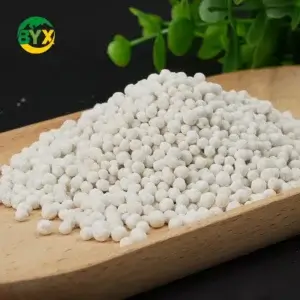
Their Kieserite Fertilizer (magnesium sulfate monohydrate) Powder meets the Kieserite Fertilizer standards of many countries, and we have not encountered any quality complaints when exporting to South America, the Middle East, and Africa.