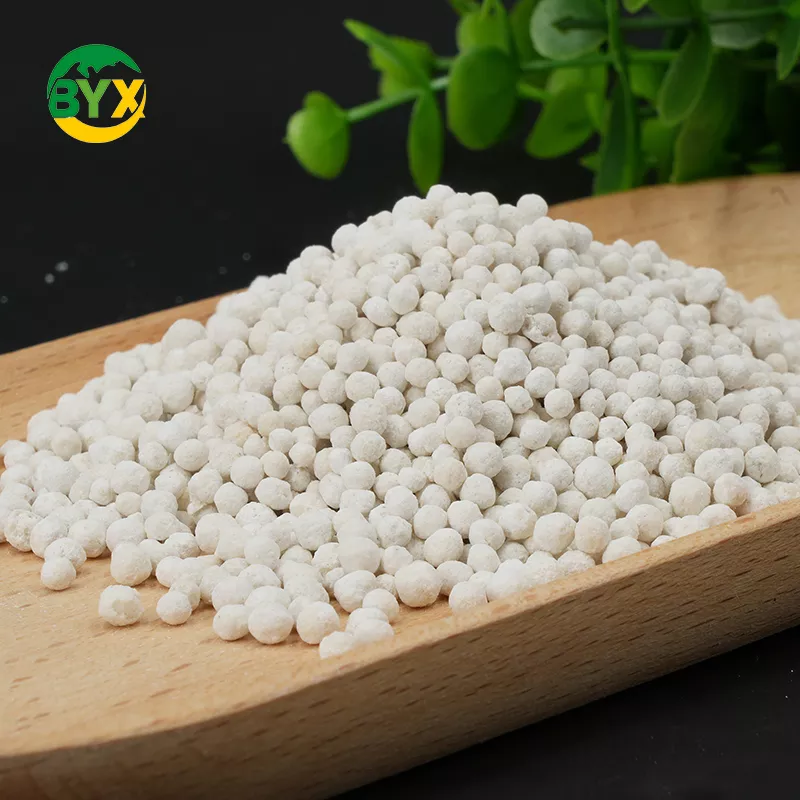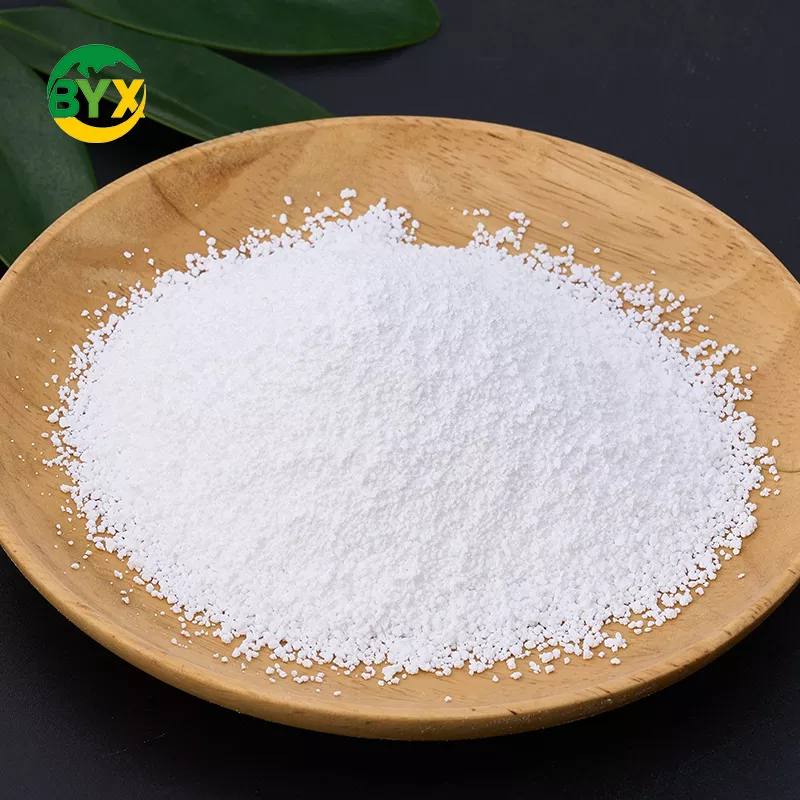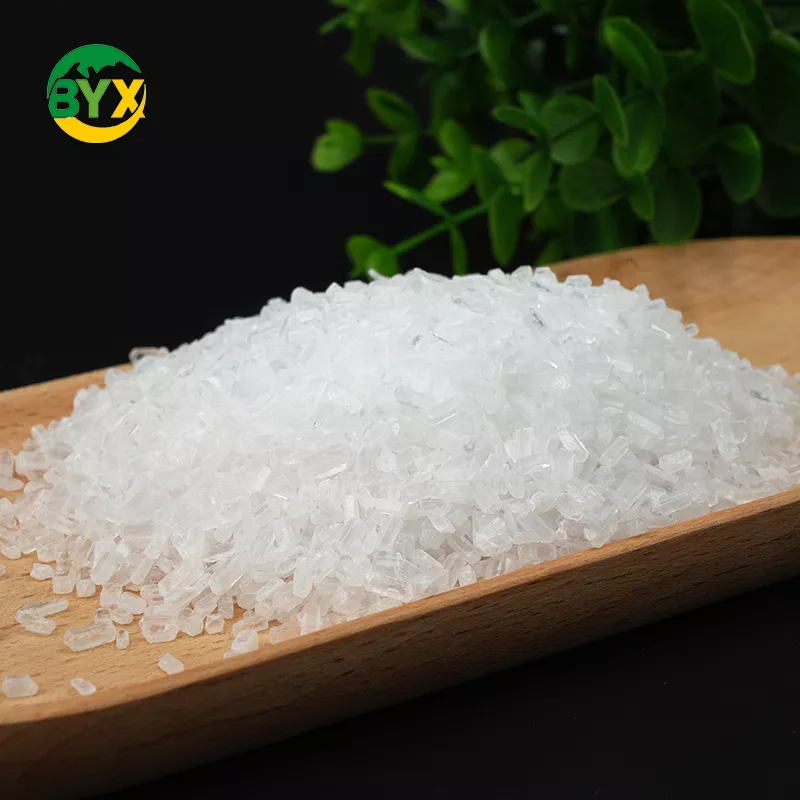
CAS No.: 7487-88-9|Chemical Formula: MgSO4|Molecular Weight: 120.368
If there exists a single chemical raw material extensively applied across pharmaceutical, agricultural and industrial sectors, anhydrous magnesium sulfate stands out without dispute. A fine white crystalline powder first discovered in bitter spring water in Epsom, England back in 1695, it has evolved over more than 300 years into a fundamental bulk chemical with an annual global output of millions of metric tons.
I. What Is Anhydrous Magnesium Sulfate?
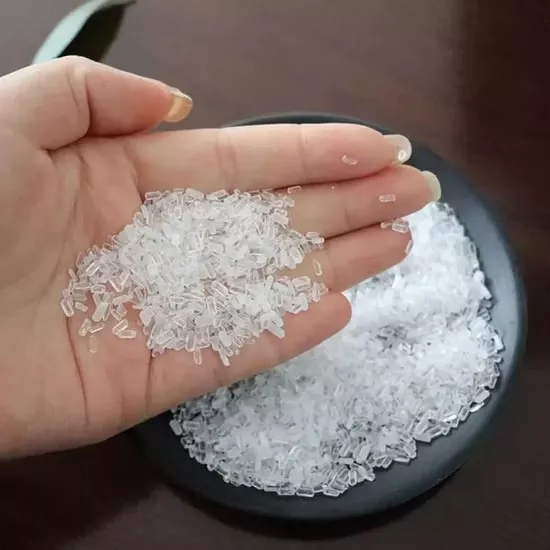
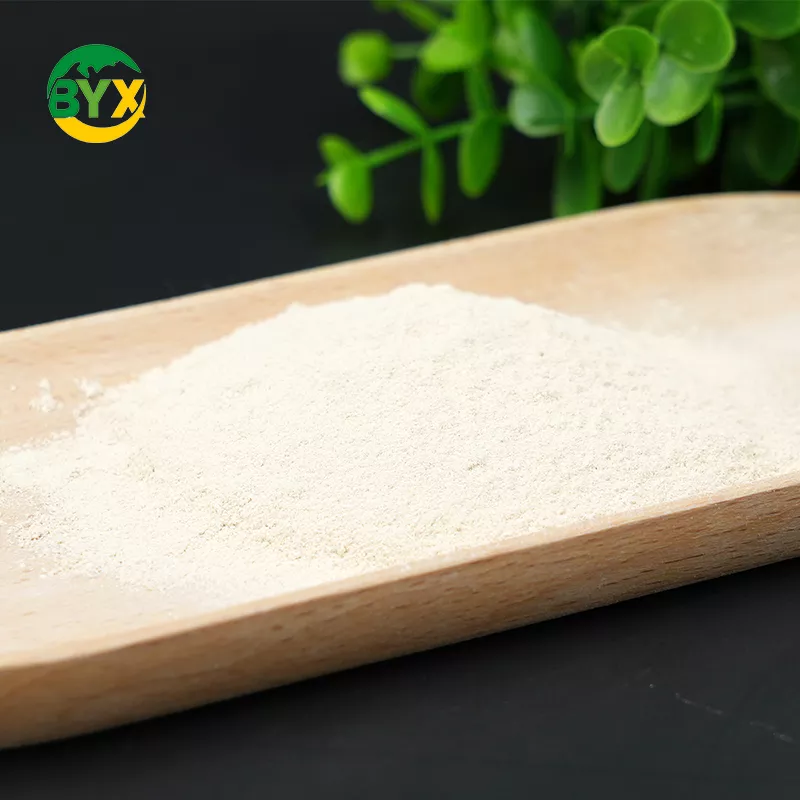
Also known as Epsom salt, bitter salt or magnesium sulfate anhydrous, it is the water-free form of magnesium sulfate. It appears as white crystalline powder or colorless orthorhombic crystals, odorless with a distinct bitter saline taste, and features prominent hygroscopicity: upon exposure to humid ambient air, it rapidly absorbs moisture and converts into magnesium sulfate heptahydrate (MgSO4⋅7H2O).
Key physicochemical parameters are listed below:
| Parameter | Specification Value |
|---|---|
| Density | 2.66 g/cm³ |
| Melting Point | 1124°C (decomposes) |
| Boiling Point | 330°C (760 mmHg) |
| Water Solubility | 25.5 g per 100 mL at 20°C, freely soluble |
| Solvent Compatibility | Soluble in water, ethanol and glycerol; insoluble in acetone |
| pH Value | 5.5~7.5 for 50g/L aqueous solution (near neutral) |
Core note: Chemically stable below 900°C; thermal decomposition releasing sulfur dioxide occurs at roughly 1127°C. Its outstanding stability and inertness toward organic substances make it one of the most widely used neutral desiccants in laboratory research and industrial production.
II. Two Dominant Commercial Production Processes
Two mainstream manufacturing routes are adopted for mass production of anhydrous magnesium sulfate:
1. Recrystallization Method (High Purity for Pharmaceutical & Analytical Grade)
Crude magnesium sulfate is dissolved in water and held for around 2 hours to precipitate heavy metal impurities via sedimentation. After filtration, the solution is concentrated, cooled for crystallization and centrifuged to produce refined magnesium sulfate heptahydrate, which is further dehydrated and dried at 200°C into finished anhydrous magnesium sulfate. Products from this process reach a minimum purity of 99.0% and comply with China National Standard GB 29207—2012 for food additives.
2. Hot-Melt Leaching Method (Cost-Effective for Industrial Grade)
Magnesium sulfate feed liquor (30g/100mL concentration) is blended with mixed salt solution at a volume ratio of 2:1, followed by 4-hour dissolution-leaching treatment at 45~50°C. Sodium chloride impurities are removed before cooling crystallization at 5°C; after washing and filtration, monohydrate magnesium sulfate is obtained and baked at 400~500°C to produce final anhydrous goods.
Alternative eco-friendly production includes waste boron mud acidolysis synthesis and classic neutralization via magnesium oxide/magnesium hydroxide reacting with sulfuric acid, with the core reaction as follows:
MgO+H2SO4=MgSO4+H2O
III. Core Application Sectors: Why It Earns the Title of "All-Round Raw Material"
Agriculture: Premium Magnesium Fertilizer
Magnesium serves as the core constituent of plant chlorophyll. Diluted anhydrous magnesium sulfate solution is commonly sprayed as foliar fertilizer with customized dosages for different crops:
- Fruit trees (citrus, apple, grape): 0.5%~1.0% solution during new shoot sprouting and fruit color transition periods
- Vegetables (tomato, cucumber, chili): 0.2%~0.5% solution for seedling stage or emergency correction of magnesium deficiency
- Field crops (rice, corn): 0.3%~0.8% solution at tillering and booting phases
Chloride-free, it is the preferred magnesium supplement for chlorine-sensitive crops including tobacco, potato and citrus. Magnesium deficiency causes interveinal chlorosis and yellowing on mature leaves; regular spraying with 0.5%~0.8% solution restores normal green within 7–10 days.
Industrial Manufacturing: Widespread Usages from Dyeing to Fireproof Materials
- Textile printing & dyeing: Color-developing agent for blue dyestuffs and alkali absorbent for black dye liquor to stabilize pH at 6–7 for uniform color fixation
- Papermaking: Sizing agent to boost paper water resistance and mechanical strength
- Fire-resistant materials: Reacts with light-burned magnesia to form magnesium oxysulfide cement featuring superior fire insulation and thermal insulation performance
- Desiccant: Fast moisture absorption and chemical inertness enable it to replace anhydrous calcium chloride for drying organic compounds incompatible with calcium chloride.
Animal Feed Additive: Essential for Bone Development & Enzymatic Activity
Magnesium is indispensable for livestock bone formation and muscle contraction, as well as an activator for multiple vital enzymes. Magnesium deficiency triggers neurological disorders, stunted growth or even death in animals. Feed-grade anhydrous magnesium sulfate acts as an efficient dietary magnesium fortifier for poultry and livestock.
IV. Storage & Safety Guidelines: Moisture Proofing, Fire Prevention, Airtight Sealing
Owing to extreme hygroscopicity, direct water contact must be avoided to prevent dissolution or performance deterioration. Recommended storage rules:
✅ Store hermetically sealed in cool, dry and well-ventilated warehouses
✅ Keep away from open flames and high-temperature heat sources
✅ Standard shelf life: 3 years; lumpy agglomerated product remains usable after crushing and dissolving with no loss of fertilizer efficiency
Per GB 29207—2012 specification for food-grade anhydrous magnesium sulfate: post-ignition MgSO4 ≥99.0%, total heavy metals (as Pb) ≤10 mg/kg, lead ≤2 mg/kg, arsenic ≤3 mg/kg.
V. Market Price of Anhydrous Magnesium Sulfate in 2026
As of late May 2026, market quotations vary significantly by product grade:
- Industrial grade (98% purity): RMB 900~2100 per metric ton
- High-purity anhydrous magnesium sulfate (98% purity): approx. RMB 2600 per metric ton
- First-grade magnesium sulfate monohydrate: RMB 2025~2075 per metric ton
Industrial-grade pricing has edged up moderately compared with early May’s benchmark of RMB 1000/ton, while high-purity anhydrous specifications stay at a relatively high price bracket due to strict purity production requirements.
Closing Remarks
Whether you need reliable lab desiccant or emergency magnesium fertilizer for orchard magnesium-deficiency remediation, this fine white crystalline powder delivers consistent and dependable performance.