Anhydrous Magnesium Sulfate vs. Heptahydrate Magnesium Sulfate : Key Differences and Applications
Magnesium sulfate exists in multiple hydrated forms, including monohydrate, dihydrate, trihydrate, heptahydrate, and anhydrous variants. Among these, anhydrous magnesium sulfate (MgSO₄) and Heptahydrate Magnesium Sulfate (MgSO₄·7H₂O) are the most widely discussed.
1. Physical Appearance
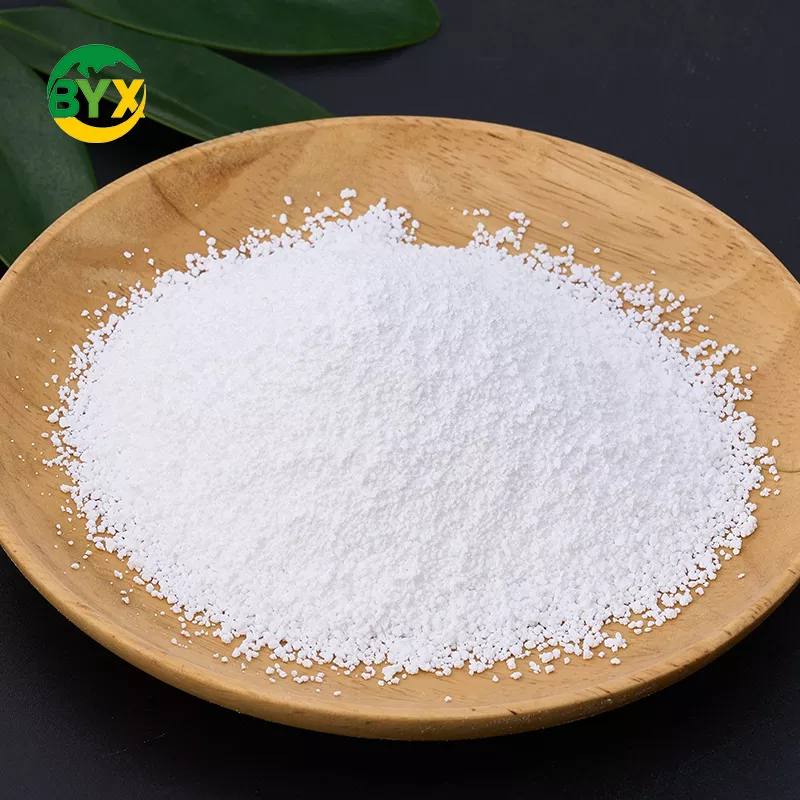
Anhydrous MgSO₄: Appears as a fine, white crystalline powder with no visible moisture.
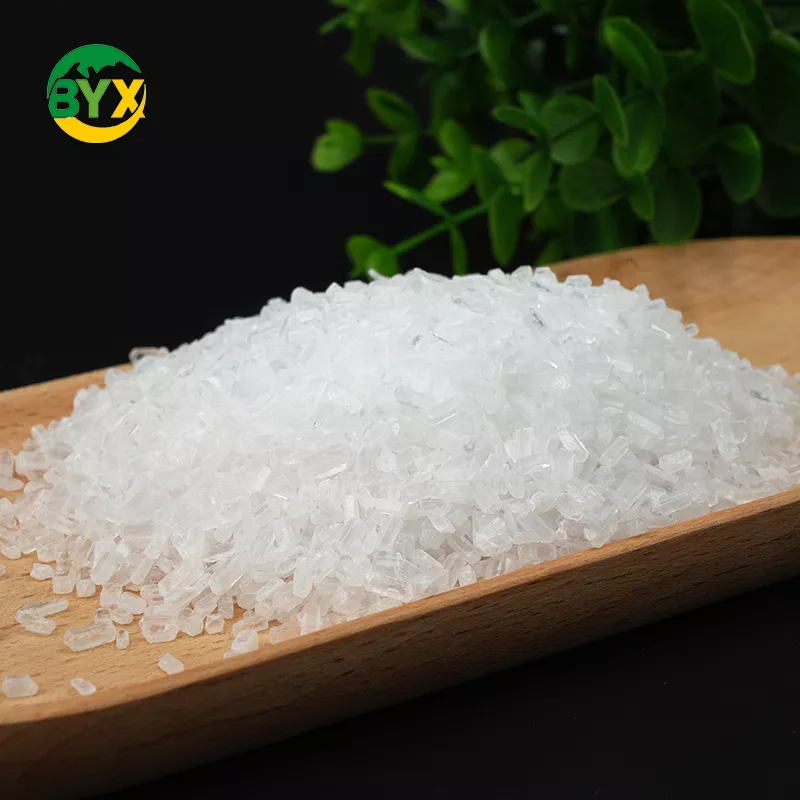
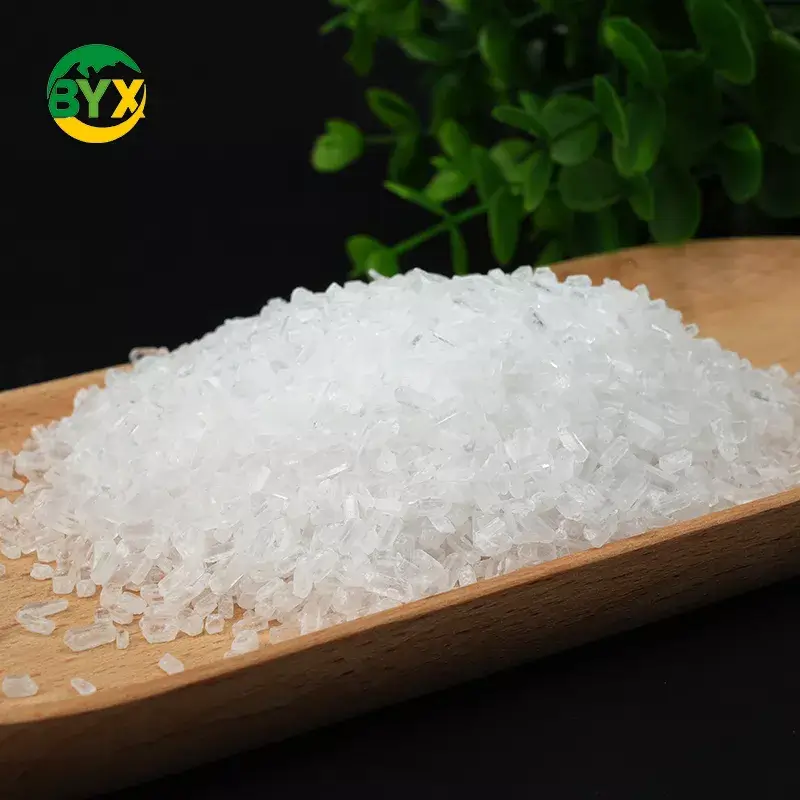
MgSO₄·7H₂O: Forms transparent, columnar crystals or gel-like solids due to its high water content.
2. Hydration State and Molecular Composition
Anhydrous MgSO₄: Contains no bound water molecules. Its molecular weight is 128.38 g/mol.
MgSO₄·7H₂O: Contains seven water molecules per formula unit, resulting in a higher molecular weight of 246.47 g/mol.
3. Magnesium Content
The magnesium (Mg) concentration varies significantly:
Anhydrous MgSO₄: Delivers ~19.8% Mg by mass.
MgSO₄·7H₂O: Contains ~9.9% Mg by mass—approximately 1.78 times less than the anhydrous form.
4. Stability and Interconversion
Anhydrous MgSO₄: Acts as a strong desiccant, readily absorbing moisture to convert into the heptahydrate form under humid conditions.
MgSO₄·7H₂O: Gradually loses its crystalline water when heated above 150°C, forming anhydrous MgSO₄. It also effloresces (releases water) in dry environments, becoming powdery.