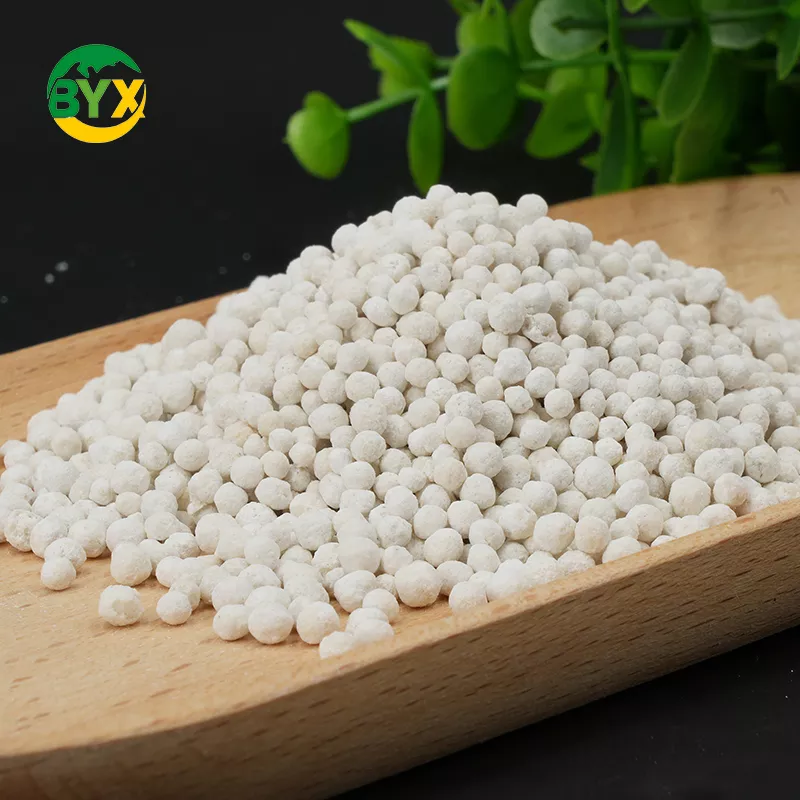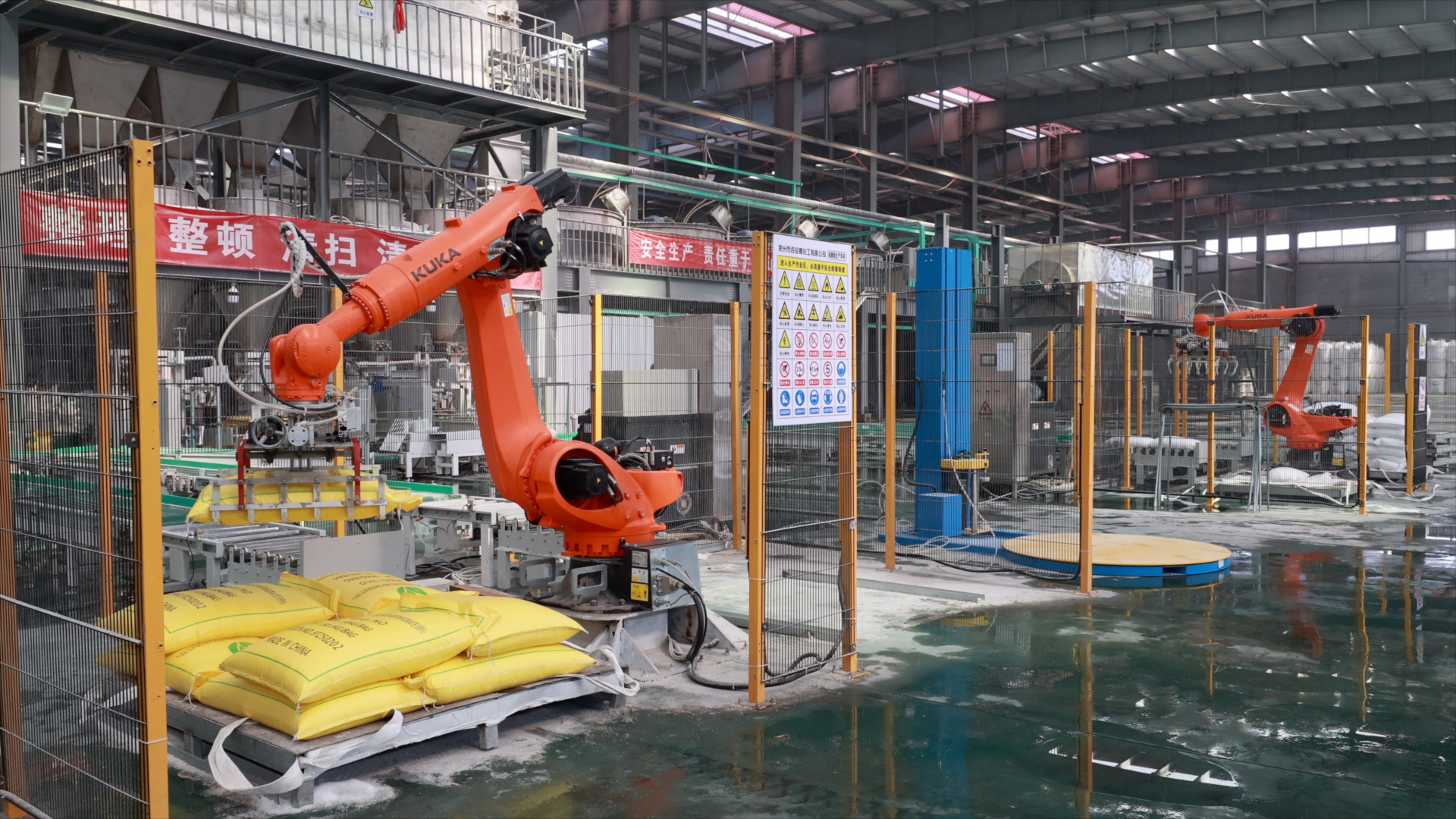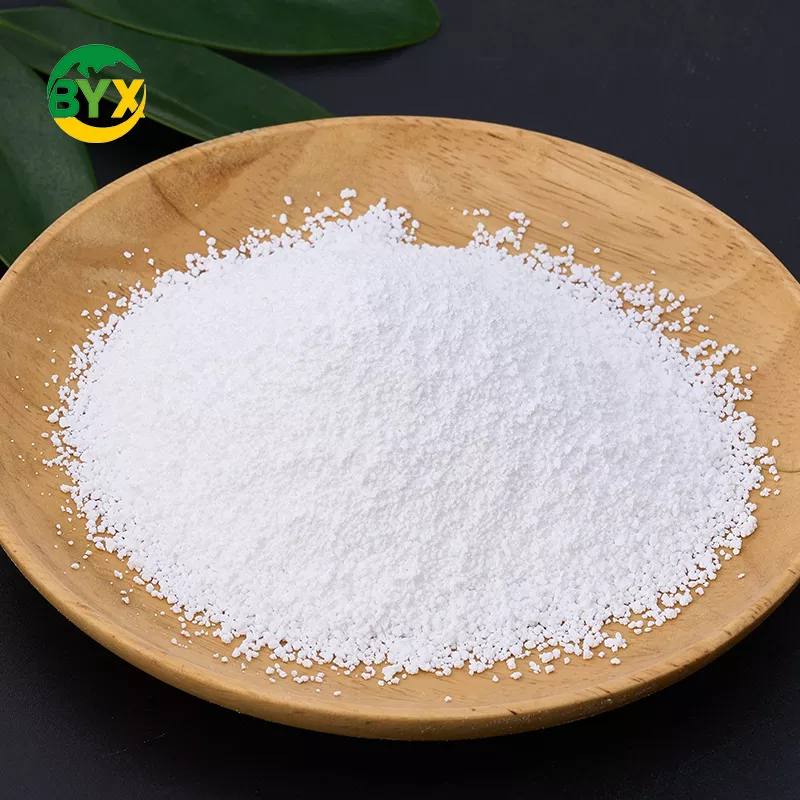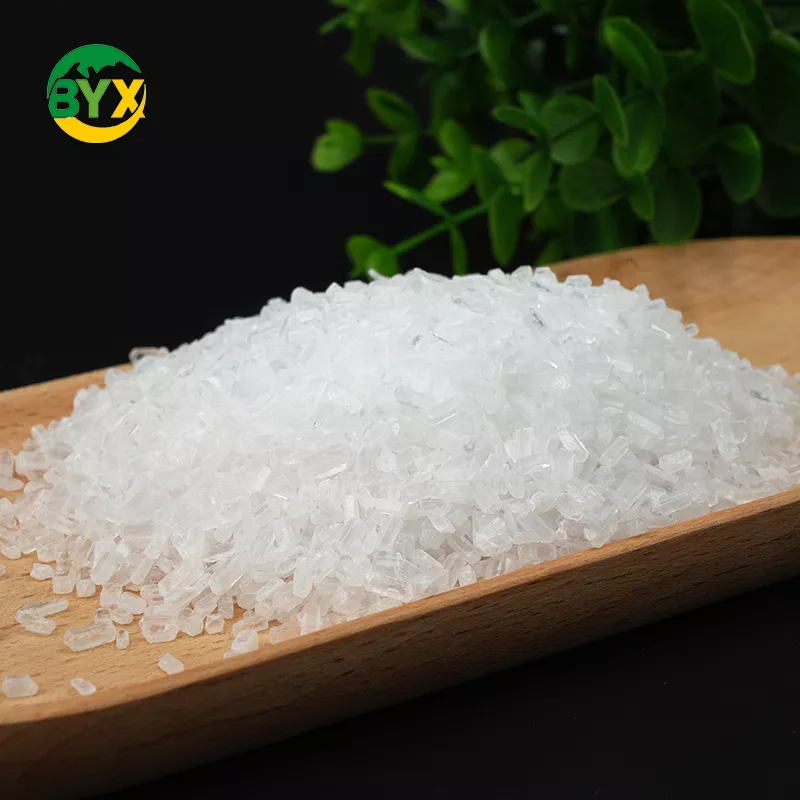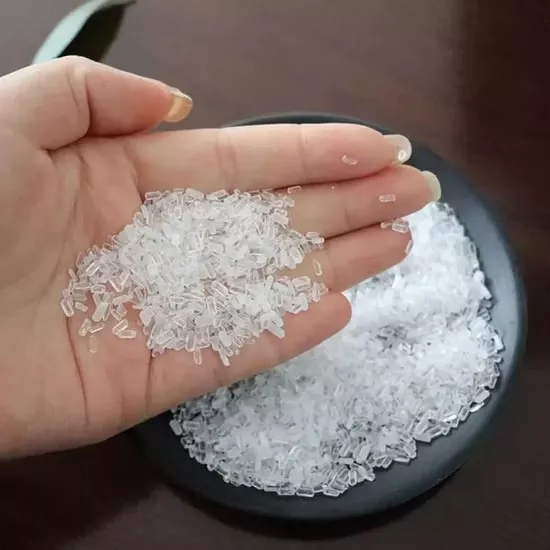
magnesium sulfate monohydrate has gained significant traction across industries due to its versatile applications. Understanding its production methods is key to appreciating its value. Below, we explore two primary industrial techniques: Recrystallization and Thermal Leaching, optimized for clarity and search engine visibility.
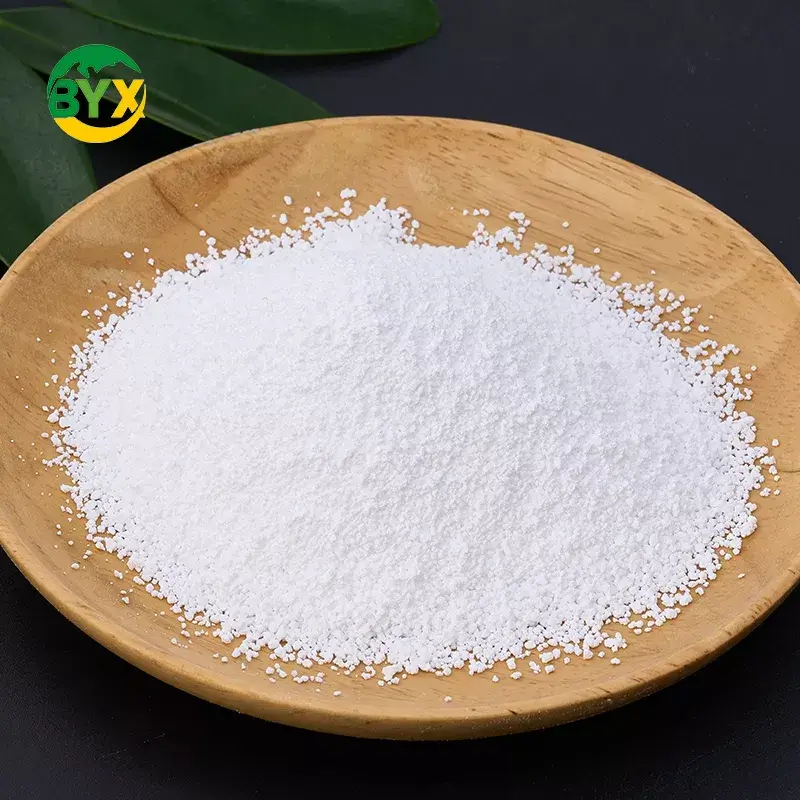
1. Recrystallization Method
This method focuses on purifying industrial-grade magnesium sulfate to achieve high-purity monohydrate crystals. Here’s a step-by-step breakdown:
Dissolution: Industrial magnesium sulfate is dissolved in water within a dissolution tank. The mixture is stirred for approximately 2 hours to ensure complete dissolution.
Filtration: The solution undergoes filtration to remove impurities such as heavy metal sulfates.
Crystallization: The purified solution is concentrated and cooled to induce crystallization. Centrifugal separation isolates the crystallized product.
Dehydration: The crystals are dried in controlled conditions (e.g., 200°C) to remove excess water, yielding magnesium sulfate monohydrate.
This method is widely adopted for its efficiency in producing low-chloride, high-quality products.
2. Thermal Leaching Method
Ideal for processing brine-derived raw materials, this method leverages temperature control to optimize yield:
Mixing Solutions: A magnesium sulfate mother liquor (concentration: 30g/100ml) is combined with a mixed salt solution in a 2:1 volume ratio. The mixed salt must contain **<30% magnesium sulfate and <35% sodium chloride** to avoid impurity formation.
Temperature Treatment: The mixture is maintained at 45–50°C for 4 hours to dissolve impurities like NaCl.
Crystallization & Refinement: The clarified solution is cooled to 5°C to crystallize magnesium sulfate monohydrate, followed by washing, filtration, and drying.
This approach is particularly effective for large-scale production while minimizing energy consumption.
Industrial Applications & Benefits
Natural magnesium sulfate monohydrate plays a pivotal role in:
Agriculture: Enhances soil magnesium levels, promoting plant growth and nutrient absorption.
Pharmaceuticals: Used in formulations requiring high-purity magnesium sources.
Environmental Sustainability: Reduces reliance on non-renewable resources by utilizing industrial byproducts like salt-lake brines.