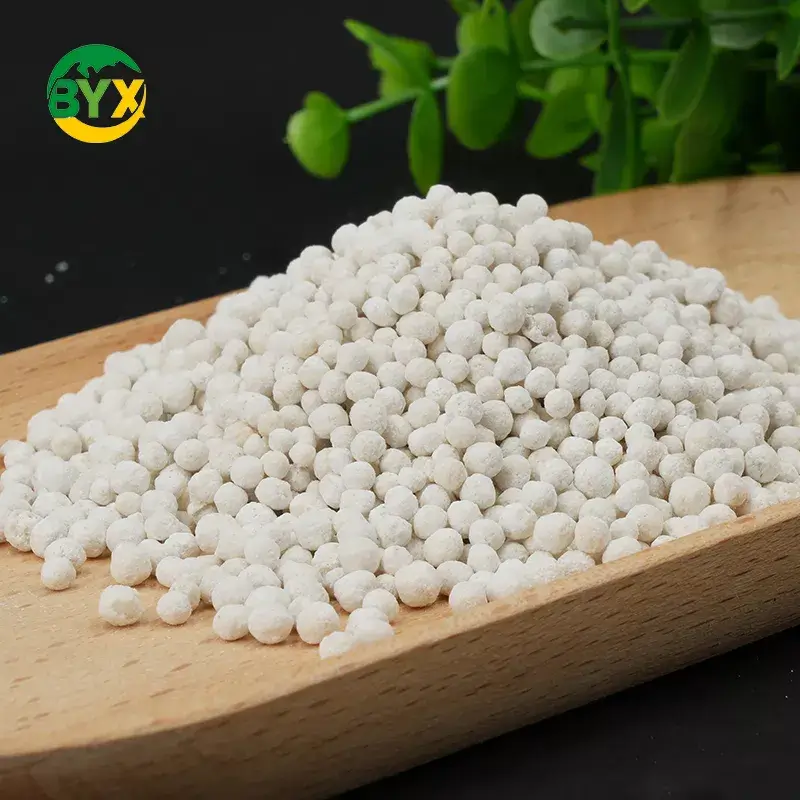
Magnesium sulfate fertilizers is very important in farming today. It helps crops grow better and improves their quality by giving key nutrients. Magnesium helps plants make food through photosynthesis, and sulfur helps build proteins. These nutrients make plants stronger and more productive.
By 2025, new magnesium sulfate fertilizers will change how farming works. The global market, worth $1.5 billion in 2023, might grow to $2.3 billion by 2032. This rise shows the need for better fertilizers to grow more food and feed more people.
Key Takeaways
Magnesium sulfate fertilizers helps plants grow by giving them magnesium and sulfur. These nutrients are important for making food and proteins in plants.
Using pure fertilizers, like BaiYeXin Magnesium Sulfate, gives plants clean nutrients. This helps crops grow healthier without harmful chemicals.
Adding magnesium sulfate fertilizers at the right time, like early growth, helps plants take in nutrients better. This improves crop quality and how much they produce.
Farming in a way that protects nature, along with magnesium sulfate fertilizers, can grow more crops and make more money while helping the planet.
New fertilizer ideas, like slow-release and tiny particle fertilizers, will give nutrients better and help eco-friendly farming by 2025.
The Role of Magnesium and Sulfur in Crop Health
Why magnesium is important for photosynthesis and chlorophyll
Magnesium is key for photosynthesis, where plants make their food. It is the main part of chlorophyll, the green pigment that absorbs sunlight. Without magnesium, plants can't make enough chlorophyll, which hurts their growth. Studies show magnesium moves around during chlorophyll production, keeping it available for plants. This process helps plants stay healthy and make food efficiently.
Research comparing magnesium sources, like Polysulphate and potassium magnesium sulfate, shows Polysulphate works better. It releases magnesium slowly, preventing loss through water drainage. This steady supply helps plants absorb magnesium consistently. As a result, photosynthesis improves, and plants grow stronger.
How sulfur helps plants grow and stay healthy
Sulfur is another nutrient plants need to grow well. It helps make proteins by forming amino acids, which are protein building blocks. Sulfur also activates enzymes that turn nutrients into energy for plants. This energy helps plants grow bigger and healthier.
Sulfur also improves the taste and nutrition of crops. For example, onions and garlic get their strong flavor from sulfur. When plants get enough sulfur, they produce better-quality crops that sell well. But soil sulfur levels have dropped in the last 15 years. Fertilizers like magnesium sulfate can add back this important nutrient.
What happens when plants lack magnesium and sulfur
Not having enough magnesium or sulfur harms crops. Without magnesium, leaves turn yellow, photosynthesis slows, and plants grow poorly. Without sulfur, leaves look pale, and crops have less protein. These problems lower crop yield and quality, making farming harder.
Data shows soil sulfur levels have fallen by 50% in 15 years. This drop has caused more sulfur deficiencies in crops like corn. When soil sulfur is below 15 ppm, adding sulfur fertilizers greatly boosts yields. Using magnesium sulfate fertilizers fixes these problems, helping crops grow better and produce more.
Top Magnesium Sulfate Fertilizers for 2025

How to pick the best magnesium sulfate fertilizers
Picking the right magnesium sulfate fertilizers helps crops grow better. There are a few things to think about before choosing. First, check how pure the fertilizer is. High-purity fertilizers give plants nutrients without harmful stuff. Look for products with at least 99% purity.
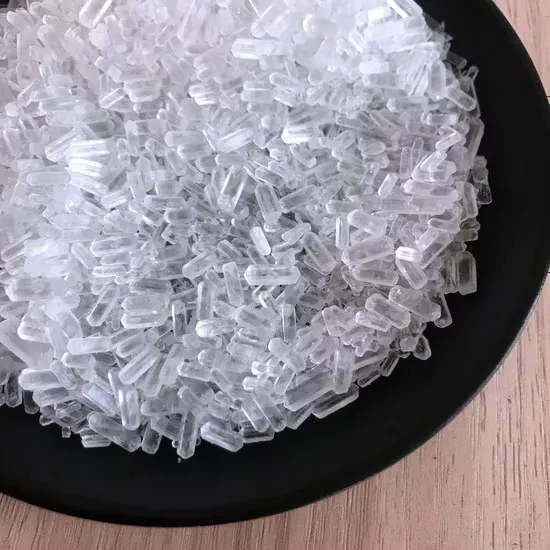
Next, consider the type of fertilizer. Magnesium sulfate comes in forms like heptahydrate, anhydrous, and monohydrate. Each type works best in different ways. Heptahydrate dissolves fast in water, so it’s great for sprays. Anhydrous forms are better for dry soil use.
Also, look at the particle size. Small particles dissolve quickly, while bigger ones release nutrients slowly. Choose based on your crop’s needs and how you’ll apply it. Lastly, check for certifications. Labels like ISO 9001 and EU-REACH mean the product is safe and high-quality.
BaiYeXin Magnesium Sulfate Fertilizers – Features, benefits, and best crops
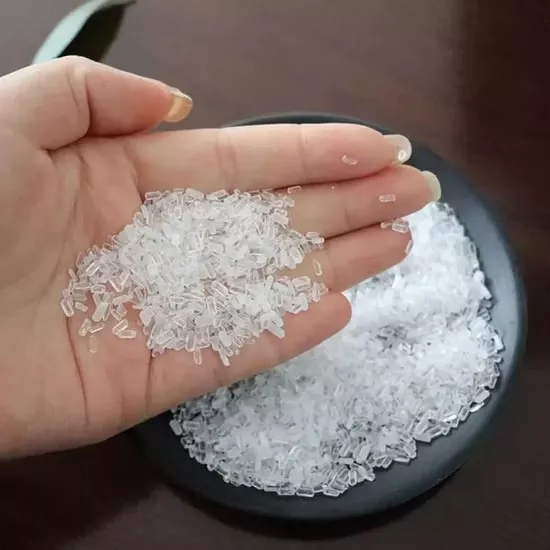
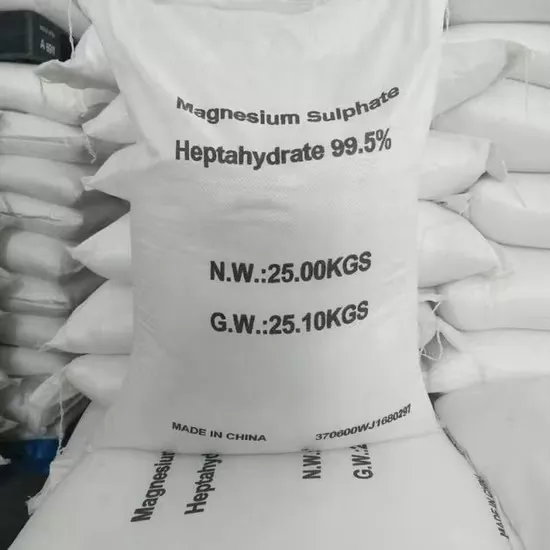
BaiYeXin Magnesium Sulfate fertilizers is a top choice for farmers. Made by Laizhou Baiyexin Chemical Co., Ltd., it’s known for its great quality. With 99.5% purity or higher, it gives plants the nutrients they need. The product passes 36 quality checks to ensure it works well.
It comes in forms like heptahydrate, anhydrous, and monohydrate. This lets you pick the best one for your needs. BaiYeXin also offers different sizes, from 0.1-1mm to 4-7mm. Smaller sizes work fast, while larger ones enrich soil over time.
This fertilizer is great for crops like citrus fruits, berries, tomatoes, peppers, coffee, and nuts. These plants need magnesium and sulfur for photosynthesis, protein-making, and staying healthy.
The company offers packaging options, from 25kg bags to 1250kg containers. This makes it easy to get the right amount for your farm. They also have 24/7 customer support to help you succeed.
Kieserite Fertilizer – Features, benefits, and best crops
Kieserite fertilizer is another great choice for healthy crops. It’s a natural mineral with magnesium and sulfur that plants can easily absorb. Kieserite works well in acidic soils, balancing pH and improving nutrients.
One big benefit of Kieserite is its slow-release feature. It gives plants magnesium and sulfur over time, so nutrients don’t wash away. This makes it perfect for crops with long growing seasons. Kieserite also improves soil, helping it hold water and grow strong roots.
Crops like grains, oilseeds, and legumes grow well with Kieserite. It’s especially helpful in sandy or acidic soils where nutrients are often low. Using Kieserite boosts crop growth and supports eco-friendly farming.
Farmers like Kieserite because it’s easy to use. You can apply it before planting or during the growing season. Its granules spread evenly, making it great for big farms.
Epsom Salt (Magnesium Sulfate Heptahydrate) – Features, benefits, and ideal crops.
Epsom Salt, or Magnesium Sulfate Heptahydrate, is a helpful fertilizer. It fixes magnesium shortages in soil and works well for many crops. It dissolves easily in water, making it great for spraying or soil use. It doesn’t change the soil’s pH, which is good for delicate plants.
Features of Epsom Salt:
Dissolves Quickly: Epsom Salt mixes fast in water, perfect for sprays.
No pH Change: It keeps soil pH stable, suiting different soil types.
Simple to Use: Apply it directly to soil or mix with water to spray.
Benefits of Epsom Salt:
Fixes Magnesium Shortages: Magnesium helps plants make food and stay green. Epsom Salt quickly adds magnesium to the soil.
Better Crop Quality: Sulfur in Epsom Salt helps make proteins, improving taste and nutrition.
Great for Valuable Crops: Plants like tomatoes, potatoes, peppers, lemons, and roses grow better with Epsom Salt.
Magnesium sulfate fertilizers like Epsom Salt are great for high-value crops. Tomatoes and peppers grow stronger and produce more fruit with its magnesium. Roses and lemons bloom beautifully and taste better. Studies show spraying Epsom Salt helps plants absorb nutrients faster, leading to healthier crops and bigger harvests.
Cost comparison and performance analysis of top magnesium sulfate fertilizers.
Choosing the right magnesium sulfate fertilizers depends on cost and performance. Here’s a simple comparison of the top options:
Fertilizer Type | Cost per Ton ($) | Key Features | Best Use Cases |
|---|---|---|---|
BaiYeXin Magnesium Sulfate | 450-500 | High purity (99.5%), customizable sizes | Citrus, berries, tomatoes, peppers |
Kieserite Fertilizer | 400-450 | Natural mineral, slow-release | Grains, oilseeds, legumes |
Epsom Salt | 350-400 | High solubility, neutral pH impact | Potatoes, tomatoes, roses, lemons |
Performance Analysis:
BaiYeXin Magnesium Sulfate fertilizers: Very pure and customizable, great for precision farming. It works well for many crops.
Kieserite Fertilizer: Slowly releases nutrients, perfect for acidic soils and long-growing crops.
Epsom Salt: Affordable and fixes magnesium shortages fast. It works best for spraying.
Epsom Salt is the cheapest option, but BaiYeXin offers the best quality. Kieserite is ideal for specific soil needs. Pick based on your crop, soil, and budget.
Tip: Spend wisely by comparing cost and performance. Paying more upfront can lead to better crops and profits later.
Application Guidelines for High-Value Crops
How to Apply Magnesium Sulfate Fertilizers
Using magnesium sulfate fertilizers the right way helps crops grow well. Follow these simple steps to apply it correctly:
Mixing the Solution: Add one tablespoon of magnesium sulfate (like Epsom salt) to a gallon of water. This gives plants the magnesium and sulfur they need.
Best Time to Apply: Use the solution early in the morning or late evening. This stops nutrients from evaporating.
Spraying Tips: Spray both sides of the leaves evenly. This helps plants absorb nutrients better.
How Often: Spray every two weeks during the growing season. This keeps plants healthy.
Solution pH: Keep the solution slightly acidic, between 5.5 and 6.0. This helps plants get the most nutrients.
Weather Conditions: Don’t apply on windy or humid days. Calm weather helps nutrients stay on the plants.
For soil application, mix one tablespoon of magnesium sulfate fertilizers with a gallon of water. Pour 1 to 2 gallons of this mix around each plant. Make sure the soil is damp but not too wet before applying. Do this once a month, starting in early spring, to keep the soil healthy and crops growing strong.
When and How Much to Use for Fruits (Like Citrus and Berries)
Fruits like citrus and berries need magnesium sulfate at the right time and amount. For citrus, apply it 13 days after buds appear, usually in mid-March. This helps the plants grow and produce more fruit.
For berries, use magnesium sulfate fertilizers when flowers start to bloom. This improves the fruit’s quality and increases production. Follow these tips for the best results:
Soil Test: If soil magnesium is below 20 ppm, use 35 pounds of magnesium sulfate per acre.
Type of Fertilizer: Use magnesium sulfate or Sul-Po-Mag if lime isn’t needed. If lime is needed, use dolomite to fix magnesium shortages.
How Often: Apply once during early growth and again when fruits are forming.
These steps help fruits grow better and produce high-quality harvests.
When and How Much to Use for Vegetables (Like Tomatoes and Peppers)
Vegetables like tomatoes and peppers grow better with magnesium sulfate. It helps them stay healthy and improves the soil. For tomatoes, apply magnesium sulfate early in the growing stage and again when flowers appear. This helps leaves grow and fruits develop.
For peppers, apply magnesium sulfate at the start of the season and every four weeks after that. This keeps nutrients steady throughout their growth. Follow these tips for the best results:
Soil Test: If soil magnesium is below 20 ppm, use 35 pounds of magnesium sulfate fertilizers per acre.
How to Apply: Mix magnesium sulfate fertilizers in water for spraying or spread it on the soil.
Best Time: Apply in the morning or evening to help plants absorb nutrients.
These methods help vegetables grow strong, produce more, and stay high-quality.
Application rates and timing for specialty crops (e.g., coffee, nuts)
Specialty crops like coffee and nuts need careful nutrient care. Magnesium sulfate fertilizers help these crops get the magnesium and sulfur they need. These nutrients are key for their growth and better harvests. Here’s how to use magnesium sulfate for these valuable crops.
Coffee
Coffee plants need magnesium for making food and sulfur for proteins. These nutrients improve the quality and amount of coffee beans. Using magnesium sulfate at the right time keeps coffee plants healthy.
When to Apply:
Add magnesium sulfate fertilizers early, after new leaves grow. This helps leaves develop and make chlorophyll.
Use it again when flowers bloom to boost nutrient use and energy.
Apply it one last time during fruiting to grow bigger, better beans.
How Much to Use:
For young plants, use 20-30 grams per plant. Spread it around the base but not on the stem.
For older plants, use 50-100 grams per plant. Apply it in a circle near the roots.
For large farms, use 50-60 kilograms per hectare. Spread it evenly with a broadcast spreader.
Tip: Mix magnesium sulfate with water for leaf sprays. Use 20 grams per liter of water (2% solution). Spray leaves in the morning or evening for quick absorption.
Nuts (e.g., Almonds, Walnuts)
Nut trees like almonds and walnuts need magnesium for food-making and sulfur for proteins and oils. Proper use of magnesium sulfate improves nut size, taste, and yield.
When to Apply:
Use magnesium sulfate fertilizers at the start of the season when new shoots grow. This helps early growth and leaves.
Apply it again when nuts start forming to improve kernels.
After harvest, apply it to refill nutrients for the next season.
How Much to Use:
For young trees, use 25-50 grams per tree. Spread it around the base, away from the trunk.
For mature trees, use 100-200 grams per tree. Apply it in a ring near the roots.
For orchards, use 60-80 kilograms per hectare. Spread it evenly or use fertigation systems.
Crop | Growth Stage | Application Rate | Method |
|---|---|---|---|
Coffee | Early growth | 20-30 g/plant (young), 50-100 g/plant (mature) | Soil application |
Coffee | Flowering/Fruiting | 2% solution for foliar spray | Foliar spray |
Almonds/Walnuts | Early growth | 25-50 g/tree (young), 100-200 g/tree (mature) | Soil application |
Almonds/Walnuts | Nut-setting/Post-harvest | 60-80 kg/hectare | Broadcasting/Fertigation |
Note: Test your soil before using magnesium sulfate. Adjust the amount based on soil magnesium and sulfur levels to avoid overuse.
By following these steps, your coffee and nut crops will grow better. Healthy plants mean more harvests, better quality, and higher profits.
Sustainability and Future Trends
Environmental benefits of magnesium sulfate fertilizers
Magnesium sulfate fertilizers help the environment in many ways. They improve soil by boosting helpful microbes and their activity. This creates a healthy soil ecosystem that cycles nutrients better. Using magnesium sulfate also strengthens soil, making it less likely to erode.
Farming methods like crop rotation and less plowing work well with magnesium sulfate. These methods keep soil healthy and reduce the need for too many chemicals. Smart watering systems save water and help plants absorb nutrients better. Using fewer harmful pesticides through Integrated Pest Management (IPM) also supports eco-friendly farming.
Benefit/Practice | Description |
|---|---|
Soil Health | Magnesium sulfate boosts microbes and improves soil breathing. |
Sustainable Practices | Crop rotation and less plowing keep soil fertile longer. |
Resource Conservation | Smart watering and IPM save water and cut chemical use. |
Innovations in magnesium sulfate fertilizer technology for 2025
By 2025, magnesium sulfate fertilizers will become even better. Companies are making new types with higher purity and faster dissolving. These changes help plants get nutrients more easily, leading to better growth.
Controlled-release fertilizers are becoming popular. They slowly release nutrients, reducing waste and improving plant health. Nano-fertilizers are another new idea. They deliver magnesium straight to plant cells, making them very efficient. Recycled magnesium is also being tested, which helps the environment by reusing materials.
New technology is making magnesium sulfate useful for more crops. This helps farmers grow better plants while staying eco-friendly. These improvements not only increase harvests but also attract more farmers to sustainable farming.
How sustainable practices enhance crop productivity and profitability
Using sustainable methods with magnesium sulfate fertilizers helps crops grow better and increases profits. Farming with less soil disturbance and keeping organic matter boosts yields by 10-17%. These methods also raise profits by 24-50%, making them a smart choice.
Better watering systems and using less energy add to these benefits. Magnesium sulfate fertilizers help plants absorb nutrients, leading to healthier crops. These methods can cut water use by 71% and lower carbon emissions, making farming greener.
The market for slow-release fertilizers may grow from $13.23 billion in 2025 to $35.91 billion by 2032. This shows more farmers want sustainable options. By using these methods, you help the planet and ensure your farm stays profitable for years to come.
Magnesium sulfate fertilizers help crops grow better and healthier. In 2020, the market was worth $4.4 billion and may reach $5.9 billion by 2028. This growth is due to more farmers using them. BaiYeXin Magnesium Sulfate is very pure and can be customized. Kieserite works well in acidic soils because it releases nutrients slowly. Epsom salt helps plants absorb nutrients and grow strong. Picking the right fertilizer depends on your crops, soil, and goals. Choosing carefully will lead to healthier plants and more harvests in 2025.
FAQ
How should I use magnesium sulfate fertilizers?
Mix magnesium sulfate with water for spraying or spread it on soil. For sprays, dissolve one tablespoon in a gallon of water. For soil, sprinkle it around the plant base and water well.
How does magnesium sulfate help plants?
Magnesium sulfate gives magnesium for photosynthesis and sulfur for proteins. These nutrients help plants grow, improve crop quality, and stop deficiencies. It also makes magnesium in the soil easier for plants to use.
Is magnesium sulfate affordable for farmers?
Yes, magnesium sulfate is budget-friendly. It boosts crop growth and quality, increasing profits. Compared to other options, it’s both affordable and effective, making it a smart choice for farmers.
Can magnesium sulfate be used with other fertilizers?
Yes, you can use magnesium sulfate with other fertilizers. For example, mixing it with polysulphate improves nutrient absorption. This mix helps plants grow better and keeps soil healthy without causing problems.
Which crops benefit most from magnesium sulfate?
Crops like citrus, berries, tomatoes, peppers, coffee, and nuts benefit a lot. These crops need magnesium and sulfur to grow well, taste better, and produce more. Magnesium sulfate gives them these important nutrients.