Choosing reliable Magnesium Sulfate Monohydrate Manufacturers ensures consistent quality, operational efficiency, and compliance with industry standards.
Magnesium sulfate monohydrate plays a vital role in agriculture, pharmaceuticals, and manufacturing. Its unique chemical properties enhance soil health, support drug formulations, and improve industrial processes. The global market for this compound reached a valuation of USD 1.2 billion in 2023 and is projected to grow at a compound annual growth rate (CAGR) of 6.2%, driven by increasing demand across these sectors. By 2032, the market is expected to surpass USD 2.1 billion.
Key Takeaways
Magnesium sulfate monohydrate is important for farming, medicine, and factories. It helps plants grow and supports medical care.
The world market for magnesium sulfate is growing fast. It might be worth over $2.1 billion by 2032 because more people need it.
Picking good suppliers makes sure the product is always good and follows rules. This helps businesses work better.
Big companies like Baiyexin make pure and eco-friendly products. They are trusted by many businesses.
Working with the same suppliers for a long time can save money. It also gives steady quality and special solutions for business needs.
Overview of Magnesium Sulfate Monohydrate
Key Properties of Magnesium Sulfate Monohydrate
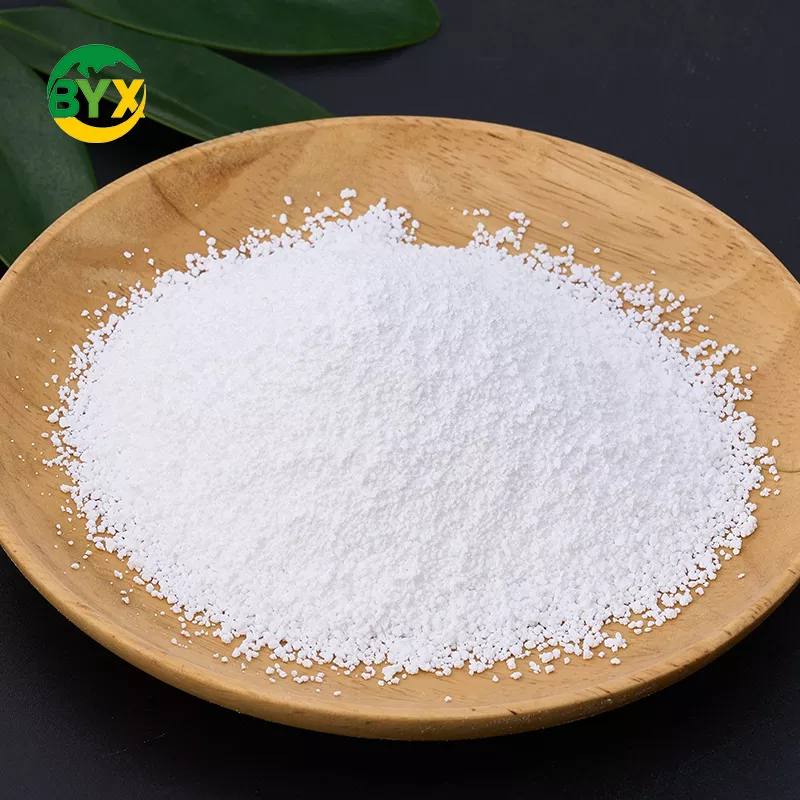
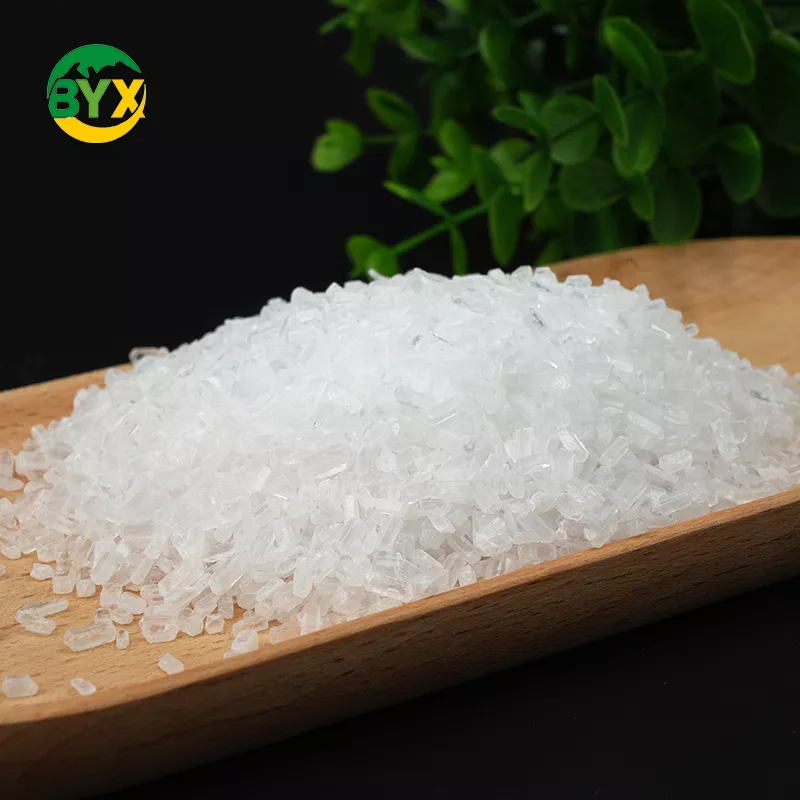
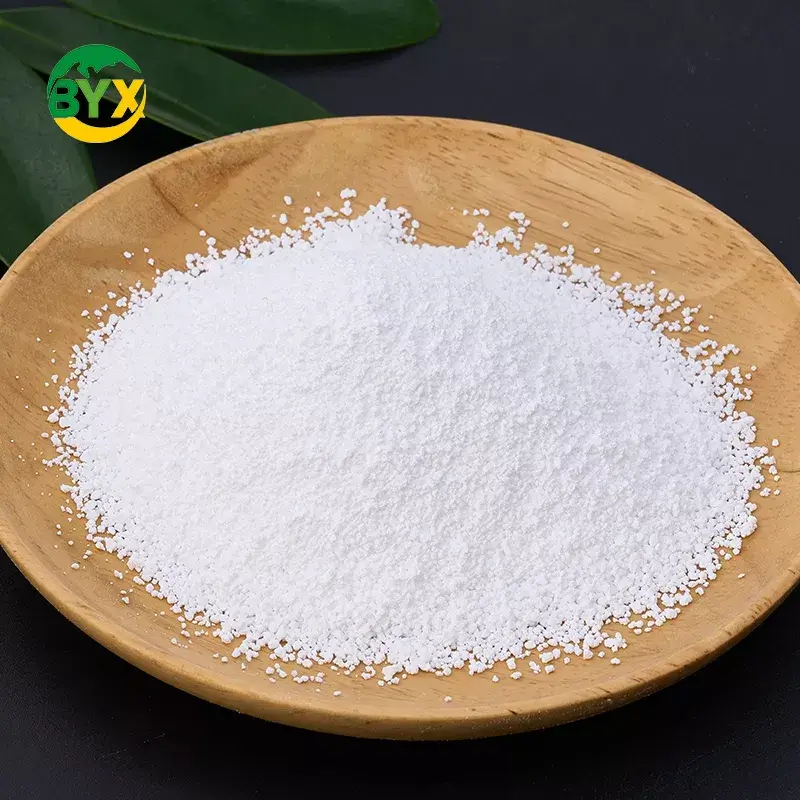
Magnesium sulfate monohydrate is a white crystalline solid with a chemical formula of MgSO₄·H₂O. It is widely recognized for its high solubility in water and its ability to decompose at elevated temperatures. These properties make it a versatile compound for various industrial and agricultural applications. The table below highlights its key chemical and physical properties:
Property | Value |
|---|---|
Chemical Formula | MgSO₄·H₂O |
Molar Mass | |
Appearance | White crystalline solid |
Density | 2.445 g/cm³ |
Melting Point | Decomposes at 200 °C |
Solubility | Soluble in water, insoluble in acetone |
The compound's pH in solution typically ranges between 5.5 and 6.5, making it suitable for applications requiring a neutral to slightly acidic environment. Its high purity and stability further enhance its usability across multiple sectors.
Common Applications Across Industries
Magnesium sulfate monohydrate serves as a critical component in several industries due to its unique properties. Below is an overview of its primary applications:
Industry Sector | Application Description | Market Trend |
|---|---|---|
Agriculture | Used as a fertilizer to provide essential nutrients to plants. | Increasing demand for fertilizers to improve crop yields and quality. |
Pharmaceuticals | Utilized as a magnesium supplement and in the treatment of pre-eclampsia in pregnant women. | Growing awareness about health benefits of magnesium supplements. |
Personal Care Products | Popular ingredient in bath salts and skincare products for muscle relaxation and skin health. | Rising popularity of self-care and wellness products boosting demand. |
In agriculture, magnesium sulfate plays a vital role in improving soil health and promoting plant growth. It provides magnesium, an essential nutrient for photosynthesis, and sulfur, which aids in protein synthesis. In the pharmaceutical sector, it is used as a magnesium supplement and in medical treatments, such as managing pre-eclampsia. Additionally, its inclusion in personal care products, such as bath salts, highlights its versatility and growing demand in wellness markets.
Note: The increasing global focus on sustainable farming and personal wellness has significantly boosted the demand for magnesium sulfate in recent years.
Top Magnesium Sulfate Monohydrate Manufacturers
Baiyexin: High-Purity Magnesium Sulfate Solutions
Baiyexin has established itself as a leader in the production of magnesium sulfate, offering products with exceptional purity levels of 99.5% or higher. Founded in 2022, the company has rapidly gained recognition for its commitment to quality and innovation. Baiyexin's product portfolio includes Magnesium Sulfate Monohydrate, Heptahydrate, and Anhydrous variants, catering to diverse industrial needs.
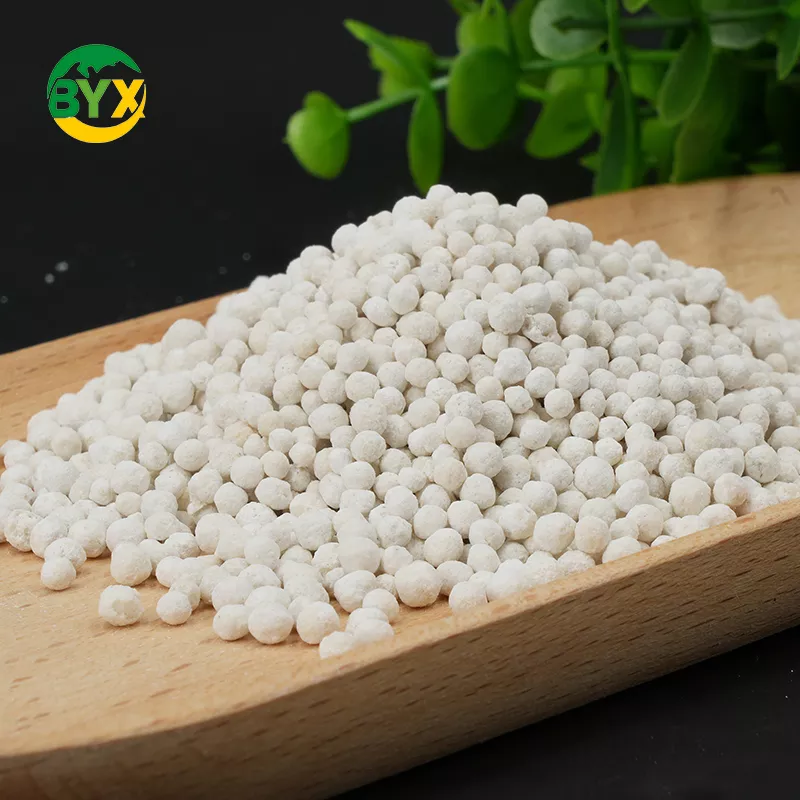
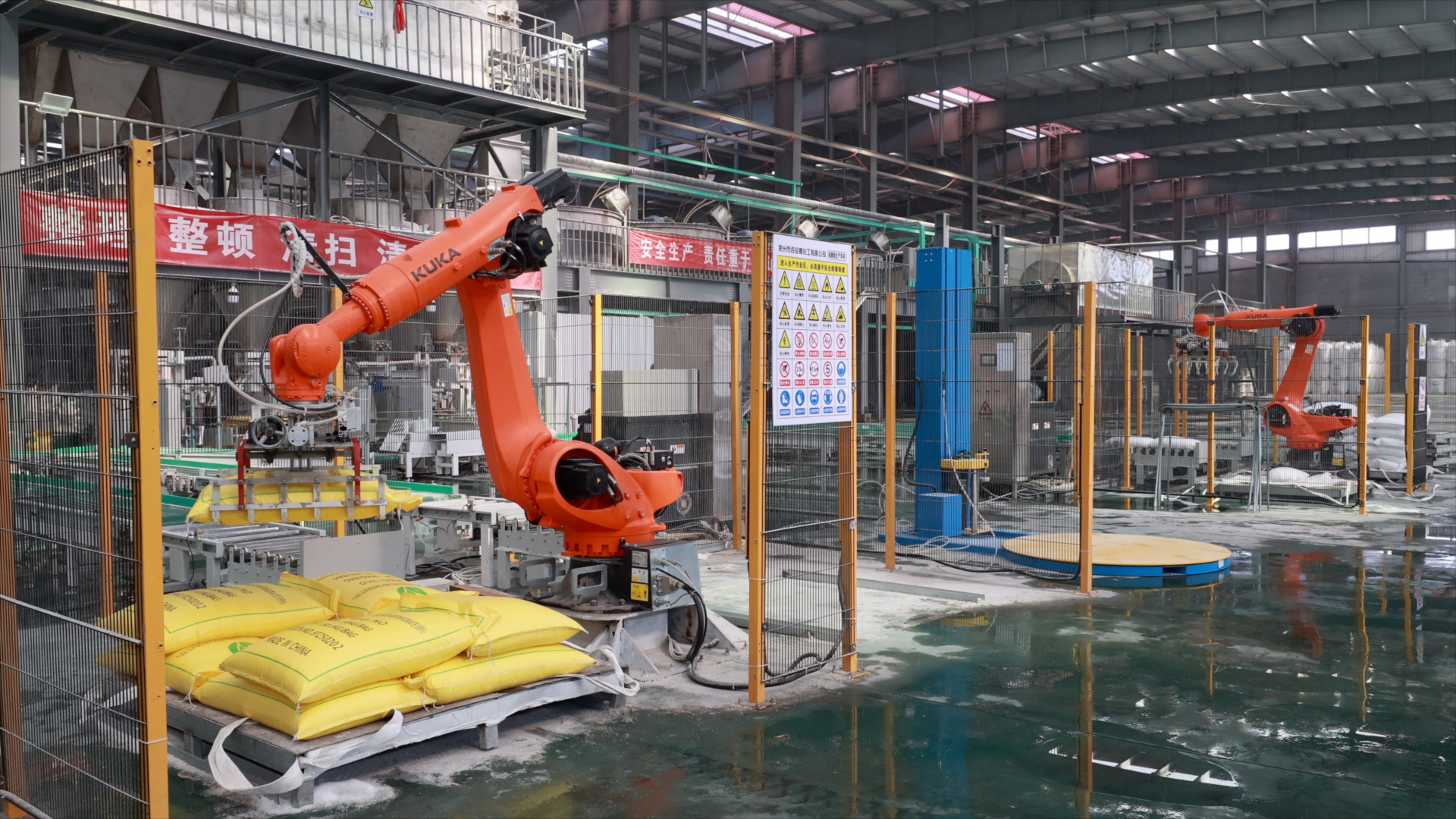
The company’s Magnesium Sulfate Monohydrate, also known as Kieserite, is particularly valued in agriculture for its role in enhancing soil health and promoting sustainable farming practices. Baiyexin employs rigorous quality control measures, including 36 inspection procedures, to ensure that every batch meets international standards. With a daily production capacity of 850 tons across six automated production lines, Baiyexin is well-equipped to handle large-scale orders without compromising quality.
Baiyexin also offers customized solutions, such as varying particle sizes (0.1mm to 4mm) and tailored packaging options ranging from 25kg to 1250kg. This flexibility allows clients to receive products that align perfectly with their operational requirements. The company’s adherence to certifications like ISO 9001, ISO 14001, and EU-REACH further underscores its reliability as a supplier. Baiyexin’s focus on sustainability and customer satisfaction makes it a preferred choice among Magnesium Sulfate Monohydrate Manufacturers.
Tip: Baiyexin’s ability to deliver high-purity magnesium sulfate in bulk quantities makes it an ideal partner for industries requiring consistent quality and scalability.
Top Magnesium Sulfate Monohydrate Manufacturers: Agricultural Applications Specialist
Baiyexin has earned a reputation as a leading manufacturer of magnesium sulfate, particularly for agricultural applications.The company focuses on producing high-quality magnesium sulfate products that cater to the specific needs of the farming industry. Its commitment to innovation and sustainability has positioned it as a trusted partner for agricultural businesses worldwide.
Expertise in Agricultural Applications
Baiyexin specializes in magnesium sulfate formulations designed to enhance soil fertility and crop productivity. Magnesium sulfate provides two essential nutrients—magnesium and sulfur—that are critical for plant growth. Magnesium plays a key role in photosynthesis, while sulfur contributes to protein synthesis and enzyme activation. The company’s products are particularly effective in addressing magnesium deficiencies in soil, which can lead to stunted growth and reduced crop yields.
Farmers rely on Baiyexin’s magnesium sulfate to improve the health of a wide range of crops, including:
Cereal Grains: Wheat, rice, and corn benefit from enhanced chlorophyll production.
Fruits and vegetables: Tomatoes, citrus fruits, and green leafy vegetables can improve nutrient absorption.
Cash Crops: Cotton and tobacco experience better fiber quality and growth rates.
The company’s products are also compatible with sustainable farming practices, making them ideal for organic and eco-conscious agricultural operations.
Product Range and Customization
Baiyexin offers a diverse range of magnesium sulfate products tailored to meet the unique requirements of different agricultural systems. These include:
Product Type | Key Features |
|---|---|
Magnesium Sulfate Monohydrate | High solubility for quick nutrient absorption in soil and plants. |
Magnesium Sulfate Heptahydrate | Ideal for foliar sprays and hydroponic systems due to its water-soluble nature. |
Granular Magnesium Sulfate | Slow-release formulation for long-term soil enrichment. |
The company provides customization options, such as varying particle sizes and packaging solutions, to accommodate the specific needs of its clients. This flexibility ensures that farmers receive products optimized for their operational goals.
Commitment to Quality and Sustainability
Baiyexin maintains strict quality control measures to ensure the consistency and effectiveness of its magnesium sulfate products. The company adheres to international standards, including ISO certifications, to guarantee product reliability. Its advanced manufacturing processes minimize impurities, resulting in magnesium sulfate with high purity levels.
Sustainability is a core value for Baiyexin. The company employs eco-friendly production methods that reduce waste and energy consumption. By prioritizing environmental responsibility, it supports the global shift toward greener agricultural practices.
Callout: Baiyexin’s dedication to quality and sustainability makes it a preferred choice for farmers seeking reliable magnesium sulfate solutions.
Global Reach and Customer Support
Baiyexin serves clients across Asia, Europe, and the Americas through an extensive distribution network. Its ability to deliver magnesium sulfate in bulk quantities ensures timely supply, even during peak agricultural seasons. The company also provides exceptional customer support, offering technical guidance to help farmers maximize the benefits of its products.
With its focus on innovation, quality, and sustainability, Baiyexin. continues to lead the way in agricultural applications of magnesium sulfate. Farmers and agricultural businesses can rely on its expertise to achieve healthier crops and higher yields.
Comparing Leading Magnesium Sulfate Monohydrate Manufacturers
Product Quality and Purity Standards
Leading Magnesium Sulfate Monohydrate Manufacturers focus on quality and purity to meet the diverse needs of customers. Baiyexin implements strict quality control measures to ensure that its products reach 99.5% or higher purity. These standards are critical for applications in agriculture, pharmaceuticals, and industrial production processes, as even tiny impurities can affect performance.
For instance, Baiyexin employs 36 distinct inspection procedures to maintain consistent quality across its magnesium sulfate variants. Baiyexin adheres to global benchmarks such as USP and FCC, ensuring its products meet the stringent requirements of pharmaceutical and food-grade applications. This focus on quality not only enhances product reliability but also strengthens customer trust.
Certifications and Compliance
Certifications play a vital role in establishing the credibility of Magnesium Sulfate Monohydrate Manufacturers.
In the Asia market, Magnesium Sulfate Monohydrate Manufacturers like Baiyexin stand out for their compliance with sustainability initiatives. Baiye, for example, focuses on producing high-quality fertilizers while minimizing environmental impact. Such compliance not only meets regulatory requirements but also aligns with the growing demand for eco-friendly products.
Global Reach and Distribution Networks
The ability to serve clients worldwide is a hallmark of top Magnesium Sulfate Monohydrate Manufacturers. Companies like Giles Chemical and Adana Chem San A.S leverage extensive distribution networks to ensure timely delivery of their products. Giles Chemical, North America’s largest producer, has invested heavily in expanding its production capacity and distribution channels, enabling it to meet the growing demand for magnesium sulfate across the region.
In Europe, Ube Industries and Cleveland Potash have established strong supply chains to cater to diverse markets. Ube Industries, known for its innovative approaches, ensures a steady supply of magnesium sulfate to clients in agriculture and manufacturing. This global reach allows manufacturers to maintain a competitive edge while meeting the needs of a diverse customer base.
Tip: Businesses should evaluate a manufacturer’s distribution network to ensure reliable and timely access to magnesium sulfate products.
Pricing and Availability
Pricing and availability play a crucial role when selecting a supplier for Magnesium Sulfate Monohydrate Manufacturers often determine pricing based on factors such as product purity, packaging options, and order volume. Understanding these variables can help businesses make informed purchasing decisions.
Factors Influencing Pricing
Several elements impact the cost of magnesium sulfate across global markets:
Purity Levels: Higher purity magnesium sulfate, such as pharmaceutical-grade products, typically commands a premium price due to the rigorous quality control processes involved.
Packaging Options: Bulk orders with customized packaging, such as 25kg bags or 1250kg jumbo bags, may offer cost savings compared to smaller, retail-sized packages.
Order Volume: Large-scale purchases often benefit from economies of scale, resulting in lower per-unit costs.
Geographic Location: Shipping and logistics expenses vary depending on the distance between the manufacturer and the buyer.
Availability Across Regions
Magnesium sulfate is widely available through a network of global manufacturers. Companies like Baiyexin maintain high production capacities to meet growing demand. Baiyexin, for instance, produces up to 850 tons daily, ensuring consistent supply for large-scale industrial and agricultural applications.
Tip: Businesses should evaluate lead times and regional availability to avoid supply chain disruptions, especially during peak demand periods.
Comparing Costs
The table below provides a general comparison of magnesium sulfate pricing based on application and grade:
Application | Grade | Approximate Price Range (USD/ton) |
|---|---|---|
Agriculture | Standard Kieserite | $100 - $200 |
Pharmaceuticals | USP/FCC Grade | $500 - $800 |
Industrial Processes | Anhydrous Form | $300 - $500 |
Prices may fluctuate due to market conditions, raw material costs, and regional demand. Buyers should request quotes from multiple suppliers to secure competitive rates.
Note: While cost is important, prioritizing quality and supplier reliability ensures long-term value.
Tips for Selecting the Right Supplier
Assessing Your Specific Needs
Selecting the right supplier begins with understanding specific operational requirements. Businesses should evaluate the intended application of magnesium sulfate, whether for agriculture, pharmaceuticals, or industrial processes. Each sector demands different purity levels, packaging options, and delivery timelines. For example, agricultural applications often require bulk quantities of magnesium sulfate monohydrate, while pharmaceutical-grade products must meet stringent quality standards like USP or FCC.
Companies should also consider logistical factors, such as storage capacity and transportation needs. Suppliers offering flexible packaging solutions, such as 25kg bags or 1250kg jumbo bags, can better align with diverse operational setups. Identifying these needs ensures a streamlined procurement process and minimizes disruptions.
Tip: Clearly defining operational requirements helps businesses narrow down suppliers that align with their goals.
Evaluating Supplier Reputation and Reviews
A supplier’s reputation provides valuable insights into their reliability and product quality. Businesses should research customer reviews, testimonials, and case studies to gauge a supplier’s performance. Positive feedback often indicates consistent quality and dependable service, while negative reviews may highlight potential issues.
Certifications and compliance with international standards also reflect a supplier’s credibility. For instance, Magnesium Sulfate Monohydrate Manufacturers with ISO 9001 or EU-REACH certifications demonstrate a commitment to quality and sustainability. Additionally, businesses can consult industry forums or professional networks for recommendations on trusted suppliers.
Note: A supplier with a strong reputation often ensures a smoother partnership and higher-quality products.
Importance of Customer Support and Responsiveness
Effective customer support plays a critical role in supplier selection. Businesses should prioritize suppliers that offer prompt responses to inquiries, transparent communication, and technical assistance. These qualities become particularly important when addressing issues like product customization or urgent delivery requirements.
Suppliers with dedicated support teams can provide tailored solutions, such as adjusting magnesium sulfate particle sizes or modifying packaging options. This level of responsiveness enhances operational efficiency and fosters long-term partnerships. Companies should also evaluate a supplier’s ability to handle unforeseen challenges, such as supply chain disruptions or regulatory changes.
Callout: Reliable customer support ensures a seamless procurement experience and builds trust between businesses and suppliers.
Considering Long-Term Partnerships
Establishing long-term partnerships with magnesium sulfate suppliers offers significant advantages for businesses. These partnerships foster trust, ensure consistent product quality, and streamline supply chain operations. Companies that prioritize long-term collaboration often experience improved operational efficiency and cost savings.
Benefits of Long-Term Partnerships
Consistent Quality: Reliable suppliers maintain stringent quality control processes. This ensures that magnesium sulfate consistently meets industry standards, reducing the risk of product variability.
Cost Efficiency: Long-term agreements often lead to better pricing structures. Suppliers may offer discounts or incentives for bulk orders, helping businesses manage costs effectively.
Supply Chain Stability: Partnering with a dependable supplier minimizes disruptions. Businesses can rely on steady magnesium sulfate deliveries, even during periods of high demand.
Customized Solutions: Long-term relationships enable suppliers to understand specific client needs. This allows for tailored magnesium sulfate formulations, packaging, and delivery schedules.
Tip: Businesses should evaluate a supplier’s track record and commitment to customer satisfaction before entering a long-term agreement.
Building a Successful Partnership
To establish a strong partnership, businesses should focus on open communication and mutual goals. Regular feedback sessions help suppliers align their offerings with client expectations. Additionally, businesses should assess a supplier’s capacity to scale production as demand grows. This ensures that magnesium sulfate supply remains uninterrupted during expansion phases.
Investing in long-term partnerships also supports innovation. Suppliers with a deep understanding of their clients’ industries can develop advanced magnesium sulfate solutions. These innovations often lead to improved product performance and competitive advantages.
Callout: Long-term partnerships with magnesium sulfate suppliers are not just about transactions—they are about building trust and achieving shared success.
Magnesium sulfate monohydrate remains a cornerstone in industries like agriculture, pharmaceuticals, and manufacturing. Its role in enhancing soil health, supporting medical treatments, and improving industrial processes underscores its global significance. The market, valued at $1.5 billion, is poised for substantial growth due to rising demand and technological advancements that improve product efficacy while reducing environmental impact.
The top Magnesium Sulfate Monohydrate Manufacturers highlighted in this blog, such as Baiyexin, demonstrate their unique strengths. These strengths include high-purity products, an extensive distribution network, and innovative solutions tailored for a variety of applications. Their commitment to quality and sustainability ensures they can meet the changing demands of the global market.
Exploring these suppliers allows businesses to make informed decisions aligned with their operational goals. By selecting the right partner, companies can secure reliable magnesium sulfate monohydrate solutions that drive efficiency and long-term success.
FAQ
What is magnesium sulfate monohydrate used for?
Magnesium sulfate monohydrate is widely used in agriculture, pharmaceuticals, and manufacturing. It improves soil health, supports medical treatments, and enhances industrial processes. Its versatility makes it essential for applications like fertilizers, drug formulations, and chemical synthesis.
How can businesses ensure product quality when sourcing magnesium sulfate?
Businesses should prioritize suppliers with certifications like ISO 9001 and EU-REACH. These certifications guarantee adherence to international quality standards. Additionally, reviewing customer feedback and supplier inspection protocols ensures consistent product quality.
Which industries benefit most from magnesium sulfate monohydrate?
Agriculture, pharmaceuticals, and personal care industries benefit significantly. Farmers use it to enrich soil and boost crop yields. Pharmaceutical companies rely on it for magnesium supplements, while personal care brands incorporate it into bath salts and skincare products.
What factors influence the pricing of magnesium sulfate monohydrate?
Pricing depends on purity levels, packaging options, and order volume. Higher purity grades, such as pharmaceutical-grade products, cost more. Bulk orders and customized packaging often reduce costs. Geographic location also impacts shipping expenses.
How do certifications impact supplier credibility?
Certifications like ISO 14001 and USP validate a supplier’s commitment to quality and sustainability. They ensure compliance with industry standards, enhancing trust and reliability. Certified suppliers are more likely to deliver consistent and safe magnesium sulfate products.