Understanding the distinctions between magnesium sulfate monohydrate (MgSO₄·H₂O) and magnesium sulfate heptahydrate (MgSO₄·7H₂O) is critical for industrial, agricultural, and pharmaceutical applications.
1. Physical Appearance
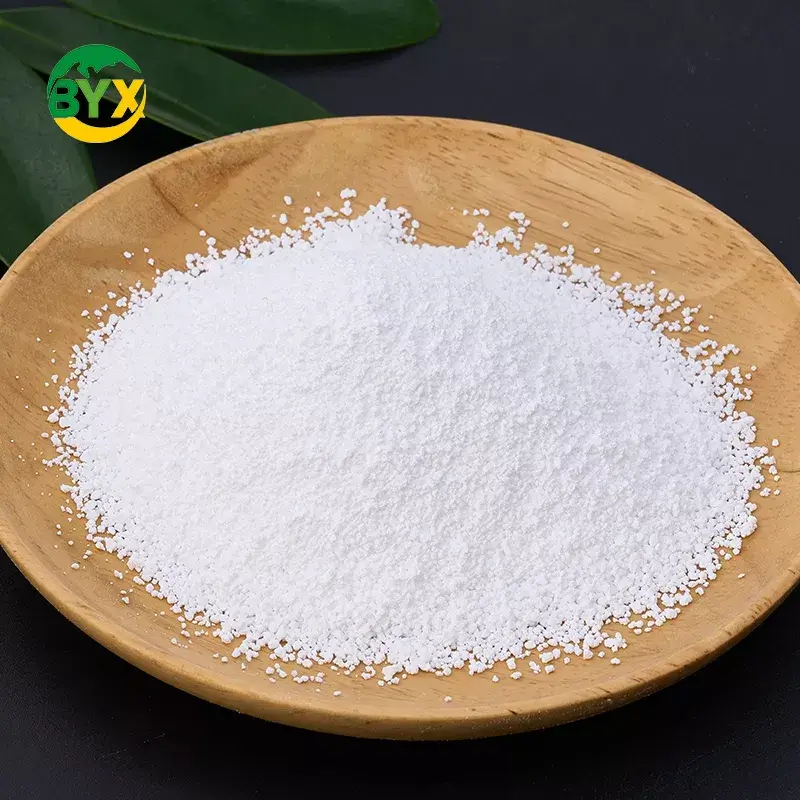
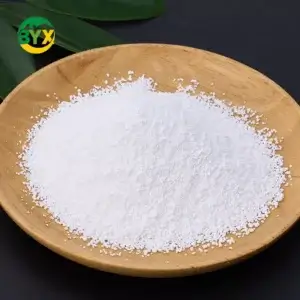
MgSO₄·H₂O: White, fine powder with no visible crystalline structure.
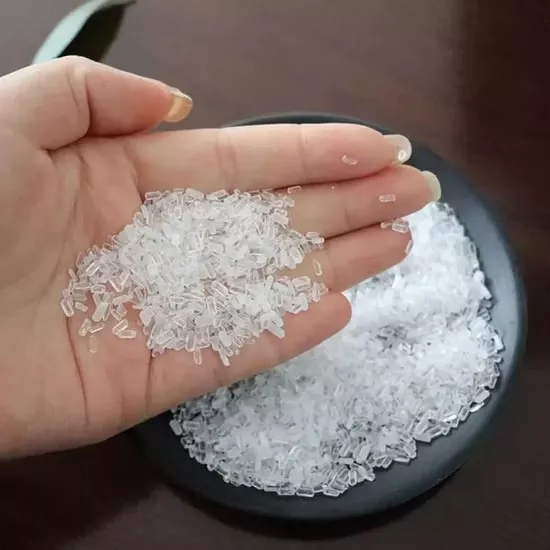
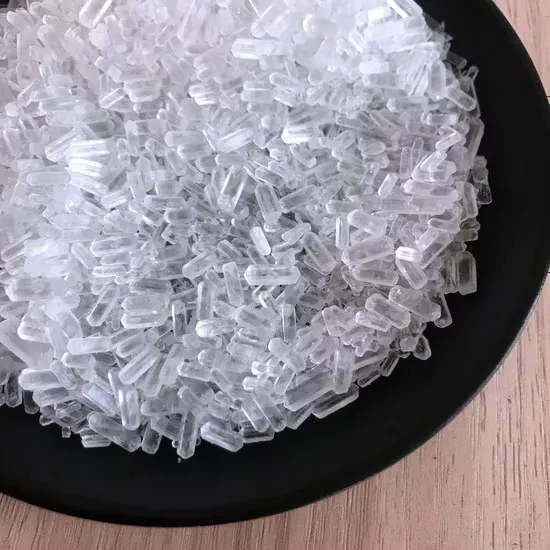
MgSO₄·7H₂O: Transparent or white columnar crystals with a glass-like texture.
2. Chemical Composition
Hydration State:
Monohydrate contains 1 water molecule (molecular weight: 138.38 g/mol).
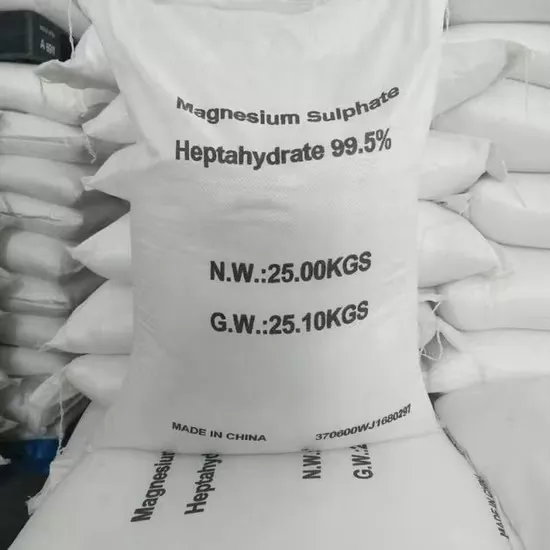
Heptahydrate contains 7 water molecules (molecular weight: 246.47 g/mol).
Magnesium Content:
Monohydrate delivers ~17.4% Mg by mass.
Heptahydrate provides ~9.9% Mg, making monohydrate 1.76 times richer in magnesium.
3. Production and Practical Use
Raw Materials: Both variants derive from the same base materials (e.g., sulfuric acid and magnesium oxide), but differ in crystallization processes.
Agricultural Applications:
Monohydrate’s higher Mg concentration makes it preferable for foliar sprays requiring rapid nutrient absorption.
Heptahydrate’s stable crystalline form allows precise dosing in soil amendments and hydroponic systems.
Industrial Handling:
Heptahydrate’s solubility in water simplifies mixing for liquid formulations, while monohydrate’s low moisture content reduces clumping in dry blends.