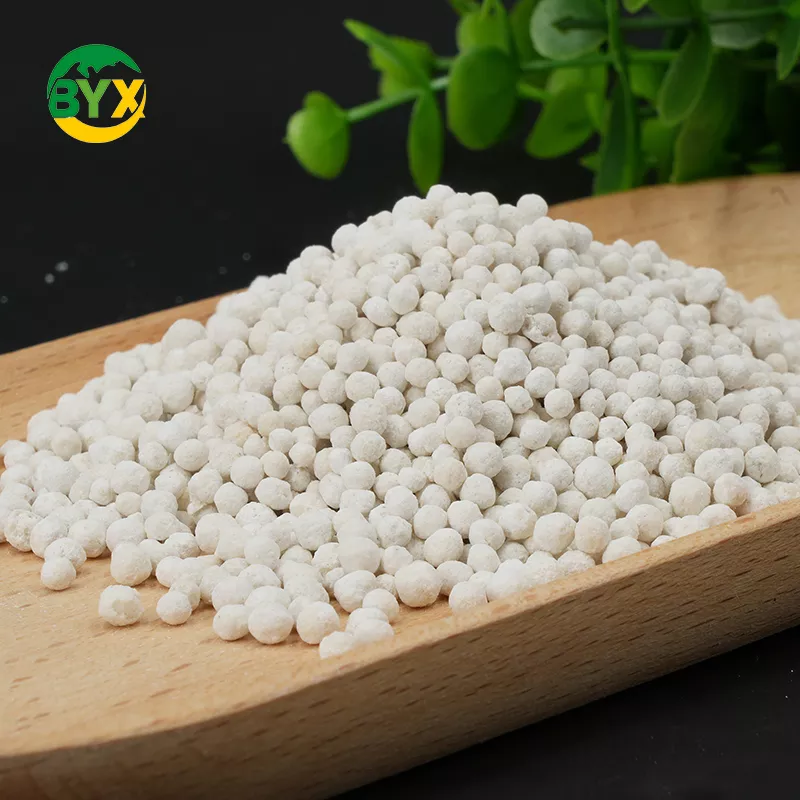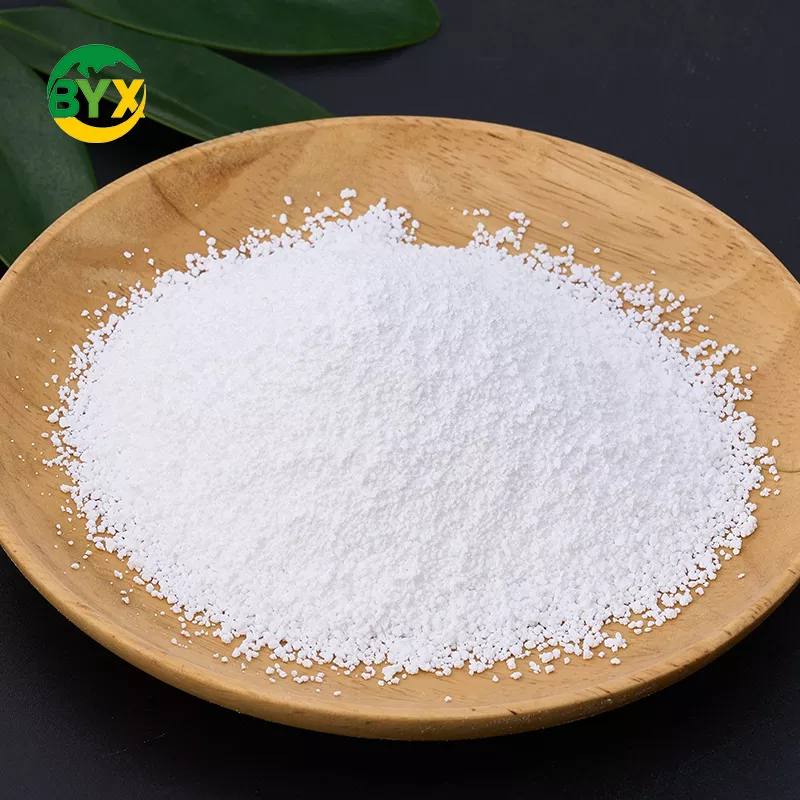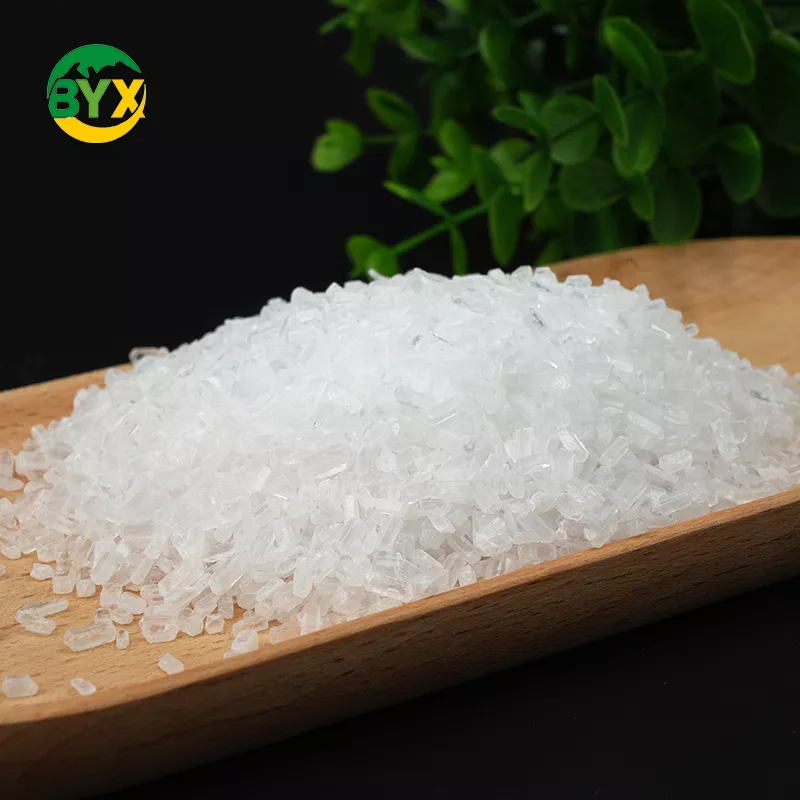
Magnesium sulfate, a naturally occurring mineral compound, plays a vital role in modern agriculture. Its dual functionality as a soil amendment and livestock supplement makes it indispensable for sustainable farming practices. Below, we explore its key applications and benefits.
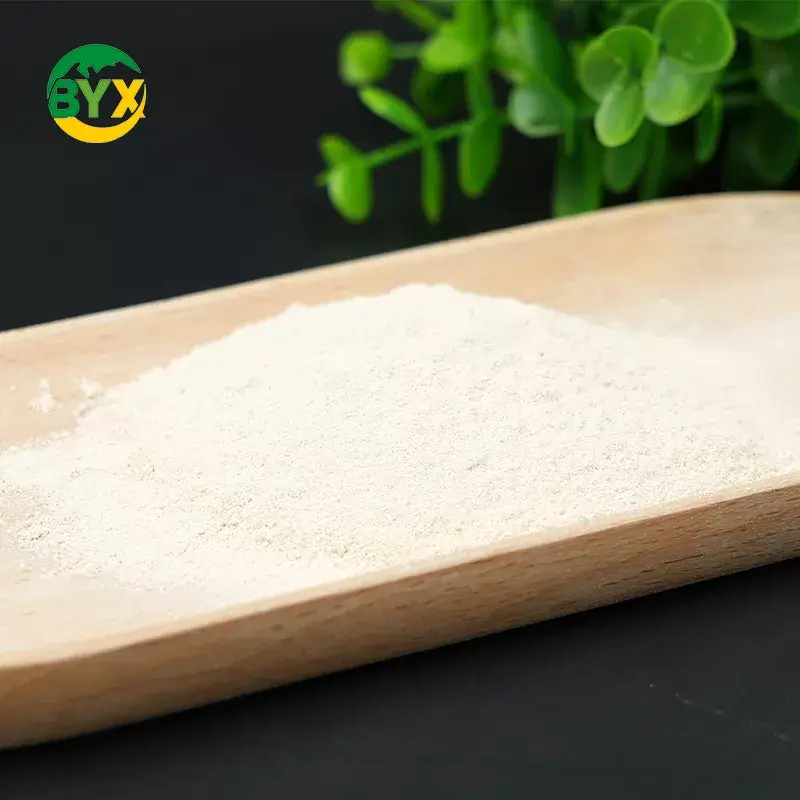
Magnesium Sulfate as a Fertilizer
**Applications and Benefits:**
Soil Enhancement: Magnesium sulfate is widely used to correct magnesium-deficient soils. Magnesium is a core component of chlorophyll, essential for photosynthesis and energy production in plants.
High Solubility Advantage: Unlike slower-acting alternatives like dolomitic lime, magnesium sulfate dissolves rapidly in water, ensuring quick nutrient absorption by crops.
Crop-Specific Benefits:
Potatoes: Improves tuber size and starch content.
Tomatoes and Peppers: Enhances fruit quality and reduces blossom-end rot.
Roses and Ornamentals: Promotes vibrant blooms and robust foliage.
Hemp: Supports healthy growth and cannabinoid production.
Usage Recommendations:
Apply as a foliar spray (0.5–1% concentration for vegetables, 0.3–0.8% for cereals).
Incorporate into soil during planting or as a top-dressing (10–15 kg per acre for field crops).
Magnesium Sulfate in Animal Feed
Critical Roles in Livestock Health:
Bone Development: Magnesium is vital for skeletal formation and muscle function in poultry, cattle, and swine.
Enzyme Activation: Acts as a cofactor for metabolic enzymes, ensuring efficient nutrient utilization.
Neurological Stability: Prevents disorders caused by magnesium deficiency, such as muscle tremors and growth retardation.
Deficiency Symptoms:
• Cattle: Grass tetany, reduced milk yield
• Poultry: Thin-shelled eggs, leg weakness
• Swine: Convulsions, growth retardation
Practical Implementation:
osage Guidelines: Add 0.1–0.3% magnesium sulfate to feed formulations.
Benefits for Dairy Cattle: Enhances milk yield and quality by optimizing metabolic pathways.