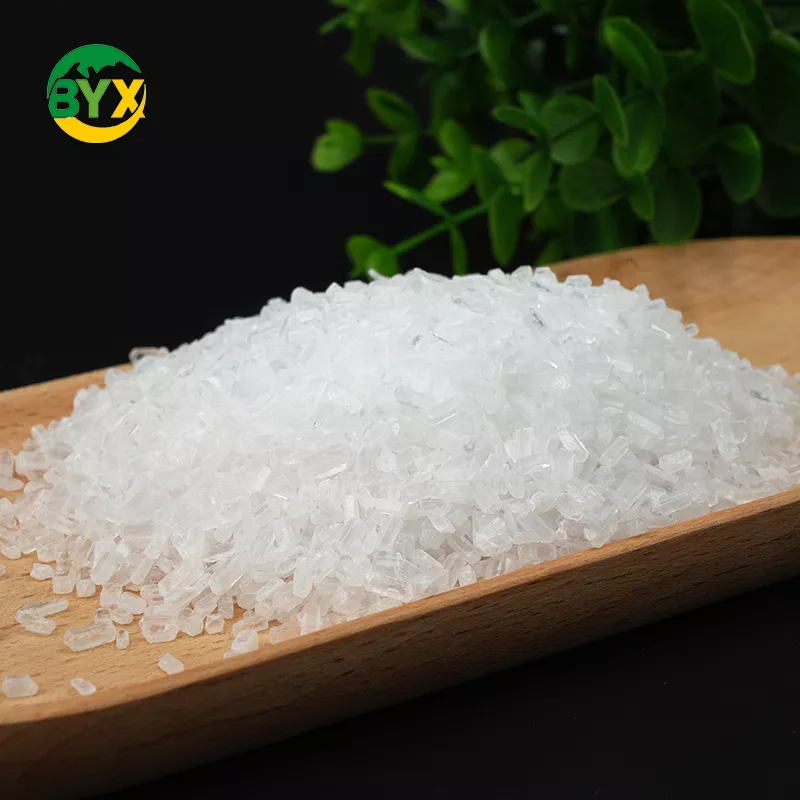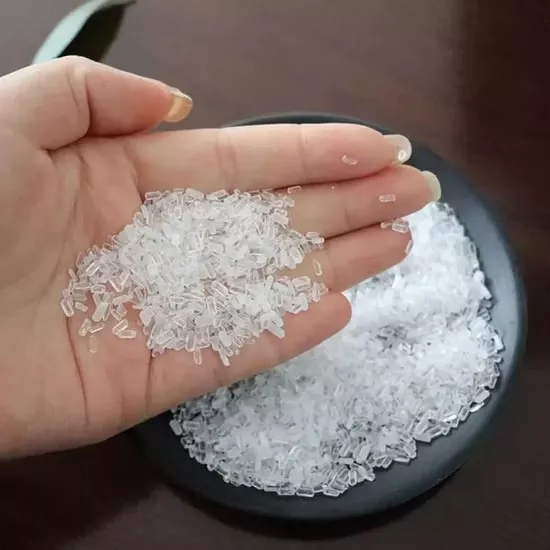
Magnesium sulfate heptahydrate in Gardening: Debunking the "Miracle Fertilizer" Myth
For years, Epsom salts (magnesium sulfate heptahydrate) have been touted as a cure-all for plants—claimed to boost growth, prevent yellow leaves, and even repel pests. However, modern gardening practices reveal that these claims are often exaggerated. Let’s explore why relying solely on Epsom salts can be misleading and how to care for plants effectively.
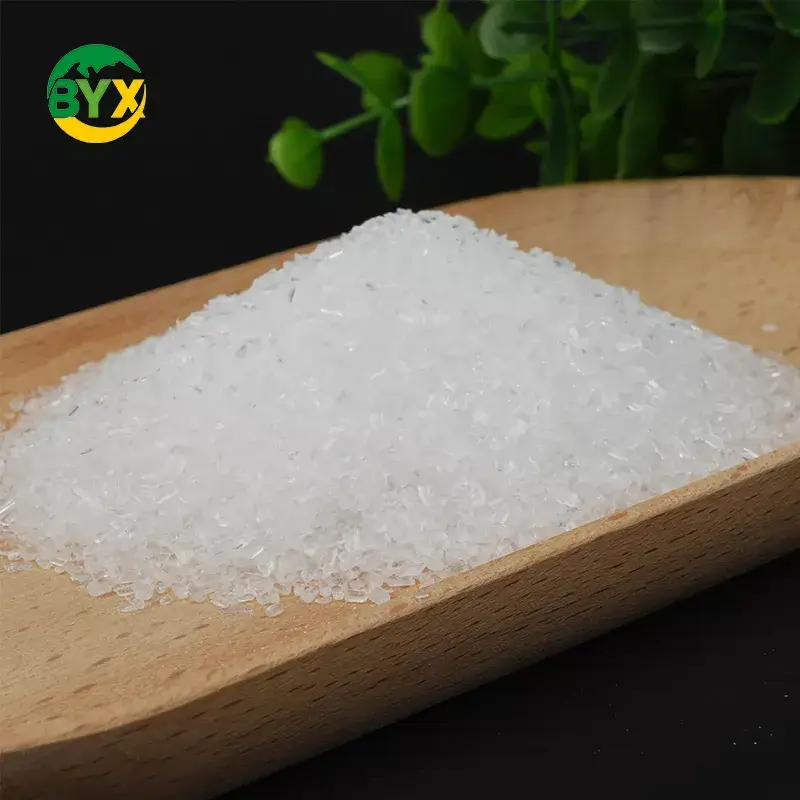
1. Addressing Yellow Leaves: Is Magnesium Deficiency the Real Issue?
While magnesium deficiency can cause yellowing leaves (chlorosis), it’s rarely the only culprit. Before reaching for Epsom salts:
Check Soil Moisture: Overwatering or drought stress often mimics nutrient deficiencies.
Test Soil pH: Alkaline soils (pH >7) lock out magnesium and iron, even if nutrients are present.
Use Balanced Fertilizers: Opt for micronutrient-rich fertilizers (containing iron, zinc, boron) instead of isolated magnesium supplements.
Magnesium sulfate heptahydrate only provide magnesium and sulfur—two elements already abundant in most soils. Overuse can lead to salt buildup, harming roots and soil structure.
2. Preventing Blossom Rot: Calcium vs. Magnesium Myths
A common myth suggests Epsom salts prevent tomato blossom-end rot. However:
Blossom Rot is Linked to Calcium Deficiency: Poor calcium uptake (due to uneven watering or acidic soil) causes this issue, not magnesium shortages.
Solutions: Maintain consistent soil moisture and add crushed eggshells or calcium-rich fertilizers.
3. Do Roses Really Benefit from Epsom Salts?
While some gardeners swear by Epsom salts for roses, research shows minimal impact unless soils are severely magnesium-deficient. For healthier blooms:
Focus on Soil Health: Use compost or organic matter to improve nutrient retention.
Balanced Fertilization: Apply slow-release NPK fertilizers with trace elements instead.
4. Pest Control Claims: A Dangerous Misconception
Magnesium sulfate heptahydrate are sometimes recommended to deter slugs or snails, but:
No Scientific Backing: Diluted sprays (1:100 ratio) may briefly irritate pests but won’t eliminate infestations.
Effective Alternatives: Use beer traps or copper tape for slug control.
Key Takeaways for Smart Gardening
Environment First: Light, water, and soil quality determine 90% of plant health. Fertilizers are supplemental.
Test Before Treating: Use soil test kits to identify specific deficiencies.
Avoid Overhyped Products: “Soil activators” or “magic solutions” often lack evidence. Stick to proven, balanced fertilizers.