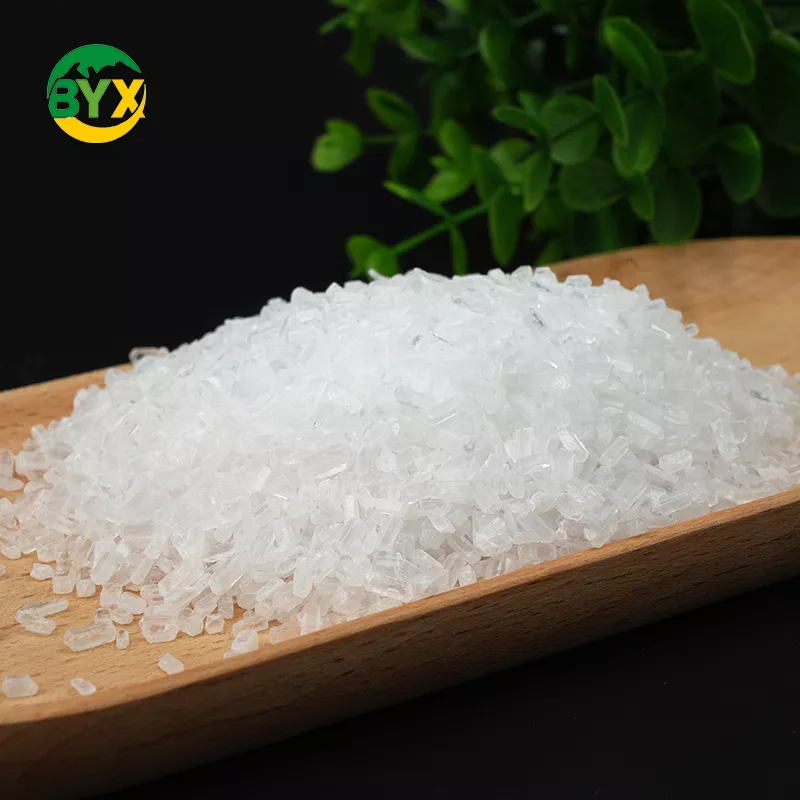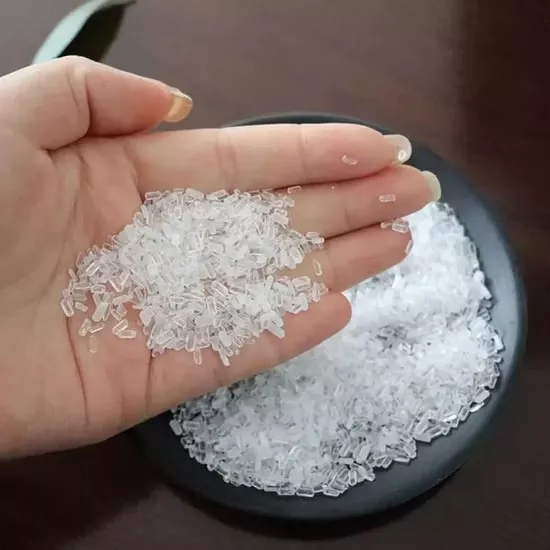
Epsom salt, chemically known as magnesium sulfate heptahydrate, is a versatile and natural compound widely used in agriculture, medicine, and industry. For home gardeners, it’s a game-changer—promoting robust root systems, enhancing nutrient absorption, and even deterring pests. This guide explores how this affordable, eco-friendly solution can transform your gardening results.
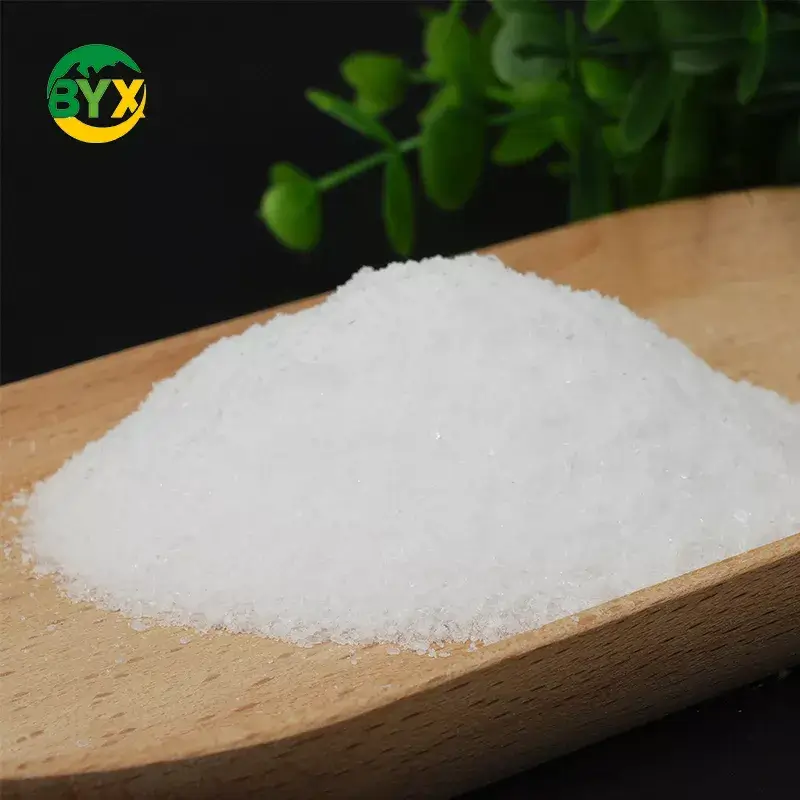
Why Magnesium sulfate heptahydrate?
Epsom salt is rich in magnesium and sulfur—two critical nutrients for plant health. Magnesium strengthens cell walls and boosts chlorophyll production, while sulfur aids in enzyme activation and nutrient uptake. Unlike synthetic fertilizers, it’s gentle on soil, leaves no harmful residues, and is safe for organic gardening.
Key Benefits & Practical Applications
1. Healthier Seedlings
Weak or rotting seedlings? magnesium sulfate heptahydrate can help. Mix 15ml of Epsom salt in 3–4 liters of water and spray on soil before sowing. This strengthens cell walls, accelerates germination, and prevents damping-off. For lawns, lightly sprinkle Epsom salt granules after seeding to encourage dense, vibrant growth.
2. Enhanced Nutrient Absorption
Magnesium and sulfur synergize with nitrogen, phosphorus, and potassium (NPK). Apply a 1:500 diluted solution (1g Epsom salt per 500ml water) monthly during the growing season. Foliar spraying directly on leaves ensures rapid nutrient delivery, ideal for vegetables and flowering plants like tomatoes and roses.
3. Stress-Free Transplanting
Reduce transplant shock by watering newly moved plants with a 1:300 Epsom salt solution. Alternatively, bury 5ml of granules near the root zone. This stimulates root regeneration and prevents leaf yellowing in shrubs, herbs, and perennials.
4. Natural Pest Control
Deter slugs and snails without chemicals. A 1:100 Epsom salt spray applied to foliage creates a protective barrier while nourishing plants. This dual-action method is safe for edible crops like peppers and leafy greens.
5. Combat Magnesium Deficiency
Yellowing leaves with green veins? It’s a classic sign of magnesium shortage. Revive plants by adding magnesium sulfate heptahydrate to soil or using a foliar spray. For potted plants, sprinkle 2–5ml of granules monthly to maintain vibrant foliage.
6. Sweeter, Larger Fruits
Boost sugar content in tomatoes, berries, and peppers by adding Epsom salt to soil. Bury 15ml around the base of fruiting plants to enhance flavor and yield. This trick works wonders for grapes, apples, and raspberries too.
7. Thriving Indoor Plants
Houseplants benefit from a 1:500 foliar spray every 4–6 weeks. Avoid overwatering by applying directly to leaves or mixing granules into potting soil. This method ensures optimal magnesium levels without root burn.
8. Vibrant Roses
Roses crave magnesium for lush blooms. When planting, add 15ml of magnesium sulfate heptahydrate to the hole. For established plants, spray a 1:500 solution biweekly during flowering season. This strengthens stems and intensifies flower color.
9. Eco-Friendly Stump Removal
Struggling with tree stumps? Drill holes into the stump, fill with Epsom salt, add water, and cover with plastic. The salt dehydrates the wood, making it easier to remove naturally within weeks.
Usage Tips & Safety
Dosage Matters: Overuse can harm plants. Stick to recommended ratios.
Gloves Recommended: While non-toxic, prolonged skin contact may cause irritation.
Avoid Mixing: Don’t combine with phosphorus fertilizers or alkaline substances (e.g., lime), as this reduces efficacy.
Magnesium sulfate heptahydrate is a gardener’s secret weapon—boosting growth, flavor, and resilience. By following these guidelines, you’ll unlock healthier plants, sweeter harvests, and a thriving garden. Remember: moderation is key to harnessing its full potential!