
Description
Magnesium Sulfate Heptahydrate
Magnesium Sulfate Heptahydrate
Magnesium Sulfate Heptahydrate Detail Show :
Core advantages:
High purity: To assure a purity level of 99.8%, we use the most advanced technical production, Good impurities < 0.1%. Trustworthy for your industrial production and experiments.
Stable quality: The ISO9001 quality management system is strictly adhered to. Finally, each batch of products will go through not fewer than 36 tests to ensure that they are highly stable in performance.
Uniform particles / fine powder: Various mesh sizes/ particle sizes are obtainable in such products to fit in with the application for the end use, so the perfect dispersion and reactivity can be guaranteed.
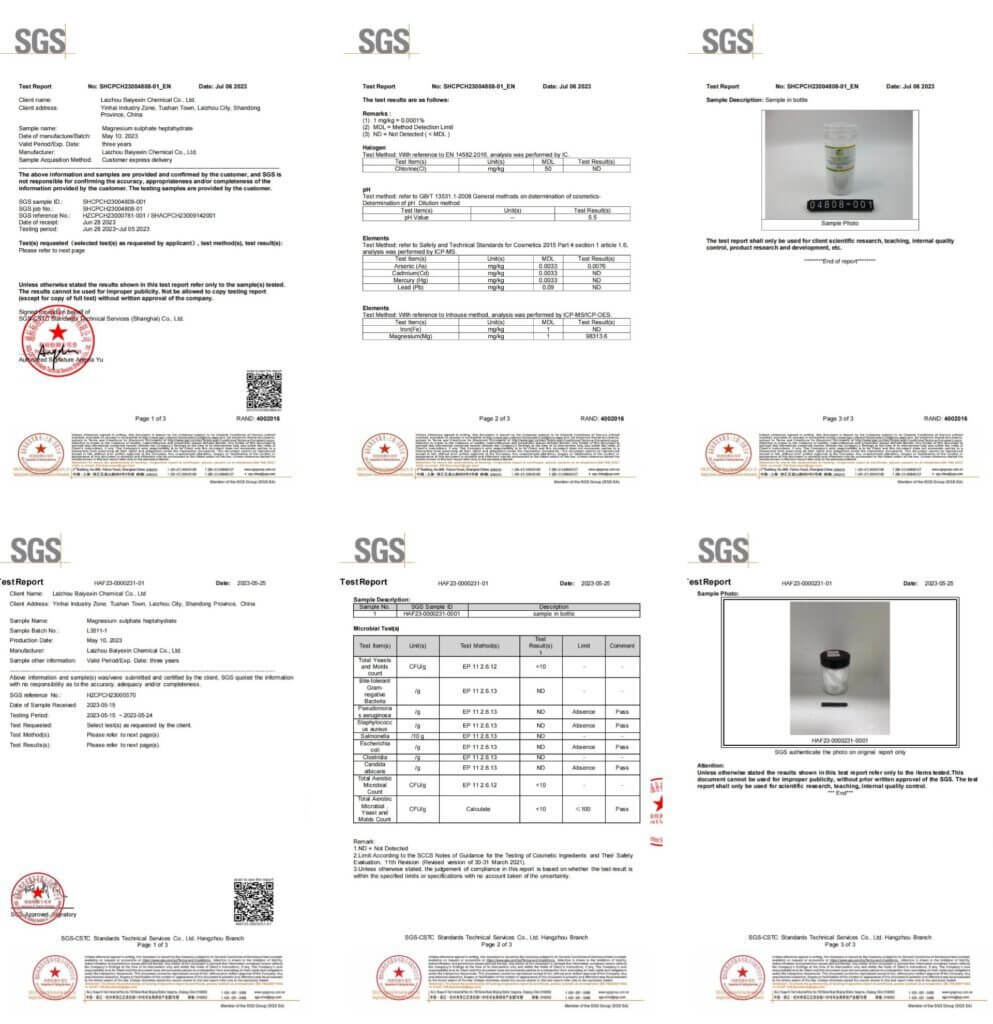
Magnesium Sulfate Heptahydrate Examining Report:
Packaging options offered by Baiyexin:
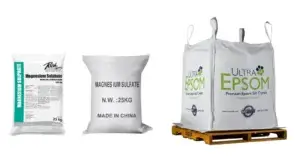
In terms of product packaging, the company can provide woven bags, PE bags, laminated bags, big bags; the weight ranges that are available are 25kg, 50kg, 600kg, 1000kg, and 1200kg.
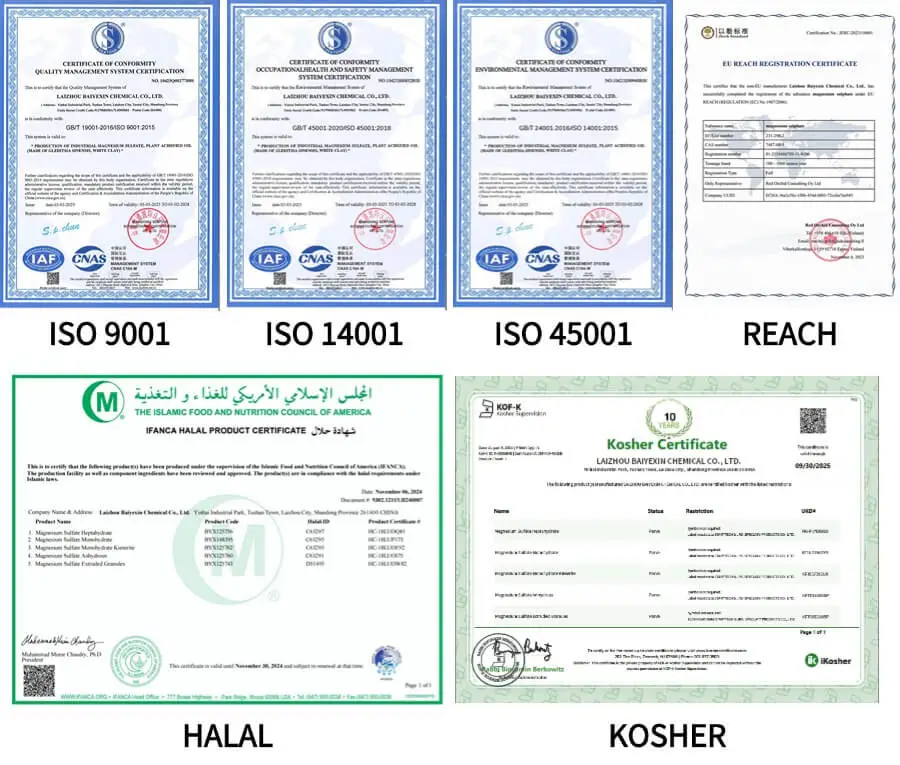
Certification:
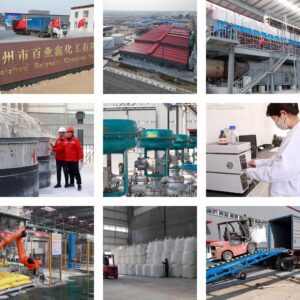
Factory Picture:
Laizhou Baiyexin Chemical Co., Ltd. is known for producing magnesium sulfate with high quality. It specializes in superior quality, and also product’s purity is of their concern. This allowed Baiyexin to develop its products for industrial purposes and even became a reliable companion of people from all over the world.
Overview:
Magnesium sulfate heptahydrate, a key inorganic salt, is chemically represented by MgSO₄·7H₂O and has a molecular weight of approximately 246.47 g/mol. Magnesium sulfate heptahydrate is listed in the International Chemical Identifier (ICI) under the CAS number 10034-99-8 and the EINECS number 231-298-2. Owing to very many other applications like in nutrition, industrial uses or medicinal applications it finds use in plants, in medicine in industry and also in every day living. It is highly consumed for its stable chemical properties and multiple uses within the magnesium salt family including but not limited to high production capacity and high market demand. The core information concerning magnesium sulfate heptahydrate will be provided in this context including in this case even the basic properties to the extent of knowing the existing industry status while production, procurement and application scenarios are discussed.
Key Takeaways
- Basic Information on Magnesium Sulfate Heptahydrate.
- Preparation method of magnesium sulfate heptahydrate.
- Application of magnesium sulfate heptahydrate.
- Magnesium Sulfate Heptahydrate Safety and Storage.
- Magnesium sulfate heptahydrate market and price.
- Laizhou Baiyexin Chemical.
Product Overview
I. Basic Information on Magnesium Sulfate Heptahydrate
1.1 Chemical Properties of Magnesium Sulfate Heptahydrate
Chemical name: Magnesium Sulfate Heptahydrate.
Other names: Epsom salt.
Chemical formula: MgSO₄・7H₂O
Molecular weight: 246.47 grams/mole (120.37 is the molecular weight in grams for the MgSO₄ and 126.10 grams is the molecular weight of the hydrates).
Structure: The composition consists of a Mg²⁺, an SO₄²⁻, and seven water molecules with monoclinic symmetry. Water is held within sulfates by hydrogen bonding.
Inorganic salt properties: This is a neutralization salt from a strong acid-base reaction (from sulfuric acid and magnesium oxide). Magnesium ions (Mg²⁺) and sulfate ion (SO₄²⁻) are rapidly disassociating. It has no organic functional groups and so it is an inorganic material.
1.2 Physical Properties of Magnesium Sulfate Heptahydrate
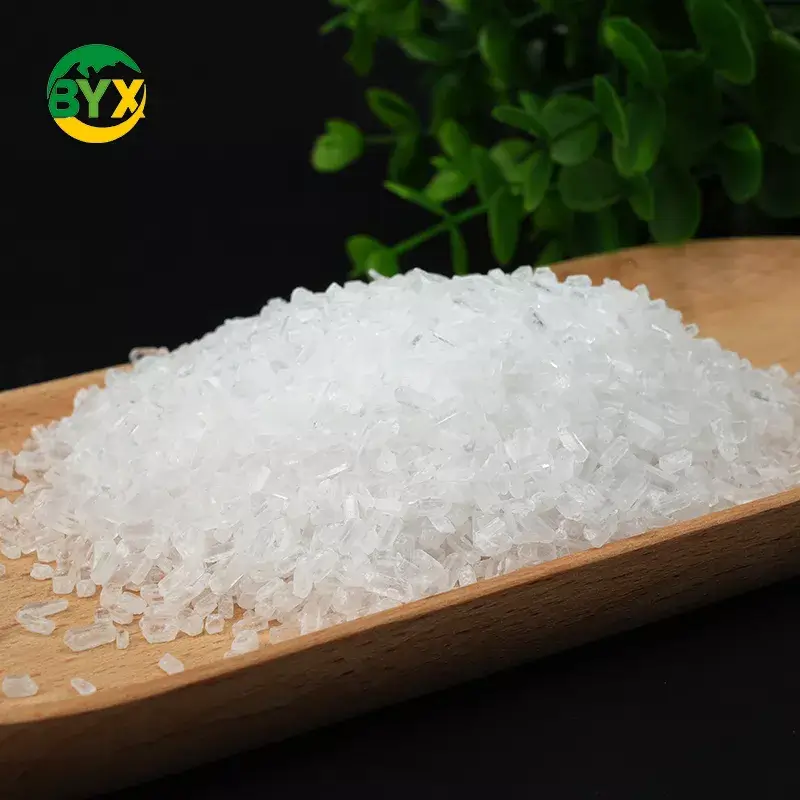
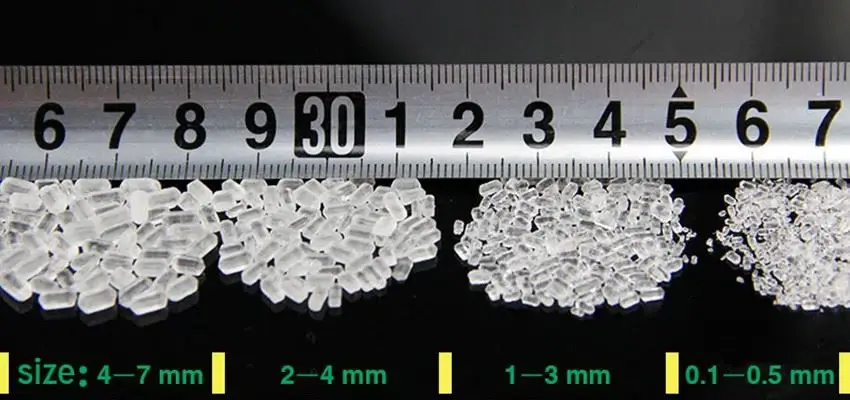
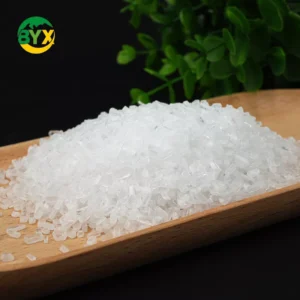
Appearance: White, transparent, needle-shaped or columnar crystals at room temperature, odorless, with a slightly bitter taste. The solid powder is a white fine powder, and the granular product can be categorized into particle sizes of 0.1-1mm, 1-3mm, and 2-4mm.
Solubility: Easily soluble in water (solubility approximately 35.1g/100mL at 20°C), dissolving heat is endothermic; slightly soluble in ethanol (solubility < 0.5g/100mL), insoluble in organic solvents such as acetone and ether.
Density: 1.68g/cm³ (20°C, crystals).
Key Physical and Chemical Parameters: The heptahydrate begins to lose its water of crystallization when heated to 50-70°C, and has no clear "melting point" (after the water of crystallization is lost, the melting point of anhydrous magnesium sulfate is 1124°C, and it decomposes upon melting). The boiling point is of no practical significance (it decomposes into MgO, SO₃, etc. at high temperatures).
Valence: Mg is +2, S is +6, and O is -2. Compositionally, each mol of magnesium sulfate heptahydrate contains 1 mol of MgSO₄ and 7 mol of H₂O, making it a typical ionic compound.
Composition: Approximately 9.86% Mg, 13.01% S, 51.01% O, and 36.13% H₂O. The theoretical MgSO₄ content is approximately 48.8%, and the water of crystallization content is approximately 51.2%.
1.3 Chemical Stability:
Stability at room temperature and pressure: Stable and resistant to oxidation or decomposition. However, it is susceptible to "weathering" in dry environments (when humidity is low, it loses some of its water of crystallization, turning the surface into a white powder, forming magnesium sulfate monohydrate or anhydrous). In humid environments, the dehydrated form can reabsorb water. This reversible hydration-dehydration property makes it valuable in certain desiccant and humidity control applications.
Temperature Dependence: Crystallization water is lost stepwise upon heating: a. 50-70°C: MgSO₄・7H₂O → MgSO₄・6H₂O (loss of one water molecule); b. 70-100°C: Further loss of five water molecules, forming MgSO₄・H₂O (magnesium sulfate monohydrate); c. 200-250°C: Loss of the final water molecule, forming anhydrous magnesium sulfate (MgSO₄); d. 600°C: Anhydrous magnesium sulfate decomposes into products such as MgO, SO₃, and SO₂.
Magnesium sulfate heptahydrate is chemically stable and is not prone to violent reactions.
Typical Chemical Reactions:
Reactions with Alkali: Reacts with NaOH, KOH, etc. to form a white flocculent precipitate of Mg(OH)₂ (e.g., MgSO₄ + 2NaOH = Mg(OH)₂↓ + Na₂SO₄);
Reactions with Salt: Reacts with BaCl₂ to form a white precipitate of BaSO₄ (used to identify sulfate ions), and reacts with carbonates to form a precipitate of MgCO₃;
Reactions with Acids (e.g., HCl) to form magnesium chloride and sulfuric acid;
1.4 Distinction and Conversion of Different Hydration Forms
Magnesium sulfate exists in various hydrated forms, including magnesium sulfate dodecahydrate, magnesium sulfate heptahydrate, magnesium sulfate hexahydrate, magnesium sulfate monohydrate, and anhydrous magnesium sulfate. These different hydrated forms convert into each other under different temperature and concentration conditions, forming complex phase equilibrium relationships.
Table: Core Differences Between Different Magnesium Sulfate Crystal Forms:
The primary difference between magnesium sulfate heptahydrate and anhydrous magnesium sulfate lies in their crystalline water content and physical properties. Magnesium sulfate heptahydrate contains seven molecules of crystalline water, accounting for approximately 51% of its total mass, while anhydrous magnesium sulfate contains no crystalline water. This difference leads to differences in solubility, stability, and application areas. Because magnesium sulfate heptahydrate is less soluble, it is easier to weigh than anhydrous magnesium sulfate, facilitating quantitative control in industry. Anhydrous magnesium sulfate, however, is primarily used as a desiccant due to its strong hygroscopicity.
The following is a conversion diagram for magnesium salt products (text representation):
Magnesite (MgCO₃) → Heating → Magnesium Oxide (MgO) Magnesium Oxide (MgO) + Sulfuric Acid (H₂SO₄) → Anhydrous Magnesium Sulfate (MgSO₄) Anhydrous Magnesium Sulfate (MgSO₄) + Water → Magnesium Sulfate Heptahydrate (MgSO₄·7H₂O) Magnesium Sulfate Heptahydrate (MgSO₄·7H₂O) → Heating (120°C) → Magnesium Sulfate Monohydrate (MgSO₄·H₂O) Magnesium Sulfate Monohydrate (MgSO₄·H₂O) → Heating (250°C) → Anhydrous Magnesium Sulfate (MgSO₄) Anhydrous Magnesium Sulfate (MgSO₄) → High Temperature (>1124°C) → Magnesium Oxide (MgO) + SO₃
II. Preparation of Magnesium Sulfate Heptahydrate:
Industrial Preparation: Mainstream Processes and Application Scenarios
The industrial production of magnesium sulfate heptahydrate focuses on resource utilization and cost control, and is divided into three main process routes:
Process 1: Magnesite Acid Hydrolysis
Raw Materials: Magnesite (MgCO₃ content ≥85%, CaO impurity <5%), industrial-grade sulfuric acid (H₂SO₄ content 93%-98%);
Core Steps: Magnesite pulverization → Reaction with sulfuric acid (MgCO₃ + H₂SO₄ + 6H₂O = MgSO₄・7H₂O + CO₂↑) → Filtration to remove impurities (such as CaSO₄ and Fe₂O₃) → Concentration (evaporation to 35%-40%) → Cooling and crystallization (20-30°C) → Centrifugation → Drying (low temperature) 50°C to prevent loss of crystal water);
Applicable Scenario: Regions rich in magnesia resources (such as Liaoning and Shandong, China). Suitable for producing industrial-grade and agricultural-grade magnesium sulfate heptahydrate, with a product purity of 98%-99%.
Process 2: Direct Processing of Magnesium Sulfate Ore
Raw Material Requirements: Epsom Salt Ore (natural magnesium sulfate heptahydrate ore, MgSO₄・7H₂O content ≥ 90%);
Core Steps: Ore Mining → Crushing → Water Leaching (to dissolve soluble impurities) → Filtration → Concentration and Crystallization → Purification;
Applicable Scenario: Natural mineral deposits (such as the Qinghai Salt Lake in China and Utah, USA). The process is simple and low-cost, and the product purity can reach over 99%, suitable for food-grade and pharmaceutical-grade products.
Process 3: Industrial Byproduct Recovery
Raw Material Sources: Salt Lake Brine (Containing Mg²⁺ and SO₄²⁻), Steel Mill Pickling Wastewater (Containing MgSO₄), Power Plant Desulfurization Wastewater (Containing MgSO₄);
Core Steps: Brine/Wastewater Pretreatment (Removing Calcium, Sodium, and Heavy Metals) → Evaporation and Concentration → Fractional Crystallization (First Precipitating Sodium Chloride, Then Magnesium Sulfate Heptahydrate) → Drying;
Applicable Applications: Chemical Industrial Parks and Enterprises Near Salt Lakes. Highly environmentally friendly ("using waste to treat waste"), this is the current mainstream industrial process, with product purity of 97%-99% and costs 15%-20% lower than the magnesite process.
Laboratory Preparation: Small-Batch Preparation and Operation Details
Common Method: Magnesium Oxide-Sulfuric Acid Reaction Method
Reagents: Analytically pure MgO (≥99%), analytically pure H₂SO₄ (1:3 dilution to avoid a violent reaction);
Steps: Add distilled water to a beaker → Slowly add H₂SO₄ dropwise → Add MgO in batches (until the solution has a pH of 6-7 and no bubbles are generated) → Heat to 50°C and stir to dissolve → Filter (to remove unreacted MgO) → Evaporate and concentrate (until a crystal film appears on the surface) → Cool and crystallize (stand at room temperature for 24 hours) → Filter with suction to obtain magnesium sulfate heptahydrate crystals (purity ≥99.5%);
Reaction of magnesium oxide with sulfuric acid: MgO + H₂SO₄ + 6H₂O → MgSO₄·7H₂O.
Steps: Dissolve magnesium oxide in dilute sulfuric acid, heat and stir, filter, evaporate and concentrate, and cool to crystallize.
Key details: Control the sulfuric acid addition rate (to avoid local overheating), keep the concentration temperature below 50°C (to prevent loss of water of crystallization), and wash the crystals with a small amount of ice water after crystallization (to reduce impurity adsorption).
3. Process Comparison and Dehydration Reaction: Core Differences Between Different Methods:
Balanced Equation for Dehydration of Magnesium Sulfate Heptahydrate to Anhydrous Magnesium Sulfate:
MgSO₄·7H₂O(s) - Δ -Hydroxy MgSO₄·H₂O(s) + 6H₂O(g) (ΔH = +126 kJ/mol);
MgSO₄·H₂O(s) - Δ -Hydroxy MgSO₄(s) + H₂O(g) (ΔH = +48 kJ/mol);
Overall reaction: MgSO₄・7H₂O(s) - ΔH₂O - MgSO₄(s) + 7H₂O(g) (ΔH = +174 kJ/mol, endothermic reaction).
4. Natural Sources and Derivatives
Natural Form: Epsomite occurs primarily as a mineral, commonly found in salt lakes and salt deposits (such as the Qarhan Salt Lake in Qinghai, China, and the Solikamsk Salt Mine in Russia). Natural Epsomite is of high purity and can be directly processed into magnesium sulfate heptahydrate.
Related derivatives: In addition to magnesium sulfate crystals, derivatives include potassium magnesium sulfate (K₂SO₄・MgSO₄・6H₂O, used as a compound fertilizer) and ammonium magnesium sulfate ((NH₄)₂SO₄・MgSO₄・6H₂O, used as agricultural topdressing). Both are prepared by the double decomposition reaction of magnesium sulfate heptahydrate with the corresponding salts.
5. Magnesium Sulfate Heptahydrate By-Product Treatment and Environmental Requirements
By-product Types: CO₂ produced by the magnesite process (recyclable to make dry ice or sodium bicarbonate), waste residue from the acid hydrolysis process (containing CaSO₄ and Fe₂O₃, which can be used as building material filler), and wastewater (containing a small amount of Mg²⁺, which must be neutralized to a pH of 6-9 before discharge).
Environmental Standards: China implements the "Integrated Wastewater Discharge Standard" (GB 8978-1996), which requires wastewater COD <100 mg/L and heavy metal (Pb, Cd) <0.01 mg/L; EU REACH regulations require no persistent organic pollutants (POPs) emissions from the production process.
III. Magnesium Sulfate Heptahydrate Applications:
1. Magnesium Sulfate Heptahydrate in Agriculture: Magnesium Sulfate Fertilizer and Feed Additive
Core Uses: Agricultural magnesium fertilizer, agricultural sulfur fertilizer. Magnesium sulfate heptahydrate is an important dual-element fertilizer. Mechanism of Action: Magnesium is a core component of chlorophyll and participates in plant photosynthesis. Sulfur, a constituent of various amino acids and enzymes, is crucial for protein synthesis and improving crop quality (e.g., increasing fruit sugar content).
Application: Magnesium-deficient soils (e.g., acidic red soils and sandy soils).
Suitable Crops: Citrus, grapes, tomatoes, rice, soybeans, potatoes, and roses; significantly increases yields of leafy vegetables.
Application Method: Foliar spray (0.2%-0.5% solution), soil basal application (5-20 kg/mu of granules).
Note: The dosage should be adjusted appropriately for different crops and soil conditions, and it is best to determine the specific dosage based on soil testing results. Excessive application may cause salt damage or nutrient imbalances.
Comparison of Magnesium Sulfate Heptahydrate and Other Magnesium Fertilizers:
| Magnesium Fertilizer | Type Solubility | Soil pH Impact | Absorption Efficiency | Cost (Relative Value) |
|---|---|---|---|---|
| Magnesium Sulfate Heptahydrate | High | Neutral | 85%–90% | 100 |
| Magnesium Oxide | Low | Alkaline (raises pH) | 40%–50% | 80 |
| Magnesium Chloride | High | Neutral | 75%–80% | 90 |
Compared to other magnesium fertilizers, magnesium sulfate heptahydrate offers significant advantages:
High Solubility: It dissolves more readily than magnesium oxide, magnesium carbonate, and other magnesium fertilizers, facilitating plant absorption.
Fast Effect: Water-soluble magnesium is quickly absorbed by crops, rapidly correcting magnesium deficiency symptoms.
Dual Nutrition: It provides both magnesium and sulfur nutrients, meeting the comprehensive needs of crops.
Soil-Friendly: It does not significantly alter soil pH and is suitable for all soil types. Core Application: Feed Additive
Magnesium Sulfate Heptahydrate Function: Provides magnesium nutrition to livestock and poultry (pigs, chickens, cattle, and horses), improves meat quality (increases magnesium content in muscle), prevents "stress syndrome" (such as muscle cramps and nervous excitement), and enhances immunity.
Industry Standard: Complies with "Feed Additive Magnesium Sulfate" (GB/T 26451-2011), requiring MgSO₄・7H₂O ≥ 98% and heavy metal (Pb) ≤ 0.001%.
Administration: Magnesium sulfate heptahydrate for horses: Add 10-20g daily to feed.
2. Pharmaceutical: Magnesium sulfate heptahydrate is known for its mild action, multiple routes of administration, is a commonly used magnesium supplement and symptomatic treatment in the medical field.
Calactic: After oral administration, it increases intestinal osmotic pressure, retains water in the intestinal lumen, softens stool, and stimulates intestinal peristalsis. It is used to treat constipation and bowel preparation.
Cholagogic: It stimulates the duodenal mucosa, promotes gallbladder contraction and bile excretion, and is used to treat cholecystitis and gallstones.
Anticonvulsants: Injectable drugs suppress the central nervous system and are used to prevent and control convulsions caused by conditions such as eclampsia and tetanus.
Anti-swelling topical medication: The 50% concentrated injection solution, diluted and applied as a wet compress, can be used to treat inflammatory swelling, phlebitis, and other conditions.
Table: Main Applications of Magnesium Sulfate Heptahydrate in Medicine
| Administration Route | Indication | Mechanism of Action | Common Dosage/Concentration |
|---|---|---|---|
| Oral | Constipation, bowel cleansing | Increases in intestinal osmotic pressure, catharsis | Adults: 5-10g once daily (not to exceed 30g/day) |
| Oral | Cholecystitis, gallstones | Stimulates the duodenal mucosa and promotes bile excretion | 2-5g/dose, diluted for oral administration |
| Intravenous Injection | Pregnancy-related eclampsia, anticonvulsant, hypomagnesemia | Inhibits neuromuscular excitability and relaxes vascular smooth muscle | Treatment of eclampsia: Initial dose: 2.5-4g, slowly injected over >10 minutes |
| Topical compress | Soft tissue swelling (e.g., phlebitis, burns) | Hypertonic dehydration to reduce edema | 50% solution applied as a compress 2-3 times daily |
Common pharmaceutical products and brands:
Oral preparations: "Magnesium Sulfate Oral Solution" (10%), "Magnesium Sulfate Powder" (5g per bag);
Injectable preparations: 50% concentrated injection (brands include Huabei Pharmaceutical's "Magnesium Sulfate Injection," Shijiazhuang Pharmaceutical Group's "Magnesium Sulfate for Injection," and Shanghai Pharmaceuticals' "Magnesium Sulfate Injection"). 20mL: 10g;
Topical Preparations: "Magnesium Sulfate Solution" (33%, 50%).
Contraindications and Adverse Reactions:
Contraindications: Patients with severe renal insufficiency (creatinine clearance < 30mL/min), heart block, or intestinal obstruction.
Adverse Reactions: Oral overdose may cause diarrhea and dehydration; rapid intravenous injection may cause hypotension and respiratory depression; long-term topical use may cause dry skin.
3. Industrial Field: Functional Materials and Industrial Applications
Papermaking Industry: Used as a "sizing agent" in combination with rosin to improve the water resistance of paper. Also used as a "filler" to improve paper whiteness and smoothness. Suitable for the production of cultural and packaging paper. The industry standard refers to "Magnesium Sulfate for Papermaking" (QB/T 4446-2012).
Printing and Dyeing Industry: Used as a "mordant" in dyeing cotton and linen fabrics to enhance the bonding between the dye and the fiber and prevent insufficient color fastness. Also used as a A "color fixative" enhances the vividness of printed fabrics.
Flame retardant materials: Combined with polyvinyl chloride (PVC), acrylic resins, epoxy resins, unsaturated polyesters, and polyurethanes, it acts as an "inorganic flame retardant." During combustion, it releases water of crystallization, absorbing heat and suppressing temperature rise. It also forms a MgO coating that isolates oxygen and is suitable for use in wires, cables, and building panels.
Coatings industry: As a "bodyer pigment," it is added to latex paints to improve leveling and scrub resistance. It also acts as an "anti-rust pigment" in metal primers to inhibit metal corrosion.
Food additive: Complies with "Food Additive Magnesium Sulfate" (GB 25588-2010), and is used as a "stabilizer" (e.g., in ice cream and dairy products) and a "coagulant" (e.g., in tofu production). MgSO₄ ≥ 99.0%, Arsenic ≤ 0.0002%. my country stipulates that magnesium sulfate can be used in dairy products at a dosage of 3-7g/kg; in drinking liquids and milk beverages, the dosage is 1.4-2.8g/kg; and in mineral beverages, the maximum dosage is 0.05g/kg.
Leather Industry: Magnesium Sulfate Heptahydrate is primarily used as a filler, strengthener, and processing aid, improving the physical properties and processing quality of leather.
Building Materials Industry: It is used to enhance the strength, fire resistance, and functionality of materials. It is often combined with cement, gypsum, or other composite materials to create high-performance building materials.
Electroplating Industry: Magnesium sulfate is primarily used as a conductive salt and plating bath additive, improving the quality of the coating and process efficiency.
4. Daily Life and Other Applications
Foot Salt/Bath Salt: Adding 5%-10% magnesium sulfate heptahydrate utilizes its hypertonic properties to cleanse, soften, and relieve fatigue. It can be used in foot baths and full-body baths (such as "Epsom Salt Bath"). Common products include "Sea Salt Magnesium Sulfate Bath Packs."
Skin Care: 33% The solution is used to relieve acne and eczema, reduce oil secretion, and is used as an exfoliant in some skincare products.
In cosmetics: It is added to creams and masks as a moisturizer, promoting skin barrier repair through magnesium ions. It also acts as an oil-control agent, suitable for oily skin and hair care products.
In water treatment: It is used for water softening, combining with calcium and magnesium ions to form a precipitate, reducing water hardness. It is also used in wastewater treatment to adjust pH (to neutrality) and remove phosphates (forming a Mg₃(PO₄)₂ precipitate).
In scientific research: It is used as an analytical reagent (such as calibrating EDTA solution) and a culture medium component (for microbial culture, providing magnesium nutrition). It is used in microbial culture and biochemical experiments and requires laboratory-grade (≥99.5% purity) products.
IV. Comparison and Correlation: Differences with Similar Substances
1. Differences with Common Salts
Magnesium Sulfate Heptahydrate vs. Sodium Carbonate (Na₂CO₃):
| Indicator | Magnesium Sulfate Heptahydrate | Sodium Carbonate |
|---|---|---|
| Chemical Formula | MgSO₄·7H₂O | Na₂CO₃ |
| Acidity and Alkalinity | Neutral (solution pH=6.5-7.5) | Alkaline (solution pH=11-12) |
| Core Application | Magnesium fertilizer, medicine, flame retardant | Detergent, glass manufacturing, food additive |
| Reaction Characteristics | Reacts with alkalis to form Mg(OH)₂ precipitate | Reacts with acids to form CO₂ gas |
Magnesium Sulfate Heptahydrate vs. Magnesium Chloride Hexahydrate (MgCl₂·6H₂O):
| Indicators | Magnesium Sulfate Heptahydrate | Magnesium Chloride Hexahydrate |
|---|---|---|
| Anion | SO₄²⁻ | Cl⁻ |
| Corrosiveness | Low (no corrosion to metals) | High (corrodes iron and steel) |
| Applications | Agriculture, pharmaceuticals, cosmetics | Building materials (magnesia board), deicing agents |
| Environmental Impact | Chlorine-free, soil-friendly | Chlorine-containing, long-term use can cause soil compaction. |
Magnesium Sulfate Heptahydrate vs. Epsom Salt:
Both are the same substance. "Epsom Salt" is the common name for magnesium sulfate heptahydrate (due to the presence of chlorine). Discovered in the English town of Epsom in the 17th century and named for its laxative effect when taken orally), there are no essential differences.
Magnesium Sulfate vs. Magnesium Sulfate Heptahydrate:
"Magnesium sulfate" is a general term encompassing crystal forms such as magnesium sulfate heptahydrate, magnesium sulfate monohydrate, and anhydrous magnesium sulfate. Magnesium sulfate heptahydrate is the heptahydrate of magnesium sulfate and is the most widely used variety in the magnesium sulfate family.
2. Comparison of Agricultural Magnesium Fertilizers (Magnesium Sulfate Heptahydrate vs. Magnesium Oxide vs. Magnesium Chloride)
A detailed comparison has been made in the "Application Areas - Agriculture" section. Here is a summary: The core advantages of magnesium sulfate heptahydrate are "high solubility, rapid absorption, and no change in soil pH," making it suitable for crops requiring rapid magnesium supplementation. Disadvantages include high cost and high leaching (requiring divided application).
3. Environmental Comparison (with Zinc Sulfate and Calcium Sulfate)
Environmental aspects of the production process: Magnesium sulfate heptahydrate (by-product recovery method) < zinc sulfate (requires zinc ore mining) < calcium sulfate (requires gypsum ore mining). Magnesium sulfate heptahydrate is a "waste treatment" approach. This mode minimizes environmental damage.
Post-use impacts: Magnesium sulfate heptahydrate (magnesium ions can be absorbed by crops, leaving no residue) < Calcium sulfate (calcium ions easily deposit, causing soil compaction due to long-term use) < Zinc sulfate (excessive zinc ions can cause accumulation of heavy metals in the soil).
Waste disposal: Magnesium sulfate heptahydrate is naturally biodegradable (soluble in water), while zinc sulfate and calcium sulfate require professional disposal. Magnesium sulfate heptahydrate is more environmentally friendly.
V. Safety and Storage:
Risk Control and Operating Standards
1. Safety and Hazard Identification
- Hazardous Chemical Classification: Some chemicals under "List of Hazardous Chemicals" (2022 edition) will not be included due to their classification of causing no hazard. General chemical products, which are irritating to the skin, are covered.
- Toxicity and Side Effects: The substance has low levels of toxicity, LD₅₀ in rats amounting to the ingestion of 6450 mg/kg; inhalation extending over a period of time may cause irritation and coughs in the respiratory tract, while tangential contact with heavy concentration solutions may result in mild edema and erythema; ingestion might cause vomiting as well as electrolyte disorder particularly when more than 50 g is consumed.
- Hazard Level: Irritant (Skin) – MILD, Irritant (Respiratory) – MILD, toxic (Oral) – LOW TOXICITY.
2. First Aid Measures
- Skin Contact: Take the clothes that have been exposed to the contaminated area off and wash the skin thoroughly with water in running stream for a disability lasting for 15 minutes. If there is any redness or swelling, use calamine lotion.
- Respiratory Inhalation: Go outside or where there is good air circulation and make sure the person continues breathing adequately for ten(10) minutes. If the person is unable to breathe and starts coughing, or pain occurs in the chest, it is necessary to administer oxygen and seek the attention of a physician without delay.
- Ingestion: Drink plenty of warm water in an effort to push vomiting (if conscious) and keep the manufacturer’s label for a physician. In order such symptoms could lead to intestinal discomfort, do not take antidiarrheal Drugs on your own.
3. Handling and Storage Specifications
Handling Precautions:
- Personal Protection: Use a respirator (N95 level to avoid dust), rubber-non latex gloves (to lower the permeating of solutions), protective eyewear (to shield the eyes from the liquid);
- Working Environment: Make sure the ventilating device is functioning well (air velocity is not less than 0.5 meters per second) in order to combat the dust; There is no smoking, there is no eating, and there is no drinking (to minimize the risk of ingestion); Wear gloves and ensure cleanliness of hands and face after work.
Storage Conditions:
- Environment Requirements: The conditions should be cool and dry with the temperature being not more than 30°C and the relative humidity being equal to or less than 60 % and protected from sunlight.
- Container Material: The materials used in the container should be polyethylene (PE) plastic drums or polypropylene (PP) woven bags or ceramic jars. Iron containers should not be used (to avoid sulfate attacks) .
- Isolation Requirements: Leave a gap of ≥ 1 m from such strong acids as NaOH and such strong oxidizers as potassium permanganate to the product.
- Shelf Life: If the product is unopened it lasts for between 1 and 2 years (depending on whether it is agricultural/industrial grade) or 2 to 3 years (using food/pharmaceutical grade); once opened the product should be resealed properly and used within 3 months. Within this period, the enhanced improved product is subject to exhaustion by weather agents or spoilage.
4. Emergency Treatment and Wastewater Disposal
· Leakage Management:
- Scattered solids: They may be swept up using a plastic broom, collect in dust proof plastic bags and dispose of as industrial waste.
- Solution leaks: Sand and soil can be spread over the leak, and then ghosts from the floor should be washed away with water (the water used for cleaning should neutralize to a pH of 6-9).
- Fire and Explosion: Magnesium sulfate heptahydrate possesses neither flammable nor explosive qualities. Nevertheless, if a fire occurs in its place, it should be put out with generous quantities of water and into a storage area to avoid heat dehydration and formation of dust particles.
· Wastewater/Waste Management:
- Production wastewater: The production wastewater in question should first be neutralized to a pH of 6-9, sediment settled in a sedimentation tank, and finally discharge followed (befitting GB 8978-1996).
- Waste products: Waste Industrial/agricultural grade wastewater could be used for soil or agricultural rehabilitation ( limited use) or disposed of in waste conversion factories. Waste Pharmaceutical/food grade wastewater must be confined by ‘medical waste’ restrictions and must not be dumped for any reasons.
VI. Market and Development: Size, Companies, and Trends
1. Market Size and Drivers
- Global Market: By 2025, around 1.5 million tons of magnesium sulfate heptahydrate will be produced globally, with the most significant regions in terms of production and sales being the Peoples Republic of China (50%), North America (20%), Europe (15%) and other parts of the world (9%).
- Application Structure: The agricultural sector makes up 55% of consumers (producing magnesium fertilizer), while 30% is consumed in industry (producing paper and flame retardants), ten percent in health, and two mined and five percent in other activities.
- China Market: ‘In 2025, the output will extend to 750,000 tons; key producer and sales provinces will be shandong (Laizhou, Weifang; 35% by output), Qinghai (projected salt lake deposits; 25% by output) and Jiangsu (especially for industrial purposes; 15% by output).
Drivers:
- Agriculture: The worldwide spread of soils that lack magnesium such as, for instance, the red soil regions in the south of China and a high cultivation of crops with high value addition like oranges and grapes has ensured that the demand for magnesium fertilizers has gone on to grow.
- Pharmaceuticals: A constant need has been a treatable eclampsia and who is taking a look at recent society expansion in the percentage of patients that are accursed by hypomagnesemia mostly elderly patients and patients with lifestyle diseases and this has subsequently increased secondary sales of injections as well.
- Industry: Environmental requirements for flame retardants (for instance, EU ET2006/95/EC) motivate switching to non-bio liquid flame technology in which brominated flame retardants are used.
2. Major Manufacturers and Competitiveness
3. Technology Trends and Industry Opportunities and Challenges
Technology Development Trends:
- Green Preparation: Encourage “by-product recovery” as a way of cutting back on mineral mining; Improve “low-temperature crystallization technology” with an aim to 30% reduce energy consumption (which is further more energy saving or efficient than traditional concentration);
- High Value-Added Products: Manufacture development of pharmaceutical grade high purity products (over 99.8%), nano magnesium sulfate heptahydrate (made for formulations in cosmetics), and prolonged effect of fertilizers- coated agricultural granules.
- Environmental Protection Technologies: Approach No Wastewater Discharge (evaporation and crystallization to extract magnesium salts), and utilization of waste residue resources (used for construction purposes).
Opportunities:
- Emerging Applications: New Energy (as an additive to lithium battery electrolyte to enhance ion conductivity), Biomedicine (magnesium ions target drug delivery system);
- Policy Support: The "Rural Revitalization" strategy of China promotes growing use of eco-friendly agricultural products, and under European "Green Deal," goal is to switch from inorganic flame retardants.
Challenges:
- Cost Pressure: Changes in the prices of raw materials, for example, sulfuric acid and magnesite, for instance, sulfuric acid does not have stable prices and the price varies by 20 to 30 percent in a year;
- Environmental Protection Policies: China’s dual carbon target, the target of which is high-energy consuming concentration processes, is on the verge of being threatened by production controls.
- Market Competition: The low purity range of the products is rather undifferentiated and price battles are eroding their profits.
VII. Market Conditions and Price Influencing Factors
There are several factors determine the price of magnesium sulfate heptahydrate in the market and the prices usually keep changing. According to the current market trend, the price of magnesium sulfate heptahydrate comes with a certain margin.
Table: Market Prices of Magnesium Sulfate Heptahydrate by Purity Grade (2025 Reference)
| Product Grade | Purity | Price (Yuan/ton, Chinese Market) | Packaging Specification |
|---|---|---|---|
| Agricultural Grade | 98% | 500-700 | 25kg/50kg Woven Bag/1000kg Ton Bag |
| Industrial Grade | 99% | 550-750 | 25kg/1000kg Ton Bag |
| Food Grade | 99.20% | 600-900 | 25kg Sealed Drum |
| Pharmaceutical Grade | 99.50% | 2000-3000 | 1kg/5kg Aluminum-Plastic Bag |
| Laboratory Grade | 99.80% | - | 500g/1kg Reagent Bottle |
Price Influencing Factors:
- Raw material costs: the rise in prices for magnesite and sulfuric acid was experienced (for example, it was 500 yuan/ton for sulfuric acid; now the price reached up to 800 yuan/ton while the cost of Magnesium Sulfate Heptahydrate went up by 10-15%);
- Supply and demand: Another factor leading to increased prices is the seasonality in agriculture (spring planting) which pushes prices by 5-8% higher;
- Purity and specifications: The cost increases by 10-15% for every increase of 0.5% in purity and most prominently in pharmaceutical grades; The price difference between granular and powder forms is around 10-15% and can be explained by easier usage in granular products;
- Transportation costs: There is an additional charge of 200-300 yuan per ton for transportation to places other than the production zone itself (as in the case of southern China) (logistics costs);
- Policy factors: The enforcement of environmental regulation and the production restriction cause a decline in Capacity, thereby leading to an increase in the prices within the short term by 20-30% (for instance when there was a 2024 environmental inspection in Shandong China).
VIII. Industry Standards: Pharmacopoeias and Industrial Specifications of Various Countries
1. Pharmacopoeia Standards (Key Indicators)
| Pharmacopoeia Code | Applicable Region | Purity Requirement (MgSO₄) | Moisture Requirement (Heptahydrate) | Heavy Metal Limit (Pb) | Arsenic Limit (As) |
|---|---|---|---|---|---|
| USP (United States Pharmacopeia) | USA, North America | ≥99.0% | 13.0%-16.0% | ≤0.001% | ≤0.0002% |
| EP (European Pharmacopoeia) | Europe, Global | ≥99.0% | 13.0%-16.0% | ≤0.001% | ≤0.0001% |
| ChP (Chinese Pharmacopoeia) | China | 99.5%-100.5% | 13.0%-16.0% | ≤0.001% | ≤0.0002% |
| IP (Indian Pharmacopoeia) | India | ≥99.0% | 12.5%-16.5% | ≤0.001% | ≤0.0003% |
| BP (British Pharmacopoeia) | UK, Commonwealth | ≥99.0% | 13.0%-16.0% | ≤0.001% | ≤0.0002% |
2. National Standards for Industrial Products
China GB Standards:
- Concerning the Standard Called “Industrial Magnesium Sulfate” (GB/T 26568-2011): In the agricultural form, the product should contain at the least 98.0% of MgSO₄. 7H₂O and ultimately 0.2% of insoluble matter. Additionally, the pH of a 5% solution of agricultural grade is set in the range of 5.0 – 9.0. On the other hand, the content of MgSO₄ in industrial grade is not less than 99.0% and the impurity amount is limited to 0.1%.
- With the Standard “Feed Additive Magnesium Sulfate” (GB/T 26451-2011): Magnesium Sulfate Heptahydrate must be at least 98.0%, heavy metal content(Pb) must not exceed 0.001%, and arsenic content must not exceed 0.0002%.
- The Standard “Food Additive Magnesium Sulfate” (GB 25588-2010): Mgso4 must be a minimum of 99.0%, while the levels of lead and mercury must be maximum 0.0005% and 0.0001% respectively. ISO 8298-2000 makes it clear that 98.0% and 0.5% of insoluble matter assure an adequate level of industrial MgSO4 respectively.
3. Key Points of Compliance with EU REACH Regulations
- Registration Requirements: Companies manufacturing in quantity more than 10 tons per annum have no option but to accomplish REACH registration (i.e., obtaining registration number in the format of 01-2119584257-46-0000);
- Restrictions: The level of heavy elements (that of cadmium and mercury) in the items can be 0.0001 percent or less, and phthalate-like detrimental compounds should not be added;
- Notification Requirements: In case of cosmetic or medicinal use, the purpose of use and the data on its safety must be submitted to the European Chemicals Agency (ECHA);
- Testing Requirements: Reports on toxicity in an acute form, irritation to the skin or degradation in the environment must be present (for instance, OECD guideline 301B Biodegradability test).
IX. Purity Grades
1. Classification by Application and Purity
| Purity Grade | Core Indicator (MgSO₄ Content) | Typical Impurity Content | Application Scenarios |
|---|---|---|---|
| Agricultural Grade | ≥98.0% (MgSO₄·7H₂O) | Water-insoluble substances ≤0.2%, Ca ≤0.5% | Soil base application, foliar spray magnesium fertilizer |
| Industrial Grade | ≥99.0% (MgSO₄) | Water-insoluble substances ≤0.1%, Fe ≤0.005% | Papermaking, textile dyeing, flame retardant materials |
| Food Grade | ≥99.2% (MgSO₄) | Pb ≤0.0005%, As ≤0.0002% | Food stabilizer, coagulant |
| Pharmaceutical Grade | ≥99.5% (MgSO₄) | Pb ≤0.0001%, total bacterial count ≤100CFU/g | Oral preparations, injections, external drugs |
| Laboratory Grade (AR) | ≥99.5% (MgSO₄) | Total impurities ≤0.5%, Cl⁻ ≤0.005% | Chemical analysis, scientific research experiments |
| Extrapure Grade | ≥99.8% (MgSO₄) | Total impurities ≤0.2%, metal ions ≤0.0001% | High-end scientific research, biomedicine |
2. Classification by Form and Particle Size
Form:
- Powder: The particles are smaller than 0.1 mm; the material dissolves without any difficulty, powder as a form of product is used all over the world in various foliar fertilizers, pharmaceutical powders, laboratory reagents.
- Granular: The particle size is ranging from 0.1-1 mm (fine), 1-3 mm (medium), 2-4 mm (coarse), and the material has a very good flow ability which is important when the material is being used for filling of the soil or industrial fillers for the less dusty industries.
Typical Application Specifications:
- 0.1-1mm granules: Inclusion of fertilizer to the growing vegetables in the greenhouse (even distribution);
- 1-3mm granules: Fertilizing ground cereals (such as maize or paddy) through use of a base fertilizer;
- 2-4mm granules: Isles especially for (lemons, oranges, and others) fertilizer application provided.
X. Identification and Quality Control: Methods and Indicators
1. Identification Methods (Laboratory and Field Rapid Tests)
Laboratory Identification (Accurate):
- Sulfate Ion Test: Add barium chloride solution into the sample solution, and a white precipitate which is not soluble in strong bath of acid (BaSO4) will appear.
- Magnesium Ion Test: Dispense sodium hydroxide solution into the sample solution. The white flocculent precipitate that appears, Mg(OH)2, will not dissolve even when excess NaOH is present (unlike in the case of Al3+).
- Water of Crystallization Test: Put a gram of the sample into an oven heated to 200°C and as one observes a 50-51% loss of mass, that would mean they are dealing with the seven water molecules per unit which will be lost.
Field Rapid Identification (Simple):
- Appearance: The substance presents itself as white crystals with needle-like or columnar shapes; they have a slightly bitter taste but in contrast salty sodium chloride, it does not have any smell.
- Solubility: Take a small sample with water and try to dissolve it; there should be no turbid solution formed ‘this’ thereby eliminating such inferior quality products which may contain impurities.
- pH Test: Use a pH paper strip to test a 5 % solution; it will be neutral, i.e. between 6.5 and 7.5 pH (in contradiction with the alkalinity of sodium bicarbonate pH).
2. Common Impurities and Their Effects
Main Types of Impurities:
- Calcium Salts (CaSO₄): Affects agricultural applications (reduces magnesium absorption efficiency) and industrial applications (causes scale buildup).
- Iron Salts (Fe₂(SO₄)₃): Affects the color of pharmaceutical products (yellowing) and cosmetic applications (skin staining).
- Heavy Metals (Pb, Cd, Hg): Excessive amounts in pharmaceutical/food-grade products can cause poisoning (e.g., Pb exceeding limits causes neurological damage).
- Water-Insoluble Matter (Silt, SiO₂): Affects solution clarity, unsuitable for pharmaceutical injections and cosmetics.
- Impurities' Impact: Magnesium Sulfate Heptahydrate Pharmaceutical grade > Food grade > Industrial grade > Agricultural grade (Pharmaceutical grade is most sensitive to impurities, while agricultural grade has the highest tolerance).
3. Quality Standards and Procurement Criteria
Core Quality Standards: Refer to national pharmacopoeias (pharmaceutical/food grade) and GB/T 26568-2011 (industrial/agricultural grade), focusing on three key indicators: purity, impurities, and moisture content.
Key Indicators for Procurement:
- Purity: Not less than 98 % for Agricultural, not less than 99 % for Industrial and not less than 99.5 % for Pharmaceutical purpose;
- Impurities: Lead-containing metabolic wastes ≤0.001 % (for pharmaceutical or food purposes), less than or equal to 0.2 % of non-solution in agricultural, impurities levels;
- Moisture: In cases where the content of moisture in the heptahydrate is in range of 13%-16% be alarmed, as below that the reagent is spoiled, while excessive induces its hygroscopicity;
- Particle size: The appropriate form of the crystals is selected based on the purpose (for instance, powder for spraying plants, granules of size 1-3mm for direct soil applications);
- Packaging: Sealed in its original package (with no defects, no spills), labels (with the content of the compound, date of manufacture and expiration details).
XI. Packaging Options: Specifications and Applications
Note: Paper/Food grade packaging must comply with the “Determination of Plasticizer Content in Food-Contact PVC and PVDC Products” (regulatory document TP TC 007, RUSSIA) so as to prevent migration of plasticizers. For long-term storage, it is better to use sealed drums as opposed to woven bags – they help to protect the stored products by providing increased resistance to moisture.
XII. Laizhou Baierxin Chemical Industry: Quality and Service Overview
1. Quality Assurance and Certification
- Certification System: includes ISO 9001 - Quality Management systems, ISO 14001 - Environmental Management systems, ISO 45001 – Occupational Health & Safety Systems, EU Reach Regulations Halal and Kosher certificates.
- Product Certification: Pharmacy ingredients conform with ChP 2020 Bel Iatsen standards and were evaluated by Clients such as SGS and Intertech together with other related agencies for third party testing; Food ingredient standards in China are fitting GB bills 2010 alongside food preparing licenses (ol).
- Quality Control: Inspecting raw materials (testing each batch for impurities-in-purity thoroughness) → Checking even if in-operation processes are being carried out correctly (2 hours will make for requirement and pH test checks) → Conducting full analysis of finished products (purity, moisture, heavy metals) tests. The factory does not allow for products that do not meet the conformance criteria.
2. Core Advantages
- Technology Advantage: Has an “low-temperature crystallization - high-efficiency dehydration” invention (Patent No. ZL 202210234567.8) , which displays a 25% reduction in energy consumption compared to the industry standard, while still maintaining vast compatibility in particle crystal uniformity (90% of particles in the range of 1-3mm).
- Production Capacity Advantage: 300,000 tonnes per year, In addition, large scale orders can be placed, such as more than 5000 tones every order, with a minimum period of time (7 to 10 days for the common products);
- Customization Advantage: Adjustments can be made on the pureness (98% - 99,8%) grain size (as for Magnesium Sulfate Heptahydrate from 0,1 to 4 mm) as well as provide packaging (printed woven bag, Aluminum plastic bags and sterilized ones) according to client’s specifications.
3. Production and Service Support
High-Quality Production: There is a large usage of fully equipped production DCS lines about reducing the tedious operator’s work and providing a consistent the production from batch to batch (purity threshold ≤0.2% fluctuation); Cleanroom (100,000 level) is specifically dedicated to the pharmaceutical industry to avoid contamination between the products.
Comprehensive Service Support:
- Pre-sales: Supplying samples of our products or test reports, including technical solutions for agricultural application, or application in other areas (such as industrial formulation).
- During-sales: Updating, as regards the shipments, issuing declaration of goods (if doing foreign business) as well as helping in the process of acceptance.
- After-sales: Within 24 hours of a complaint being lodged on the quality related to the product, this service shall be provided and remedies such as return or another pack or repack shall be available in the next 48 hours.
4. Customer Success Stories
- Agriculture: Knocking heads with her former colleagues, the Chinese did, offering magnesium sulfate heptahydrate in the form of 1-3mm granules used in agriculture, to almost 200,000 mu of citrus plantations across the country. In consequence, the extent of the lack of magnesium in the plants reduced from thirty-five to eight percent along with the total sugar level of the fruit increasing by two degrees.
- Pharmaceuticals: The best quality magnesium sulfate heptahydrate of 99.5% purity was given to North China Famed Pharmaceuticals in the preparation of fifty percent magnesium sulfate solution for injection, bringing a one hundred percent standard finished product in PL 2020 specifications.
- Industry: The person in charge of the Zhejiang ChemChina Group Co. (a textile processing firm), had also used a 99% industrial grade of magnesium sulphate heptahydrate as a neutralizer, which led to a fifteen percent reduction in the dye applied and an improvement of one grade of washing.
XIII. Frequently Asked Questions (FAQ)
Is magnesium sulfate heptahydrate the same as Epsom salt?
Magnesium sulfate heptahydrate and Epsom salt refer to the same substance. "Epsom salt" is the common name for magnesium sulfate heptahydrate which emerged because people use it as a laxative when they consume it.
Is magnesium sulfate the same as magnesium sulfate heptahydrate?
Magnesium sulfate and magnesium sulfate heptahydrate represent two distinct substances. "Magnesium sulfate" is a general term which includes all three forms: heptahydrate, monohydrate, and anhydrous substances; magnesium sulfate heptahydrate is the most common form.
Is magnesium sulfate heptahydrate an organic or inorganic compound?
Magnesium sulfate heptahydrate exists as an inorganic compound. It functions as an inorganic salt because it lacks both carbon-carbon (C-C) and carbon-hydrogen (C-H) covalent bonds.
Is magnesium sulfate heptahydrate hygroscopic?
The substance shows weak hygroscopicity yet the water of crystallization evaporates at low humidity situations; anhydrous magnesium sulfate has strong hygroscopic properties which make it suitable for use as a desiccant.
Is magnesium sulfate heptahydrate soluble in water? In ethanol?
The substance shows water solubility and ethanol solubility at 20℃ but its solubility limit in ethanol is less than 0.5g per 100mL while it remains completely insoluble in acetone.
What does magnesium sulfate heptahydrate look like? What color is it?
Magnesium sulfate heptahydrate presents as a white crystalline substance which exists in needle-shaped and columnar forms at room temperature while its solid form appears as a white powder that has no scent.
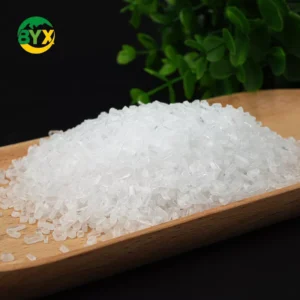
Magnesium Sulfate Heptahydrate 2-4mm-BAIYEXIN
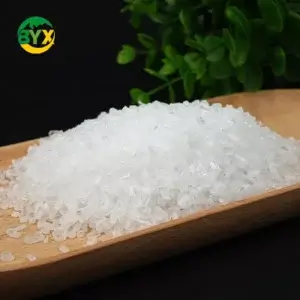
Baiyexin is the largest magnesium sulfate heptahydrate manufacturer in China, providing magnesium sulfate heptahydrate 2-1mm.
Product SKU: BYX40186
Product Brand: BAIYEXIN
Product Currency: USD
Product Price: 90
Price Valid Until: 2026-12-31
Product In-Stock: InStock
5
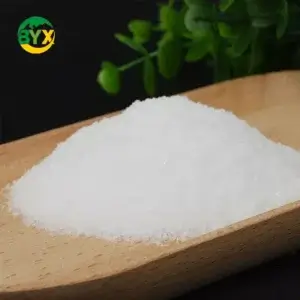

BaiYeXin –
Baiyexin's Magnesium Sulfate Heptahydrate (MgSO₄·7H₂O) 2-4mm is reasonably priced and transparent. We have received good feedback from customers in many countries, and it is a very reliable partner.