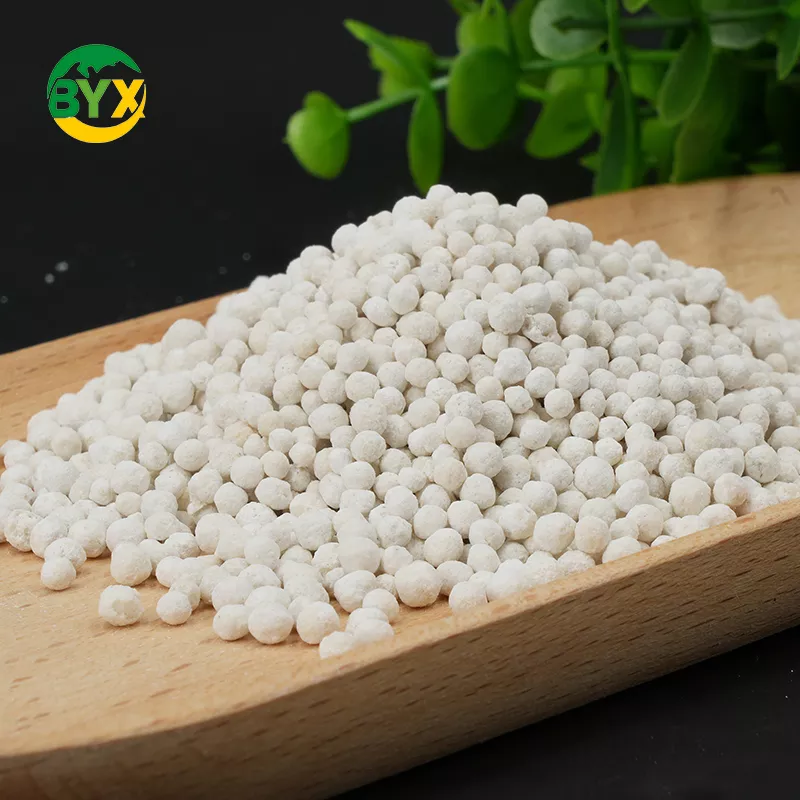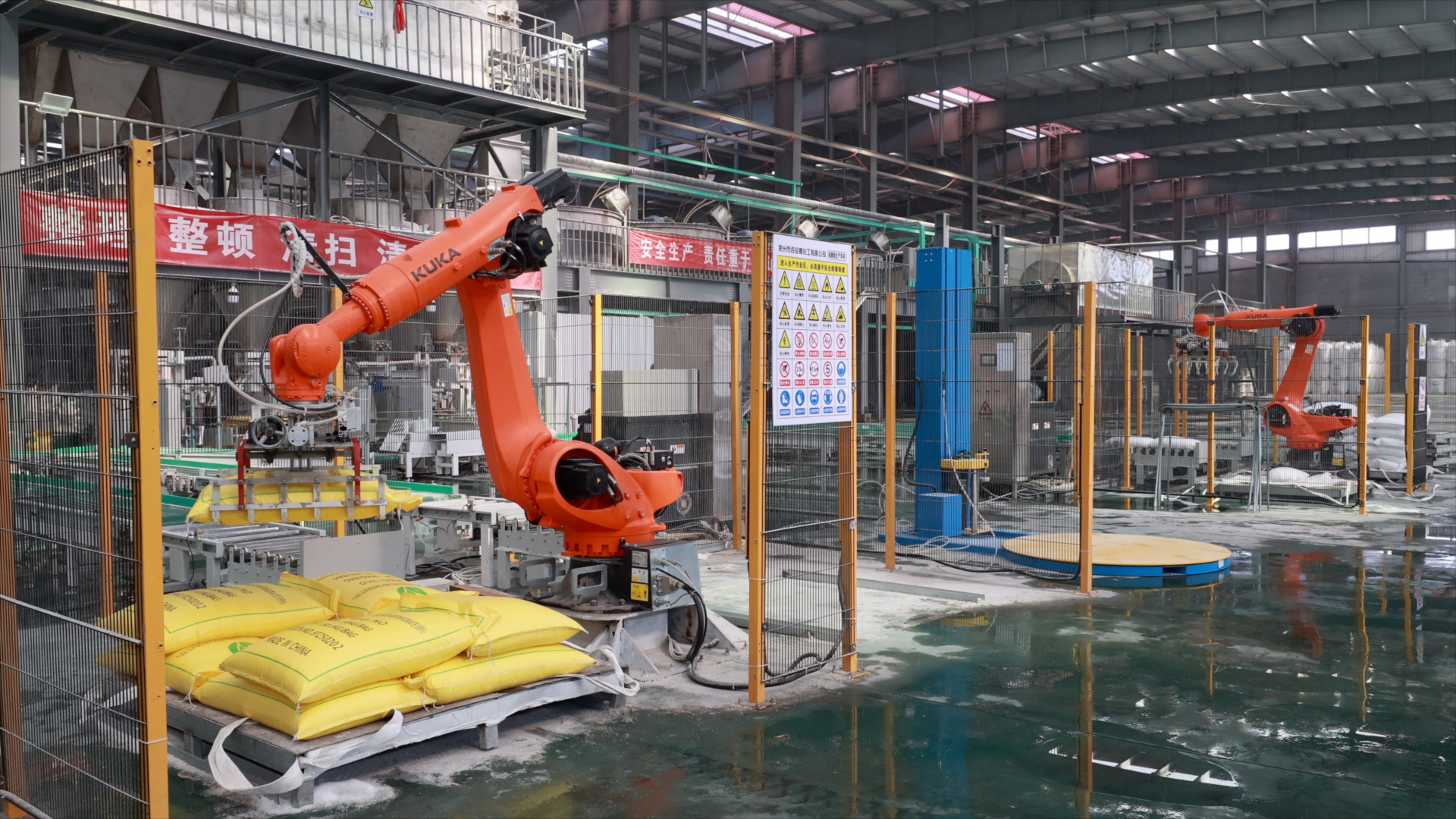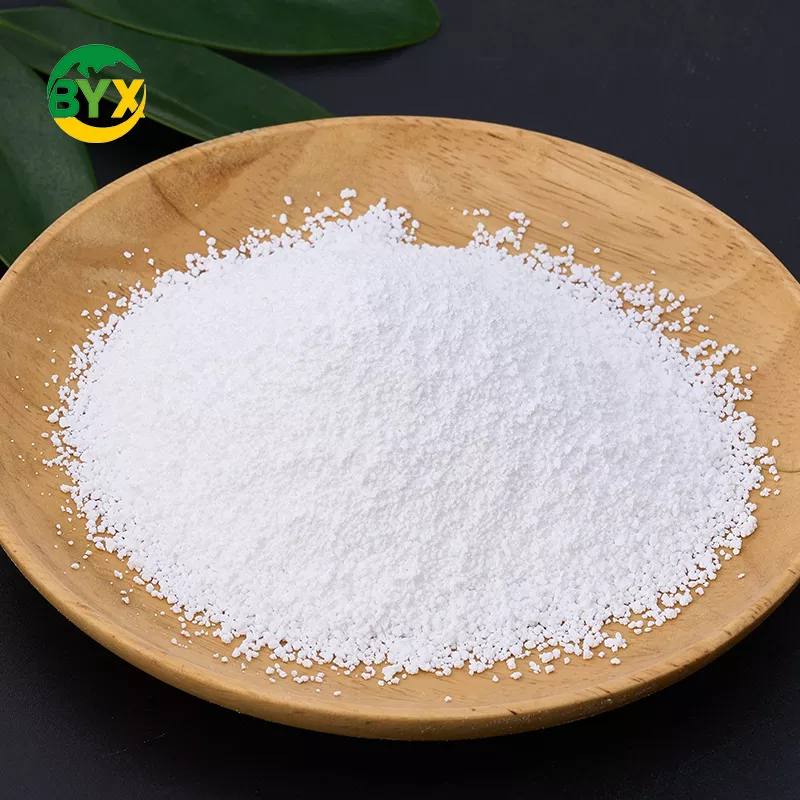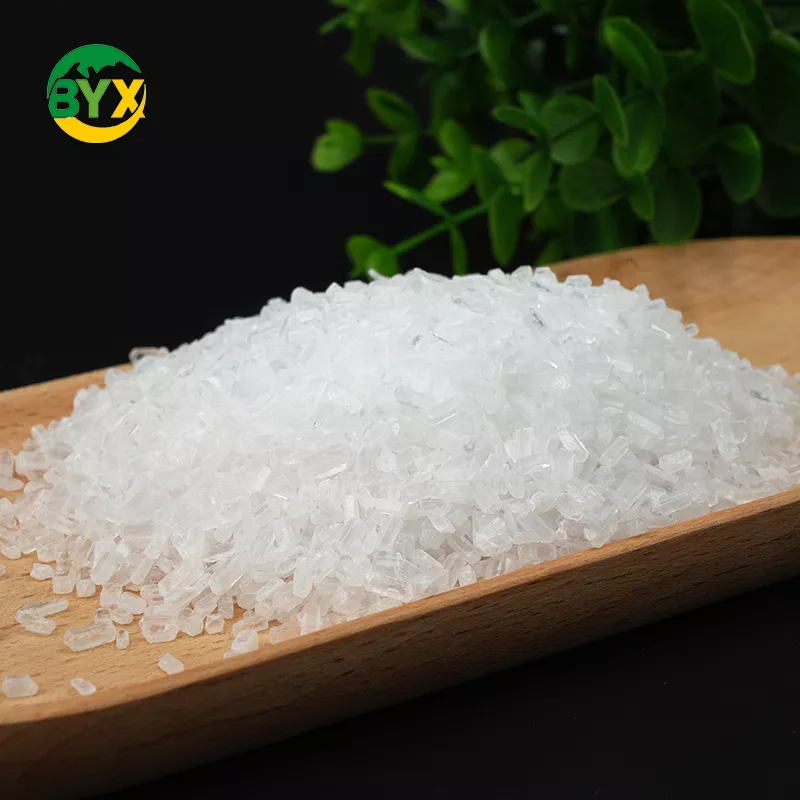
Magnesium sulfate heptahydrate is a useful compound with many uses. It is important in farming, medicine, and industry. Its special chemical traits make it popular worldwide. For example, in 2023, its market value was $659.12 million. This value is expected to grow by 6.02% yearly, reaching $893.89 million by 2030. In offers’、‘review’or‘aggregateRatingfarming, it is very important for soil health. The farming market for this compound was $1.2 billion in 2023. It is predicted to grow to $2.1 billion by 2032, with a yearly growth of 6.3%. These numbers show how it helps improve soil and grow more food.
Key Takeaways
Magnesium sulfate heptahydrate, called Epsom salt, is useful in farming, medicine, and industry.
It helps plants grow better by giving them magnesium and sulfur. These nutrients can boost crop production a lot.
It dissolves fast in water, so it works well in fertilizers and for relaxing muscles in Epsom salt baths.
Keep magnesium sulfate in closed containers to protect it from moisture. This keeps it working properly.
Using good-quality products like BAIYEXIN's magnesium sulfate gives better results for farming and industry.
Molecular Formula and Structure of Magnesium Sulfate Heptahydrate
Chemical Composition and Molecular Formula
Magnesium sulfate heptahydrate is also called Epsom salt. Its molecular formula is MgSO4·7H2O. This means it contains magnesium, sulfur, oxygen, and water. It dissolves easily in water and is found naturally as epsomite. Below is a simple table of its properties:
Property | Details |
|---|---|
Common Name | |
Molecular Formula | MgSO4·7H2O |
Chemical Composition | Made of magnesium, sulfur, and oxygen |
Solubility | Dissolves quickly in water |
Natural Occurrence | Found as a mineral |
This composition makes it useful in farming, medicine, and industry.
Heptahydrate Form and Crystalline Nature
The heptahydrate form means it has seven water molecules. These water molecules are part of its crystal structure. It looks like a white, shiny substance that dissolves in water. Its crystal form helps it stay stable and work well in many uses, like helping plants grow or relaxing muscles.
Role of Water Molecules in Its Structure
The water molecules are very important to its structure. They are called "water of hydration" or "water of crystallization." These molecules connect with magnesium ions to keep the compound stable. The seven water molecules are necessary for its chemical form. Without them, it would lose its heptahydrate properties.
Note: The water of hydration helps the compound stay stable. It also makes it dissolve and react better, which is why it is so useful.
By learning about the formula and structure of magnesium sulfate heptahydrate, you can see why it is so important in many areas.
Physical Properties of Magnesium Sulfate Heptahydrate
Appearance and Texture
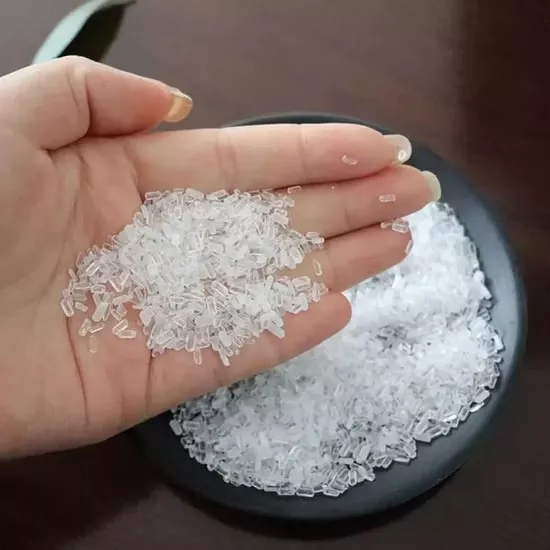
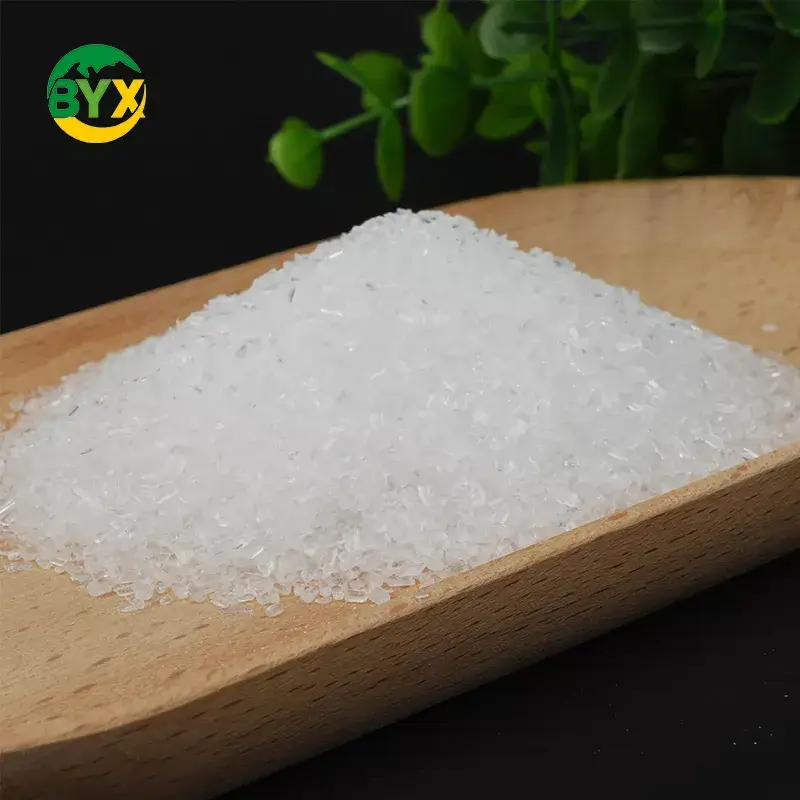
Magnesium sulfate heptahydrate is a white, shiny solid. It can look like fine powder or small crystals. Its texture feels smooth, so it is easy to use. This compound has no smell, making it useful in farming and medicine. Its crystal form shows it is pure and stable. This helps it work well in many uses.
Fun Fact: People call magnesium sulfate heptahydrate "Epsom salt." It is often added to bath salts to help people relax.
Solubility in Water and Other Solvents
Magnesium sulfate heptahydrate dissolves very well in water. At room temperature, 26.9 grams can dissolve in 100 mL of water. This makes it great for uses needing quick dissolving. It also dissolves in glycerol, which adds more ways to use it. Its solubility helps plants absorb it as fertilizer. It also helps the body when used in medicine.
Solvent | Solubility (g/100 mL) at Room Temperature |
|---|---|
Water | 26.9 |
Because it dissolves fast, it is chosen for jobs needing quick results.
Density and Melting Point
The density of magnesium sulfate heptahydrate is 2.66 g/cm³ at 20 °C. This shows its crystal structure is tightly packed. Its melting point is very high at 1124 °C. These features make it strong and useful in tough industrial tasks.
Property | Value |
|---|---|
Density | 2.66 g/cm³ (20 °C) |
Melting Point | 1124 °C |
Its high density and melting point keep it stable. This makes it a dependable choice for many uses.
Chemical Properties of Magnesium Sulfate
Stability Under Different Conditions
Magnesium sulfate stays stable in many environments. Its crystal form, especially the heptahydrate, keeps it steady at room temperature. When heated, it slowly loses water. Above 150 °C, the seven water molecules evaporate. This changes it into anhydrous magnesium sulfate. Its heat stability makes it useful for high-temperature industrial tasks.
Humidity also affects its stability. In dry air, it keeps its crystal shape. But in humid air, it absorbs water, slightly changing its properties. This ability to absorb moisture helps in farming by keeping soil wet.
Tip: Store magnesium sulfate in sealed containers to keep it stable, especially in humid areas.
Reactivity with Acids and Bases
Magnesium sulfate reacts in special ways with acids and bases. With acids like hydrochloric acid, it releases magnesium ions and forms salts. For example:
A calorimeter shows energy changes when magnesium reacts with hydrochloric acid.
Magnesium oxide and hydrochloric acid make magnesium chloride and water, showing its chemical flexibility.
With bases, magnesium sulfate forms compounds like ammonium sulfate and magnesium hydroxide. This is helpful in farming, as ammonium sulfate adds nitrogen to the soil.
Common Chemical Reactions and Decomposition
Magnesium sulfate takes part in many reactions. One key reaction is its breakdown at high heat. Above 1124 °C, it turns into magnesium oxide and sulfur trioxide. This is important for industries needing magnesium oxide.
In water, magnesium sulfate dissolves easily. It splits into magnesium and sulfate ions. This makes it great for medicine and farming, where quick absorption is needed.
Note: Magnesium sulfate dissolves fast in water, making it perfect for fertilizers. Plants can quickly take in its magnesium and sulfur nutrients.
Uses of Magnesium Sulfate in Different Areas
Medical Uses (e.g., Laxative, Muscle Relaxer)
Magnesium sulfate is very helpful in medicine. It is often used as a laxative to ease constipation. It works by pulling water into the intestines. This softens the stool, making it easier to pass. This makes it a good choice for occasional constipation relief. Another common use is in Epsom salt baths. These baths help relax muscles and reduce soreness. Magnesium from the bath is absorbed through the skin, helping tired muscles feel better.
In hospitals, magnesium sulfate is given through IV to treat eclampsia in pregnant women. It helps control nerve signals and muscle movements. This makes it important for emergency care. Whether for simple or serious treatments, magnesium sulfate is very useful in healthcare.
Tip: Add Epsom salt to warm water for a relaxing bath. It’s a great way to ease muscle tension after a busy day.
Agricultural Benefits (e.g., Soil Helper, Plant Food)
Magnesium sulfate is widely used in farming to help plants grow. Magnesium is a key part of chlorophyll, which plants need for photosynthesis. Without it, plants can’t make energy to grow. Sulfur in magnesium sulfate helps plants make proteins and enzymes. Together, these nutrients improve plant health and growth.
Farmers use magnesium sulfate to fix magnesium-poor soil. It improves soil quality and gives plants the nutrients they need. Studies show it can increase crop yields. For example, spraying magnesium sulfate on rice plants can raise yields by 7.94%. This is because it improves grain weight and the number of grains. It also helps plants survive in dry areas, making it useful in drought-prone regions.
Key Benefits | Explanation |
|---|---|
Helps Photosynthesis | Magnesium is needed for making chlorophyll, which powers photosynthesis. |
Improves Drought Survival | Magnesium helps plants handle dry conditions better. |
Boosts Crop Production | Using magnesium sulfate increases crop size and quality. |
Using magnesium sulfate ensures plants get the nutrients they need. This leads to healthier crops and better harvests.
Industrial Uses (e.g., Paper, Dyeing, Leather)
Magnesium sulfate is important in many industries. In paper-making, it improves the brightness and quality of paper. It also helps balance pH levels and strengthens paper fibers. This makes it a top choice for making high-quality paper.
In textiles, magnesium sulfate is used during dyeing. It helps dyes stick to fabrics, making colors brighter and longer-lasting. This is essential for creating durable and colorful clothes. In leather tanning, it softens hides and makes them stronger.
Industry | Use |
|---|---|
Farming | Added to soil to provide magnesium and sulfur for plant growth. |
Medicine | Used in Epsom salt baths for muscle relief and as a laxative for constipation. |
Animal Care | Prevents magnesium deficiency in livestock, avoiding health problems like grass tetany. |
Manufacturing | Used in paper-making to improve quality and in textiles to fix dyes for vibrant colors. |
Magnesium sulfate’s versatility makes it valuable in many industries. It ensures better results and higher efficiency in various processes.
BAIYEXIN's Magnesium Sulfate Heptahydrate for Farming and Industry
BAIYEXIN's Magnesium Sulfate Heptahydrate is a top-quality product. It is made to meet the needs of farming and industry. Its high purity, even particle size, and global standards make it dependable. Professionals trust it for reliable magnesium sulfate solutions.
Uses in Farming
This product is very helpful for farming. It improves soil health and helps plants grow better. It fixes magnesium and sulfur shortages in soil. This ensures plants grow strong and healthy. Here’s how it helps farming:
Better Soil Health: Magnesium sulfate adds magnesium and sulfur to soil. Magnesium helps plants make chlorophyll. Sulfur helps plants make proteins.
Higher Crop Yields: Using magnesium sulfate can increase crop production. For example, rice farmers saw a 7.94% rise in grain output.
Improves Drought Survival: Magnesium sulfate helps plants hold water. This makes them stronger in dry weather.
Custom Options: BAIYEXIN offers different purities and sizes to fit your needs.
Tip: Use BAIYEXIN's Magnesium Sulfate Heptahydrate as a spray or soil mix. This will give your crops the best results.
Feature | Farming Benefit |
|---|---|
High Purity (99.5%+) | Plants get clean and safe nutrients. |
Even Particle Size | Spreads evenly in soil or sprays. |
Dissolves Quickly | Plants absorb it fast for quicker results. |
Certified Quality | Meets ISO, REACH, HALAL, and KOSHER standards for safety and effectiveness. |
Uses in Industry
In industries, this product is versatile and reliable. Its purity and quality make it useful for many purposes. Here’s how it helps industries:
Textiles: It helps dyes stick better, making fabrics colorful and long-lasting.
Paper Making: It brightens paper and strengthens its fibers for better quality.
Leather Work: It softens hides and makes them stronger for durable leather.
Chemical Production: Its stability makes it great for making chemical products.
Note: BAIYEXIN ensures every batch meets strict quality checks. This gives you consistent and reliable results.
Feature | Industrial Benefit |
|---|---|
High Melting Point | Works well in high-temperature processes. |
Stable in Humidity | Performs well even in moist conditions. |
Custom Options | Made to fit different industrial needs. |
Large Supply Capacity | Ensures enough product for big industrial projects. |
Why Pick BAIYEXIN?
BAIYEXIN's Magnesium Sulfate Heptahydrate is more than just a product. It is a solution made for your needs. With 850 tons made daily and 36 quality checks, every batch is top-notch. Certifications like ISO 9001 and EU-REACH show their focus on quality and care for the environment.
Call to Action: Visit BAIYEXIN's official website to learn more about this product.
Choosing BAIYEXIN means choosing a trusted global leader. Whether you’re a farmer wanting better crops or an industry expert needing quality materials, BAIYEXIN's Magnesium Sulfate Heptahydrate is the right choice for you.
Magnesium sulfate heptahydrate is a useful compound with many uses. It works well in medicine, farming, and industries. Its special structure makes it effective in these areas. In farming, it has improved results in many countries:
Region | Benefits |
|---|---|
China | Large vegetable farms increased magnesium sulfate use by 31%. |
India | Use grew 22% yearly, raising crop yields by 12–18%. |
Brazil | Reduced crop losses from yellowing leaves by 15%. |
BAIYEXIN's Magnesium Sulfate Heptahydrate is a top choice. It provides high quality and dependable results for all users.
FAQ
What is the main use of magnesium sulfate heptahydrate?
Magnesium sulfate heptahydrate is mostly used in farming. It improves soil and helps plants grow better. In medicine, it works as a laxative and relaxes muscles in Epsom salt baths. Industries use it for dyeing, making paper, and tanning leather.
How does magnesium sulfate help plants?
Magnesium sulfate gives plants magnesium to make chlorophyll and sulfur to make proteins. These nutrients help plants grow, survive dry weather, and produce more crops. Farmers use it to fix magnesium-poor soil, making plants healthier and stronger.
Is magnesium sulfate heptahydrate safe for people?
Yes, magnesium sulfate heptahydrate is safe if used correctly. It is often used as a laxative or to relax muscles. Always ask a doctor before using it for medical reasons to ensure it’s safe and the dose is right.
How should magnesium sulfate be kept?
Keep magnesium sulfate in a cool, dry place. Use sealed containers to stop it from soaking up moisture, which can change how it works. Storing it properly keeps it stable and useful.
Why pick BAIYEXIN's magnesium sulfate heptahydrate?
BAIYEXIN makes magnesium sulfate heptahydrate with 99.5%+ purity. It meets ISO, REACH, HALAL, and KOSHER standards. Its high quality, flexible options, and many uses make it a trusted choice for farming, medicine, and industries.