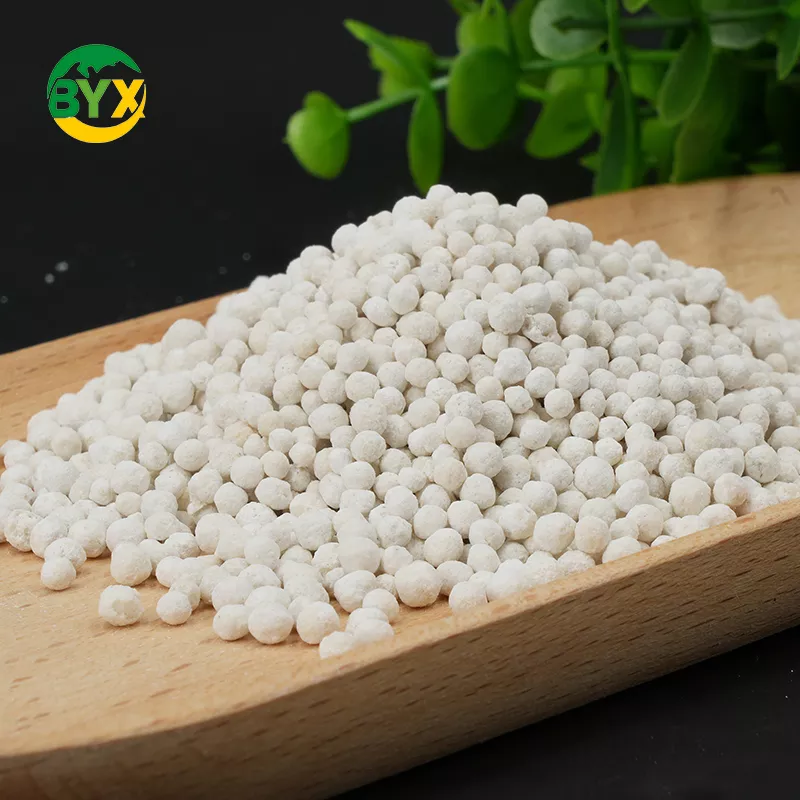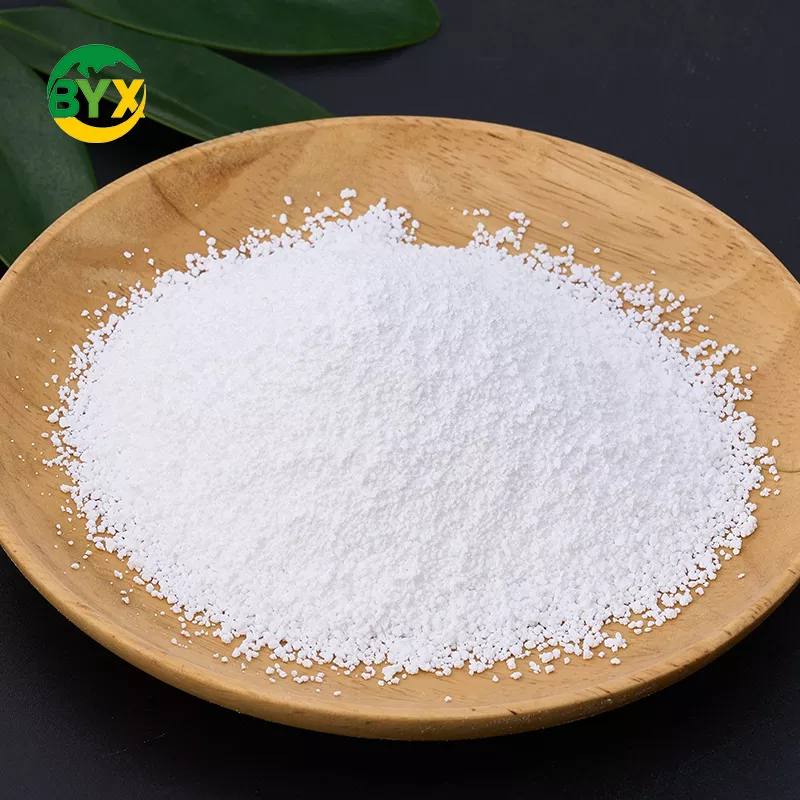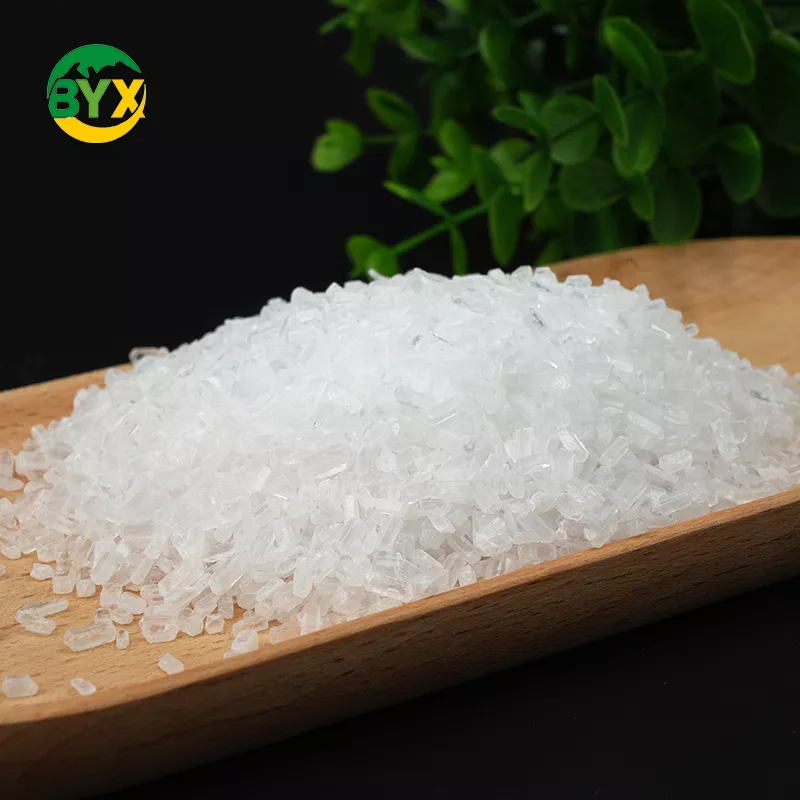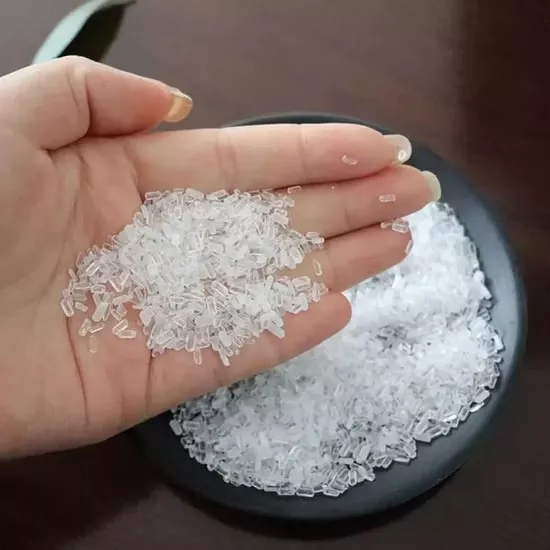
Magnesium sulfate heptahydrate granules is a versatile compound widely used in gardening. Its coarse granules are particularly effective for plant care, offering multiple benefits that enhance growth and vitality. Below, we explore three primary applications of Epsom salt in gardening, backed by practical methods and scientific insights.
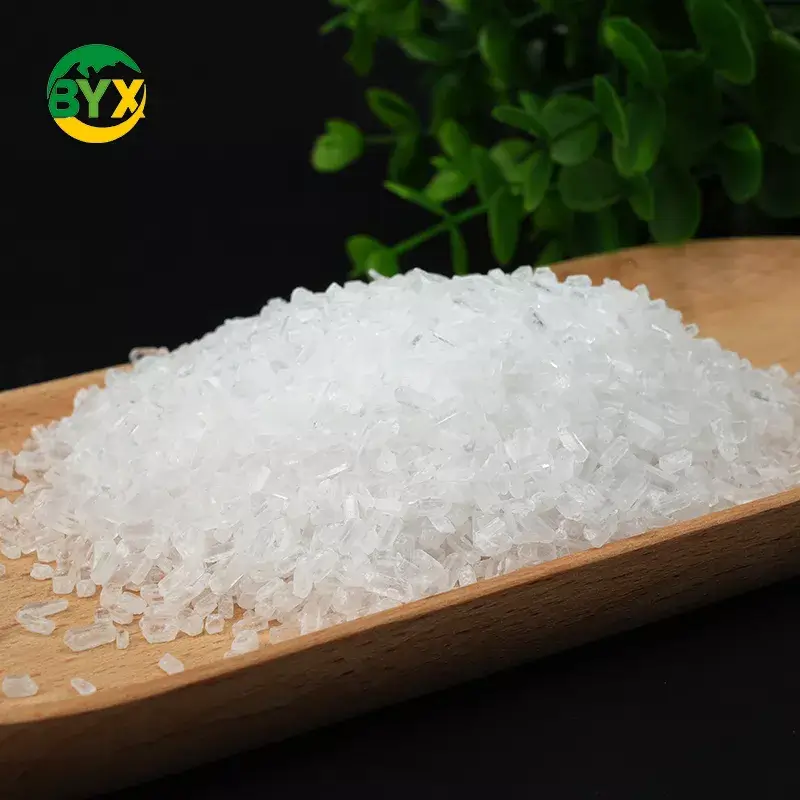
1. Magnesium sulfate heptahydrate granules can promote seed germination
Epsom salt’s magnesium content strengthens cell walls and energizes seedlings during germination. For optimal results:
Mix 15ml of Epsom salt into 3–4 liters of water to create a mild solution. Lightly spray this on soil before sowing seeds.
Avoid overapplication, as excessive magnesium can harm delicate seedlings. A pinch of granules directly sprinkled into potting soil also works.
Pro Tip: When establishing a lawn, apply this solution after sowing grass seeds to improve root development and resilience.
2. Magnesium sulfate heptahydrate granules can improve transplant success rate
Transplant shock—a common issue causing wilting or leaf drop—can be mitigated with Epsom salt:
Dilute Epsom salt at a 1:300 ratio (e.g., 10g per 3 liters of water). Soak the root zone thoroughly post-transplant to reduce stress and stimulate root regeneration.
Alternatively, bury 5ml of granules near the plant’s base (avoid direct root contact) and water regularly for slow nutrient release.
Ideal for: Shrubs, herbs, and vegetable seedlings moved to gardens or larger pots.
3. Preventing Yellowing Leaves (Chlorosis)
Magnesium deficiency often manifests as yellowing between leaf veins, especially in older leaves. Epsom salt provides a quick fix:
Monthly Treatment: Add 1 teaspoon (5ml) of Epsom salt into a 5cm-deep hole near the plant’s stem. Water thoroughly to dissolve the granules.
For foliar absorption, spray a 1:500 solution (2g per liter) directly on leaves, focusing on the undersides.
Note: This method works best for magnesium-specific deficiencies. Test soil pH first to rule out other nutrient imbalances.