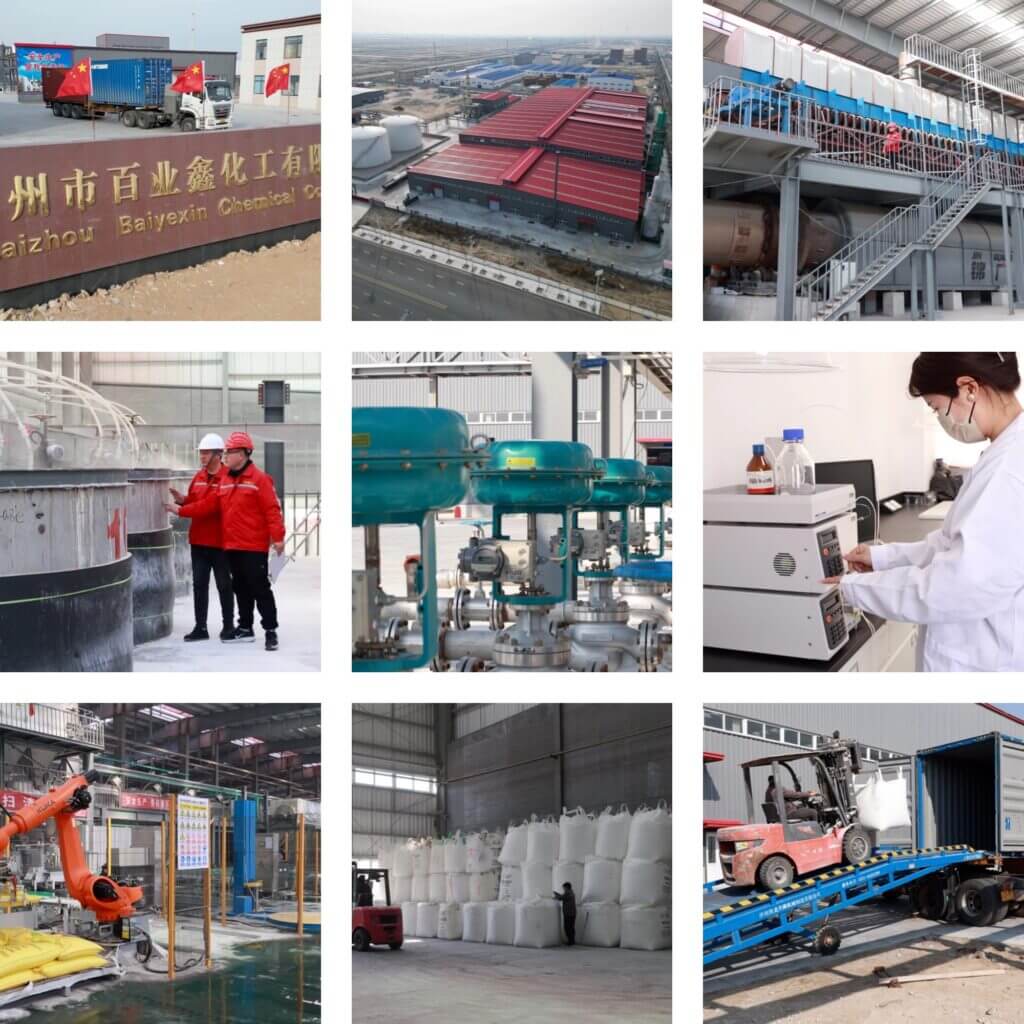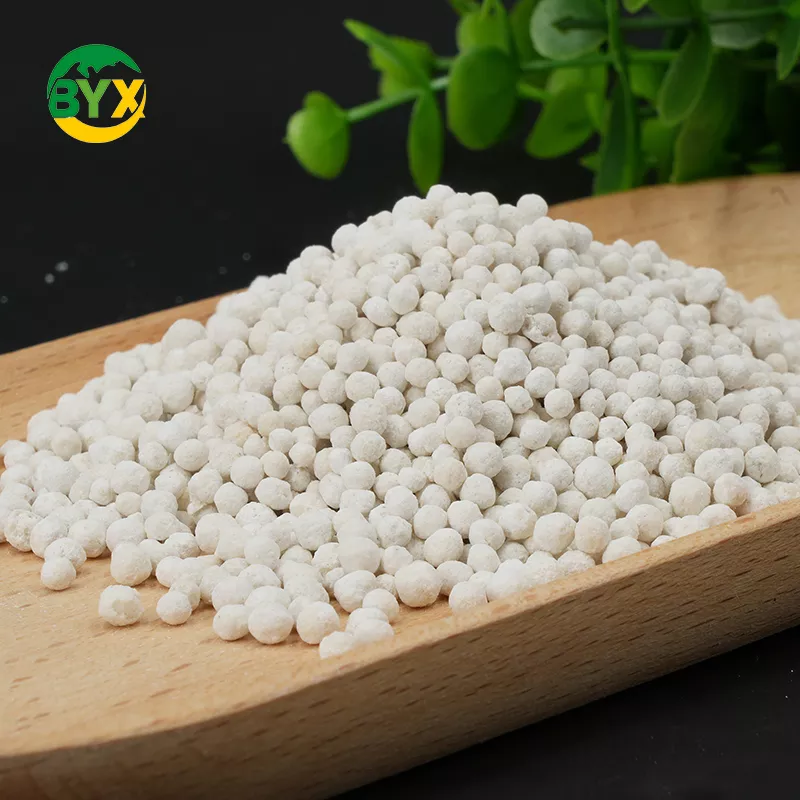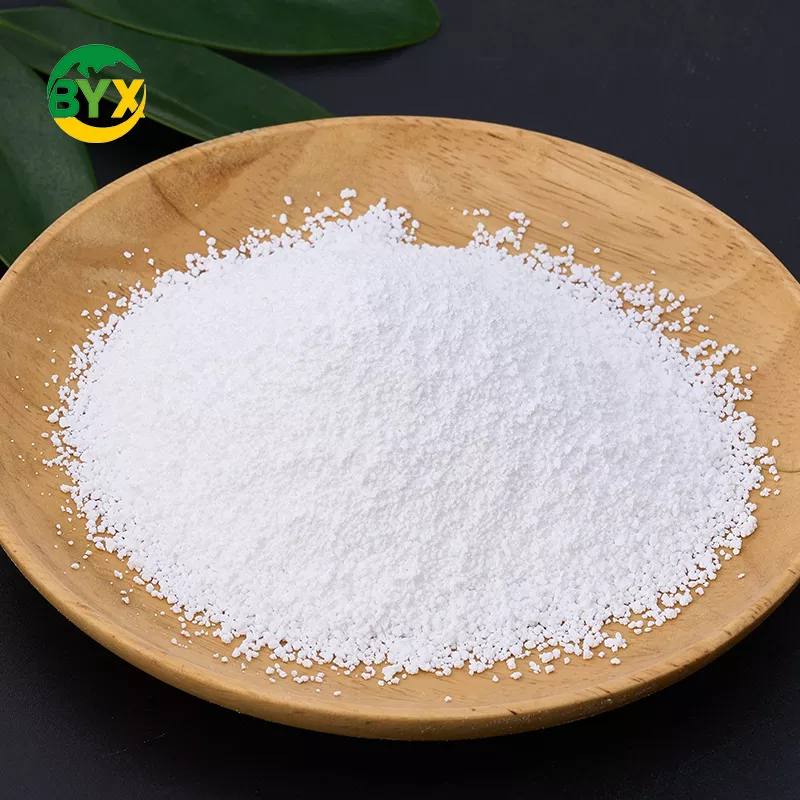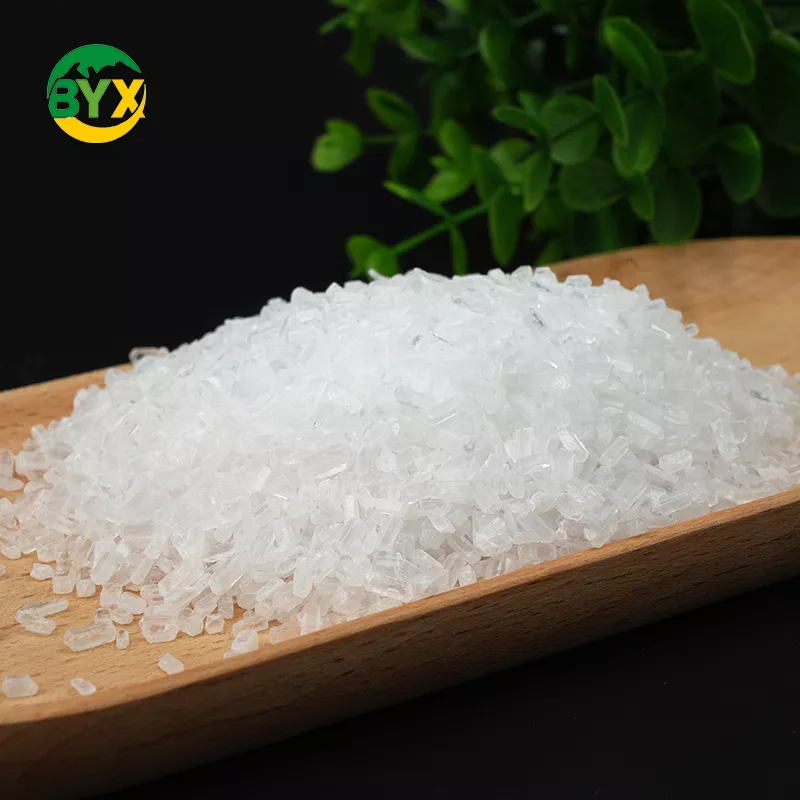
The magnesium sulfate market currently faces a paradoxical dilemma. While price affordability benefits consumers, Magnesium Sulfate Manufacturers grapple with rising production costs and the pressure to maintain competitive pricing. Here’s a balanced analysis of the market dynamics and actionable strategies for sustainable growth, aligned with industry trends and data-driven insights.
1. The Dual Challenge: Consumer Demand vs. Production Costs
From a consumer perspective, price reductions for magnesium sulfate products are undeniably favorable. However, rigid price cuts without addressing underlying cost pressures strain Magnesium Sulfate Manufacturers. For instance, abrupt cost compression risks compromising product quality, intensifying conflicts between production efficiency and market demands.
Key Insight: Blind price reductions contradict the natural growth trajectory of the magnesium sulfate industry. Instead, a strategic balance between cost optimization and quality assurance is critical.
2. Market Trends: Price Stabilization Through Competition
Recent years have seen magnesium sulfate prices gradually return to rational levels due to intensified market competition. While price declines initially pressured profitability, rising market acceptance has driven higher sales volumes, offsetting revenue losses. For example, improved supply chain efficiency and multi-plant production models have reduced logistics costs by 10–15% in some regions.
Data Point: By 2024, China’s magnesium sulfate market is projected to stabilize with an average price of 700–750 per ton, supported by technological advancements and streamlined operations.
3. Strategies for Sustainable Cost Management.
To navigate price volatility, Magnesium Sulfate Manufacturers are adopting innovative approaches:
A. Raw Material Optimization
Substitution of Scarce Resources: Replacing rare raw materials with cost-effective alternatives (e.g., industrial byproducts or low-grade ores) reduces dependency on volatile markets.
Example: Companies like Fengjun Trading have successfully integrated alternative magnesium sources, cutting production costs by 12–18% without compromising quality.
B. Production Process Innovation
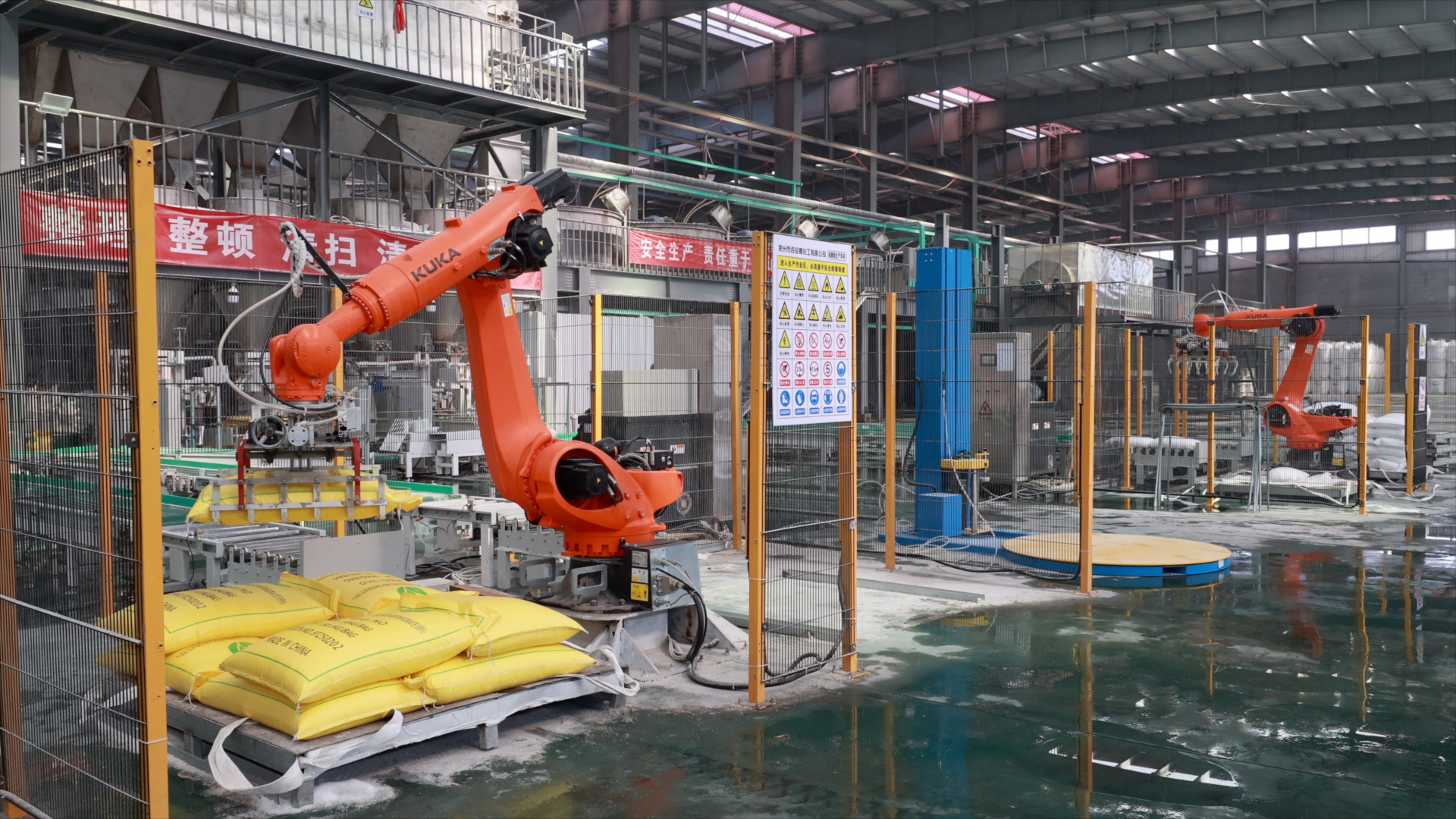
Automation & Precision Control: Advanced technologies, such as AI-driven production lines, enhance yield consistency and reduce waste. This aligns with China’s push for green manufacturing policies, which incentivize energy-efficient upgrades.
Case Study: A 2024 report highlighted that automated systems reduced energy consumption by 20% in leading magnesium sulfate plants.
C. Regionalized Supply Networks
Multi-Plant Distribution: Establishing production facilities in strategic regions minimizes transportation expenses and ensures faster delivery. For instance, decentralized plants in China’s industrial hubs have slashed logistics costs by 25%.
4.Future Outlook of Magnesium Sulfate Manufacturers
The magnesium sulfate industry is poised for steady growth, driven by expanding applications in agriculture, pharmaceuticals, and eco-friendly materials. By 2030, global demand is expected to grow at a CAGR of 4–6%, with prices rising moderately to 850–900 per ton.
Policy Support: Government initiatives promoting sustainable mining and circular economy practices will further stabilize supply chains.
Conclusion
For Magnesium Sulfate Manufacturers, navigating price increases requires a dual focus: embracing innovation to reduce costs while maintaining rigorous quality standards. By leveraging regional supply networks, adopting alternative materials, and investing in automation, the industry can achieve long-term resilience. As markets evolve, strategic adaptability—not short-term price cuts—will define success.