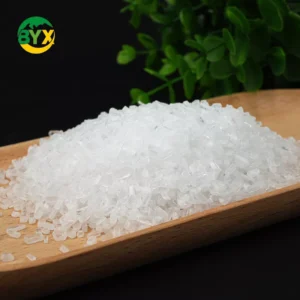
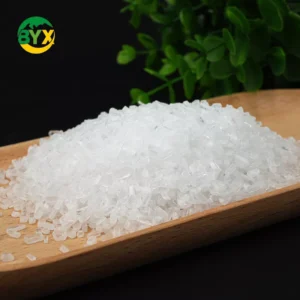
The magnesium sulfate heptahydrate hydrate formula, MgSO4·7H2O, represents a compound containing magnesium, sulfate, and seven water molecules. This arrangement means each unit of magnesium sulfate binds with seven molecules of water, forming a stable crystal structure.
Seven water molecules play an essential role in maintaining the compound’s stability and solubility.
Globally, industries and medicine rely on this hydrate for its effectiveness, with Epsom salt accounting for most magnesium sulfate consumption.
Understanding how water integrates into the formula helps explain its widespread use and importance.
Key Takeaways
The hydrate formula for magnesium sulfate heptahydrate is MgSO4·7H2O, which includes seven water molecules that enhance its stability and solubility.
Magnesium sulfate heptahydrate is widely used in medicine, agriculture, and industry, making it a versatile compound for various applications.
Understanding the role of water molecules in the crystal structure helps explain the compound's high solubility and effectiveness in therapeutic uses.
Proper handling and storage of magnesium sulfate heptahydrate are crucial to maintain its quality and prevent moisture absorption.
Choosing the right form of magnesium sulfate, such as heptahydrate or monohydrate, can optimize its use for specific needs in health and industry.
Magnesium Sulfate Heptahydrate Hydrate Formula
Magnesium Sulfate Heptahydrate
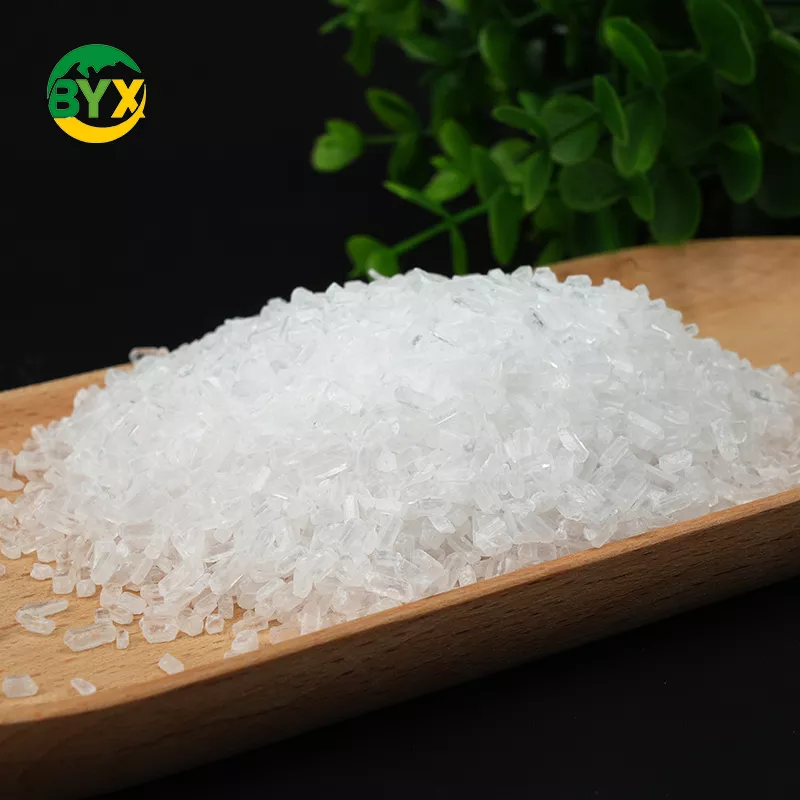
Magnesium Sulfate Heptahydrate Detail Show :
Core advantages:
High purity: We use advanced production technology to ensure product Purity ≥ 99.8%, Impurities < 0.1%, providing reliable guarantee for your production and experiments. ”
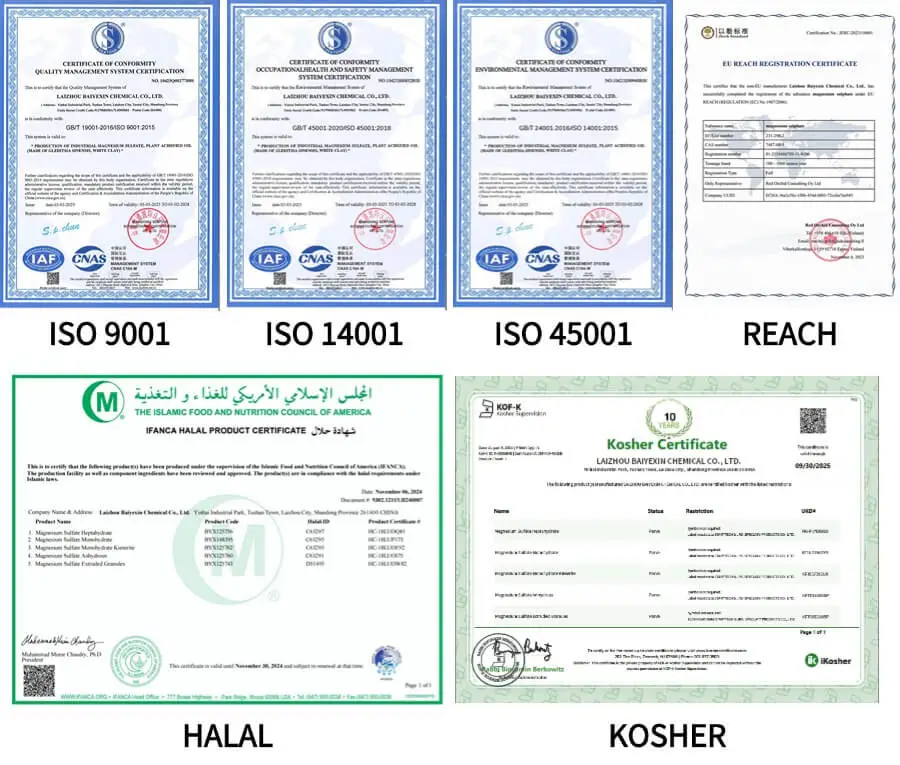
Stable quality: Strictly implement ISO9001 quality management system, each batch of products undergoes 36 rigorous tests to ensure stable performance. ”
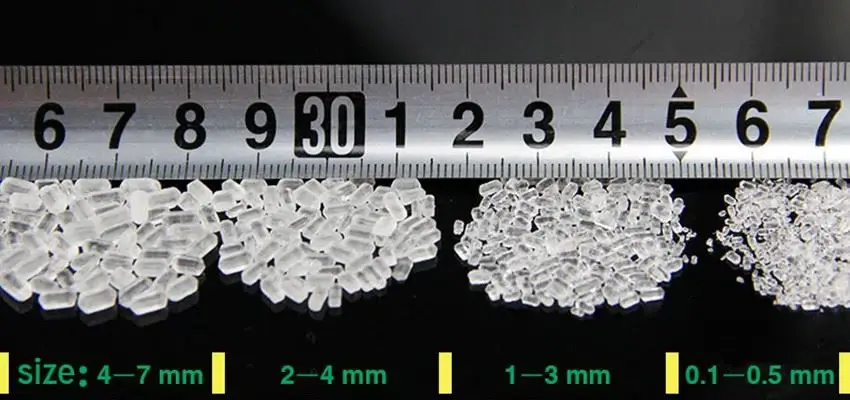
Uniform particles/fine powder: Products with different mesh sizes/particle sizes can be provided according to needs to ensure good dispersibility and reactivity in your application. ”
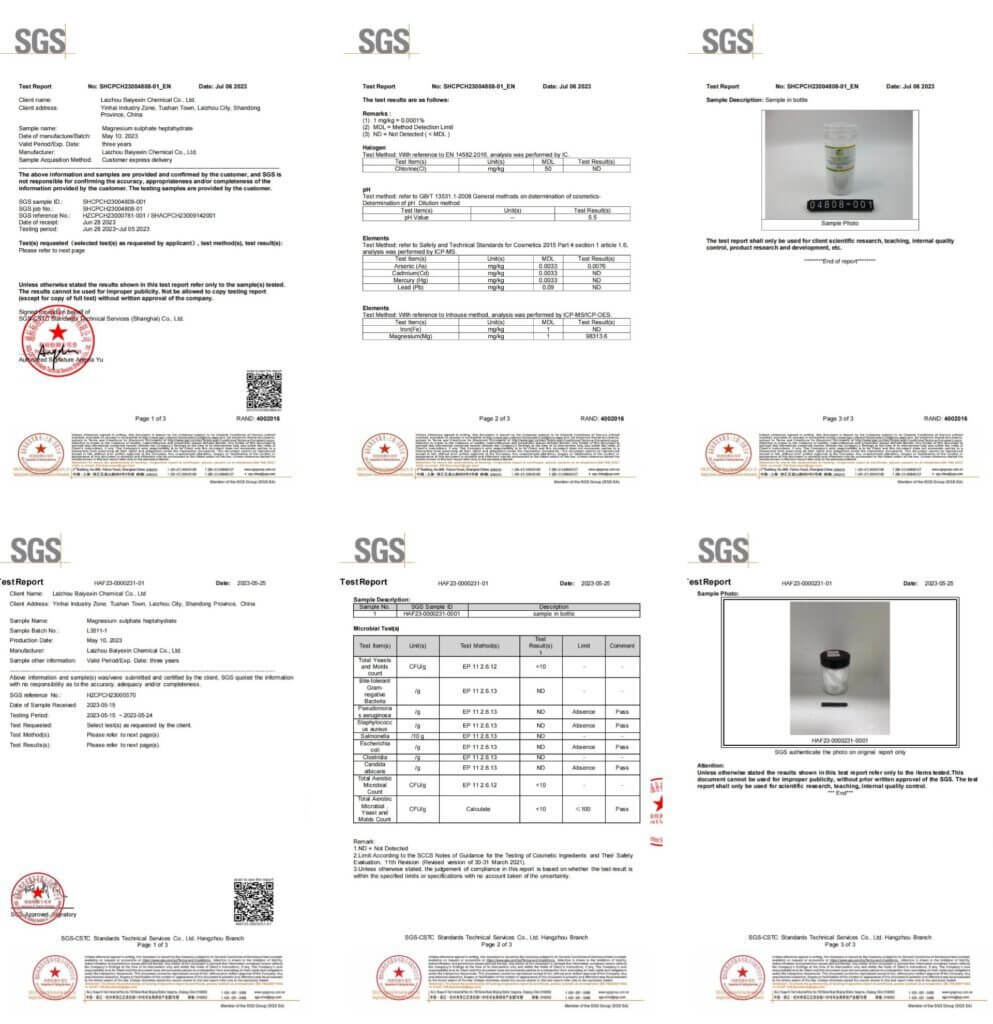
Magnesium Sulfate Heptahydrate Examining Report:
Packaging options offered by Baiyexin:
Baiyexin offers different packaging choices to fit customer needs. The packaging is strong and keeps moisture out, protecting magnesium sulfate heptahydrate during shipping and storage. Common options include:
Polyethylene Bags: Light, moisture-proof, and good for small amounts.
Fiber Drums: Tough containers for medium industrial use.
Bulk Sacks: Big bags (25kg to 1000kg) for large-scale needs.
Retail Packaging: Small resealable bags or boxes for personal use.
These packages stop moisture from getting in, keeping the product dry and clump-free. Baiyexin’s flexible options work for both small and big businesses, making them a trusted choice.
Laizhou Baiyexin Chemical Co., Ltd. is a top maker of magnesium sulfate products. They focus on high purity and strict quality checks. Baiyexin provides custom solutions for different industries, making it a trusted name worldwide.
Magnesium Sulfate Heptahydrate Hydrate Formula
Formula Components
The magnesium sulfate heptahydrate hydrate formula, written as MgSO4·7H2O, contains three main components. Magnesium ions, sulfate ions, and seven water molecules combine to form this compound. Each part plays a unique role in the overall structure and function.
Component
Role
Magnesium Ion
Acts as an important trace element and electrolyte, regulating enzymes in the body.
Sulfate Ion
Contributes to reducing discomfort in conditions like rheumatoid arthritis and muscle pain.
Water Molecules
Hydrate the magnesium sulfate, allowing it to effectively extract water and maintain stability.
Magnesium ions help regulate many enzymes and support nerve and muscle function. Sulfate ions assist in reducing pain and inflammation. Water molecules stabilize the compound and make it easy to dissolve in water. This hydration allows the magnesium sulfate heptahydrate hydrate formula to work well in many applications.
Chemical Composition
The chemical composition of magnesium sulfate heptahydrate hydrate formula gives it special properties. The molecular weight of this compound is 246.48 g/mol. The formula, MgSO4·7H2O, shows that each molecule contains one magnesium atom, one sulfur atom, four oxygen atoms from sulfate, and seven water molecules.
Molecular Weight: 246.48 g/mol
Chemical Formula: MgO4S•(H2O)7
The compound dissolves easily in water. At room temperature, its solubility reaches 113 grams per 100 milliliters, which is much higher than magnesium sulfate anhydrous. The table below compares the solubility of different forms:
Substance
Solubility (g/100 mL) @ 20 °C
Magnesium sulfate heptahydrate
113
Magnesium sulfate anhydrous
35.1
Physical properties also help define the compound. The melting point is 1124°C. The density is 2.66 g/cm³, and the bulk density is 900 kg/m³. Specific gravity measures 1.68.
Property
Value
Melting Point
1124°C
Density
2.66 g/cm³
Bulk Density
900 kg/m³
Specific Gravity
1.68
Manufacturers use advanced technology to ensure the purity and correct hydration level of magnesium sulfate heptahydrate. They keep impurities below 0.1% and follow strict ISO9001 quality management systems. Each batch undergoes 36 tests to guarantee stable performance.
Aspect
Details
Purity
Advanced production technology ensures product purity ≥ 99.8%
Impurities
Less than 0.1% impurities, ensuring high quality
Quality Management System
Strict implementation of ISO9001 quality management system
Testing
Each batch undergoes 36 rigorous tests for stable performance
Proper sourcing, storage, and handling help maintain quality. The compound absorbs moisture from the air, so manufacturers use moisture-resistant packaging and control humidity and temperature.
The molecular structure of magnesium sulfate heptahydrate hydrate formula, with its water molecules, increases solubility. This property allows magnesium and sulfate ions to separate in water, which is important for the compound’s therapeutic effects, such as muscle relaxation and stress relief.
Magnesium sulfate heptahydrate hydrate formula stands out for its versatility and effectiveness. Its unique chemical composition and physical properties make it valuable in healthcare, agriculture, and industry.
Molecular Structure
Crystal Lattice
Magnesium sulfate heptahydrate forms a distinctive crystal lattice. In this structure, magnesium ions and sulfate ions arrange themselves in an orthorhombic pattern. Seven water molecules surround each magnesium ion, creating a stable environment. The water molecules connect to both magnesium and sulfate ions through hydrogen bonds. These bonds hold the lattice together and give the compound its unique physical properties.
The crystal lattice of magnesium sulfate heptahydrate hydrate formula stands out among hydrated salts. The orthorhombic structure allows the compound to maintain stability under normal conditions. This stability is essential for its use in laboratories and industries.
Hydrated Salt
Crystal Structure Type
Dehydration Behavior
MgSO4·7H2O (Epsomite)
Orthorhombic
Transforms to MgSO4·5H2O and ice VI at high pressure
CoSO4·7H2O
Not specified
Dehydrates to lower hydrates and ice at 1–2 GPa
ZnSO4·7H2O
Not specified
Dehydrates to lower hydrates and ice at 0.5 GPa
The table above shows how magnesium sulfate heptahydrate compares to other hydrated salts. Its orthorhombic crystal structure and dehydration behavior make it reliable for many applications.
Water Molecule Arrangement
Water molecules play a vital role in the molecular structure. Each magnesium ion coordinates with six water molecules directly, while the seventh water molecule links to the sulfate ion. This arrangement creates a network of hydrogen bonds. These bonds stabilize the entire crystal lattice and prevent the compound from breaking apart easily.
Water molecules form hydrogen bonds with both magnesium and sulfate ions. This interaction enhances the overall stability and contributes to the compound's physical properties, such as solubility and density. The arrangement of water molecules around the ions affects solubility. As the solution becomes more concentrated, the number of water molecules coordinating with the magnesium ion decreases from six to three. This change happens because ion-pairs form between magnesium and sulfate ions, which alters the solubility of the compound.
The magnesium sulfate heptahydrate hydrate formula relies on water molecules to maintain its structure and function. Without these water molecules, the compound would lose its stability and effectiveness in many applications.
Heptahydrate Meaning
Definition
A heptahydrate is a chemical hydrate that contains seven water molecules attached to each formula unit of the compound. In magnesium sulfate heptahydrate (MgSO₄·7H₂O), these water molecules play a crucial role in forming the crystal structure. The term "heptahydrate" comes from the Greek word "hepta," meaning seven. This type of hydrate is common in minerals such as ferrous sulfate hep tahydrate (FeSO₄·7H₂O) and copperas crystals.
Seven water molecules give magnesium sulfate heptahydrate its unique physical properties, including high solubility and stability under normal conditions.
Chemical Significance
The presence of seven water molecules in magnesium sulfate heptahydrate makes it more stable and easier to dissolve than the anhydrous form, which does not contain water. This stability allows for precise dosing in medical and agricultural applications. Magnesium sulfate heptahydrate dissolves quickly, making it ideal for uses that require rapid absorption, such as bath salts and laxatives.
Comparison Table: Magnesium Sulfate Heptahydrate vs. Monohydrate
Property
Magnesium Sulfate Heptahydrate (MgSO₄·7H₂O)
Magnesium Sulfate Monohydrate (MgSO₄·H₂O)
Common Name
Epsom salt
Less common
Water Content
7 water molecules
1 water molecule
Stability
More stable, less prone to losing water
Loses water more readily
Common Uses
Baths, relaxation, laxative
Industrial applications, laboratory use
Laizhou Baiyexin Chemical Co., Ltd. produces magnesium sulfate monohydrate with high purity and reliability. This monohydrate form contains only one water molecule, making it suitable for industrial fillers and animal feed additives. It remains stable at temperatures above 67.5°C, while the heptahydrate form is more prone to losing water at lower temperatures.
Magnesium sulfate heptahydrate is more soluble and stable under normal atmospheric conditions.
The monohydrate form is preferred for specific industrial uses due to its lower water content and higher temperature stability.
The hydration state of magnesium sulfate affects its reactivity in chemical reactions. Hydration-dehydration equilibria play a key role in energy storage systems and influence how the compound behaves in different environments. Incorrect hydration can reduce the effectiveness of magnesium sulfate in pharmaceutical and agricultural applications, leading to medical complications or poor crop growth.
Understanding the meaning and significance of "heptahydrate" helps users select the right magnesium sulfate product for their needs, whether for relaxation, medicine, or industry.
magnesium sulfate heptahydrate hydrate formula
Visualizing the Structure
Structural Visualization
To picture the structure, imagine a three-dimensional grid. Magnesium ions sit at certain points in the grid. Sulfate ions fill spaces between the magnesium ions. Water molecules act like tiny bridges, linking the magnesium and sulfate ions. These water molecules form hydrogen bonds, which help keep the crystal strong and stable.
Think of the crystal as a building made of blocks. Magnesium and sulfate ions are the main blocks. Water molecules are like connectors that hold the blocks in place. This arrangement allows the compound to dissolve easily in water. When the crystal touches water, the water molecules in the crystal mix with the liquid, and the ions separate.
Visualizing the structure in this way makes it easier to understand how magnesium sulfate heptahydrate works in different uses, from bath salts to fertilizers.
The magnesium sulfate heptahydrate hydrate formula highlights how seven water molecules shape the compound’s solubility and usefulness in medicine and industry. Understanding the role of water molecules and the meaning of 'heptahydrate' helps explain why this compound works so well in many settings.
Property/Benefit
Description
High Solubility
Freely dissolves in water for quick use in products.
Chemical Stability
Remains reliable under normal conditions.
Versatility
Supports pharmaceuticals, food, and industrial needs.
Readers can see that knowing the differences between hydrates, such as monohydrate and heptahydrate, leads to better choices in science and industry.
FAQ
What does the magnesium sulfate heptahydrate hydrate formula?
The formula shows that each magnesium sulfate molecule binds with seven water molecules. This combination forms a stable crystal called magnesium sulfate heptahydrate.
How is magnesium sulfate heptahydrate used in daily life?
People use magnesium sulfate heptahydrate as Epsom salt for baths, muscle relaxation, and as a laxative. Farmers add it to soil to help plants grow stronger.
What is the difference between heptahydrate and monohydrate forms?
Property
Heptahydrate (MgSO₄·7H₂O)
Monohydrate (MgSO₄·H₂O)
Water Molecules
7
1
Common Use
Baths, medicine
Industry, agriculture
Why do water molecules matter in magnesium sulfate heptahydrate?
Water molecules help stabilize the crystal structure. They make the compound dissolve easily in water, which increases its effectiveness in medicine and agriculture.
Magnesium Sulfate Heptahydrate Hydrate Formula -BAIYEXIN
Magnesium sulfate heptahydrate hydrate formula, MgSO4·7H2O, features seven water molecules that stabilize its structure and enhance solubility for various uses.