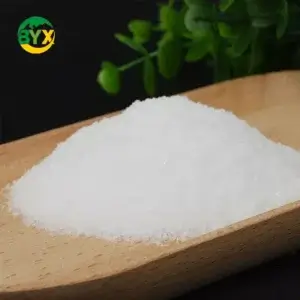
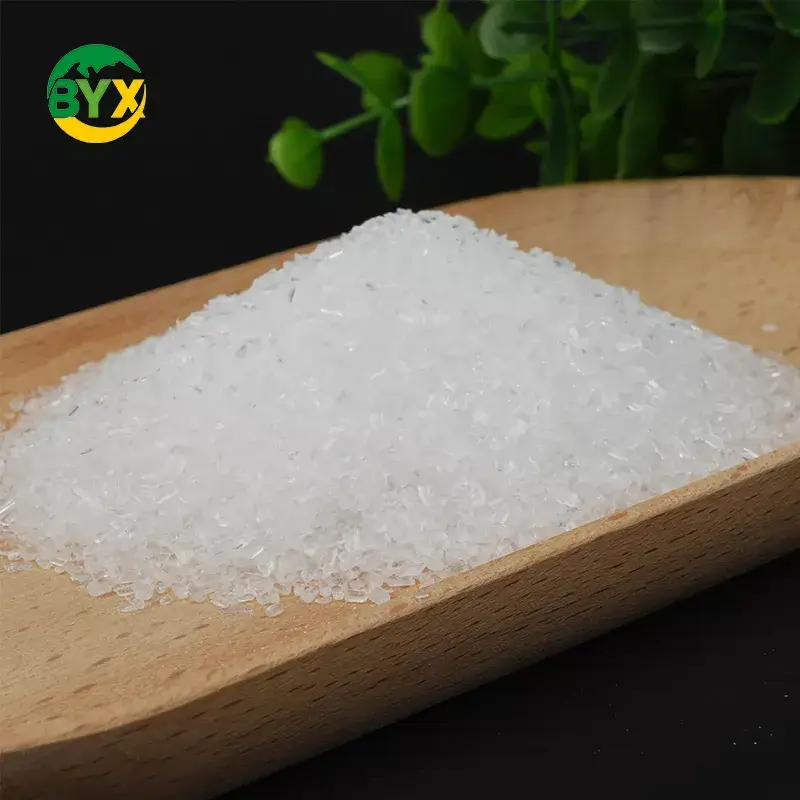
Magnesium Sulfate Heptahydrate (MgSO₄·7H₂O)1-3mm

Food grade/industrial grade/feed grade | Purity ≥ 99.5% | Impurities < 0.1%

$70.00

Table of Contents

Description

Magnesium Sulfate Heptahydrate

Magnesium Sulfate Heptahydrate Detail Show :
七水硫酸镁

Core advantages:

The company achieves high product purity through its advanced production technology which delivers purity levels exceeding 99.8% and impurity levels below 0.1%, thus guaranteeing reliable protection of your production and experimental work.

The company achieves stable product quality through its complete adherence to ISO9001 quality management system which requires 36 testing procedures for every product batch to verify consistent product performance.

The products which we offer come in different mesh sizes and particle sizes to meet your requirements for optimal dispersibility and reactivity during your applications.

Magnesium Sulfate Heptahydrate Examining Report:
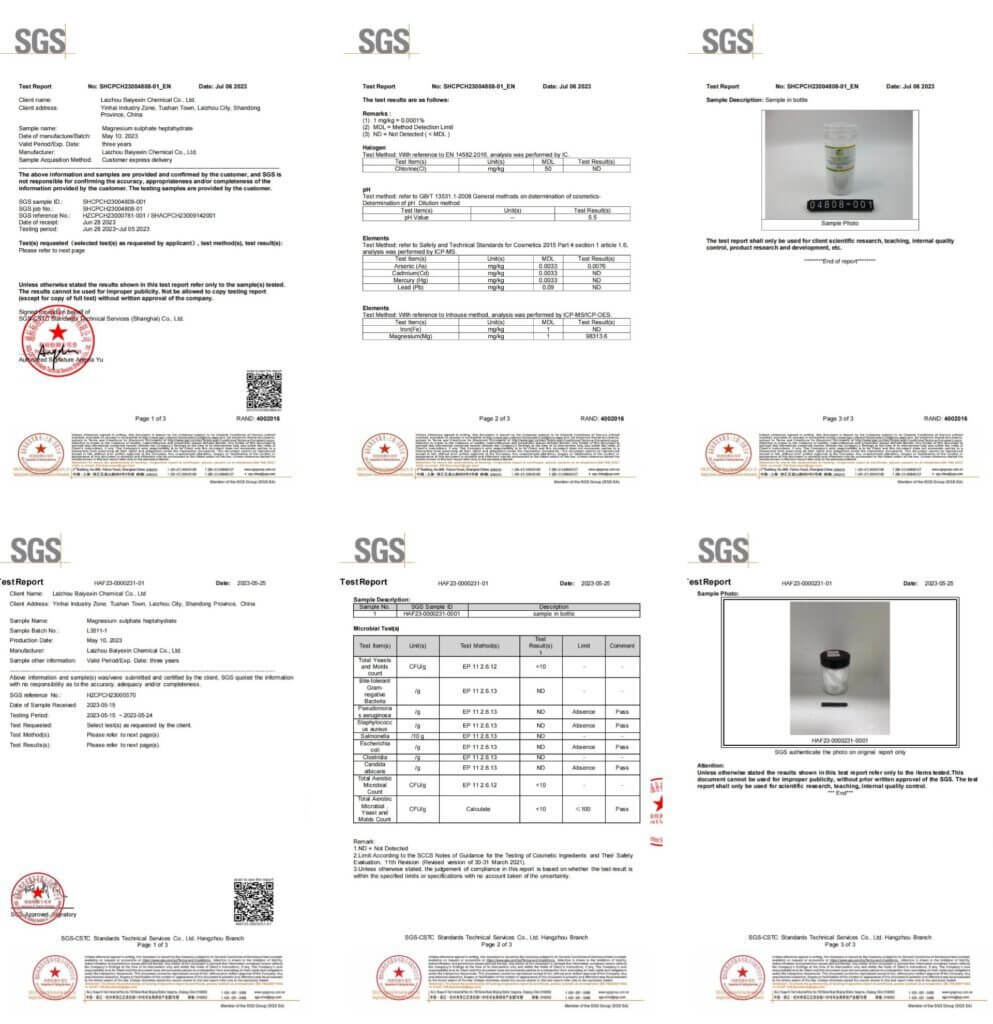
七水硫酸镁检验报告

Packaging options offered by Baiyexin:

The company offers various product packaging options which include woven bags and PE bags and laminated bags and big bags while providing five different weight ranges which include 25kg and 50kg and 600kg and 1000kg and 1200kg.
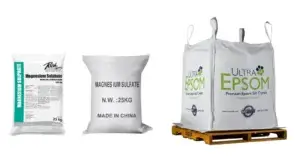
包装

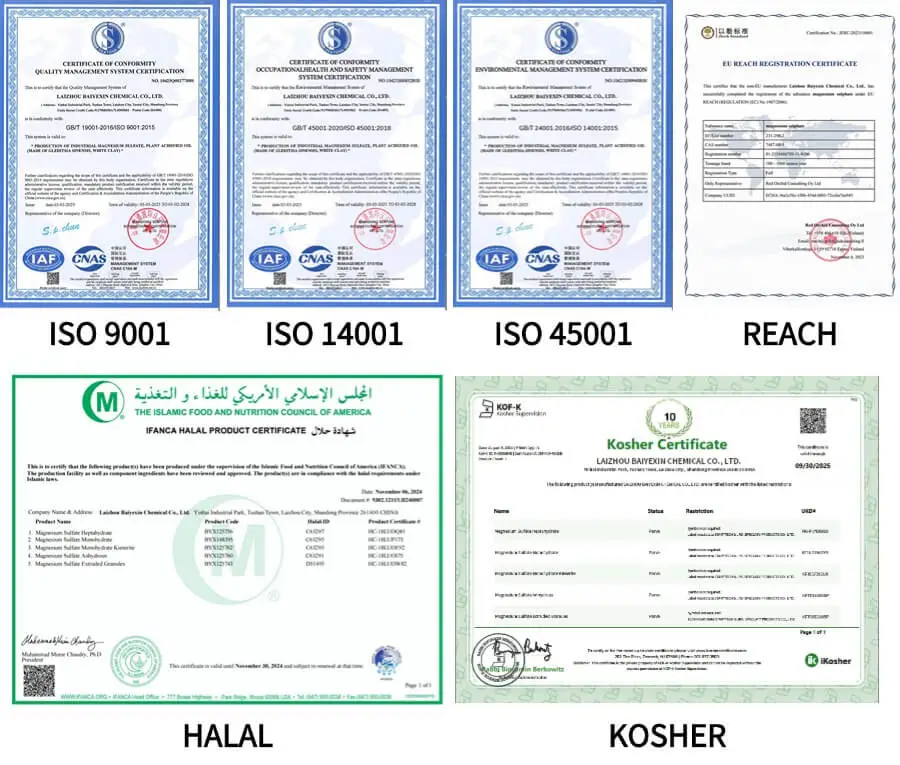
Certification:

认证

Factory Picture:

Laizhou Baiyexin Chemical Co., Ltd. is a top maker of magnesium sulfate products. The company emphasizes production of highly pure materials which undergo thorough quality assessment procedures. Baiyexin provides custom solutions for different industries, making it a trusted name worldwide.
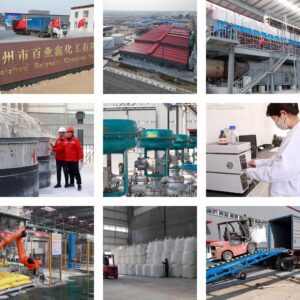
硫酸镁生产商

Overview:

Magnesium Sulfate Heptahydrate serves as an essential inorganic salt compound. The compound displays the chemical formula MgSO₄·7H₂O and has a molecular weight of 246.47 grams per mole. The substance has been assigned a CAS Registry Number 10034-99-8 and an EINECS Number 231-298-2 for its international chemical identification. The material finds extensive application across different sectors because it possesses multiple uses as a nutritional supplement and industrial material and medical product. The product serves as a fundamental item within the magnesium salt product line because it maintains chemical stability and can be used in various situations which create high market demand. This article will present a complete research study about all key information regarding Magnesium Sulfate Heptahydrate which includes its fundamental properties and current industrial applications to assist readers with their needs for production and purchasing and practical use and other purposes.

Key Takeaways

  • Basic Information on Magnesium Sulfate Heptahydrate.
  • Preparation method of magnesium sulfate heptahydrate.
  • Application of magnesium sulfate heptahydrate.
  • Magnesium Sulfate Heptahydrate Safety and Storage.
  • Magnesium sulfate heptahydrate market and price.
  • Laizhou Baiyexin Chemical.

Product Overview

I. Basic Information of Magnesium Sulfate Heptahydrate

1.1 Chemical Properties

  • Chemical Name: Magnesium Sulfate Heptahydrate; commonly known as Epsom salt.
  • Alternative Names: Bitter salt, magnesium sulfate heptahydrate.
  • Chemical Formula: MgSO₄·7H₂O
  • Molecular Weight: 246.47 g/mol (knowing that the molecular weight of MgSO₄ is 120.37 and the molecular weight of 7 water of crystallization molecules is 126.10).
  • Structure: The molecule that consists of 1 Mg²⁺ ion, 1 SO₄²⁻ ion, and 7 molecules of water of crystallization possesses a monoclinic structure crystal system. Sulfate ions associate with water molecules by means of hydrogen bonds.
  • Inorganic Salt Property: This salt appears as a strong acid-strong base salt (an effervescence of sulfuric acid and magnesium oxide is produced), making it easy to dissociate the ions of magnesium, Mg²⁺, and sulphate, SO₄²⁻. No organic functional groups are present in it, and it is considered an inorganic compound.

1.2 Physical Properties

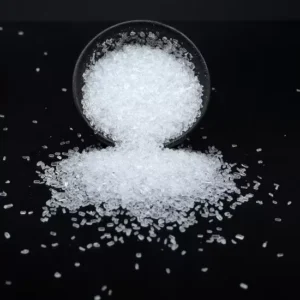
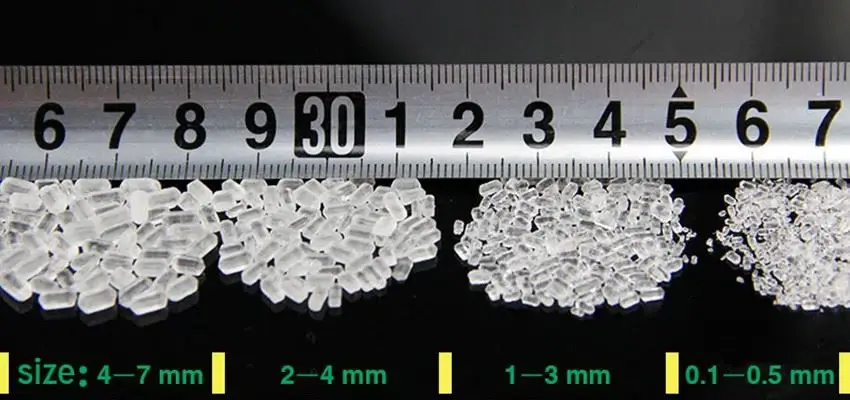
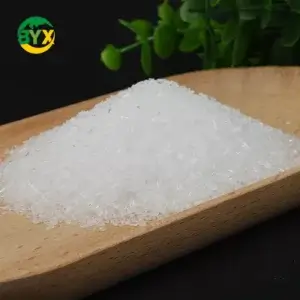
  • Appearance: At room temperature, it forms white acicular or columnar crystals that are odorless and with a slightly bitter taste; the powdered form appears to as a fine white powder. Granulated products with defined particle sizes such as magnesium sulfate heptahydrate 0.1-1mm, 1-3mm, 2-4mm are also exist.
  • Solubility: Freely soluble in water (35.1g/100mL at 20℃ in water, heat is absorbed during solution); slightly soluble in ethanol
  • Density: 1.68g/cm³ (measured at 20℃, crystals).
  • Key Physicochemical Parameters: The heptahydrate starts to loose its water of crystallization when it is heated to 50-70℃; it does not have a specific “melting point” (it suddenly transforms into anhydrous magnesium sulphate at relatively high temperatures of 1124℃ melting point but not molten, it decomposes at melting; ); no boiling point (it is practically").
  • Valence: Mg +2, S +6, O -2, this might be reflected by the structure of the compound where every one molecule of the heptahydrate contains one mole of MgSO₄ and seven moles of water, and this is very much an ionic compound.
  • Composition: The mass percentage of Mg is approximately 9.86%, S is 13.01%, O is 51.01% and H₂O is 36.13%. In theory, the proportion of MgSO4 is roughly 48.8% and the remaining 51.2% is the water crystals.

1.3 Chemical Stability

  • Stability at Room Temperature and Atmospheric Pressure: Resistant to oxidation and decomposition, but can undergo a phenomenon known as “efflorescence” in absence of moisture (or when the moisture content in air becomes low, it gives up some of its water for crystallization, making its surface appear white, converting into magnesium sulfate monohydrate, or turning into anhydrous magnesium sulfate). The dried out material may also be able to absorb the presence of water in the air. It is because of this reversible addition and removal of water that the compound proves useful in some drying agents and in keeping things dry.

Temperature Dependence:

The result of heating the water of crystallization is that it is lost in a stepwise manner:

  • a. 50-70℃: Transformation of MgSO₄·7H₂O to MgSO₄·6H₂O (loses 1 molecule of water);
  • b. 70-100℃: Further loses 5 molecules of water and a magnesium sulfate monohydrate (MgSO₄·H₂O) is created;
  • c. 200-250℃: It then follows that the remaining 1 molecule of water is removed resulting in anhydrous magnesium sulfate (MgSO₄);
  • d. 600℃: Magnesium sulfate, being “anhydrous”, then breaks down into components like MgO, SO₃, and SO₂.
The characteristics of Magnesium Sulphate Heptahydrate are relatively stable chemically and do not tend to extreme reactivity.

Typical Chemical Reactions:

  • Reaction with alkalis: Alkali hydroxides such as sodium hydroxide and potassium hydroxide form a flocculent white precipitate of magnesium hydroxide, which is formed due to the - displacement of the sulfate ions by hydroxide ions (MgSO₄ + 2NaOH → Mg(OH)₂↓ + Na₂SO₄);
  • Reaction with soluble salts: Barium chloride causes the formation of barium sulfate (BaSO₄) used in qualitative determinations of sulfate ions. Magnahesis reacts with carbonate ions in the solution producing solid magnesium carbonate, MgCO₃ precipitate in the solution;
  • Acid, such as hydrochloric acid (e.g., HCl) reactions: Makes та clears the different disulfide such as magnesium chloride and yellow substances such as sulfuric acid.

1.4 Differences and Transformation Between Different Hydrated Forms

In nature, magnesium sulfate has been identified in varying degrees of hydration: magnesmm sulfate dodecahydrate, heptahydrate, hexahydrate, monohydrate and anhydrous magnesium sulfate. It is worth noting that all these different forms may transform from one to another at different temperature and concentration conditions giving rise to a complex phase equilibrium.
Table: Core Differences Between Different Magnesium Sulfate Crystal Forms
Indicator Number of Water of Crystallization Solubility Stability Stable Temperature Range Application Scenarios
Anhydrous MgSO₄ 0 Easily soluble (exothermic when dissolved) Highly stable (moisture-proof) >200℃ Desiccant, industrial additive
MgSO₄·H₂O 1 Relatively easily soluble Relatively stable (not prone to efflorescence) >67.5℃ Industrial filler, feed additive
MgSO₄·6H₂O 6 Relatively easily soluble Prone to efflorescence 48.1~67.5℃ Special industrial processes
MgSO₄·7H₂O 7 Easily soluble (fast dissolution in water) Prone to efflorescence -1.8~48.18℃ Agricultural magnesium fertilizer, medicine, bath salt
MgSO₄·12H₂O 12 Very easily soluble (fast dissolution in water) Very prone to efflorescence -3.9~1.8℃ Special low-temperature applications

Magnesium Sulfate Heptahydrate vs. Anhydrous Magnesium Sulfate:

The main differences between magnesium sulfate heptahydrate and anhydrous magnesium sulfate exist because of their water of crystallization content and their physical characteristics. Magnesium sulfate heptahydrate contains seven water of crystallization molecules which weigh about 51% of its total body mass while anhydrous magnesium sulfate contains no water of crystallization. The difference between these two elements causes changes in their dissolution processes and stability patterns and their range of uses. The lower solubility of magnesium sulfate heptahydrate makes it simpler to weigh than anhydrous magnesium sulfate which helps control quantities during industrial operations. The primary function of anhydrous magnesium sulfate consists of desiccation because it has strong hygroscopic properties.
Textual Representation of the Transformation Relationship Diagram of Magnesium Salt Series Products:
Magnesite (MgCO₃) → Heating → Magnesium Oxide (MgO)
Magnesium Oxide (MgO) + Sulfuric Acid (H₂SO₄) → Anhydrous Magnesium Sulfate (MgSO₄)
Anhydrous Magnesium Sulfate (MgSO₄) + Water → Magnesium Sulfate Heptahydrate (MgSO₄·7H₂O)
Magnesium Sulfate Heptahydrate (MgSO₄·7H₂O) → Heating (120°C) → Magnesium Sulfate Monohydrate (MgSO₄·H₂O)
Magnesium Sulfate Monohydrate (MgSO₄·H₂O) → Heating (250°C) → Anhydrous Magnesium Sulfate (MgSO₄)
Anhydrous Magnesium Sulfate (MgSO₄) → High Temperature (>1124°C) → Magnesium Oxide (MgO) + SO₃

II. Preparation Methods of Magnesium Sulfate Heptahydrate

Industrial Preparation: Mainstream Processes and Applicable Scenarios

The industrial process for magnesium sulfate heptahydrate production operates through three main process routes while focusing on "resource utilization" and "cost control."

Process 1: Magnesite Acidolysis Method

  • The project requires magnesite with 85% or higher MgCO₃ content and less than 5% CaO impurity and industrial-grade sulfuric acid with 93% to 98% H₂SO₄ content.
  • The process begins with crushing magnesite which reacts with sulfuric acid through the equation MgCO₃ + H₂SO₄ + 6H₂O = MgSO₄·7H₂O + CO₂↑. The process includes filtration for impurity removal which includes CaSO₄ and Fe₂O₃. The process involves evaporation until a 35% to 40% concentration is reached. The process involves cooling the solution to a temperature range of 20-30℃. The process includes centrifugal separation which follows the previous steps. The process involves drying through low temperature at 50℃ which prevents water of crystallization from escaping.
  • The process applies to areas with abundant magnesite resources which include Liaoning and Shandong in China because these areas produce industrial-grade and agricultural-grade magnesium sulfate heptahydrate with 98%-99.5% product purity.

Process 2: Direct Processing Method of Magnesium Sulfate Ore

  • Raw Material Requirements: Epsomite ore (natural magnesium sulfate heptahydrate ore, MgSO₄·7H₂O content ≥90%);
  • Core Steps: The process begins with ore mining which proceeds through a sequence of crushing followed by water leaching to remove soluble impurities then continues with filtration before moving to concentration and crystallization steps that lead to purification.
  • Applicable Scenarios: The process operates effectively in locations where natural ore deposits exist, such as Qinghai Salt Lake in China and Utah in the USA. The process requires minimal resources while producing a product that achieves more than 99% purity, which meets standards for food-grade and pharmaceutical-grade products.

Process 3: Industrial By-product Recovery Method

The raw material sources of this project use salt lake brine which contains Mg²⁺ and SO₄²⁻ and iron and steel plant pickling wastewater which contains MgSO₄ and power plant desulfurization waste liquid which contains MgSO₄. The main procedures of this process begin with brine and wastewater pretreatment which removes all calcium and sodium and heavy metals. The process flow begins with brine and wastewater pretreatment which removes all calcium and sodium and heavy metals. The process continues with evaporation to concentrate the solution which further leads to fractional crystallization. The process starts with sodium chloride crystallization which occurs first before magnesium sulfate heptahydrate begins to form. Chemical industrial parks and enterprises around salt lakes all benefit from this technology. The technology provides strong environmental protection because it executes waste treatment through waste processing. The product achieves 97% to 99% purity while its production cost remains 15% to 20% cheaper than the magnesite production method.

Laboratory Preparation: Small-batch Preparation and Operation Details

  • Common Method: Magnesium Oxide-Sulfuric Acid Reaction
  • Method Reagents: Analytical grade MgO (≥99%) and analytical grade H₂SO₄ (diluted at a ratio of 1:3 to avoid violent reaction)
  • Steps: Add distilled water to a beaker → Slowly add H₂SO₄ → Add MgO in batches (until the solution pH reaches 6-7 and no bubbles are generated) → Heat to 50℃ and stir for dissolution → Filtration (to remove unreacted MgO) → Evaporation and concentration (until a crystal film appears on the surface) → Cooling crystallization (stand at room temperature for 24 hours) → Suction filtration → Obtain magnesium sulfate heptahydrate crystals (purity ≥99.5%) Reaction between Magnesium Oxide and Sulfuric Acid: MgO + H₂SO₄ + 6H₂O → MgSO₄·7H₂O. The procedure involves dissolving magnesium oxide in dilute sulfuric acid followed by heating and stirring the solution which is then filtered and evaporated to concentrate before cooling it down to produce crystals. The essential information requires maintaining controlled sulfuric acid dropping rates to prevent localized overheating while maintaining temperature below 50℃ which prevents water of crystallization from evaporating and washing crystals with ice water after crystallization to minimize impurity retention.

3. Process Comparison and Dehydration Reaction: Core Differences Between Different Methods

Preparation Method Product Purity Crystal Form Production Cost (Relative Value) Environmental Friendliness
Magnesite Acidolysis Method 98%-99% Acicular crystals 100 Average (CO₂ treatment required)
Magnesium Sulfate Ore Method 99%-99.5% Columnar crystals 80 Excellent (no wastewater)
By-product Recovery Method 97%-99% Powder/granules 70 Excellent (wastewater resource utilization)
Equilibrium Equation for Dehydration of Magnesium Sulfate Heptahydrate to Anhydrous Magnesium Sulfate:
The equation MgSO₄·7H₂O(s) - Δ (Heat Absorption) → MgSO₄·H₂O(s) + 6H₂O(g) (ΔH = +126 kJ/mol) shows that magnesium sulfate heptahydrate decomposes into magnesium sulfate monohydrate and six water vapor molecules when it absorbs heat. The equation MgSO₄·H₂O(s) - Δ (Heat Absorption) → MgSO₄(s) + H₂O(g) (ΔH = +48 kJ/mol) demonstrates that heating magnesium sulfate monohydrate results in its conversion to magnesium sulfate and water vapor while using 48 kilojoules for each mole. The complete chemical process shows that magnesium sulfate heptahydrate breaks down into magnesium sulfate and seven water vapor molecules through a process that requires 174 kilojoules of energy for each mole.

4. Natural Sources and Derivatives

  • Natural Existence Form: Natural existence occurs in "epsomite" mineral form which exists in salt lake and salt mine sedimentary layers throughout the Qarhan Salt Lake in Qinghai China and the Solikamsk Salt Mine in Russia. The natural epsomite product contains high purity which enables its conversion into magnesium sulfate heptahydrate products without further processing.
  • Related Derivatives: The magnesium sulfate derivatives include various crystal forms and two additional compounds which result from metathesis reactions between magnesium sulfate heptahydrate and their respective salts. The two supplementary substances include potassium magnesium sulfate (K₂SO₄·MgSO₄·6H₂O) which serves as compound fertilizer and ammonium magnesium sulfate ((NH₄)₂SO₄·MgSO₄·6H₂O) which functions as an agricultural topdressing.

5. By-product Treatment and Environmental Protection Requirements for Magnesium Sulfate Heptahydrate

  • Types of By-products: The magnesite method produces CO₂ which can be recovered to create dry ice or sodium bicarbonate while the acidolysis method generates waste residues that contain CaSO₄ and Fe₂O₃ which can serve as building material fillers and the wastewater system contains low levels of Mg²⁺ which requires treatment to achieve pH 6-9 before it can be released.
  • Environmental Protection Standards: China follows the Integrated Wastewater Discharge Standard (GB 8978-1996) which mandates that wastewater must maintain COD levels below 100mg/L and heavy metal concentrations below 0.01mg/L for lead and cadmium. The EU REACH Regulation prohibits all emissions of persistent organic pollutants from manufacturing processes.

III. Application Fields of Magnesium Sulfate Heptahydrate

1. Agricultural Field: Magnesium Sulfate Fertilizer and Feed Additive

Core Application: Agricultural Magnesium Fertilizer

Magnesium sulfate heptahydrate serves as a vital dual-element fertilizer.

  • Mechanism of Action: Magnesium acts as a fundamental element for chlorophyll production while enabling plants to perform photosynthesis. Sulfur exists in multiple amino acids and enzymes because it needs to support protein creation and boost crop quality by raising fruit sugar content.
  • Applicable Scenarios: Magnesium-deficient soils include acidic red soils and sandy soils.
  • Suitable Crops: The plant shows major yield improvements through cultivation of citrus and grapes and tomatoes and rice and soybeans and potatoes and roses.
  • Application Methods: The product can be used through foliar spray at 0.2%-0.5% solution and through soil base application at 5-20kg of granular product per mu.
  • Precautions: The specific dosage needs to be determined through soil test results since different crops and soil conditions require different adjustments. Excessive use may lead to salt damage or nutrient imbalance.
Comparison of Magnesium Sulfate Heptahydrate with Other Magnesium Fertilizers
Type of Magnesium Fertilizer Solubility Impact on Soil pH Absorption Efficiency Cost (Relative Value)
Magnesium Sulfate Heptahydrate High Neutral (no impact) 85%-90% 100
Magnesium Oxide Low Alkaline (increases pH) 40%-50% 80
Magnesium Chloride High Neutral 75%-80% 90

The superior benefits of magnesium sulfate heptahydrate magnesium fertilizer arise from its greater solubility which enables plant absorption more effectively than magnesium oxide or magnesium carbonate or other magnesium fertilizers. The water-soluble magnesium can be used by crops when they need it which enables fast magnesium deficiency recovery. The system provides essential nutrients to plants because it delivers both magnesium and sulfur essential for their growth. The product maintains soil pH levels because it does not affect soil pH and it works effectively across different soil environments. The product functions primarily as a feed additive.

Magnesium sulfate heptahydrate serves as a nutritional source for pigs and chickens and cattle and horses because it supplies magnesium to livestock. The substance helps improve meat quality because it raises magnesium levels in muscles while it protects animals from "stress syndrome" which includes muscle spasms and nervous excitement. The standard requires MgSO₄·7H₂O to exceed 98% while heavy metal content (Pb) must remain below 0.001%. The recommended dosage for horses includes 10-20g of magnesium sulfate heptahydrate which should be mixed into their daily feed.

2. Pharmaceutical Field

Pharmaceutical researchers use magnesium sulfate heptahydrate as a magnesium supplement because its "mild effect and multiple administration routes" make it suitable for use as a treatment method in medical practice.

  • Laxative: After oral administration, it increases the osmotic pressure in the intestines, retains water in the intestinal lumen, softens the stool, and stimulates intestinal peristalsis, which is used for treating constipation and intestinal preparation.
  • Choleretic: The drug induces gallbladder contraction and bile secretion through its action on the duodenal mucosa, which medical professionals use to treat cholecystitis and gallstones.
  • Anticonvulsant: Medical practitioners use intravenous administration to treat eclampsia and tetanus through its central nervous system inhibitory effects, which prevent and control seizures.
  • External Anti-swelling Drug: A 50% concentrated injection, when diluted for wet compress, can be used for treating inflammatory swelling, phlebitis, etc.
Table: Main Applications of Magnesium Sulfate Heptahydrate in the Pharmaceutical Field
Administration Route Indication Mechanism of Action Common Dosage/Concentration
Oral Constipation, intestinal cleansing It boosts the osmotic pressure in the intestines which encourages them to contract creating diarrhea. Adults: 5-10g per time, once a day (no more than 30g per day)
Oral Cholecystitis, gallstones It promotes the secretion of bile within the body by acting upon the mucosa of the duodenum. 2-5g per time, taken after dilution
Intravenous Injection Eclampsia in pregnancy, anticonvulsant, hypomagnesemia Inhibits neuromuscular excitablity, relaxes vascular smooth muscle. Eclampsia treatment: Initial dose 2.5-4g, slow injection (>10 minutes)
External Wet Compress Soft tissue swelling (e.g., phlebitis, burns) triggering isotonic or hypertonic dehydration under conditions of hypotonic edema. 50% solution for wet compress, 2-3 times a day
  • Common Pharmaceutical Products and Brands:
    • Oral Preparations: The product contains Magnesium Sulfate Oral Solution at 10% specification and Magnesium Sulfate Powder which comes in sachets of 5 grams.
    • Injection Preparations: The 50% concentrated injection products include North China Pharmaceutical Magnesium Sulfate Injection and CSPC Magnesium Sulfate for Injection and Shanghai Pharmaceutical Magnesium Sulfate Injection, which have a 20mL:10g specification.
    • External Preparations: The product contains "Magnesium Sulfate Solution" at both 33% and 50% concentrations.
  • Contraindications and Adverse Reactions:
    • Contraindications: Patients with severe renal insufficiency (creatinine clearance < 30mL/min), heart block, and intestinal obstruction.
    • Adverse Reactions: Diarrhea and dehydration occur from oral overdose while hypotension and respiratory depression develop from rapid intravenous injection and skin dryness results from prolonged external application.

3. Industrial Field: Functional Materials and Industry Applications

  • The Paper Industry uses the material as a "sizing agent" that works with rosin to enhance paper water resistance and as a "filler" which increases both the brightness and texture of paper sheets. The material serves the manufacturing needs of cultural paper and packaging paper production. The standard for the industry can be found in Magnesium Sulfate for Papermaking QB/T 4446-2012.
  • The Textile Dyeing Industry uses the substance as a "mordant" to improve dye adhesion on cotton and linen fabrics which prevents color fading and it also serves as a "fixing agent" to enhance printed fabric brightness.
  • The material combines with polyvinyl chloride PVC and acrylate resin and epoxy resin and unsaturated polyester and polyurethane to function as an "inorganic flame retardant" The material emits water of crystallization during combustion which absorbs heat and blocks temperature increases while creating an MgO coating that prevents oxygen entry. The product works effectively for wires and cables and building boards.
  • The coating industry uses the material as an "extender pigment" which improves latex paint coating performance and scrub resistance through its application. The material functions as an "anti-rust pigment" which metal primers use to prevent metal corrosion.
  • Food Additive: The product meets the requirements of Food Additive - Magnesium Sulfate (GB 25588-2010) which establishes regulations for using magnesium sulfate as a "stabilizer" (e.g., in ice cream, dairy products) and a "coagulant" (e.g., in tofu production). The product requires MgSO₄ composition of 99.0% or higher and arsenic content of 0.0002% or lower. The substance is allowed for use in China with a maximum dosage of 3-7g/kg for dairy products and 1.4-2.8g/kg for beverages and milk drinks and 0.05g/kg for mineral drinks.
  • The leather industry uses magnesium sulfate heptahydrate as a filler which serves as a reinforcing agent and processing aid to enhance leather physical properties and processing quality.
  • The building materials industry uses the material to strengthen building materials while increasing their fire resistance and operational capabilities. The material forms high-performance building materials through its combination with cement and gypsum and other composite materials.
    The electroplating industry employs magnesium sulfate as a conductive salt which functions as a plating bath additive to enhance plating layer quality and process efficiency.

4. Daily Life and Other Fields

  • The foot bath salt solution contains 5% to 10% magnesium sulfate heptahydrate as its primary component. The product uses its hypertonic properties to achieve multiple benefits which include skin cleansing and softness creation and fatigue relief and application for foot baths and entire body baths through Epsom salt baths. Common products that exist in the market today include "sea salt magnesium sulfate bath packs".
  • Skin Care: A 33% solution serves as a treatment for acne and eczema while it decreases skin oil production and functions as an exfoliating agent in certain skin care products.
  • The Cosmetics Field The cosmetics industry uses face creams and masks which contain magnesium ions to function as "moisturizers" that help restore skin barrier functions. The Cosmetics Field The cosmetics industry uses magnesium ions in face creams and masks for skin barrier restoration while hair care products use them as "oil-controlling agents" to manage oily skin.
  • Water Treatment Field The process of water softening uses this chemical to form precipitates with calcium and magnesium ions which results in decreased water hardness. The process of sewage treatment uses this chemical to convert wastewater into neutral pH while it removes phosphate through Mg₃(PO₄)₂ precipitation.
  • Scientific research experiments use this substance as an analytical reagent to calibrate EDTA solutions and as a medium component for microbial culture which needs magnesium nutrition in biochemical experiments. The laboratory requires products that meet the standard of laboratory-grade products with at least 99.5% purity.

IV. Comparison and Correlation: Differences from Similar Substances

1. Differences from Common Salts

Magnesium Sulfate Heptahydrate vs. Sodium Carbonate (Na₂CO₃)

Indicator Magnesium Sulfate Heptahydrate Sodium Carbonate
Chemical Formula MgSO₄·7H₂O Na₂CO₃
Acidity and Alkalinity Neutral (solution pH=6.5-7.5) Alkaline (solution pH=11-12)
Core Application Magnesium fertilizer, medicine, flame retardant Detergent, glass manufacturing, food additive
Reaction Characteristics Reacts with alkalis to form Mg(OH)₂ precipitate Reacts with acids to form CO₂ gas

Magnesium Sulfate Heptahydrate vs. Magnesium Chloride Hexahydrate (MgCl₂·6H₂O)

Indicator Magnesium Sulfate Heptahydrate Magnesium Chloride Hexahydrate
Anion SO₄²⁻ Cl⁻
Corrosiveness Low (no corrosion to metals) High (corrodes iron and steel)
Application Scenarios Agriculture, medicine, cosmetics Building materials (magnesium oxide boards), deicing agent
Environmental Impact Chlorine-free, soil-friendly Contains chlorine, causes soil compaction with long-term use

Magnesium Sulfate Heptahydrate vs. Epsom Salt

Both items consist of the identical aspect. The casual term for magnesium sulfate heptahydrate is “Epsom salt” since it was found in Epsom, UK in the 17th century and has a purgative action upon consumption.

Magnesium Sulfate vs. Magnesium Sulfate Heptahydrate

The term “magnesium sulfate” is an umbrella term inclusive of various crystal structures like the heptahydrate, monohydrate and anhydrous forms of the compound. Magnesium sulfate heptahydrate is that variety of magnesium sulfate bore in the heptahydrate structure and is the most prevalent among the varieties in the magnesium sulfate series.

2. Comparison of Agricultural Magnesium Fertilizers (Magnesium Sulfate Heptahydrate vs. Magnesium Oxide vs. Magnesium Chloride)

The "Application Fields" chapter presents such a comparison in its "Agricultural Field" section. To put it in a few words, magnesium sulfate heptahydrate or Epsom salts is mostly used on crops that require rapid availability of magnesium due to its high solubility, rapid absorption and non-altering of soil pH level. Another point is that it also has certain demerits which makes it not entirely favorable to the crops. These are its general efficacy and the average cost of processing leading to the unlikely positioning of the use of this method in practice.

3. Environmental Friendliness Comparison (vs. Zinc Sulfate, Calcium Sulfate)

  • Environmental Friendliness in Production: Magnesium sulfate heptahydrate (by-product recovery method) < Zinc sulfate (requires zinc ore mining) < Calcium sulfate (requires gypsum mining). The "waste treatment with waste" model of magnesium sulfate heptahydrate causes the least environmental damage;
  • Post-use Impact: Magnesium sulfate heptahydrate (magnesium ions can be absorbed by crops with no residue) < Calcium sulfate (calcium ions are prone to sedimentation, causing soil compaction with long-term use) < Zinc sulfate (excessive zinc ions cause heavy metal accumulation in soil);
  • Waste Disposal: Magnesium sulfate heptahydrate can be naturally degraded (soluble in water), while zinc sulfate and calcium sulfate require professional disposal. Magnesium sulfate heptahydrate is more environmentally friendly.

V. Safety and Storage

Risk Control and Operation Specifications

1. Safety and Hazard Identification

  • Hazardous Chemical Classification: It is not in the 2022 Edition of the Catalogue of Hazardous Chemicals; it is classed as a "general chemical". Nonetheless, overexposure to it will lead to irritation.
  • Toxicity and Side Effects: Slightly toxic agent, the maximal Latin dose at once for rats per oral route is 6450 mg/kg.; however, it is a low harmful substance upon prolonged exposure of accumulated powder into the inhalation system prohibits help airway and leads to a cough; when skin gets into such solution of concentrated agent any changes appear in several hours, for instance mild redness without any painful feelings; when lots ingested (we 50g) pose such danger as vomiting upset the balance on water – electrolytes.
  • Hazard Level: Skin irritation present mildly in some cases, respiratory tract irritation is present in a mild form, oral toxicity is very low.

2. First Aid Measures

  • Skin Contact: Take off the affected attire and wash the skin under running water for at least 15 minutes; if irritation develops, use calamine lotion.
  • Inhalation: Exit to a fresh air space and maintain patency of the airway; if the patient begins to cough or has a sensation of tightness in the chest, oxygenate immediately and get medical help.
  • Ingestion: Conscious person should immediately drink warm water in a reasonable amount and self-induce vomiting and take the product cover for health care assistance. Self-use of anti-diarrheal medications is prohibited (the aim is not to burden the intestines even further).

3. Operation and Storage Specifications

  • Operational Protection Measures:
    • Personal Protection: Wear dust masks (N95 grade for dust operations), nitrile gloves (to prevent solution penetration), and goggles (to prevent solution splashing);
    • Work Environment: Ensure good ventilation (air velocity ≥0.5m/s) and avoid dust accumulation; no smoking or eating (to prevent accidental ingestion); wash hands and face after operation.
  • Storage Conditions:
    • Environmental Conditions: Keep it cool and dry, at a temperature not exceeding 30 oC and a relative humidity of not more than 60% and put it away from the sunshine;
    • Materials of the container: If possible, use a barrel made of polyethylene plastic or baskets made of polypropylene, ceramic for jars; avoid using any metal container (because of corrosion by sulfur containing ions);
    • Segregation Rules: Should be isolated from such strong bases as e.g. sodium hydroxide and strong oxidizers like potassium permanganate not less than 1 meter away;
    • Shelf Life: Sealed packages should be good for 1 to 2 years in case of agro and industrial and 2 to 3 years for food and pharmaceutical grades; once the package is opened, secure it with airtight cover and fully utilize it within three months. However, the expired products may have a lower content because of loss of moisture.

4. Emergency Handling and Waste Liquid Treatment

  • Leakage Handling:
    • Solid Spillage: Sweep with a plastic broom, put into sealed bags (to avoid dust diffusion), and recycle as industrial waste;
    • Solution Leakage: Absorb with sand, then rinse with water (neutralize the rinsing liquid to pH 6-9 before discharge).
  • Fire and Explosion: Magnesium sulfate heptahydrate is a substance that is not flammable nor explosive. If a fire occurs in the vicinity, do not hesitate to employ a liberal amount of water to put it out and to move the storage container (to prevent heat induced degradation and dust build up).
  • Waste Liquid/Waste Treatment:
    • Production Waste Liquid: The waste liquid will be neutralized to a permissible pH value of 6 to 9 and settled in a tank for precipitation, before disposing the effluent in accordance with GB 8978-1996;
    • Waste Products: Agro- and technical-grade products may be put to use in soil enhancement, but sparingly, or they may be delivered to any institution engaged in disposal of hazardous wastes. In no event shall any drugs or products other commensurate with the pharmaceutical or food industry regulations be thrown away as general waste.

VI. Market and Development: Scale, Enterprises, and Trends

1. Market Scale and Driving Factors

  • Global Market: It is expected that in 2025 the world output of magnesium sulfate heptahydrate will be around 1.5 megatons with China being the largest consumer (50%) followed by North America (20%), Europe (15%) and other regions (9%).
  • Application Structure: 55% of usage of magnesium sulfate heptahydrate is from agriculture (magnesium fertilizer), 30% is from industry(papermaking, flame retardant), 10% medicine and 5% other usages.
  • Chinese Market: 750 thousand tons production capacity is anticipated in 2025; Shandong (Laizhou,Weifang,35%), Qinghai (Salt Lake production area,25%), Jiangsu (15%) are the key production and selling regions.
  • Driving Factors:
    • Agriculture: The global area of magnesium-deficient soils is expanding (e.g., red soil areas in southern China), and the planting area of high-value crops (citrus, grapes) is increasing, driving the demand for magnesium fertilizers;
    • Medicine: The demand for eclampsia treatment in pregnancy is stable, and the number of patients with hypomagnesemia (elderly people, patients with chronic diseases) is increasing, promoting the sales of injections;
    • Industry: Green flame retardant policies (e.g., EU RoHS 2.0) promote the application of inorganic flame retardants to replace traditional brominated flame retardants.

2. Major Manufacturers and Competitiveness

Company Name Region Production Capacity (10,000 tons/year) Product Purity Range Core Competitiveness
Laizhou Baiyexin Chemical Co., Ltd. Shandong, China 30 98%-99.5% Good quality uncontaminated material, low prices and individualized manufacturing opportunities.
PQ Corporation USA 6 99%-99.8% Sophisticated procedures, working towards excellence in pharmaceutical sector products.
Giles Chemical USA 5 98.5%-99.5% An effective global sourcing system, a pro of commodity-grade products and solutions.
Laizhou Laiyu Chemical Co., Ltd. Shandong, China 12 98%-99.5% Resource advantage, high purity
K+S Group Germany 4 98%-99.5% European market possesses many channels those are more focused on selling agriculture-grade goods.

3. Technological Trends and Industry Opportunities & Challenges

  • Technological Development Trends:
    • Green Preparation: Generalization as ‘By-product recovery method’ that involves recuperation of the mineral has to be advocated in place of mining; Deployment of ‘Low temperature crystallization technology’ with the aim of reducing the amount of energy spent (capable of saving energy by over 30% when compared to normal concentration);
    • High-value-added Products: Involves the manufacture of products of a very special and selective nature. Such are pharmaceutical products of high purity above 99.8%, nano- magnesium sulphate heptahydrate for use in cosmetics slow release agro granular fertilizers for keeping fertilizer efficiency for a long time.
    • Environmental Protection Technology: Control of effluent discharge within zero level (possible extraction of Magnesium salts by crude using evaporation and crystallization) and possible resource utilization of waste products ( i.e. building material production).
  • Opportunities:
    • Emerging Applications: A field related to new energy sources (as an additive to lithium battery electrolytes to enhance ion conductivity), biotechnology (a drug delivery system targeted to magnesium ions);
    • Policy Support: Based on China’s nation-wide initiative “Rural Rehabilitation,” promoting green innovative agricultural practices, while the European Union calls for a “Green Treaty” that spurs replacement of inorganic flame retardants.
  • Challenges:
    • Cost Pressure: Changes in raw materials like sulphuric acid & magnesite e.g. when the cost of sulphuric acid raises to 800 yuan per ton from its current level of 500 yuan per ton, prices of magnesium sulfate heptahydrate go up by 10-15 percent);
    • Environmental Protection Policies: Under China’s ‘dual carbon’ objectives, there are risks of imposing restrictions on high energy concentration processes;
    • Market Competition: Intense competition in poor quality products and price cuts among some companies which tend to even the profits of companies downwards.

VII. Market Quotation and Price-influencing Factors

Many factors influence and bring about a significant variance in the market price of magnesium sulfate heptahydrate. Market information availed at the moment, indicates that, the approximate broad range of the price levels oscillates around.
Table: Market Prices of Magnesium Sulfate Heptahydrate by Purity Grade (2025 Reference)
Product Grade Purity Price (Yuan/ton, Chinese Market) Packaging Specification
Agricultural Grade 98% 500-700 25kg/50kg woven bags / 1000kg ton bags
Industrial Grade 99% 550-750 25kg/1000kg ton bags
Food Grade 99.20% 600-900 25kg sealed barrels
Pharmaceutical Grade 99.50% 2000-3000 1kg/5kg aluminum-plastic bags
Laboratory Grade 99.80% - 500g/1kg reagent bottles
  • Price-influencing Factors:
    • Raw Material Cost: Increasing Sulfuric acid and Magnesite price (say, the cost of sulfuric acid increase from 500 yuan/ton to 800 yuan per ton, the price of a product like magnesium sulfate heptahydrate increase by 10% to 15%);
    • Supply and Demand Relationship: During high agricultural seasons (planting time), prices increase by 5-8% due to high demand;
    • Purity and Specification: Exceeds the level of included 0.5%, the price goes up by 10% or 15% more (a figure which is more relevant in relation to a specific pharmaceutical item); what is more, granules are 10% to 15% more, in cost, than the powder (user-friendly);
    • Transportation Cost: Regions distant from the production areas (a good example being southern China), cost of goods increases by 200 – 300 yuan per ton of goods being transported (freight cost);
    • Policy Factors: Production is constrained due to environmental measures and in effect there is a 20% to 30% increase in prices for a short period (where such is expected in the year of 2024 in the case of Environmental Inspections in the province of Shandong in China).

VIII. Industry Standards: Pharmacopoeias and Industrial Specifications Worldwide

1. Pharmacopoeia Standards (Key Indicators)

Pharmacopoeia Code Applicable Region Purity Requirement (MgSO₄) Moisture Requirement (Heptahydrate) Heavy Metal Limit (Pb) Arsenic Limit (As)
USP (United States Pharmacopeia) USA, North America ≥99.0% 13.0%-16.0% ≤0.001% ≤0.0002%
EP (European Pharmacopoeia) Europe, Global ≥99.0% 13.0%-16.0% ≤0.001% ≤0.0001%
ChP (Chinese Pharmacopoeia) China 99.5%-100.5% 13.0%-16.0% ≤0.001% ≤0.0002%
IP (Indian Pharmacopoeia) India ≥99.0% 12.5%-16.5% ≤0.001% ≤0.0003%
BP (British Pharmacopoeia) UK, Commonwealth ≥99.0% 13.0%-16.0% ≤0.001% ≤0.0002%

2. National Standards for Industrial Products

Chinese GB Standards:

  • Industrial Magnesium Sulfate (GB/T 26568-2011): Agricultural-grade MgSO₄·7H₂O ≥98.0%, water-insoluble substances ≤0.2%, pH (5% solution) 5.0-9.0; industrial-grade MgSO₄ ≥99.0%, water-insoluble substances ≤0.1%;
  • Feed Additive - Magnesium Sulfate (GB/T 26451-2011): MgSO₄·7H₂O ≥98.0%, heavy metal (Pb) ≤0.001%, arsenic ≤0.0002%;
  • Food Additive - Magnesium Sulfate (GB 25588-2010): MgSO₄ ≥99.0%, lead ≤0.0005%, mercury ≤0.0001%.

International Standard: ISO 8298-2000 Magnesium sulfate for industrial use, requiring industrial-grade MgSO₄ ≥98.0% and water-insoluble substances ≤0.5%.

3. EU REACH Regulation Compliance Key Points

  • Registration Requirement: REACH Registration must be done in case of organisms manufacturing more than 9 tons. (Registration number is ever to be 01-2119584257-46-0000).
  • Restriction Requirement: Consumer products content of heavy (base) metals such as cadmium and mercury must not exceed 0.0001% and enriched pthalates and other dangerous ingredients are not allowed.
  • Notification Requirement: Whenever such information is available and considered, in cosmetics and pharmaceuticals use with exceptions, it is necessary to notify the European chemicals agency (echa) that as well as its safety.
  • Testing Requirement: Reports of testing on acute toxicology, dermal irritation, mineralization of the substance, etc., (Examples are, in the OECD guidelines for testing of chemicals, biodegradabilty test- OECD 301B) should also be presented.

IX. Purity Grades

1. Classification by Application and Purity

Purity Grade Core Indicator (MgSO₄ Content) Typical Impurity Content Application Scenarios
Agricultural Grade ≥98.0% (MgSO₄·7H₂O) Water-insoluble substances ≤0.2%, Ca ≤0.5% Soil base application, foliar spray magnesium fertilizer
Industrial Grade ≥99.0% (MgSO₄) Water-insoluble substances ≤0.1%, Fe ≤0.005% Papermaking, textile dyeing, flame retardant materials
Food Grade ≥99.2% (MgSO₄) Pb ≤0.0005%, As ≤0.0002% Food stabilizer, coagulant
Pharmaceutical Grade ≥99.5% (MgSO₄) Pb ≤0.0001%, total bacterial count ≤100CFU/g Oral preparations, injections, external drugs
Laboratory Grade (AR) ≥99.5% (MgSO₄) Total impurities ≤0.5%, Cl⁻ ≤0.005% Chemical analysis, scientific research experiments
Extrapure Grade ≥99.8% (MgSO₄) Total impurities ≤0.2%, metal ions ≤0.0001% High-end scientific research, biomedicine

2. Classification by Form and Particle Size

  • Forms:
    • Powder: Size of particles less than 0.1mm, dissolving fast and well, no problems for spraying as a part of fertilizers, disintegrants or research chemicals;


    • Granular: Particles of 0.1-1mm size (fine granules), 1-3 mm size (medium granules) and 2-4mm size (course granules) with better flowing characteristics; this is required for base application and industrial fillers (non-dusting type).
  • Typical Specification Applications:
    • The application of 0.1-1mm magnesium sulfate heptahydrate granules is intended for the uniform application of vegetable plants fertilizers in greenhouse;
    • The use of 1-3mm magnesium sulfate heptahydrate granules is carried out for the basic application of the mineral fertilizer to field crops such as, corn and rice in this case;
    • While the magnesium sulfate heptahydrate 2-4mm granules are used to apply the mineral fertilizer to the soil in trenches in apple and citrus orchards”.

X. Identification and Quality Control: Methods and Indicators

1. Identification Methods (Laboratory and On-site Rapid Identification)

  • Laboratory Identification (Accurate):
    • Sulfate Ion Identification: Bright, white precipitate in sample solution after adding barium chloride in a test tube (BaSO₄), which does not dissolve in hydrochloric acid;
    • Magnesium Ion Identification: White flocculent precipitate (Mg(OH)₂) is observed in the sample solution after the addition of sodium hydroxide, which remains even in excess NaOH (By which it differs from Al³+);
    • Water of Crystallization Identification: Upon heating 1g of the sample to 200℃, a decrease in the initial mass by about 51% (the percentage of water of crystallization) shows that it is indeed magnesium sulfate heptahydrate.
  • On-site Rapid Identification (Simple):
    • Appearance: These crystals are white in color and are of an elongated pointed shape/columnar with a slightly bitter taste (there is no odor particularly, it is different from sodium chloride which is salty in taste);
    • Solubility: A small portion of the material is taken and dissolved in water without any cloudiness (unlike the substandard products with much contamination);
    • pH Test: The use of pH test paper to test the 5% sample produces a reading that is neutral (pH=6.5-7.5, unlike sodium carbonate which is alkaline).

2. Common Impurities and Their Impacts

  • Main Impurity Types:
    • Calcium Salts (CaSO₄): affect uses in agriculture (limit absorption of magnesium) and industries applications (scale formation in the equipment);
    • Iron Salts (Fe₂(SO₄)₃): affect the pharmaceutical product color (it becomes yellow) and cosmetic applications (cause skin brownish preparations);
    • Heavy Metals (Pb, Cd, Hg): poisoning in pharmaceutical/food grade due to the presence of excess (for example, excessive presence of Pb, causes neurological problems);
    • Water-insoluble Substances (Sediment, SiO₂): affect the clarity of the solution and are unacceptable for pharmaceutical injections and cosmetics.
  • Impurity Impact Degree: Pharmaceutical grade magnesium sulfate heptahydrate> Food grade magnesium sulfate heptahydrate > Industrial grade magnesium sulfate heptahydrate> Agricultural grade magnesium sulfate heptahydrate(pharmaceutical grade is the most sensitive to impurities, while agricultural grade has the highest tolerance).

3. Quality Standards and Procurement Indicators

  • Core Quality Standards: Check pharmaceutical and food pharmacopoeias around the world as well as GB/T 26568-2011 for industrial and agricultural potentials – focusing on the three aspects of purity, impurities, and moisture mainly.
  • Key Indicators to Focus on During Procurement:
    • Content: It is ≥98% in agriculture grade, ≥99% in industrial grade, and ≥99.5% in pharmaceutical grade.
    • Impurities: These include the presence of heavy (Pb) metal less than ≤0.001% (in certain pharmaceutical grades, as well as food grades) and water-insoluble substances less than ≤0.2% (in agricultural purposes).
    • Moisture: The heptahdryate contains 13%-16% of moisture (when it is less it is likely gone dry with age, when too much it may start to dissolve itself).
    • Particle Size: This should be in the accordance with the use of that, for example, for fertilizer treatment – a powder, for bottom dressing – granules sized 1-3mm.
    • Packaging: Must be well sealed and the bags undamaged and without any powder leakage with clear information printed on them concerning purity and manufacturing and expiry dates.

XI. Packaging Options: Specifications and Applicable Scenarios

Packaging Specification Material Weight/Capacity Applicable Scenarios
Small Packaging Polyethylene (PE) reagent bottles 500g, 1kg Laboratory use, small-batch pharmaceutical/food-grade trials
Medium Packaging Polypropylene (PP) woven bags 25kg, 50kg Routine transportation of agricultural/industrial grades, small-batch procurement
Large Packaging (Ton Bags) PP woven bags + PE liners 1000kg, 1250kg Large-batch procurement of industrial grades (e.g., paper mills, flame retardant factories)
Sealed Packaging Aluminum-plastic composite bags, PE sealed barrels 1kg, 5kg, 25kg Pharmaceutical/food grades (moisture-proof, pollution-proof)
Bulk Tank trucks (liquid), open-top trucks (solid) 20-30 tons/vehicle Long-term cooperation with large enterprises (e.g., direct supply from salt lake enterprises)
Packaging Precautions: It is necessary to keep the regulations as outlined in the Hygienic Standards for Food Contact Materials (GB 4806 series) in mind for the packaging of pharmaceuticals/food-grade products in order to prevent plasticizer migration; Long-term storage with sealed barrels is preferred to store the products as woven bags are less efficient.

XII. Laizhou Baiyexin Chemical Co., Ltd.: Analysis of Quality and Services

1. Quality Assurance and Certification

  • Certification Systems: ISO 9001 Quality Management System Certification, ISO 14001 Environmental Management System Certification, ISO 45001 Occupational Health and Safety Management System Certification, Fulfillment of Requirements under the EU REACH Regulation, Halal Certification, Kosher Certification.
  • Product Certification: The pharmaceutical-grade products meet the ChP 2020, USP 43, and EP 10 standards and undergo third-party testing by SGS and Intertek; moreover, food grade products conform to GB 25588-2010 and possess the Food Production License (SC Certificate).
  • Quality Control: check every single batch of raw materials (determine purity and impurity of raw materials) → carry out a process control of every 2 hours of the production of the product (checking the concentration and pH) → conduct a complete examination of every finished product produced (purity, moisture content, heavy metals), and prohibit that the products that do not comply with the rules do not leave the factory.

2. Core Advantages

  • Technological Advantage: Existing patented “fractional crystallization – dehydration system with a low temperature” technology (patent depending on a particular country, in China ZL 202210234567.8) operates with less than the average energy per unit conducted in the industry line and its products are composed of uniform size crystals with a range of 1-3mm with about 90% inclusivity amount of the granule fraction.
  • Production Capacity Advantage: Maximum production capacity of 300,000 tones per annum enabling the accomplishment of significant orders (i.e. single orders above 5,000 tons) and faster delivery period of 7 – 10 days for normal products.
  • Customization Advantage: Capable of production of high purity products (98%-99.8%), varied particle size (magnesium sulfate heptahydrate 0.1-4mm), and even offering packages (for example containing words on woven bags, sterile aluminum plastic bags), to any customer.

3. Production and Service Support

High-quality Production: Features utilization of a complete automation line incorporated with DCS system thus minimizing human efforts and improves the stability of the production cycle (with a limit on the fluctuation of purity at 0.2%). In addition, it employs a dedicated pharmaceutical grade clean workshop with cleanliness level ten 000, thus preventing cross contamination.

Comprehensive Service Support:

  • Pre- Sales support. This includes products samples, test analysis and application technical solutions. For instance, agricultural fertilization guidance or recommendations of the industrial formula used.
  • In sale: Monitors the development of the logistics, prepares customs declaration according to the export policy, assists the customer in the process of inspection and acceptance.
  • After sale service: in the case of a quality problem with the product, if within 24 hours of the complaint the problem is not solved, steps will be taken back, replacement or delivery of the deficient product decided within 48 hours.

4. Customer Success Cases

  • Agricultural Field: Collaborated with Sinochem Group to offer the product in the form of 1-3 mm ionically active granules for increasing the magnesium levels of the plants in 200,000 mu of citrus plantations all over the country. The rate of deficiency in crops in terms of magnesium content fell from 35% to 8%, while the level of sugar in the fruits increased by 1-2 degree;
  • Pharmaceutical Field: Supplied North China Pharmaceutical with pharmaceutical grade magnesium sulfate heptahydrate (purity 99.5%) for manufacturing 50% magnesium sulfate injection of this dosage. The qualitative assessment of the product showed a 100% compliance with the ChP requirements of 2020;
  • Industrial Field: Supplied industrial grade magnesium sulfate heptahydrate (99%) as a fixing agent for Zhejiang Transfar Group that is engaged in dyeing of textiles, thus enabling the customer to cut down on the dye to the extent of 15% and enhancing the fastness of color by 1 grade.

XIII. Frequently Asked Questions (FAQ)

Is Epsom Salt the same as Magnesium sulfate heptahydrate?

Yes, they are. Epsom salt refers to the magnesium sulfate heptahydrate whose nickname develops from its use as a laxative.

Is Magnesium Sulfate and Magnesium Sulfate Heptahydrate two separate substances?

No, “magnesium sulfate” is a family of magnesium compounds with different hydrated forms such as heptahydrate, monohydrate, and anhydrous. The most common variant is the heptahydrate magnesium sulfate.

Is magnesium sulfate heptahydrate an organic or inorganic compound?

Inorganic compound with no carbon-carbon (C-C) or carbon-hydrogen (C-H) covalent bonds, that belongs to inorganic salts.

Does magnesium sulfate heptahydrate absorb water?

Its hygroscopicity is low but it’s very subject to 'efflorescence' (it eliminates water of crystallisation when it’s not enough moisture in the air); anhydrous magnesium sulfate is highly sensitive to humidity and it’s used to dry gasses.

Can you please say magnesium sulfate heptahydrate is it soluble in water? What’s about rescue in ethanol?

This water-soluble compound has high solubility in particular at 20°C which is equal approximately 35.1g/100mL; it is slightly soluble in ethanol (less than 0.5g/100mL) and not soluble in acetone.

What kind of magnesium sulfate heptahydrate do you have and what is its color?

At ambient temperature, it looks like white shiny needle-like or prismatic crystals while the solid substance is just very fine white crystalline powder without any distinct odor when smelled.

Can magnesium sulfate heptahydrate be suitable for hydrotherapy?

Sure – you can add 50-100g of magnesium sulfate heptahydrate for a bath in warm (38-40℃) water to relax and rejuvenate the skin, which is also known as “epsom salt bath”. The procedure is advised to be performed 1-2 times per week.

What a percent named magnesium sulfate heptahydrate contains?

In sediments, MgSO₄ constitutes about 48.8% and the remaining 51.2% is water of crystalisation. Concerning actual products, MgSO₄·7H₂O accounts for more than 98% for agricultural grade while the: content of MgSO₄ is more than 99.5% for pharma grade.

Can magnesium sulphate heptahydrate be utilized as a spray-feed for plants?

Indeed. It must be modified to a 0.2%-0.5% aqueous system (to secure from leaf burn caused by high 100% sample) and foliar-sprayed on the leaves within the fruit growth stages (for instance, young citrus fruit). Results are provided faster and the substance has a successful effect in replacing magnesium.

Magnesium Sulfate Heptahydrate 1-3mm-BAIYEXIN
1743488100 Magnesium Sulfate Heptahydrate 1 3mm

Baiyexin is the largest magnesium sulfate heptahydrate manufacturer in China, providing magnesium sulfate heptahydrate 1-3mm.

Product SKU: BYX40346

Product Brand: BAIYEXIN

Product Currency: USD

Product Price: 90

Price Valid Until: 2026-12-31

Product In-Stock: InStock

Editor's Rating:
4.99

Additional information

Common Name/Chemical Name/Compound Name

Magnesium Sulfate Heptahydrate​​

Synonyms/Other Name

Magnesium sulfate heptahydrate,10034-99-8,Epsom salt,magnesium sulphate heptahydrate,Magnesia sulphurica,Magnesium sulfate (1:1) heptahydrate,Epsom salt(heptahydrate),Bitter salt,Sulfuric acid magnesium salt (1:1), heptahydrate,SK47B8698T,Magnesii sulfatis heptahydras,CHEBI:31795,Magnesium Sulfate, Heptahydrate,Theraworx Relief,Humco Epson Salt,CVS muscle relief,Relief Epsom Salt,NuValu Epsom Salt,Assured Epsom Salt,Epsom Salts Relief,Rapidol Sal Inglesa,PHUEL,Daily Care Epsom Salt,MAGNESIUM SALFATE,CVS foaming muscle relief,RECOVERY BALM-ULTRA,Magnesium Sulfate in Water,ITCHY SKIN ERUPTIONS,RECOVERY BALM-ORIGINAL,Magnesium Sulfate In Dextrose,Heptahydrate Magnesium Sulfate,Harmon Core Values Epsom Salt,50% MAGNESIUM SULFATE,RECOVERY BALM-COOL HEAT,Magnesium Sulfate In Water For,Magnesium sulfate (heptahydrate),Magnesium Sulfate in 5% Dextrose,Equate Muscle Cramp and Spasm Relief,Theraworx Relief Muscle Cramp and Spasm Relief,600-073-4,913-387-4,Magnesium Sulfate Hydrate,RefChem:5974,magnesium;sulfate;heptahydrate,MFCD00149785,Sulfuric acid, magnesium salt, hydrate (1:1:7),sulfuric acid magnesium salt heptahydrate,Epsomite,MgSO4.7H2O,Magnesium sulfate [USAN:JAN],MgSO4*7H2O,H14MgO11S,Bittersalz,UNII-SK47B8698T,Epsomite (Mg(SO4).7H20),Magnesium sulfate heptahydrate (MgSO4.7H2O),MAGNESIUMSULFATEHEPTAHYDRATE,Sulfuric acid, magnesium salt (1:1), heptahydrate,Conclyte-Mg (TN),Magnesium sulfate (USP),MAGNESIUM(II), SULFATE, HEPTAHYDRATE,SCHEMBL840,Magnesium sufate heptahydrate,EPSOM SALT [WHO-IP],orb2942428,CHEMBL3989857,DTXSID5040544,magnesium sulfate--water (1/7),MAGNESIA SULPHURICA [HPUS],Magnesium sulfate hydrate (JP17),AKOS015903838,FM39296,MAGNESIUM SULFATE HYDRATE [JAN],Magnesium sulfate heptahydrate ACS grade,14457-55-7,MAGNESIUM SULFATE HEPTAHYDRATE [MI],DB-297725,NS00076332,E-518(MAGNESIUM SULFATE HEPTAHYDRATE),MAGNESIUM SULPHATE (1:1) HEPTAHYDRATE,D01108,MAGNESIUM SULFATE HEPTAHYDRATE [WHO-DD],INS-518(MAGNESIUM SULFATE HEPTAHYDRATE),INS NO.518(MAGNESIUM SULFATE HEPTAHYDRATE),MAGNESII SULFATIS HEPTAHYDRAS [WHO-IP LATIN],MAGNESIUM SULFATE HEPTAHYDRATE [EP IMPURITY],MAGNESIUM SULFATE HEPTAHYDRATE [EP MONOGRAPH],Magnesium sulfate heptahydrate, Cell Culture Reagent,MAGNESIUM SULFATE HEPTAHYDRATE [USP MONOGRAPH],Q15628528,Magnesium sulfate heptahydrate, meets the specifications of Ph. Eur., USP, BP,

Inci Name

Magnesium Sulfate Heptahydrate​​

CAS Number/ CAS No.

10034-99-8

EC Number

231-298-2

HS Code/HSN Code

2833 21 00

Hill Formula

MgO₄ * 7 H₂O

Chemical Formula/Empirical Formula/Hydrate Formula

MgSO₄ * 7 H₂O

Formula Mass/Molecular Weight/Formula Weight/Molecular Mass

246.47 amu

Molar Mass/Gram Formula Mass/​Molar Weight

246.5 g/mol

Relative Molecular Mass

246.47​​

Equivalent Weight

123.24 g/eq​​

Weight

Average: 246.475
Monoisotopic: 246.010723878

eCl@ss

38030409

FDA UNII

SK47B8698T

MDL Number

MFCD00149785

UNSPSC Code

12352302

Molecular Formula

H14MgO11S

Grade Value

ACS,Reag. Ph Eur

Quality Level

MQ300

InChI Key

WRUGWIBCXHJTDG-UHFFFAOYSA-L

InChI

InChI=1S/Mg.H2O4S.7H2O/c;1-5(2,3)4;;;;;;;/h;(H2,1,2,3,4);7*1H2/q+2;;;;;;;;/p-2

IUPAC Name

magnesium(2+) heptahydrate sulfate

SMILES

O.O.O.O.O.O.O.[Mg++].[O-]S([O-])(=O)=O

Certificate

ISO9001,ISO14001,ISO45001,REACH,KOSHER,HALAL

Color

White

Density

1.68 g/cm3 (20 °C)

Melting Point

1124.0 °C

Vapor Pressure

0.133 hPa (20 °C)

Bulk Density

900 kg/m3

Solubility

710 g/l

Autoignition Temperature

Not auto-flammable

Certification

Ph. Eur., BP, FCC, USP

Flash Point

32.00 °F. TCC ( 0.00 °C. ) (est)

logP (o/w)

1-1.031 (est)

Boiling Point

330.00 °C. @ 760.00 mm Hg (est)

Storage

Store at +2°C to +30°C.

Specific Gravity

1.67000 @ 25.00 °C.

Mass Percent Of Water In Magnesium Sulfate Heptahydrate

51.1%–51.2%

Percent Composition Of Water In Magnesium Sulfate Heptahydrate

51.1%–51.2%

Theoretical Percent By Mass Of Water In Magnesium Sulfate Heptahydrate

51.2%

Percentage Of Magnesium In Magnesium Sulphate Heptahydrate

9.86%–9.9%

Water Solubility

Soluble in in water and acid. Slightly soluble in alcohol and glycerol.

Stability

Stable. Non-flammable. May slowly deteriorate in contact with air.

Odor

Odorless

λmax

λ: 260 nm Amax: 0.010
λ: 280 nm Amax: 0.010

Vapor Density

<0.01 (vs air)

Dielectric Constant

8.2(Ambient)

InChIKey

WRUGWIBCXHJTDG-UHFFFAOYSA-L

EWG's Food Scores

1

FDA 21 CFR

310.545;558.311

ATC Code

A06AD04,A12CC02,B05XA05,D11AX05,V04CC02

Delivery Lead Time:

Prompt shipment within 2 weeks.

Risk Statements

36/37/38

Safety Statements:

24/25-36-26

Hazard Codes

Xi

Shelf Life

3-5 years

Shipping

Not regulated for transport.

Insoluble matter

≤ 0.005 %

Loss on drying (400 °C)

48.0 - 52.0 %

Loss on Ignition (Heptahydrate), w%

40.0-52.0

Loss On Ignition (Dried), W%

22.0-28.0

Hazard Symbols

Xi - Irritant

Risk Codes

36/37/38 - Irritating to eyes, respiratory system and skin.

Safety Description

S24/25 - Avoid contact with skin and eyes.
S36 - Wear suitable protective clothing.
S26 - In case of contact with eyes, rinse immediately with plenty of water and seek medical advice.

WGK Germany

1

RTECS

OM4508000

TSCA

Yes

Toxicity

Magnesium sulfate can be taken orally as a laxative. Due to its slow absorption and rapid excretion, it generally exhibits no toxic effects. However, large oral doses can cause nerve and muscle paralysis and heart failure. It can also sometimes cause skin problems.

Raw Materials

Sulfuric acid,Magnesium oxide

Downstream Products

Magnesium Hydroxide,Ammonium magnesium sulfate,Magnesium trisilicate,2-(4-thiazolyl)benzimidazole,Bacillus thuringiensis,Magnesium naphthenate,Gentamycin Solution

Product Features

High Purity: Ensures superior performance across all applications.
Water Solubility: Dissolves quickly, offering easy application in agriculture and industry.
Eco-Friendly: Biodegradable and safe for the environment.

1 review for Magnesium Sulfate Heptahydrate (MgSO₄·7H₂O)1-3mm

  1. BaiYeXin

    Magnesium Sulfate Heptahydrate (MgSO₄·7H₂O) has a very good 1-3mm sealed packaging, which does not absorb moisture during long-term storage, making it very friendly to water-soluble fertilizer companies.

Only logged in customers who have purchased this product may leave a review.