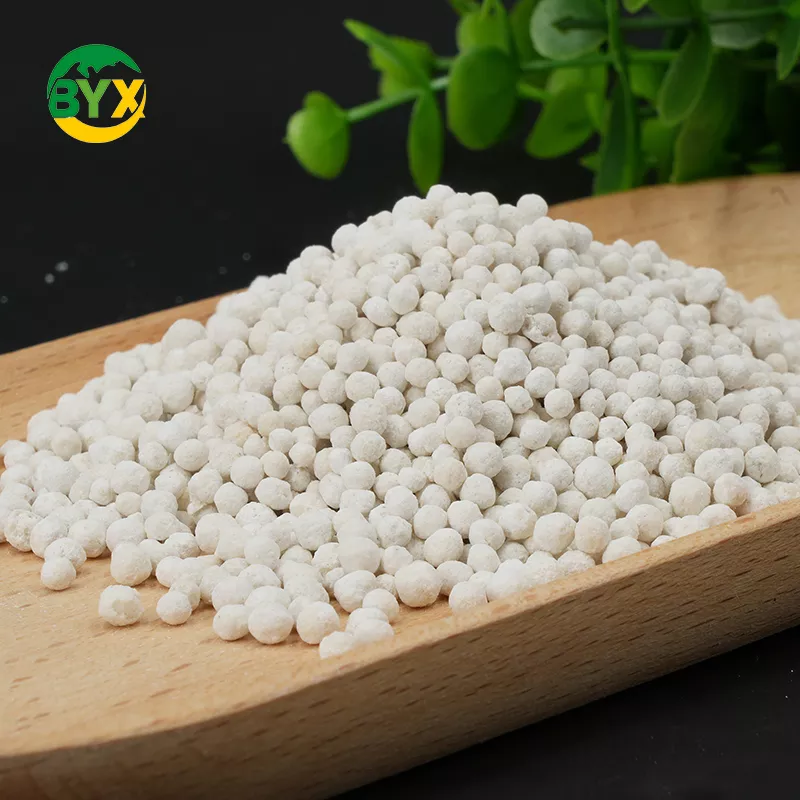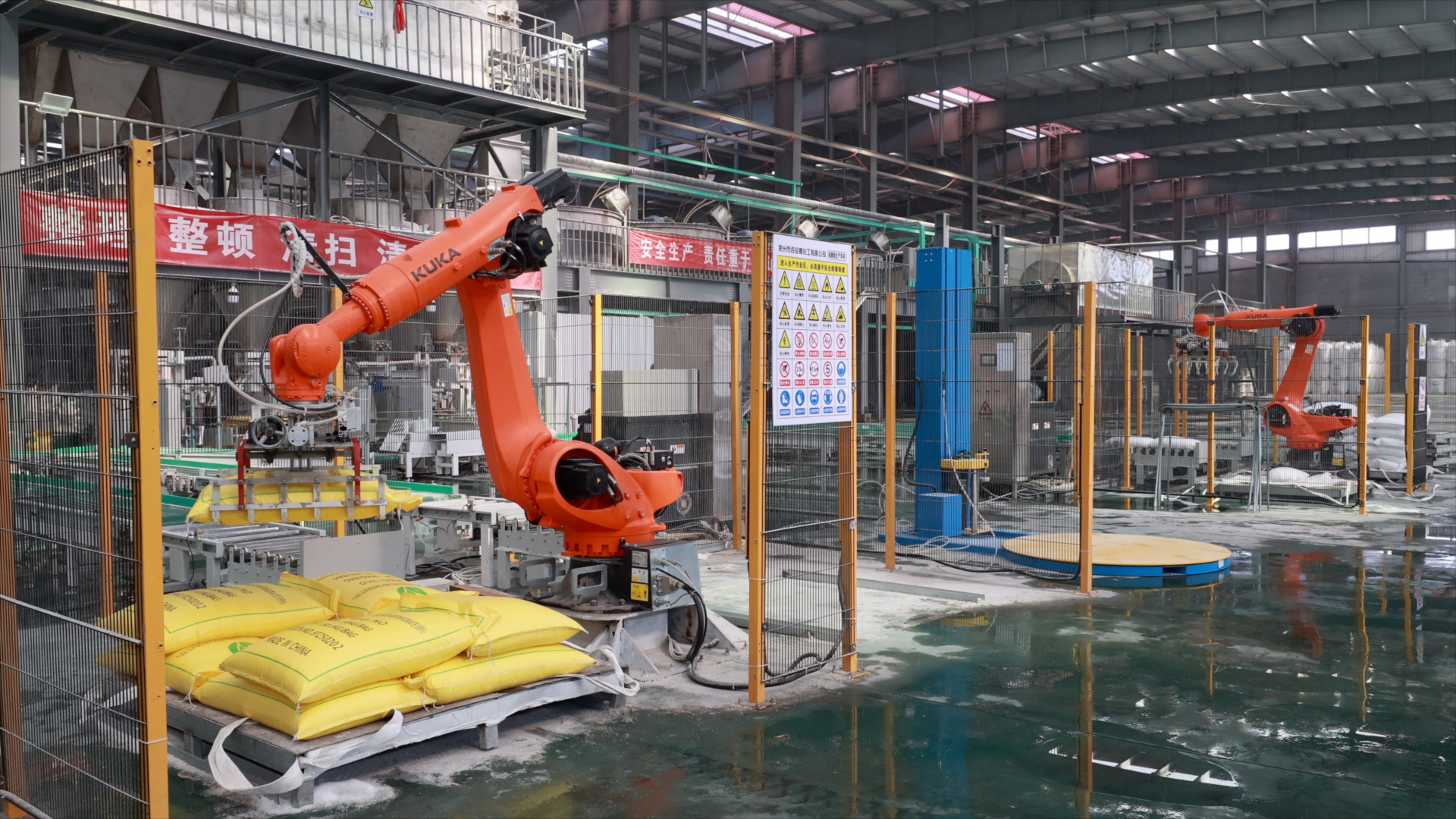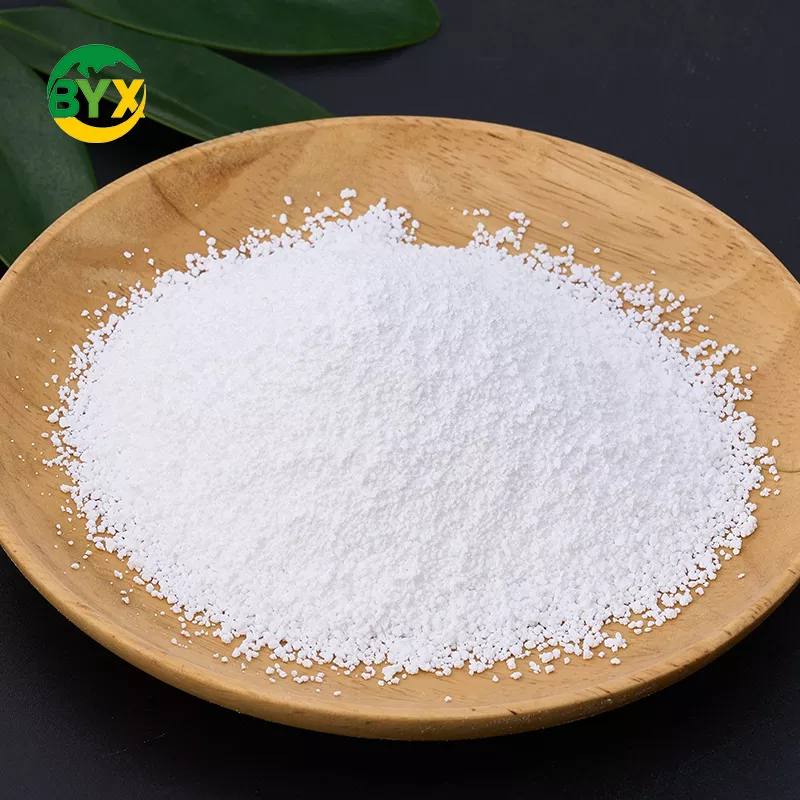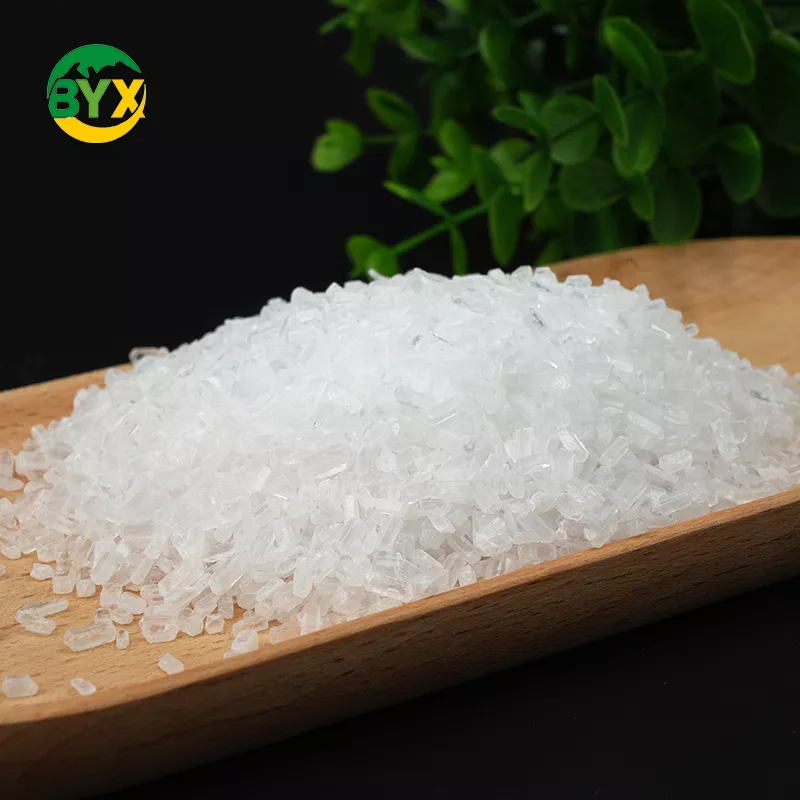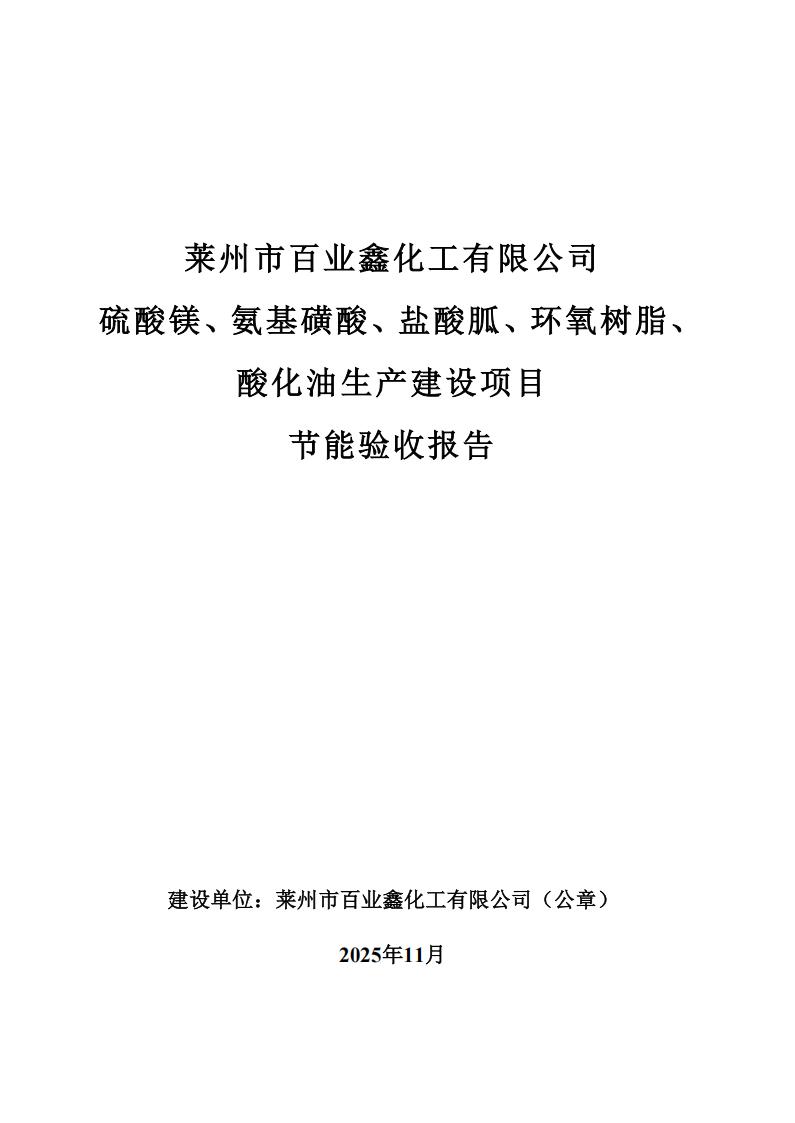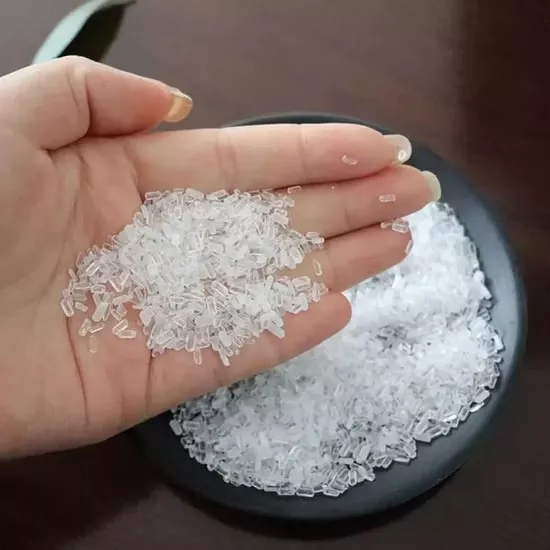
Magnesium sulfate heptahydrate (MgSO₄·7H₂O) in large granules is widely recognized as an effective magnesium fertilizer, particularly for leafy crops like tobacco and vegetables. While its primary use involves supplying essential magnesium and sulfur to plants, some manufacturers enhance its market appeal through dyeing processes.
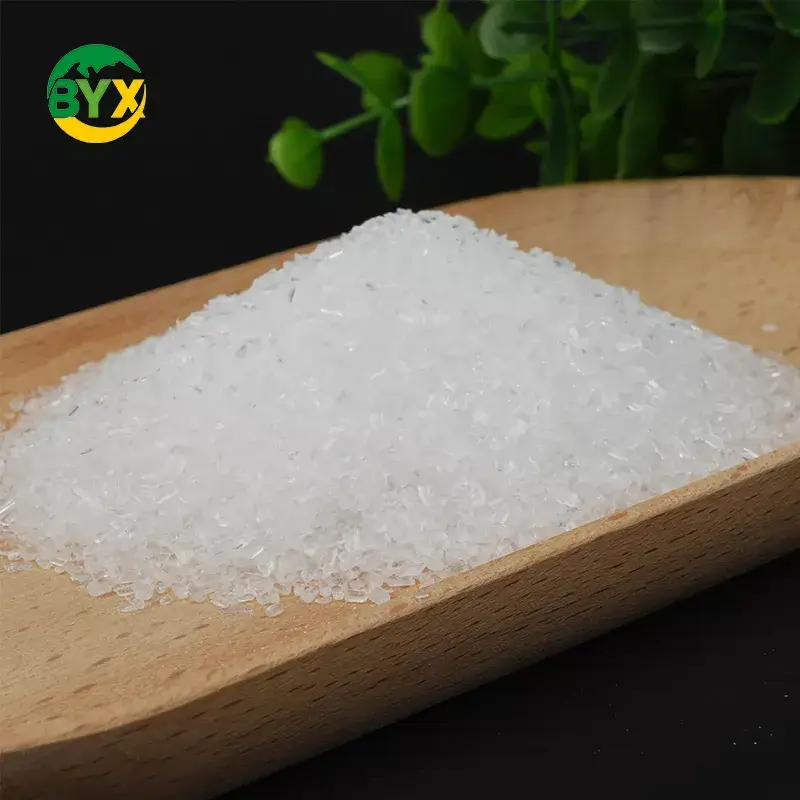
1. Why Dye Magnesium Sulfate Heptahydrate Granules?
Product Differentiation: Dyeing large granules (typically blue or green) helps farmers distinguish magnesium-specific fertilizers from generic blends.
Targeted Applications: In regions like southern China, dyed MgSO₄ is marketed as a "pure magnesium fertilizer" for crops requiring focused Mg supplementation, such as tobacco.
Aesthetic Appeal: Colored granules improve visual identification during application, reducing mixing errors in compound fertilizers.
2. Agricultural Benefits of Dyed MgSO₄·7H₂O
2.1 Enhanced Magnesium Uptake
Magnesium is critical for chlorophyll synthesis and photosynthesis. Dyed MgSO₄ granules supply 9.8% Mg and 12.6% S, addressing deficiencies in crops like tobacco, which often show yellowing leaves and stunted growth without adequate Mg.
2.2 Compatibility with Compound Fertilizers
Manufacturers blend dyed MgSO₄ with nitrogen, phosphorus, or potassium fertilizers to create tailored formulas. For example:
Tobacco-Specific Blends: Optimized Mg ratios improve leaf thickness and burn quality.
Leafy Vegetables: Dyed granules ensure even distribution in soil, boosting yield by 15–50%.
2.3 Soil and Crop Adaptability
Acidic Soil Correction: MgSO₄’s pH (4.5–6.5) helps neutralize alkaline soils while improving ion exchange capacity.
Drought Resistance: Magnesium stabilizes plant cell membranes, enhancing resilience in arid regions.
3. Practical Guidelines for Safe Use
3.1 Dyeing Safety Standards
Non-Toxic Pigments: Food-grade or organic-certified dyes must be used to avoid soil contamination.
Regulatory Compliance: Ensure dyes meet local agricultural chemical regulations (e.g., EU EC 2003/2003).
3.2 Application Methods
Base Fertilization: Mix 10–15 kg/acre of dyed MgSO₄ with organic manure before planting.
Top Dressing: Apply 250–500 g/plant for fruit trees or 10–13 kg/acre for field crops.
Avoid Overuse: Excessive Mg can inhibit calcium absorption, leading to issues like blossom-end rot.
3.3 Crop-Specific Recommendations
Tobacco: Prioritize dyed MgSO₄ to improve leaf quality and Mg bioavailability.
Leafy Greens (Spinach, Kale): Use blue-dyed granules for easy tracking during soil incorporation.
4. Industry Trends and Farmer Feedback
Southern Chinese fertilizer factories report high demand for dyed MgSO₄ from tobacco growers, who value its visual distinction and consistent Mg content. Recent trials show dyed variants perform equally to undyed versions in nutrient delivery, provided dyes are inert and eco-friendly.