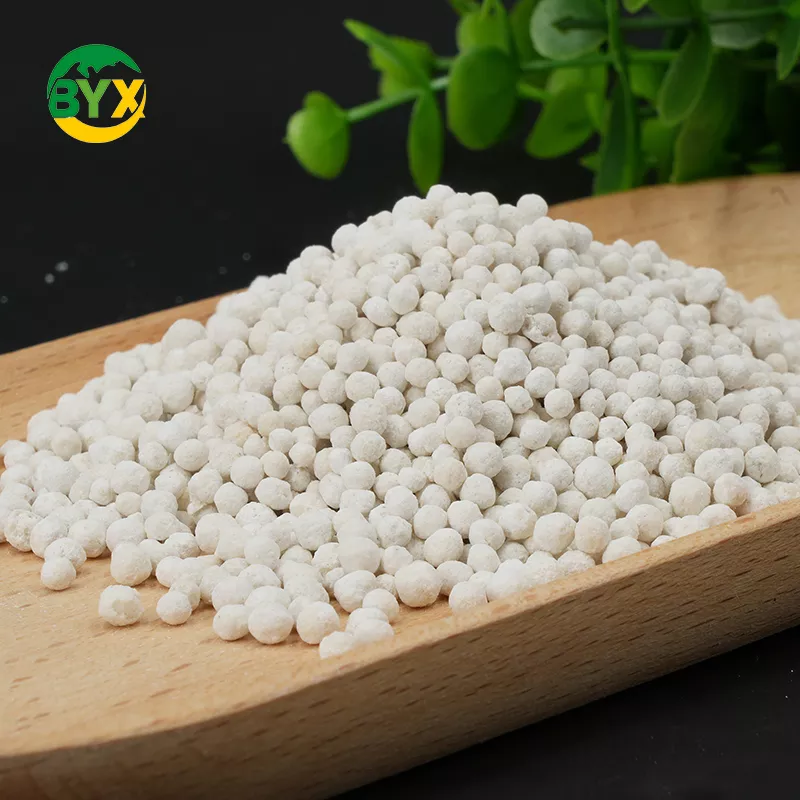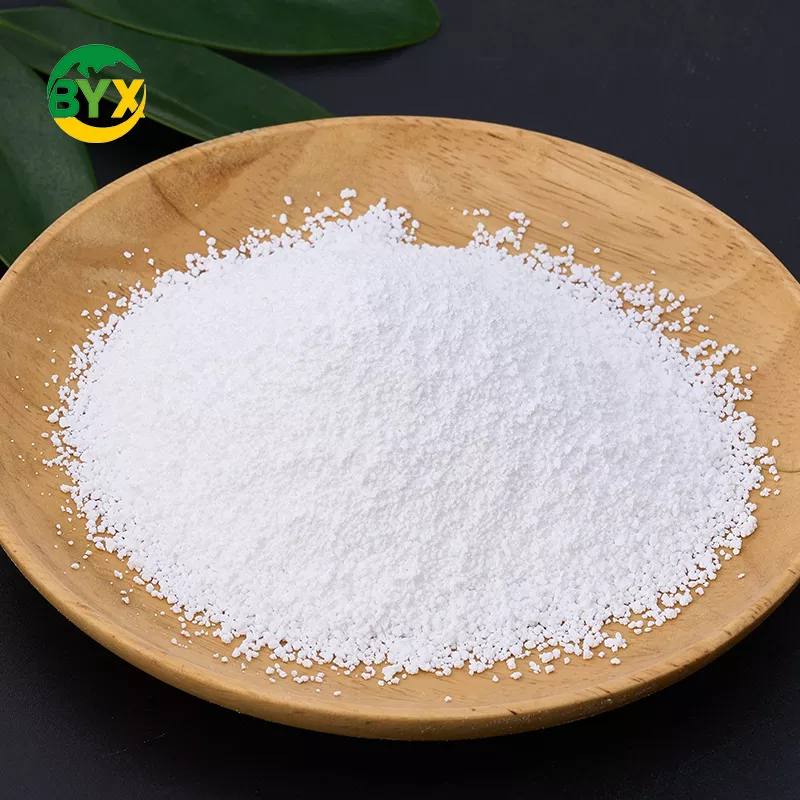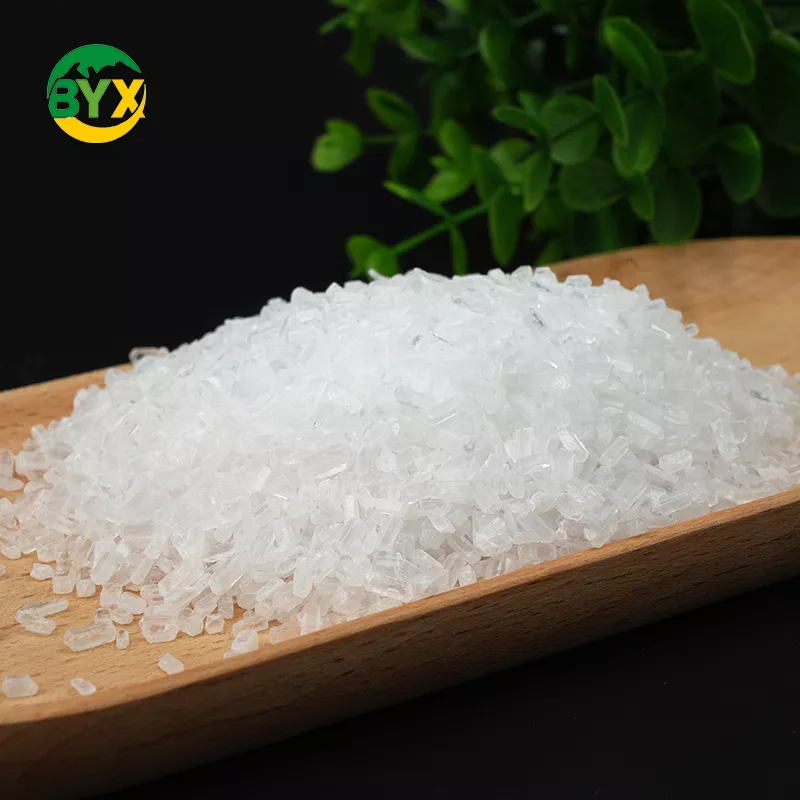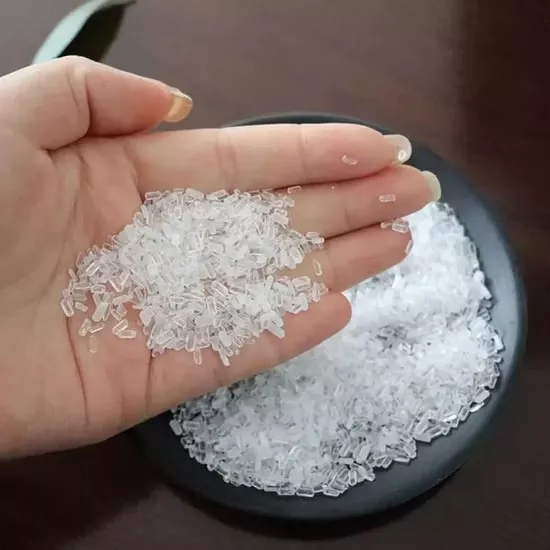
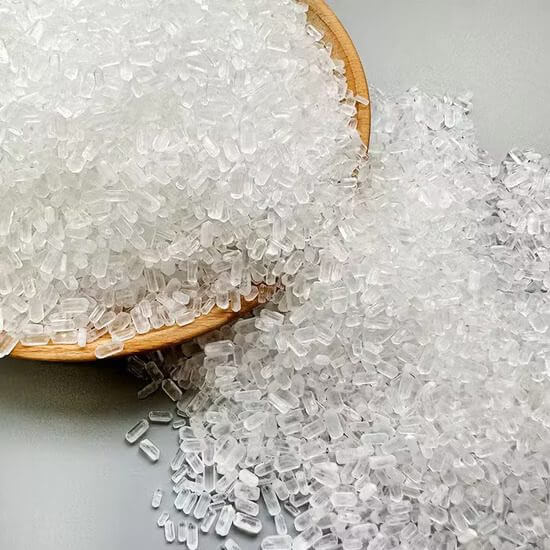
Magnesium sulfate heptahydrate (MgSO₄·7H₂O), a dual-nutrient fertilizer rich in magnesium (Mg) and sulfur (S), is widely used in vegetable cultivation to boost yields, improve crop quality, and revitalize soil health.
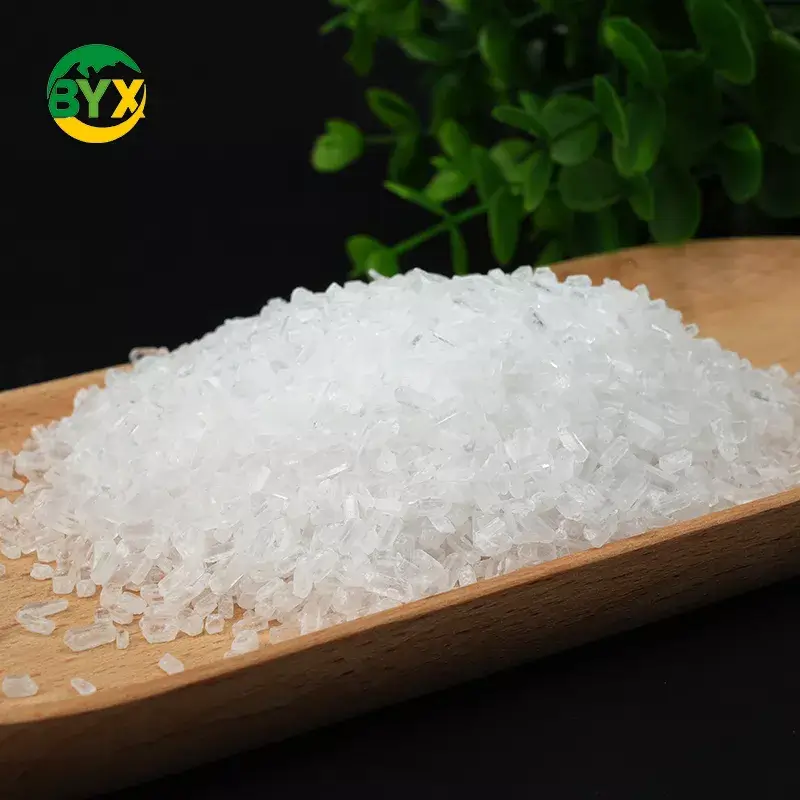
1. Why Use Magnesium Sulfate Heptahydrate Fertilizer?
Dual Nutrient Supply: Magnesium supports chlorophyll synthesis and enzyme activation, while sulfur aids amino acid and protein production, both critical for leafy vegetables like spinach, tomatoes, and cabbages.
Soil Improvement: Enhances soil structure by increasing ion exchange capacity and balancing pH levels, particularly beneficial for sandy or acidic soils.
Cost-Effective: Provides Mg and S in a single application, reducing the need for multiple fertilizers.
2. Step-by-Step Base Fertilizer Application
2.1 Pre-Planting Preparation
Dosage: Apply 10 kg per acre (or 22 lbs per acre) mixed with organic manure or compost.
Mixing Method: Uniformly blend MgSO₄·7H₂O with other base fertilizers (e.g., NPK) before spreading to ensure even nutrient distribution.
2.2 Soil Incorporation
Timing: Apply during soil tilling or bed preparation, 1–2 weeks before sowing seeds or transplanting seedlings.
Depth: Incorporate into the top 15–20 cm of soil, where vegetable roots are most active.
2.3 Crop-Specific Adjustments
Leafy Greens (Spinach, Kale): Prioritize magnesium for chlorophyll development. Use 8–12 kg/acre.
Fruiting Vegetables (Tomatoes, Peppers): Combine with phosphorus-rich fertilizers to enhance fruit set and sugar content.
3. Synergistic Practices for Enhanced Results
3.1 Combine with Organic Matter
Mix MgSO₄·7H₂O with compost or vermicompost (1:50 ratio) to improve microbial activity and slow-release nutrient availability.
3.2 Avoid Incompatible Fertilizers
Phosphorus Conflict: Separate MgSO₄·7H₂O from phosphate fertilizers by 5–7 days to prevent insoluble magnesium phosphate formation.
Alkaline Interactions: Avoid mixing with lime or wood ash, which reduce magnesium solubility.
4. Critical Usage Notes
Overapplication Risks: Excessive Magnesium Sulfate Heptahydrate (>50 kg/acre) can inhibit calcium uptake, leading to blossom-end rot in tomatoes or tip burn in lettuce.
Soil Testing: Check magnesium levels annually. Ideal soil Mg concentration ranges from 50–120 ppm for most vegetables.
Seasonal Timing: Apply in early spring or fall to align with vegetable growth cycles and minimize nutrient leaching.
5. Complementary Applications
For severe magnesium deficiency, supplement base fertilization with:
Foliar Spray: Use 0.2–0.5% MgSO₄ solution during early growth stages (e.g., 50–150 kg/acre).
Drip Irrigation: Dissolve 0.5–1 kg/acre in irrigation water for targeted delivery to root zones.