The outlook for the Korean magnesium sulfate market indicates that the market will continue to grow until 2030, and the south korea magnesium sulphate market price trends will also continue to change.Market participants must closely monitor volatility as shifting demand in processed foods, personal care, and fertilizers continues to impact the south korea magnesium sulfate market. In 2023, the Asia Pacific magnesium sulfate market reached USD 402.9 million, with the region leading global industry trends. BaiYeXin stands out in the magnesium sulphate market, offering ultra-high purity products and certified solutions to support diverse industry requirements.
Year | Market Size (Million USD) | Notes |
|---|---|---|
2023 | Estimated current market size | |
2024 | 42.2 | Projected market size |
2025-2035 | CAGR 4.167% | Forecasted compound annual growth rate |
2035 | 66.12 | Projected market size at end of forecast period |
Key Takeaways
The South Korea magnesium sulphate market is growing steadily, with a forecasted annual growth rate of about 4 to 5 percent through 2030.
Demand rises mainly from agriculture, pharmaceuticals, and construction, driven by sustainable farming and new product uses.
Magnesium sulphate prices show moderate increases and some fluctuations due to supply, raw material costs, and global factors.
BaiYeXin leads the market by offering high-purity products, large production capacity, strict quality control, and flexible packaging.
Buyers can manage price changes by using reliable suppliers, monitoring market trends, and leveraging trade agreements and supply contracts.
Market Overview
South Korea Magnesium Sulphate Market
The south korea magnesium sulphate market continues to show robust growth, driven by rising demand across agriculture, pharmaceuticals, and construction. In 2025, South Korea is projected to hold 9.59% of the Asia Pacific magnesium sulphate market, reflecting its strong regional presence. The market expects a compound annual growth rate (CAGR) of approximately 4.948% from 2025 to 2033, aligning with broader Asia Pacific trends.
Region/Country | Market Share in 2025 | Projected CAGR (2025-2033) |
|---|---|---|
Asia Pacific | 42.55% | 4.948% |
South Korea | 9.59% (of Asia Pacific) | ~4.948% |
South Korea’s magnesium sulfate market benefits from economic growth and evolving consumer preferences. Companies in the region focus on rapid expansion and new product launches to meet rising demand. The market remains part of a dynamic Asia Pacific region, where positive growth drivers support continued expansion.
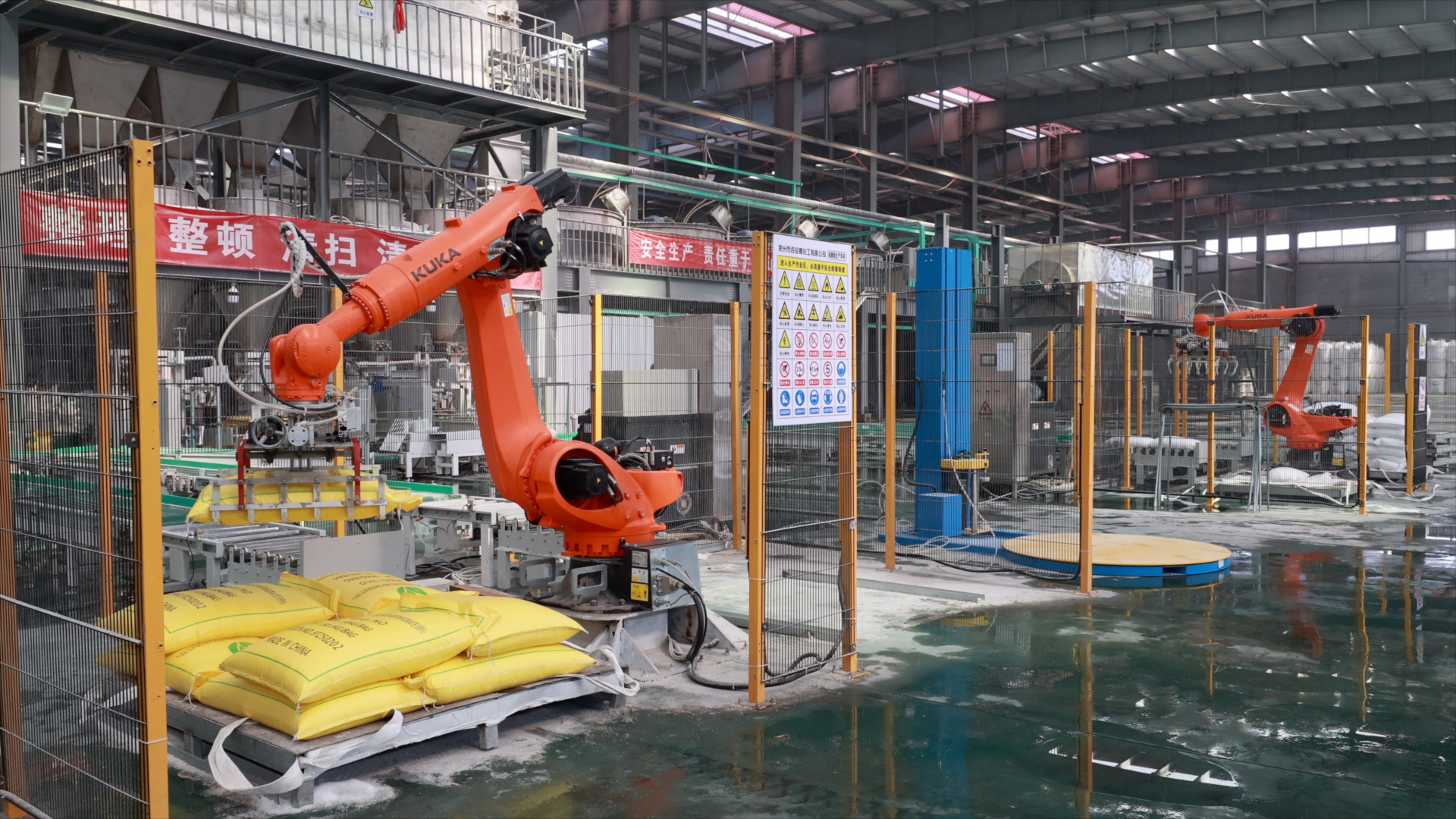
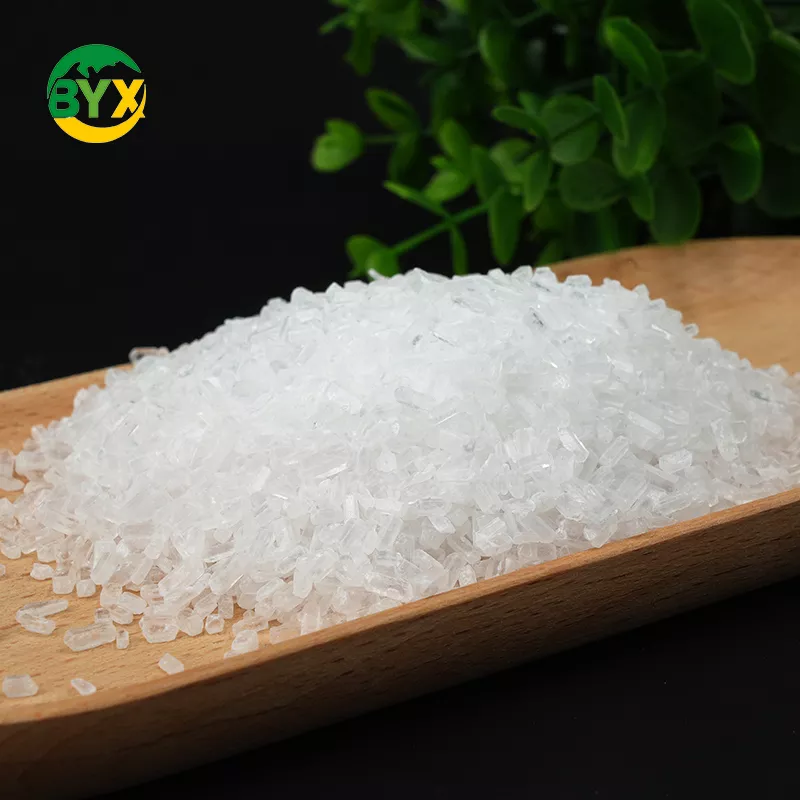
BaiYeXin stands out as a world-leading manufacturer in the magnesium sulphate market. The company operates six fully automatic production lines and delivers a daily output of 850 tons. BaiYeXin’s products exceed 99.5% purity, supported by 36 quality inspection processes. The company holds certifications such as ISO 9001, ISO 14001, ISO 45001, EU-REACH, HALAL, and KOSHER, ensuring high standards for clients in the south korea magnesium sulfate market.
Industry Growth Drivers
Several key factors drive the south korea magnesium sulphate market:
Increasing demand in agriculture, where magnesium sulfate improves plant growth and soil health. Sustainable farming and government support for natural fertilizers boost this trend.
Expanding use in the pharmaceutical industry, with magnesium sulfate serving as a therapeutic agent for health concerns.
Growth in the construction industry, as magnesium sulfate finds applications in cement and concrete production. Urbanization and infrastructure projects fuel this demand.
Advances in production technology and greater awareness of eco-friendly practices further support industry growth.
The south korea magnesium sulfate market continues to respond to these drivers, with demand for magnesium sulfate rising across multiple sectors. The industry remains focused on innovation and quality, positioning South Korea as a key player in the global magnesium sulphate market.
Price Trend Analysis
Magnesium Sulfate Price Trend
The magnesium sulfate price trend in South Korea reflects a dynamic market shaped by supply-demand shifts, raw material costs, and global economic factors. Over the past few years, magnesium sulfate prices have shown moderate volatility. The magnesium sulfate price trend often responds to seasonal agricultural demand, changes in energy costs, and fluctuations in international trade. In 2023, the magnesium sulfate price chart indicated a steady upward movement, with prices averaging between $180 and $220 per metric ton. This magnesium sulfate price graph highlights the impact of increased fertilizer use and industrial consumption.
Note: The magnesium sulfate regional price overview shows that South Korea’s prices remain competitive within the Asia Pacific region. Local producers, including BaiYeXin, help stabilize the market by offering consistent quality and reliable supply.
BaiYeXin’s advanced production and strict quality control allow the company to deliver stable magnesium sulfate prices, even when the broader market experiences volatility. Their ability to maintain high purity and meet diverse industry needs supports buyers seeking predictable price trends.
Historical Price Movements
Historical price movement and trend analysis reveal that magnesium sulfate prices in South Korea have experienced both short-term spikes and long-term growth. The magnesium sulfate price trend from 2018 to 2023 shows a gradual increase, driven by rising demand in agriculture and industry. The magnesium sulfate price chart for this period displays several peaks, often linked to supply chain disruptions or raw material shortages.
The magnesium sulfate price graph also demonstrates that prices tend to stabilize quickly after temporary surges. This resilience results from strong local manufacturing and strategic sourcing. Analysis of past magnesium sulfate price trends suggests that buyers can expect continued moderate growth, with occasional fluctuations tied to global market events.
BaiYeXin’s presence in the market ensures that clients receive high-quality products at stable prices, regardless of short-term market changes. Their commitment to quality and innovation positions them as a reliable partner for navigating future magnesium sulfate price trends.
Forecast 2025-2030
South Korea Magnesium Sulphate Market Outlook
The south korea magnesium sulfate market is set for steady expansion during the forecast period from 2025 to 2030. Market analysis projects a compound annual growth rate (CAGR) of nearly 5%, driven by robust demand across agriculture, pharmaceuticals, and industrial sectors. The magnesium sulfate price trend will likely reflect both rising demand and ongoing supply-side challenges. Analysts expect prices to remain on an upward trajectory, with average annual increases influenced by raw material costs, energy prices, and regulatory changes.
The demand and forecast for magnesium sulfate in South Korea will continue to rise as the agricultural sector seeks higher crop yields and improved soil health. Precision agriculture and sustainable farming practices will further boost demand. The magnesium sulfate price trend will also respond to increased use in pharmaceuticals, personal care, and nutraceuticals, as these industries expand their product portfolios. Market participants should anticipate moderate price volatility, with prices stabilizing at higher levels compared to previous years.
Note: The magnesium sulfate price trend in South Korea will remain closely tied to global supply chain dynamics and regional production policies. Companies that secure reliable, high-purity supply will gain a competitive edge in managing price fluctuations.
Key Forecast Factors
Several key factors will shape the magnesium sulfate price trend and market analysis for South Korea between 2025 and 2030:
Raw material costs and production fluctuations, especially those influenced by China’s production policies and environmental regulations, will directly impact prices.
Price volatility and the availability of high-grade magnesium will constrain supply and affect pricing.
Geopolitical influences, such as plant shutdowns and mining restrictions in China, will tighten supply and cause price fluctuations.
Growing demand from the agricultural sector, driven by the need for higher crop yields and increased fertilizer use, will push prices upward.
Expanding applications in pharmaceuticals, personal care, and nutraceuticals will contribute to demand growth and influence the magnesium sulfate price trend.
Energy costs and regulatory changes will continue to affect market fluctuations and pricing.
The shift toward sustainable and organic farming practices, along with technological advancements in agriculture, will further impact demand and pricing dynamics.
Government initiatives promoting organic farming and innovations in fertilizer formulations will create new opportunities for market expansion.
Market analysis indicates that the Asia Pacific region, including South Korea, will lead the agricultural-grade magnesium sulfate market. Rising global population and the need for increased food production will drive demand. The magnesium sulfate price trend will also reflect the adoption of magnesium sulfate in crop production and precision agriculture.
BaiYeXin stands well-positioned to meet future market needs during the forecast period. The company offers a comprehensive product range, including heptahydrate, monohydrate, anhydrous, kieserite, and magnesium oxide. Clients can choose from customizable purity levels and particle sizes, ensuring that every application receives the optimal product. BaiYeXin’s flexible packaging options, ranging from 25kg to 1250kg, support efficient logistics and storage for diverse industries.
BaiYeXin’s advanced production capabilities and strict quality control processes ensure consistent supply and high purity, even as market conditions shift. The company’s 24 patented technologies and international certifications provide assurance of quality and compliance. With 24-hour customer service and real-time quotations, BaiYeXin enables buyers to respond quickly to price trend changes and secure reliable supply.
Tip: Businesses that partner with suppliers like BaiYeXin can better manage price volatility and adapt to evolving demand and forecast trends in the south korea magnesium sulfate market.
Market Segmentation
By Form and Type
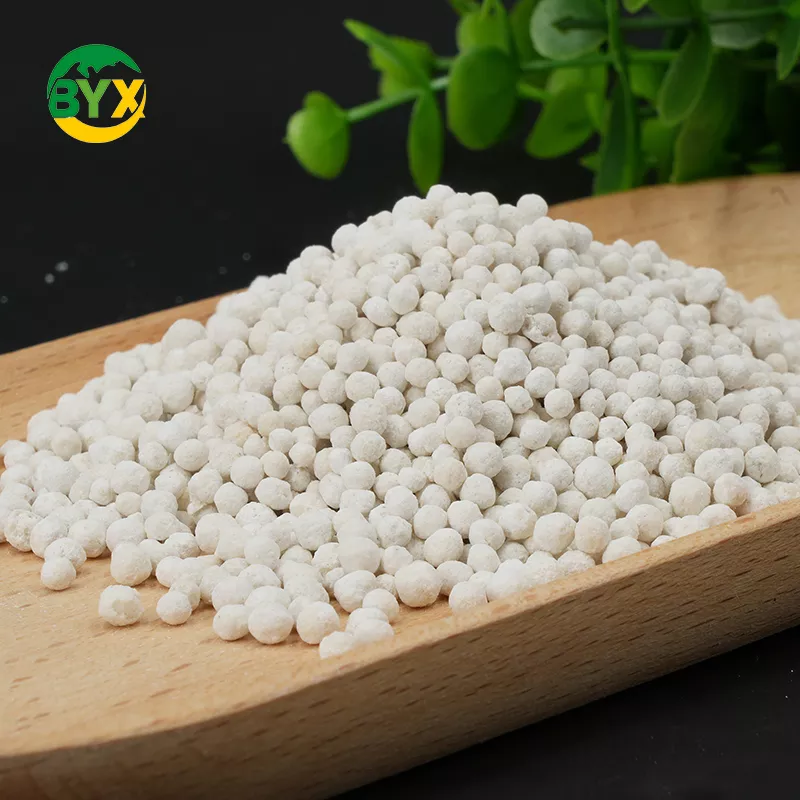
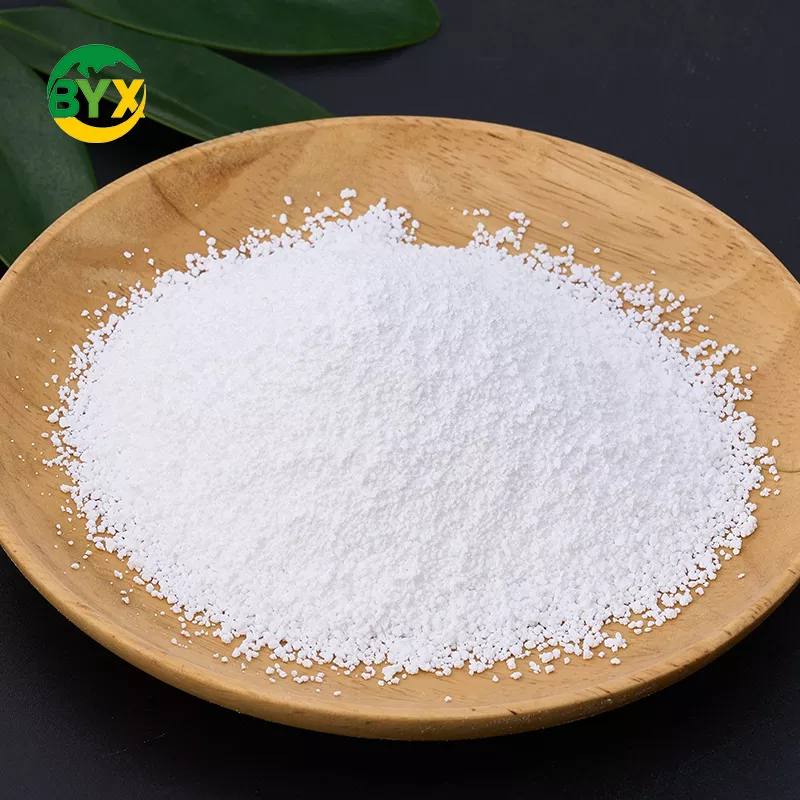
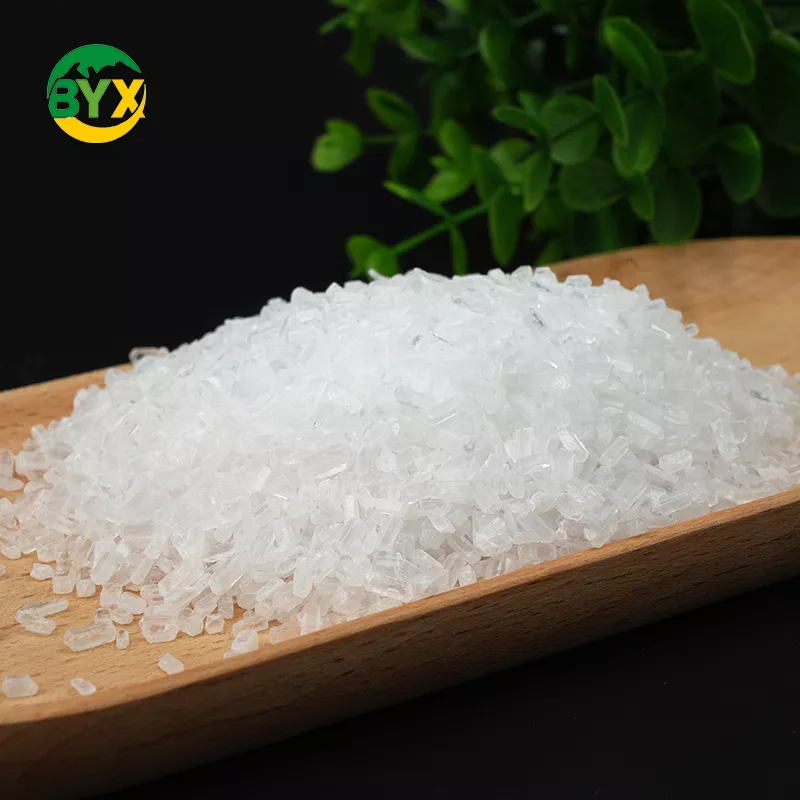
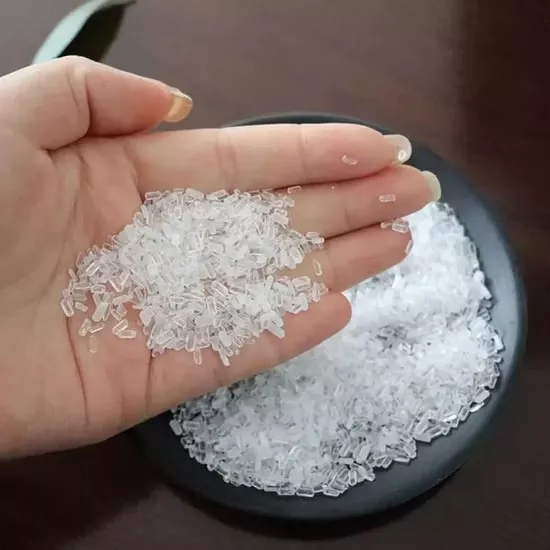
The magnesium sulphate market in South Korea features several key product forms. These include heptahydrate (MgSO₄·7H₂O), monohydrate, anhydrous, and kieserite. Each form serves distinct functions in the agrochemical and fertilizer sectors, as well as in the pharmaceutical and cosmetics industries. Heptahydrate dominates the market due to its high solubility and effectiveness in agrochemical applications. Monohydrate and anhydrous forms offer advantages in industrial and pharmaceutical processes, where specific purity and moisture content are critical. Kieserite, a naturally occurring magnesium sulfate monohydrate, is valued for its slow-release properties in soil conditioning.
Price trends often reflect the balance between supply and demand for each form. Heptahydrate typically commands stable pricing because of its broad use in fertilizers. Monohydrate and anhydrous forms may experience higher price volatility, especially when demand rises in the pharmaceutical and cosmetics industries. Kieserite prices depend on agricultural cycles and the adoption of sustainable farming practices.
BaiYeXin ensures a reliable supply of all major forms and grades. The company operates six automatic production lines with a daily capacity of 850 tons. Clients can select from industrial, agricultural, food, and feed-grade magnesium sulphate, with customizable purities of 98%, 99%, and 99.5%. Particle sizes range from fine powders to granules between 0.1 mm and 7 mm. BaiYeXin’s flexible packaging options, from 25 kg bags to 1250 kg jumbo sacks, support both small and bulk orders.
Aspect | Details |
|---|---|
Production Capacity | Six automatic lines, 850 tons/day |
Product Range | Heptahydrate, monohydrate, anhydrous, kieserite; grades for agrochemical, food, feed, pharma |
Certifications | ISO 9001, ISO 14001, ISO 45001, EU-REACH, HALAL, KOSHER |
Packaging Options | 25 kg to 1250 kg |
Customer Support | 24/7 service, real-time quotes, fast logistics |
Quality Assurance | 36 inspections, 24 patented technologies |
By Application
Magnesium sulphate finds widespread use across multiple industries in South Korea. The agrochemical sector leads demand, using magnesium sulphate to enhance plant health and crop yields. Sustainable farming and organic fertilizer trends further boost its importance. The pharmaceutical and cosmetics industries rely on magnesium sulphate for medical treatments, such as pre-eclampsia management, and for skin care products that benefit from its nourishing and exfoliating properties.
Other significant applications include:
Food industry: Used as a firming agent and nutrient supplement, supporting food safety and quality.
Industrial sector: Applied in textiles, paper, and chemical manufacturing.
Personal care: Incorporated into beauty products, reflecting South Korea’s strong cosmetics market.
Market demand continues to grow as government initiatives, consumer health trends, and innovation in production methods drive adoption in these sectors. The magnesium sulphate market expects steady growth, with a projected CAGR of 4.167% from 2025 to 2035.
BaiYeXin’s comprehensive product range and commitment to quality position the company as a preferred supplier for all major applications. Their ability to customize purity, particle size, and packaging ensures that clients in the agrochemical, pharmaceutical and cosmetics industries, and other sectors receive products tailored to their needs.
Key Drivers and Challenges
Supply and Demand
The supply and demand landscape in the south korea magnesium sulphate market remains dynamic. Recent data shows that from October 2023 to September 2024, there were 33 total shipments, with 6 foreign exporters and 10 South Korean buyers actively trading. Although the year-on-year growth rate declined by 6%, September 2024 saw a sharp 200% increase in imports, reflecting fluctuating but resilient demand. Most imports come from India, China, and Germany, which together account for 87% of the market’s supply.
Metric | Value |
|---|---|
Total shipments (Oct 2023-Sep 2024) | 33 shipments |
Number of foreign exporters | 6 exporters |
Number of South Korean buyers | 10 buyers |
Year-on-year growth rate | -6% (Oct 2023-Sep 2024 vs previous year) |
September 2024 imports | 3 shipments (200% YoY growth) |
Main source countries | India, China, Germany (87% of imports) |
Total buyers in market | 53 buyers |
Total suppliers in market | 18 suppliers |
Raw material costs play a crucial role in shaping the magnesium sulphate market. Fluctuations in the prices of sulfur and magnesium sources directly impact production expenses and market pricing. Producers also face challenges from energy prices, transportation costs, and environmental regulations. The demand and forecast for magnesium sulphate in agriculture and industry further influence raw material needs, affecting both supply and pricing stability.
BaiYeXin addresses these challenges by maintaining a robust supply chain and advanced production capabilities. The company’s six automated lines and daily output of 850 tons help ensure a steady supply, even when market conditions shift.
Regulatory and Economic Factors
Regulatory compliance shapes the south korea magnesium sulphate market, especially for food-grade and agrochemical applications. Strict standards govern the use of additives in food products, requiring manufacturers to guarantee purity and safety. These regulations increase production complexity and costs, but they also drive innovation and quality improvements. Government policies encourage nutrient-rich food options and sustainable production, influencing both demand and market direction.
Manufacturers must also respond to consumer expectations for eco-friendly processes. While no unique regulations target magnesium sulphate alone, broader food safety and environmental standards apply. Companies that meet these requirements gain a competitive advantage.
BaiYeXin demonstrates strong compliance with international standards. The company holds certifications such as ISO 9001, ISO 14001, ISO 45001, EU-REACH, HALAL, and KOSHER. Each batch undergoes 36 quality inspections, and BaiYeXin provides certificates of analysis and inspection reports for transparency. This commitment ensures reliable supply and positions BaiYeXin as a trusted partner in the magnesium sulphate market.
Strategic Insights
Procurement Strategies
Stakeholders in the South Korea magnesium sulphate market can adopt several strategies to manage price volatility and secure a reliable supply. The following recommendations help buyers respond to changing prices and maintain quality standards:
Leverage detailed export and supplier data to identify cost-effective sources. This approach helps buyers compare prices and select suppliers with a strong track record.
Analyze price and quality ranges to set procurement standards. Buyers can ensure that every purchase meets strict quality requirements, even as prices fluctuate.
Utilize Free Trade Agreements (FTAs) to reduce import duties. Lower costs can offset rising prices and support long-term procurement planning.
Source from geographically closer countries to minimize shipping time and freight costs. This strategy helps buyers respond quickly to price changes and maintain steady inventory.
Maintain exclusive supply contracts and use real-time tracking. These measures prevent parallel imports and protect market position, especially when prices shift rapidly.
Monitor competitors’ activities through market data alerts. Staying informed allows buyers to adjust procurement strategies and anticipate price movements.
Tip: Buyers who combine these strategies can better manage price risks and respond to market forecast changes.
Brand Advantage
BaiYeXin delivers significant advantages for South Korean magnesium sulphate buyers. The company operates six automated production lines with a daily output of 850 tons, ensuring consistent supply even when prices rise. Each batch undergoes 36 inspection points, guaranteeing a minimum purity of 99.5%. BaiYeXin holds 24 patented technologies, which drive innovation and process improvements. These patents help stabilize prices by increasing efficiency and maintaining product quality.
Buyers benefit from 24-hour online support and real-time quotation updates. Fast responses to inquiries and shipment tracking enable timely procurement decisions, especially when prices change quickly. BaiYeXin’s flexible packaging options, ranging from 25kg bags to 1250kg jumbo sacks, meet diverse buyer needs. International certifications such as ISO 9001, ISO 14001, EU-REACH, HALAL, and KOSHER confirm product quality and compliance, building trust among buyers.
BaiYeXin’s large-scale production capacity and competitive pricing support cost-effective purchasing. After-sales service includes continuous support throughout shipping and prompt resolution of any post-delivery concerns. These features ensure that buyers receive high-quality magnesium sulphate products, even as prices and market forecast conditions evolve.
The 2025-2030 forecast for the South Korea magnesium sulphate market highlights steady growth in demand, with prices expected to show moderate increases. Key findings from the latest market outlook report include:
The forecast covers detailed segmentation and trade analysis, helping stakeholders track price changes and demand shifts.
Prices will reflect both global and regional factors, including economic trends and government policies.
Market players focus on resilience and innovation to manage price volatility.
Supplier | Quality Control | Certifications | Production | Support | Pricing & Flexibility |
|---|---|---|---|---|---|
BaiYeXin | Global | 850 tons/day | 24/7, real-time | Competitive, custom |
Choosing BaiYeXin helps buyers secure stable prices and reliable supply. For more information or to request a quote, contact BaiYeXin through email, phone, WhatsApp, or the website.
FAQ
What are the main uses of magnesium sulphate in South Korea?
Magnesium sulphate supports agriculture, pharmaceuticals, food processing, and cosmetics. Farmers use it as a fertilizer. Manufacturers add it to medicines and food products. Cosmetic brands include it in skincare formulas.
How does BaiYeXin ensure product quality?
BaiYeXin uses 36 inspection points for every batch. The company holds ISO, EU-REACH, HALAL, and KOSHER certifications. These steps guarantee high purity and safety.
What packaging options does BaiYeXin offer?
BaiYeXin provides flexible packaging. Clients can choose from 25 kg bags to 1250 kg jumbo sacks. The company customizes packaging to fit specific logistics and storage needs.
How can buyers navigate South Korea Magnesium Sulphate Market Price fluctuations?
Buyers can secure long-term contracts, monitor market trends, and use real-time quotations. Partnering with reliable suppliers like BaiYeXin helps maintain stable pricing and supply.
Does BaiYeXin support urgent or bulk orders?
BaiYeXin operates six automatic production lines with a daily output of 850 tons. The company offers 24/7 customer service and fast logistics for urgent or large orders.