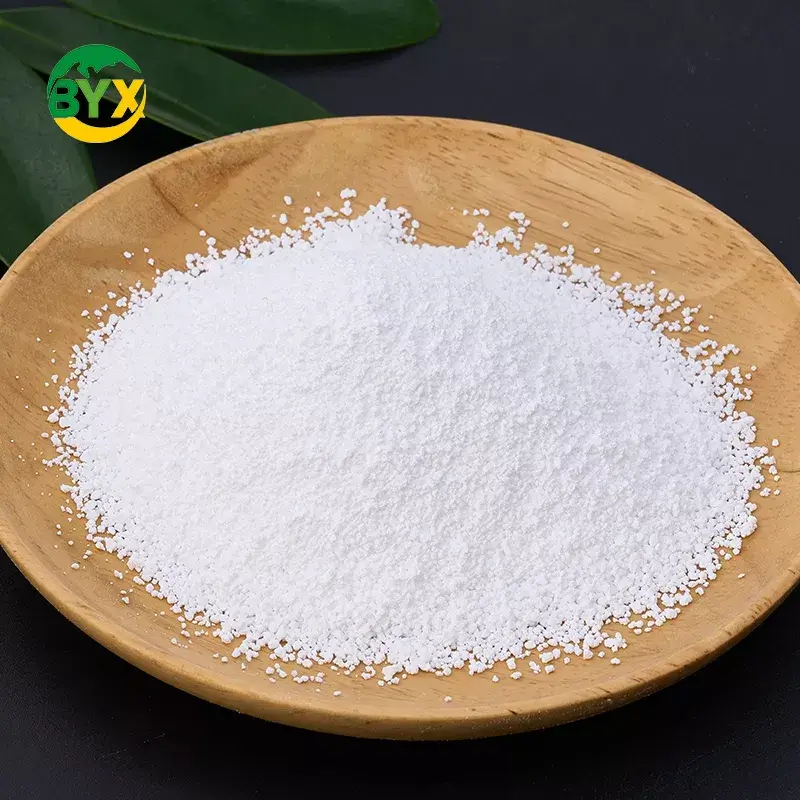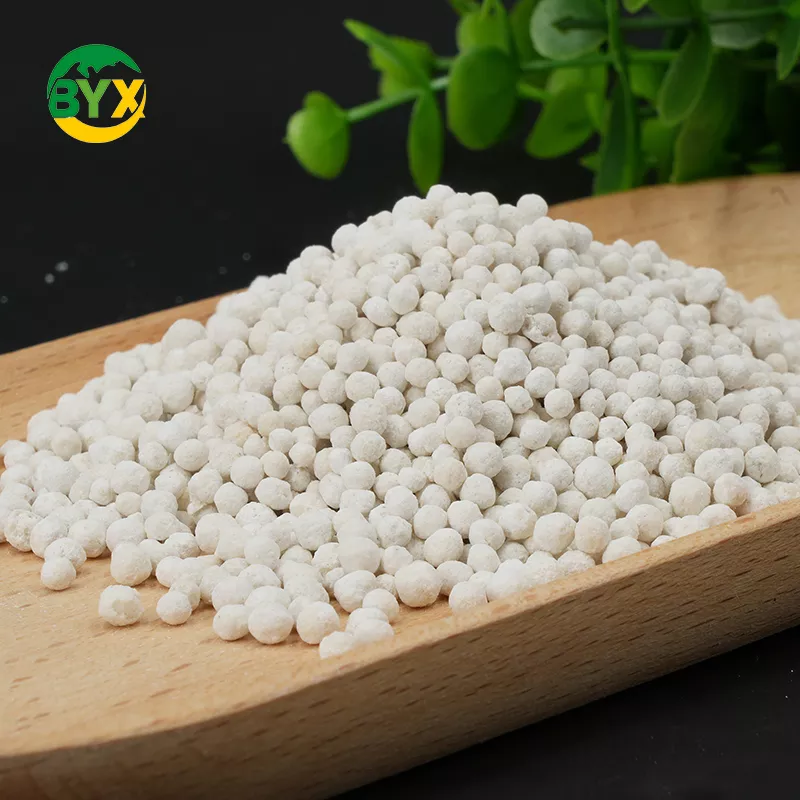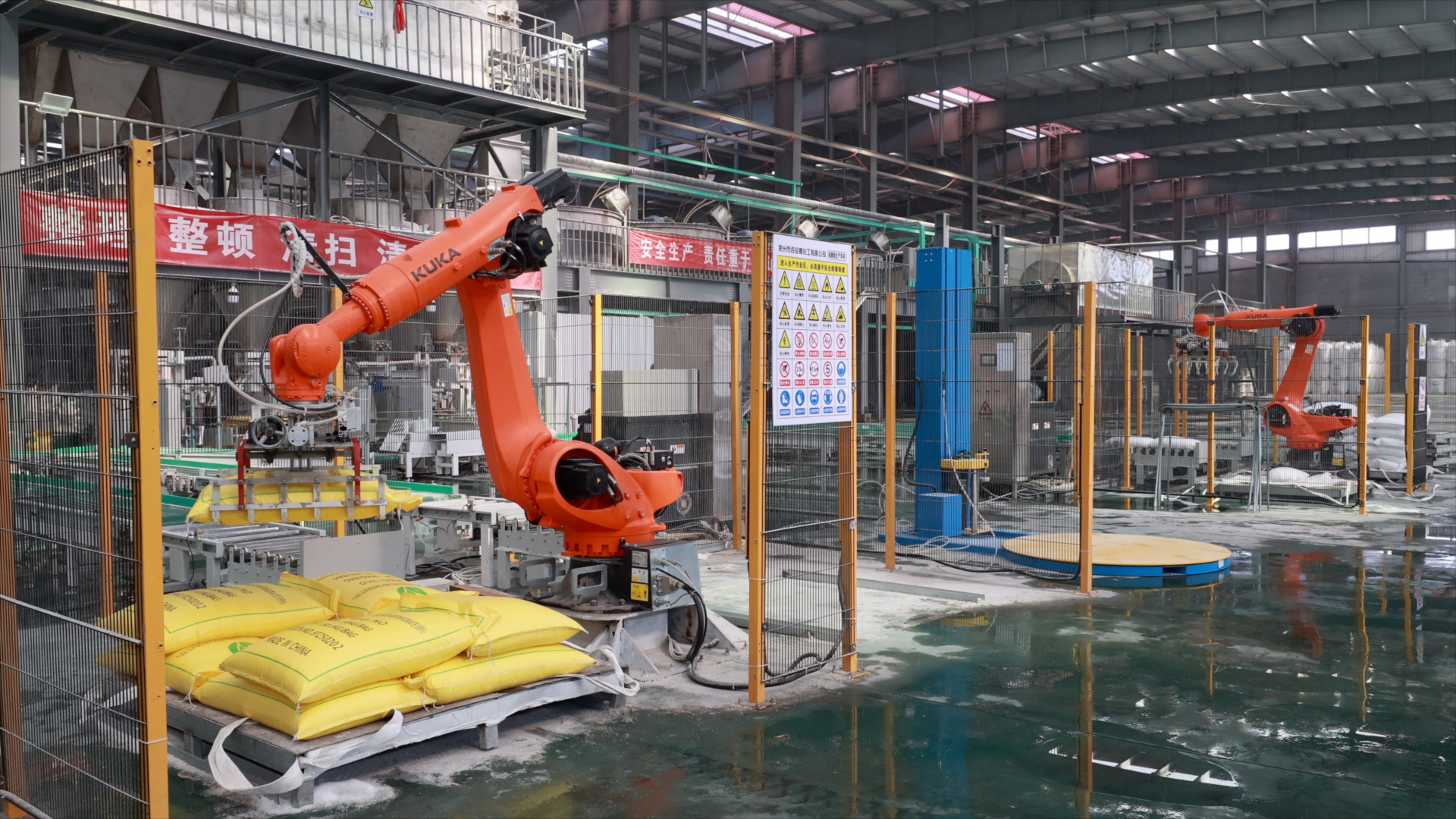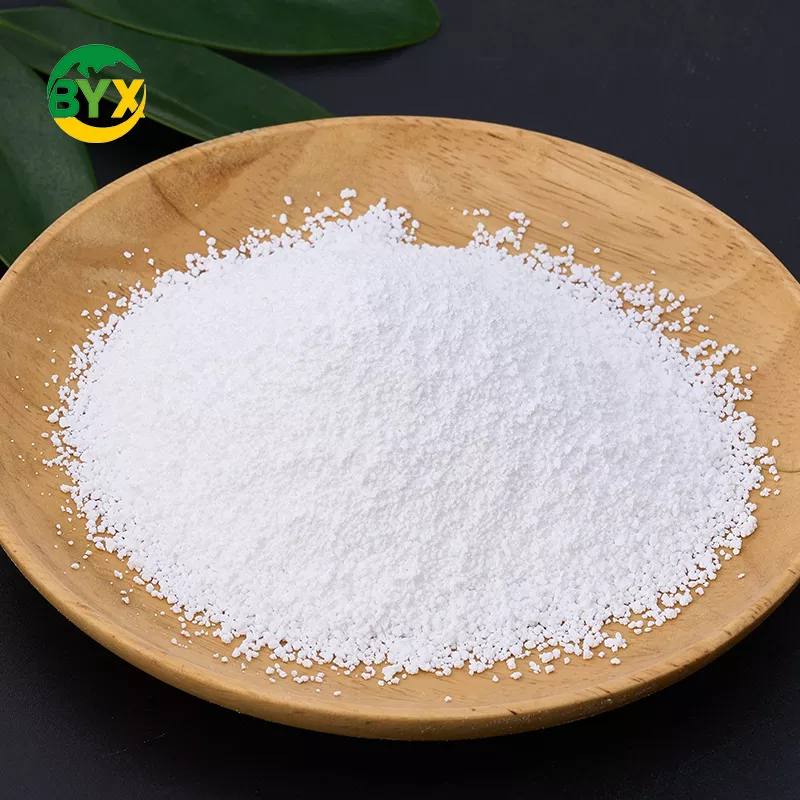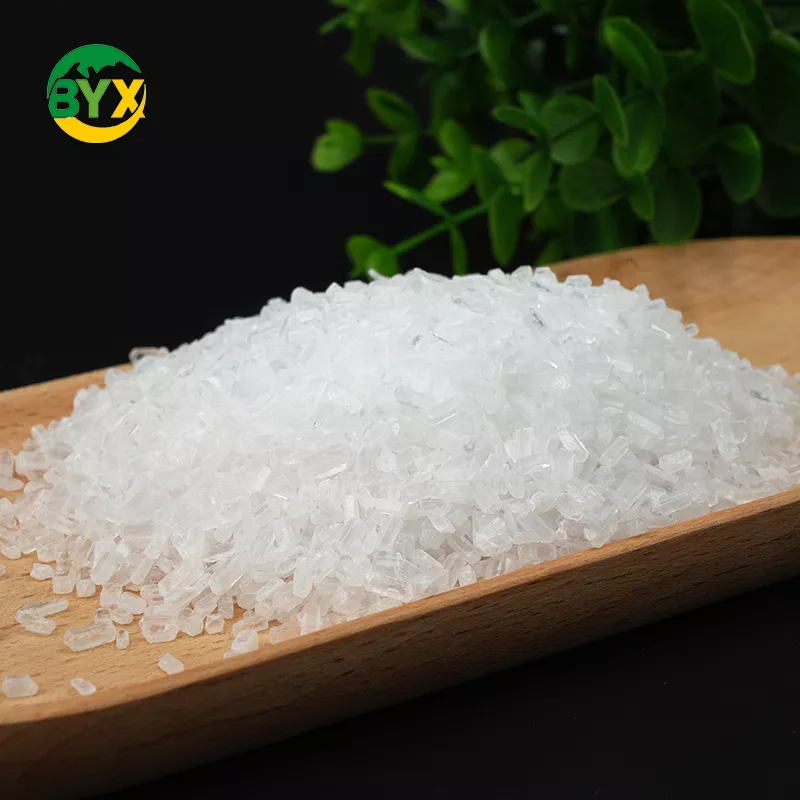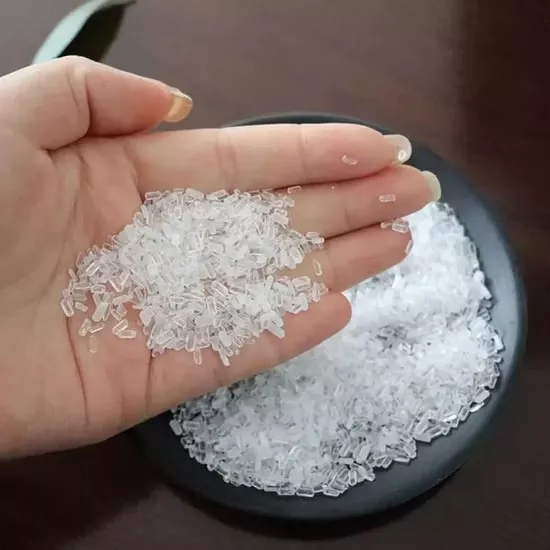
Monohydrate magnesium sulfate (MgSO₄·H₂O) is a versatile compound widely used in agriculture, industrial processes, and pharmaceuticals. Understanding its production methods is critical for optimizing quality and efficiency. This article explores two primary industrial methods for producing monohydrate magnesium sulfate: Recrystallization and Thermal Leaching, while highlighting its diverse applications.
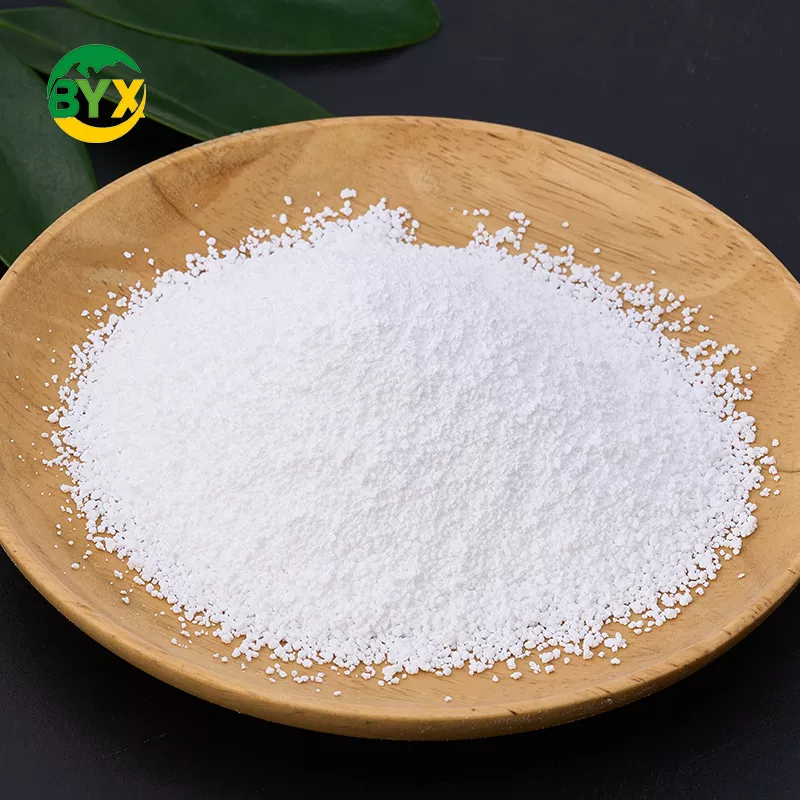
1. Production Methods of Monohydrate Magnesium Sulfate
1.1 Recrystallization Method
This method begins by dissolving industrial-grade magnesium sulfate in water within a dissolution tank. After 2 hours of settling, heavy metal sulfates precipitate and are filtered out. The clarified solution undergoes concentration, cooling crystallization, and centrifugal separation to obtain hydrated crystals. These crystals are then dehydrated in a controlled drying environment to yield monohydrate magnesium sulfate.
Key Advantages:
High purity through removal of impurities.
Scalable for industrial production.
1.2 Thermal Leaching Method
In this process, magnesium sulfate mother liquor (concentration: 30g/100mL) is mixed with a blended salt solution in a 2:1 volume ratio. The blended salt contains <30% magnesium sulfate and <35% sodium chloride. The mixture is maintained at 45–50°C for 4 hours to dissolve impurities like NaCl. The clarified liquid is then cooled to 5°C for crystallization, followed by washing, filtration, and drying to produce monohydrate magnesium sulfate.
Key Advantages:
Efficient impurity removal using temperature control.
Cost-effective for raw material utilization.
2. Applications Across Industries
Monohydrate magnesium sulfate plays a pivotal role in multiple sectors:
Agriculture: Enhances crop quality by supplementing magnesium and sulfur in compound fertilizers, addressing soil nutrient deficiencies and boosting yield.
Industrial Manufacturing:
Used in electroplating to improve conductivity and produce softer, whiter coatings.
Acts as a stabilizer in beverages, yeast production, and toothpaste formulations.
Pharmaceuticals: Serves as a laxative by increasing intestinal osmotic pressure, promoting rapid peristalsis.
Environmental Solutions: Applied in wastewater treatment and flame-retardant materials.
3. Industry Trends and Innovations
With the growing demand for sustainable agriculture, magnesium sulfate’s role in high-efficiency fertilizers is expanding. Advanced production techniques, such as sulfuric acid reaction and salt lake brine processing, are being refined to improve purity and scalability. Recent studies also highlight its potential in producing high-purity magnesia (MgO) via pyrolysis, achieving 99.5% purity for industrial applications.
Conclusion
The recrystallization and thermal leaching methods enable efficient production of monohydrate magnesium sulfate, driving advancements in agriculture, industry, and environmental management. As technology evolves, its applications will continue to diversify, supporting global sustainability goals.