Magnesium sulfate anhydrous is a very useful compound. It has many uses in different industries. This type of magnesium sulfate has no water in it. This makes it pure and stable for special needs. It helps farmers by improving soil and helping plants grow. In medicine, it is used in laxatives and pain relievers. Its chemical traits are also helpful in making products.
The need for magnesium sulfate is growing worldwide. By 2034, its market will grow from $861.6 million in 2024 to $1.44 billion. East Asia will make up about 24.6% of the earnings. This shows how important it is in many industries.
Key Takeaways
Magnesium sulfate anhydrous is a pure and stable substance. It is used in farming, medicine, and industries to help plants grow and improve soil.
Its chemical formula is MgSO4, and it is very pure. This purity is important for safe use in farming and medicine.
Magnesium sulfate anhydrous works well as a drying agent. It soaks up water, so it is useful in medicines and cleaning products.
It is safe for nature and does not hurt plants or animals if used correctly. Keep it in a cool, dry spot to keep it working well.
Buying good-quality magnesium sulfate from trusted brands, like BAIYEXIN, gives better results for farming and industry.
Chemical Formula and Structure of Magnesium Sulfate Anhydrous
Molecular Composition and Purity Standards
The chemical formula for magnesium sulfate anhydrous is MgSO4. This means it has one magnesium atom, one sulfur atom, and four oxygen atoms. It does not have water in its structure, unlike hydrated forms. This makes it more stable and pure, which is useful for special purposes.
High purity is important for magnesium sulfate anhydrous to work well in industries. Products with 99.5% or higher purity are used in medicine, farming, and making chemicals. For example, magnesium sulfate anhydrous with 99.0-100.5% purity meets USP standards. This makes it safe for medical and lab use. Below is a table showing the purity levels of different types:
Product Name | Purity Level | Notes |
|---|---|---|
Magnesium sulfate, anhydrous | 99.5% | For analysis EMSURE |
Magnesium sulfate, anhydrous USP | 99.0-100.5% | Titration: after ignition |
Magnesium sulfate puriss. p.a. | >=98.0% (KT) | Drying agent, anhydrous, very fine powder |
These purity levels ensure magnesium sulfate anhydrous meets strict quality needs for industries.
Structural Characteristics of Magnesium Sulfate
The structure of magnesium sulfate anhydrous is simple but important. It has ionic bonds between magnesium ions (Mg²⁺) and sulfate ions (SO₄²⁻). This ionic structure helps it dissolve in water, making it useful for many purposes.
Unlike hydrated forms, magnesium sulfate anhydrous has no water in its crystal structure. Without water, it is more stable and lighter. This makes it great as a drying agent. Its simple structure also stays strong under high heat, which is helpful in factories.
Comparison with Hydrated Magnesium Sulfate
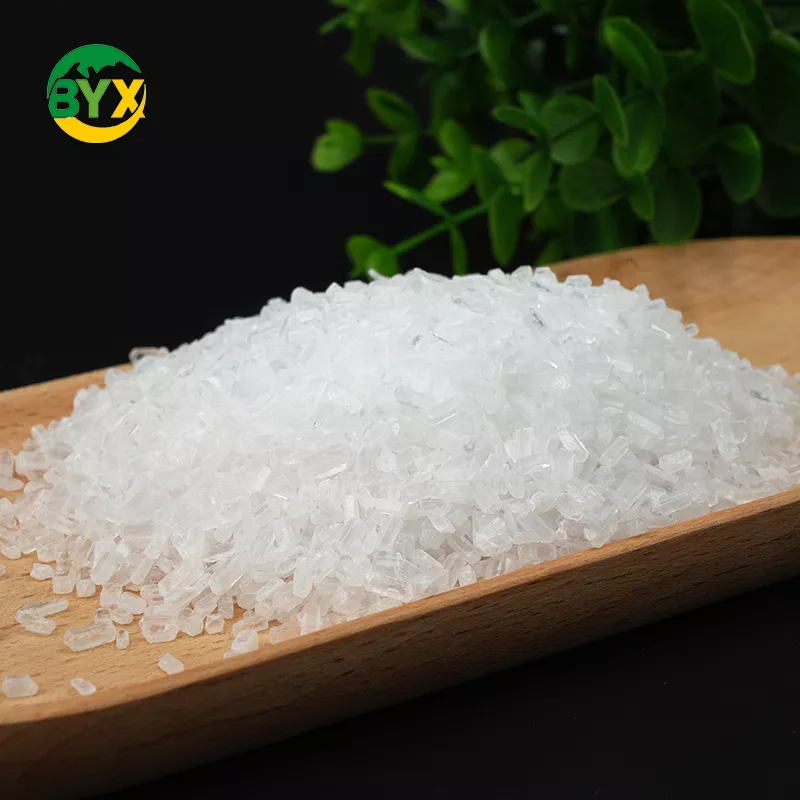
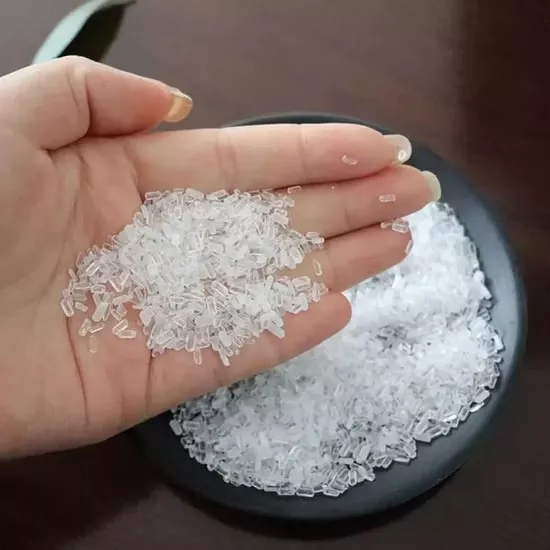
The main difference between anhydrous and hydrated magnesium sulfate is water. Hydrated forms, like magnesium sulfate heptahydrate (MgSO4·7H2O), have water in their crystals. This changes how they look and act.
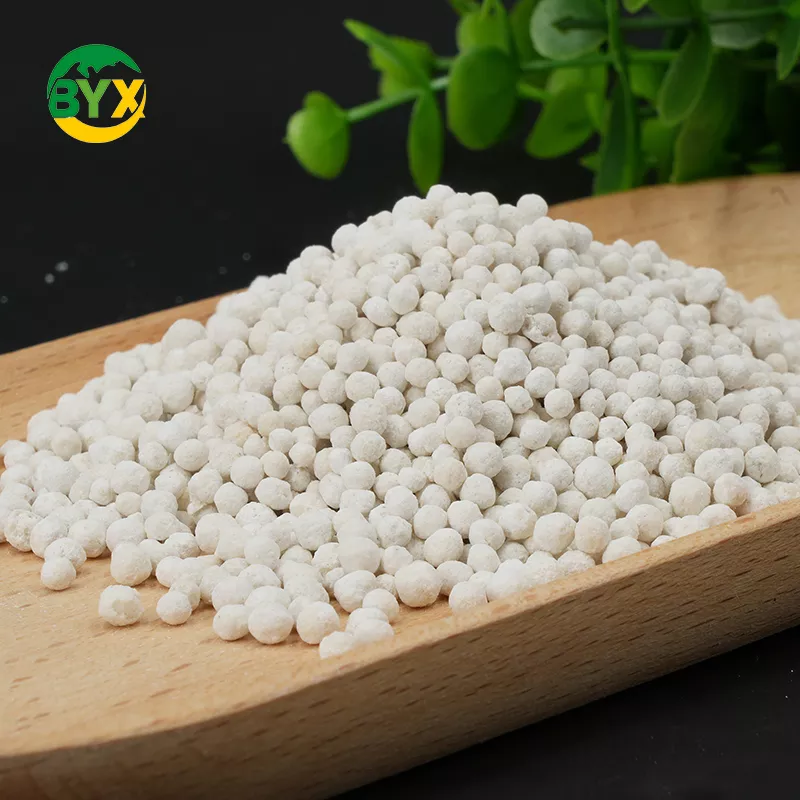
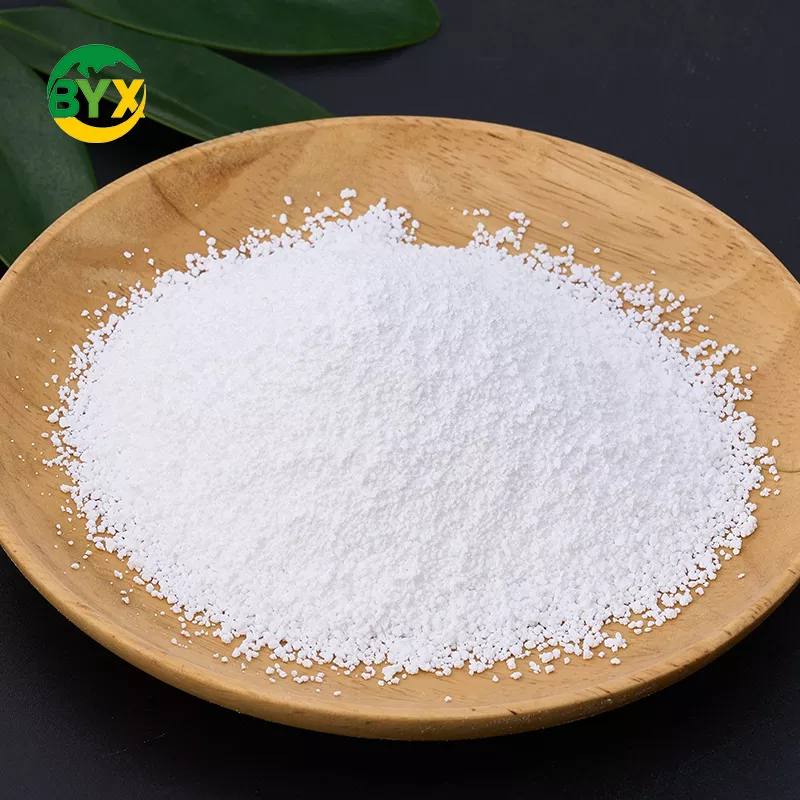
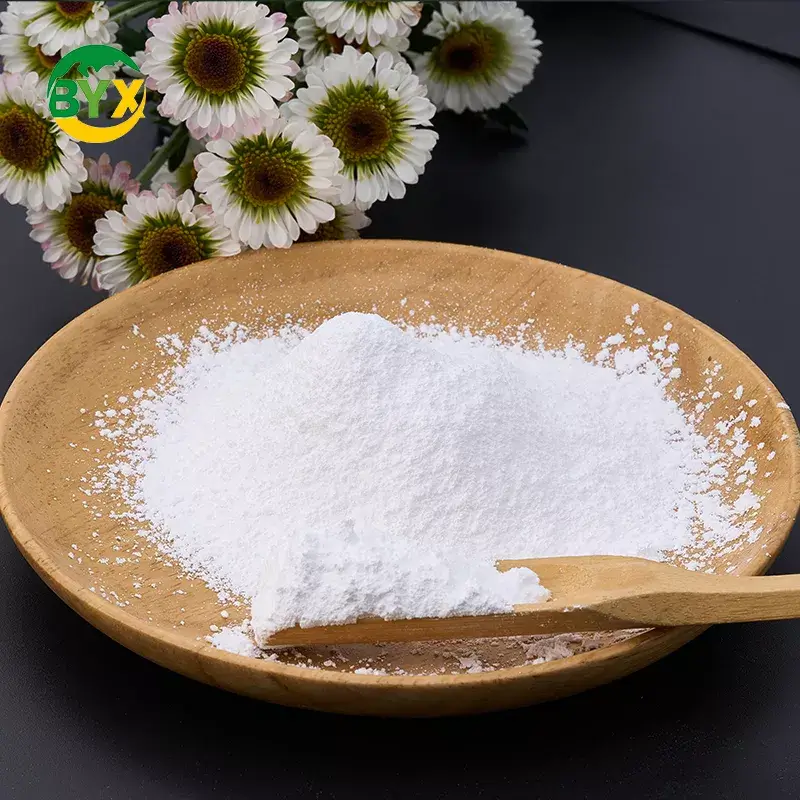
Hydrated magnesium sulfate looks like clear crystals, while the anhydrous form is a white powder. Heating hydrated magnesium sulfate removes the water, turning it into the anhydrous form. This shows how flexible magnesium sulfate can be.
Water in hydrated magnesium sulfate also affects its reactivity. The water stabilizes it and changes its chemical behavior. The anhydrous form is more stable and less reactive, making it better for uses needing low moisture.
Note: The special structure of magnesium sulfate anhydrous makes it very useful. Its stability, purity, and ability to handle different conditions make it important for many industries.
Physical and Chemical Properties of Magnesium Sulfate
Appearance and Solubility
Magnesium sulfate is a white, odorless crystal powder. It tastes bitter or salty and feels dry. Its powdery form makes it great for drying uses. You can check its purity by its even crystal look.
It dissolves easily in water, with 35.1 grams dissolving in 100 mL at 20°C. When dissolved, it splits into magnesium (Mg²⁺) and sulfate (SO₄²⁻) ions. This makes it useful in farming and medicine, where fast absorption matters.
Property | Value |
|---|---|
Appearance | White, odorless, dry powder |
Taste | Bitter or salty |
Molecular Mass | 120.37 g/mol |
Density | 2.66 g/cm³ |
Solubility at 20°C | 35.1 g/(100 mL) |
Stability and Reactivity
Magnesium sulfate stays stable in normal conditions. Its anhydrous form keeps out moisture, making it good for dry places. It can be stored for a long time without breaking down.
At high heat, it breaks apart and releases sulfur oxide gases. This means it needs careful handling in factories. When mixed with water, it forms magnesium and sulfate ions. With ammonium hydroxide, it creates ammonium sulfate and magnesium hydroxide. These reactions show its many uses in chemistry.
Property | Value |
|---|---|
Melting Point | 1,124 °C |
Decomposition | Releases sulfur oxide gases above melting point |
Chemical Reaction | MgSO₄ + H₂O → Mg²⁺(aq) + SO₄²⁻(aq) |
Reaction with NH₄OH | MgSO₄ + NH₄OH → (NH₄)₂SO₄ + Mg(OH)₂ |
Unique Chemical Properties of Magnesium Sulfate Anhydrous
Magnesium sulfate anhydrous has no water in its structure. This makes it lighter and more stable, perfect for drying tasks. Its ionic bonds help it dissolve fast in water, making it very effective.
Unlike forms with water, it stays strong under high heat. This makes it useful in hot industrial processes. It also absorbs moisture without changing, which is key in chemical production.
Tip: Choose magnesium sulfate anhydrous for stable, moisture-free, and versatile needs.
Common Uses of Magnesium Sulfate Anhydrous
Magnesium sulfate anhydrous is important in many industries. Its special traits make it useful in medicine, farming, and factories. Below are ways this compound helps in these areas.
Uses in Medicine
Magnesium sulfate anhydrous is found in many medicines. Its purity and stability make it great for medical use. It is used in laxatives to ease constipation by pulling water into the intestines. It also helps with pain relief, especially in muscle relaxers and pregnancy-related treatments like eclampsia.
This compound is also a drying agent for making some medicines. It absorbs moisture, keeping medicines stable and effective. Its ability to dissolve quickly helps it work fast in treatments, making it very useful in healthcare.
Benefits for Farming and Soil
Farmers use magnesium sulfate anhydrous to improve crops. It gives plants magnesium and sulfur, which are needed for growth. Magnesium helps plants make food through photosynthesis, and sulfur helps build proteins. Together, they boost soil health and crop production.
Magnesium sulfate fixes magnesium-poor soil. Crops like tomatoes and potatoes grow better with it. It dissolves in water, so it works well in sprays and soil mixes. This helps plants absorb nutrients quickly and easily.
It also makes crops healthier and stronger. Plants grow better roots, greener leaves, and resist diseases more. Using this compound leads to better harvests and stronger plants.
Industrial and Chemical Uses
Factories use magnesium sulfate anhydrous for its chemical features. It absorbs moisture, making it a great drying agent. It removes water from gases and liquids, keeping products pure.
It is also used in making textiles, paper, and ceramics. In textiles, it helps dyes stick to fabrics, keeping colors bright. In ceramics, it makes items stronger and more durable. In food, it adds flavor and nutrients.
Magnesium sulfate is also used to clean wastewater. It removes harmful metals and dirt. Its reactivity and solubility make it helpful in many chemical processes, supporting cleaner factory work.
Tip: Choose high-purity magnesium sulfate for farming or factory needs. Better quality gives better results and lasting benefits.
Other Everyday Uses of Magnesium Sulfate Anhydrous
Magnesium sulfate anhydrous is used in many daily products. Its special features make it important in personal care, cleaning, and wellness items. You might not notice, but it’s part of your routine in many ways.
Personal Care and Wellness Items
Magnesium sulfate is common in personal care products. Bath salts often have it because it relaxes muscles. When added to warm water, it helps ease stress and tension. This makes it great for self-care. It’s also in skincare products as a gentle scrub. It removes dead skin, leaving your skin soft and smooth.
In wellness, magnesium sulfate is known for its healing effects. It’s used in foot soaks to reduce pain and swelling. Its ability to absorb moisture makes it useful in deodorants, keeping you dry and fresh all day.
Cleaning and Home Use
Magnesium sulfate anhydrous is helpful in cleaning products too. It absorbs moisture, making it good for keeping areas dry. This helps stop mold from growing. It’s also added to cleaning powders and detergents to make them work better.
For plant lovers, magnesium sulfate is great for indoor plants. It gives plants nutrients they need to grow. Mixing a little with water can help droopy leaves look healthy again.
Food and Drinks
In food, magnesium sulfate keeps canned fruits and veggies firm. It also improves flavors in some drinks. Its safety and usefulness make it a favorite for food makers.
Uses in Many Markets
Magnesium sulfate is needed in farming, health, and personal care. Solid forms like powder and crystals are popular because they’re easy to use. Whether it’s bath salts, cleaning items, or plant care, magnesium sulfate anhydrous helps improve their quality.
Tip: Choose products with magnesium sulfate for benefits like relaxation and healthier plants.
Safety and Handling of Magnesium Sulfate Anhydrous
Potential Hazards and Precautions
Magnesium sulfate anhydrous is safe if used properly. Misuse can cause problems. Touching it may irritate your skin or eyes. Breathing its powder might bother your lungs. Always wear gloves, goggles, and a mask when using it. If it gets on your skin or in your eyes, rinse with water. See a doctor if irritation doesn’t stop.
In factories, avoid making dust clouds with magnesium sulfate. Dust clouds can be dangerous in small spaces. Make sure your workspace has good airflow to stay safe. Following these steps will help you use magnesium sulfate safely.
Proper Storage and Handling Guidelines
Store magnesium sulfate anhydrous in a dry, cool place. Keep it in sealed containers to stop it from absorbing moisture. This is important because it loses its drying power if it gets wet.
Here’s a table with general storage tips for materials like magnesium sulfate:
Storage Type | Guidelines |
|---|---|
Flammable Liquids | - Use small amounts. Store in approved cabinets. Keep doors locked. |
- Avoid large containers. Keep away from oxidizers. | |
- Use explosion-proof fridges for storage. | |
Gas Cylinders | - Only keep what you need. Secure cylinders with caps. |
- Store large toxic gas cylinders in special cabinets. | |
Cryogenic Fluids | - Use proper containers. Wear safety gear. Cool containers slowly. |
Disposal Procedures | - Keep acids in their original bottles. Neutralize before throwing away. |
Label magnesium sulfate containers clearly. Keep it away from strong acids or bases. These steps will keep it safe and effective.
Environmental Considerations
Magnesium sulfate anhydrous is safe for the environment. The EPA says it is not toxic and doesn’t harm animals or plants. This makes it good for farming and food uses. It’s also safe to use in pesticides without hurting nature.
Dispose of magnesium sulfate responsibly. Don’t dump large amounts into water, as it could affect fish temporarily. By using it carefully, you can enjoy its benefits without harming the environment.
Tip: Follow safety rules and protect the environment when using magnesium sulfate. This keeps you and nature safe.
Why Pick BAIYEXIN for Magnesium Sulfate Anhydrous?
Top Purity and Quality Checks
BAIYEXIN offers magnesium sulfate anhydrous with very high purity. Each batch goes through 36 checks to meet strict standards. The purity is 99.5% or more, making it perfect for farming, medicine, and factories.
Flexible Options for Different Needs
BAIYEXIN knows customers have different needs. That’s why they offer custom magnesium sulfate options. You can pick from various purities, sizes, and packaging. Whether you need fine powder or bigger granules, BAIYEXIN has it.
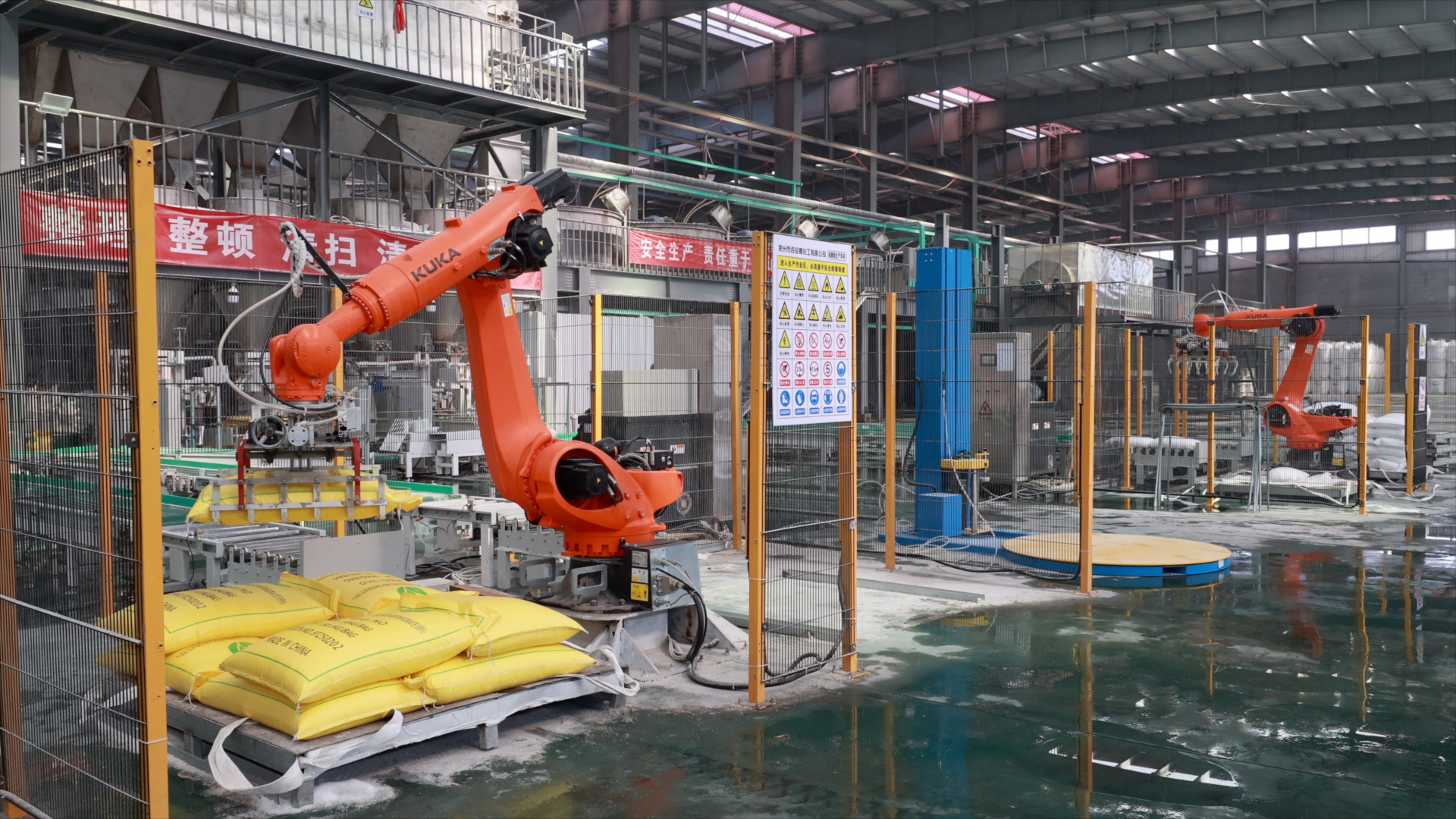
For packaging, choose between 25kg bags or 1250kg bulk containers. This helps you get the right amount for your use. They also provide special solutions for farming and factories. Farmers use it for better soil, while factories need it for dry chemical processes.
Certified and Meets Global Rules
BAIYEXIN’s magnesium sulfate follows strict global rules for safety and quality. They have certifications like ISO 9001 for quality, ISO 14001 for the environment, and EU-REACH for chemical safety. These prove their products are reliable and safe.
By following these rules, BAIYEXIN ensures their products are safe for food and medicine. Their focus on meeting standards makes them a trusted choice for magnesium sulfate.
Magnesium sulfate anhydrous is special because of its many uses. Its stable form and ability to dissolve easily make it important. It helps in farming, medicine, and making products. It improves soil, aids medical care, and supports industries. It’s also used in clothing, cleaning water, and personal care items, showing its flexibility.
Picking a good supplier ensures high quality every time. BAIYEXIN provides magnesium sulfate with top purity and custom options. They follow strict global rules and use advanced methods. This ensures you get the best magnesium sulfate for your needs.
FAQ
What makes magnesium sulfate anhydrous different from magnesium sulfate heptahydrate?
Magnesium sulfate anhydrous has no water in it. Magnesium sulfate heptahydrate has seven water molecules. The anhydrous type is a dry, white powder. It works well for tasks needing no moisture. The heptahydrate type looks like crystals and is often used in farming and bath salts.
How should you store magnesium sulfate anhydrous?
Keep magnesium sulfate anhydrous in a cool, dry spot. Use sealed containers to stop it from soaking up moisture. Don’t store it near strong acids or bases. Good storage keeps it stable and useful for a long time.
Tip: Label the container clearly to avoid mix-ups.
Is magnesium sulfate anhydrous safe for nature?
Yes, magnesium sulfate anhydrous is safe for the environment. It doesn’t hurt plants, animals, or water when used properly. But don’t dump large amounts into water, as it might briefly affect fish.
Can magnesium sulfate anhydrous be used in food?
Yes, food-grade magnesium sulfate anhydrous is safe for food. It keeps canned fruits and vegetables firm. It also improves flavors in some drinks. Always check that it meets food safety rules before using it.