Description
Magnesium Sulfate Monohydrate Fertilizer Examining Report:
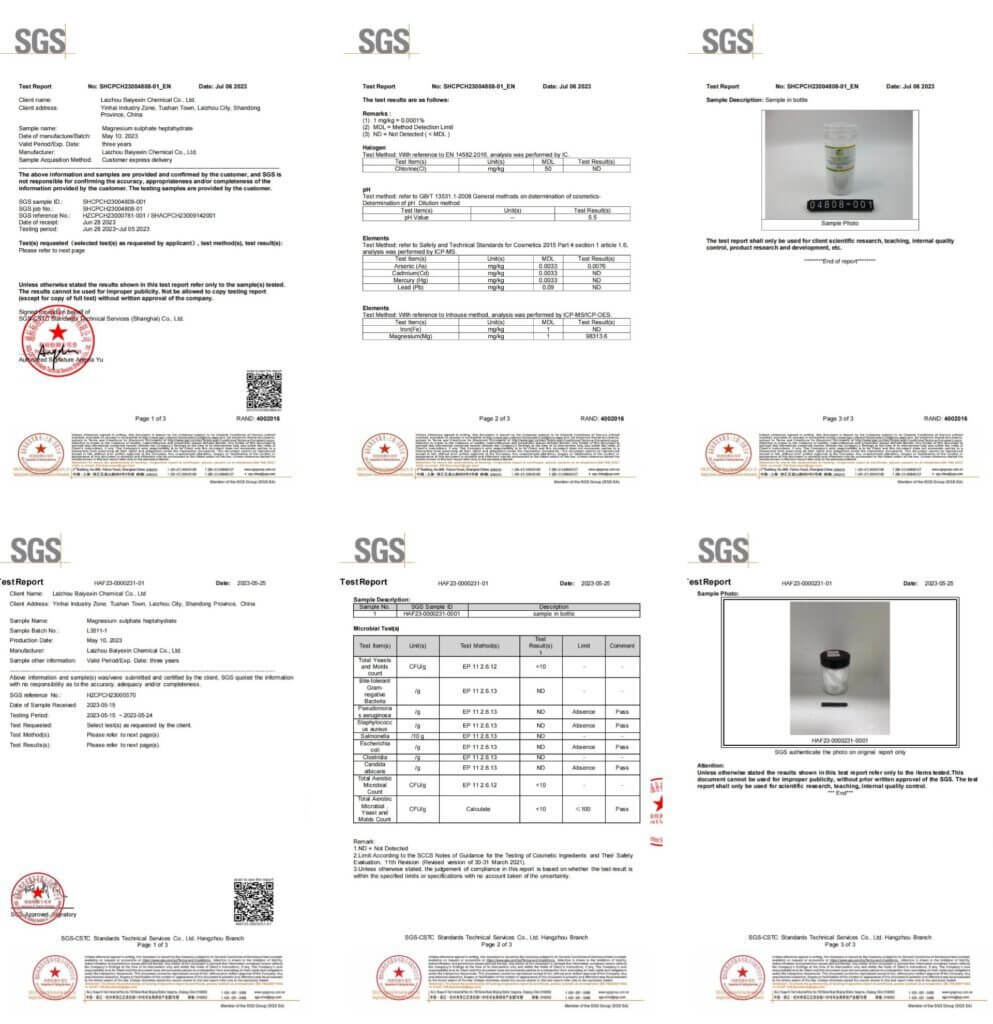
Magnesium Sulfate Monohydrate Fertilizer Package type:
Knitting bags with plastic liners, PE bag, Valve Bags, Jumbo bag; 25kg, 50kg, 600kg, 1000kg, 1200kg per bag.
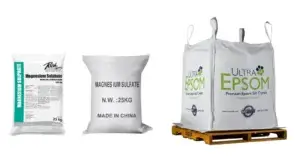
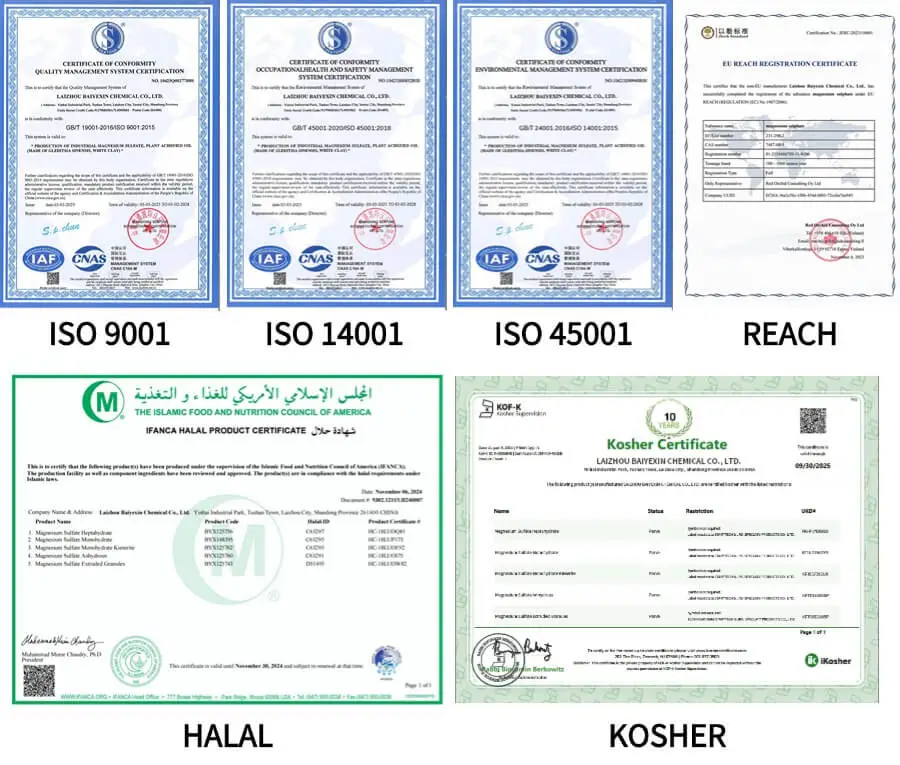
Certification:
Factory Picture:

If you want healthy crops and strong yields, magnesium sulfate monohydrate fertilizer gives you a reliable solution. This fertilizer contains magnesium sulfate monohydrate, a white powder with the chemical formula MgSO₄·H₂O. You get both magnesium and sulfur, with at least 17.2% magnesium and 22.5% sulfur, which are key nutrients for plant growth. Here’s a quick look at its main uses:
| Use Type | Description |
|---|---|
| Agricultural | Boosts photosynthesis, improves crop quality and yield, and corrects magnesium deficiencies. |
| Industrial | Helps make ceramics, glass, detergents, and other magnesium-based products. |
You’ll find this Magnesium Sulfate Monohydrate Fertilizer dissolves fast in water, so plants absorb nutrients quickly. Laizhou Baiyexin Chemical Co., Ltd. supplies high-purity magnesium sulfate monohydrate fertilizer that supports your needs in agriculture and beyond.
- You get quick results because of its high solubility.
- It works for various crops and application methods.
- The magnesium and sulfur content helps plants thrive.
Key Takeaways
- Magnesium sulfate monohydrate fertilizer provides essential nutrients, magnesium and sulfur, crucial for healthy plant growth and improved crop yields.
- This Magnesium Sulfate Monohydrate Fertilizer dissolves quickly in water, allowing plants to absorb nutrients efficiently, leading to faster results in crop health.
- Proper storage and handling of magnesium sulfate monohydrate ensure its effectiveness; keep it in a cool, dry place and seal tightly after use.
- Using this fertilizer can significantly enhance photosynthesis, nutrient uptake, and overall plant resilience against stress, boosting your harvest's quality.
- Magnesium Sulfate Monohydrate Fertilizer is versatile and can be applied through various methods, including base fertilization, topdressing, and foliar spraying.
Properties of Magnesium Sulfate Monohydrate Fertilizer
Chemical Structure and Purity
You might know monohydrate magnesium sulfate by its English name, "magnesium sulfate monohydrate," or its Chinese name, "magnesium sulfate monohydrate." People sometimes call it Epsom salt monohydrate. The CAS number is 14168-73-1, and the EC number is 238-297-6. The chemical formula is MgSO₄·H₂O, and its molecular weight is about 138.38 g/mol.
Here’s a quick look at its structure:
| Component | Formula |
|---|---|
| Magnesium | Mg |
| Sulfate | SO₄ |
| Water | H₂O |
| Overall Formula | MgSO₄·H₂O |
You get a high-purity product when you use Magnesium Sulfate Monohydrate Fertilizer from top suppliers. Most products reach at least 99.5% purity. This means you give your crops a clean and reliable source of magnesium and sulfate.
Physical Properties and Solubility
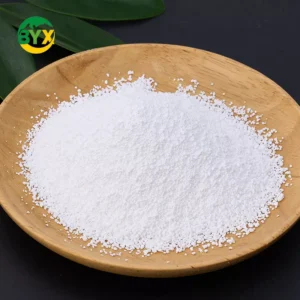
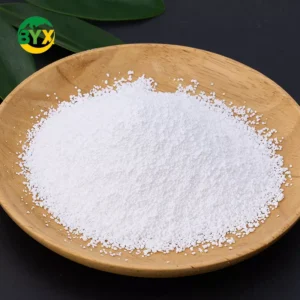
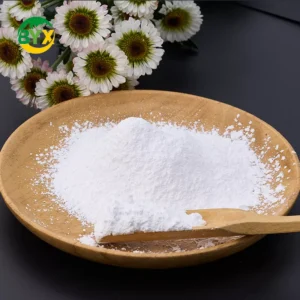
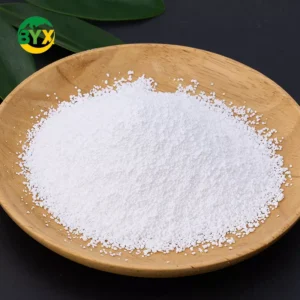
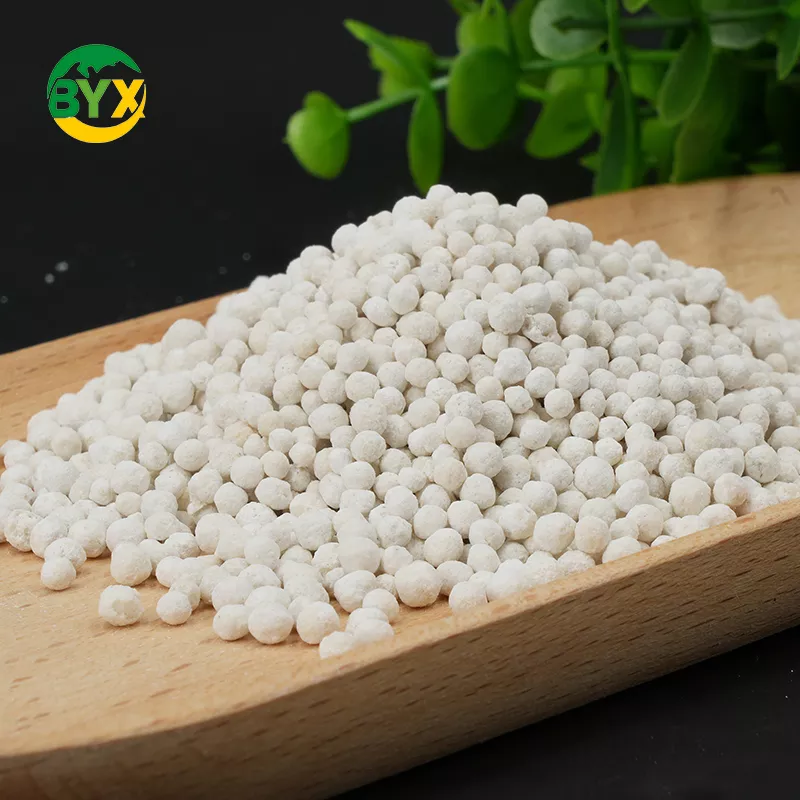
Monohydrate magnesium sulfate usually appears as a white powder or fine crystals. You can find it as granules or powder, depending on your needs. The color is always bright white, which makes it easy to spot any impurities.
| Property | Description |
|---|---|
| Appearance | White powder or fine crystals |
| Particle Size | Granules or powder |
| Color | White |
| Density | About 2.66 g/cm³ |
| Hygroscopicity | Less than heptahydrate; resists clumping |
You’ll notice that monohydrate magnesium sulfate dissolves quickly in water. Its solubility depends on temperature. For example, at 0°C, you can dissolve about 26.9 grams in 100 ml of water. At 20°C, it’s about 25.5 grams per 100 ml. This rapid solubility helps your plants absorb nutrients fast.
Tip: If you use it in cooler weather, you may need to stir a bit more to dissolve all the powder.
Stability and Storage
You want your fertilizer to last. Monohydrate magnesium sulfate stays stable at room temperature. It doesn’t clump easily if you keep the humidity below 70%. This makes it easier to store than heptahydrate magnesium sulfate, which absorbs more moisture.
To keep your magnesium sulfate in top shape:
- Store it in a cool, dry place.
- Keep it away from direct sunlight and moisture.
- Seal the bag tightly after each use.
- Try to keep the temperature between 20°C and 25°C.
If you follow these steps, you’ll keep your monohydrate magnesium sulfate fresh and effective for a long time.
Production and Quality Control
Manufacturing Process
You might wonder how magnesium sulfate monohydrate fertilizer gets made. Most manufacturers use an industrial process that ensures high purity and consistency. Here’s a simple breakdown of the main steps:
- Preparation of Sulfuric Acid Solution: Workers dilute industrial sulfuric acid to about 70–80% in a reactor.
- Addition of Light Calcined Magnesia: They add light calcined magnesia to the acid while keeping the temperature between 40–60°C.
- Disintegration Process: Before the product cools below 50°C, they pulverize the magnesium sulfate monohydrate to get the final fertilizer.
Some labs use brine concentration or recover magnesium sulfate from industrial by-products. Dehydration techniques, like heating or vacuum drying, help control the water content. These methods help create different purity grades. For example, pharmaceutical and laboratory grades need extra purification, while agricultural and industrial grades focus on cost and efficiency.
Purity Standards and Certifications
You want a fertilizer that meets strict standards. Laizhou Baiyexin Chemical Co., Ltd. delivers magnesium sulfate monohydrate with a purity of 99.5% or higher. Their products meet international certifications, so you can trust the quality.
| Certification/Standard | Description |
|---|---|
| ISO9001, ISO14001 | International standards for quality and environmental management |
| REACH | European regulation for chemical safety |
| GMP | Good Manufacturing Practices for product quality and safety |
| Organic Certifications | Standards for organic farming and production |
Different uses require different purity levels. For example, pharmaceutical and laboratory grades must be almost free of impurities, while agricultural and industrial grades allow for slightly higher impurity levels.
Packaging Options
Proper packaging keeps your fertilizer fresh and safe. Laizhou Baiyexin Chemical Co., Ltd. offers several packaging choices, such as knitting bags with plastic liners, PE bags, and jumbo bags. These options help prevent moisture absorption and clumping.
- Store your fertilizer in a cool, dry place.
- Use airtight containers for small amounts.
- Make sure large bags are sealed tightly.
Tip: Good packaging and storage can extend the shelf life and keep your Magnesium Sulfate Monohydrate Fertilizer effective for longer.
Laizhou Baiyexin Chemical Co., Ltd. uses strict quality control at every step. They select high-quality raw materials, control reaction conditions, and use modern technology for monitoring. Here’s a quick look at their quality inspection procedures:
| Quality Control Procedure | Description |
|---|---|
| Raw Material Selection | Only the best sulfuric acid and magnesium sources are used. |
| Control of Reaction Conditions | Temperature, pressure, and time are carefully managed. |
| Post-Processing Steps | Filtration, drying, and crystallization are closely monitored. |
| Modern Technology Implementation | Automated reactors and intelligent systems ensure stable quality. |
With an annual capacity of 300,000 tons, Laizhou Baiyexin Chemical Co., Ltd. can meet your needs for high-quality magnesium sulfate monohydrate fertilizer, no matter the scale.
Agricultural Applications and Benefits
Magnesium sulfate monohydrate fertilizer stands out as a high-efficiency fertilizer that supports not only agriculture but also animal feed, pharmaceuticals, and manufacturing. In agriculture, you get a cost-effective solution for boosting crop productivity and improving soil health. Let’s explore how this fertilizer works for your crops and why it’s a smart choice for your fields.
Role in Plant Nutrition
You want your plants to thrive, and magnesium sulfate delivers two essential nutrients: magnesium and sulfate. These nutrients play unique roles in plant physiology and development.
| Role of Magnesium in Plant Physiology | Description |
|---|---|
| Enzyme Activation | Activates enzymes for metabolic processes. |
| Carbohydrate Generation | Helps generate and move carbohydrates. |
| Structural Integrity | Maintains cell structure and organelles. |
| Yield and Quality | Directly affects yield and quality during reproduction. |
Magnesium sits at the center of chlorophyll, so it’s vital for photosynthesis. Without enough magnesium, your plants can’t make food efficiently. You’ll see yellowing leaves and poor growth if your soil lacks this nutrient. Magnesium also helps move carbohydrates from leaves to fruits and seeds, which means better fruit quality and higher crop yield.
Sulfate, the other key ingredient, supports protein formation and amino acid synthesis. It helps correct soil pH and encourages better nutrient uptake. When you use magnesium sulfate, you give your crops the tools they need for strong growth, healthy roots, and resilience against stress.
Tip: If you notice pale leaves or slow growth, your plants might need more magnesium or sulfate.
You can see the benefits in many types of crops. Fruits, vegetables, cereals, and oil crops all respond well to magnesium sulfate. You’ll notice stronger plants, greener leaves, and more uniform fruit set. This fertilizer also prevents yellowing leaves and boosts sugar content in fruits, making your harvest more marketable.
Application Methods and Dosage
You have several ways to apply magnesium sulfate monohydrate fertilizer, depending on your crop and soil needs. Its rapid solubility means you can use it in both soil and foliar applications, and it mixes well with other fertilizers.
| Application Method | Description | Usage per Acre |
|---|---|---|
| Base Fertilizer | Mix with other fertilizers before planting and spread in the soil. | About 10 kilograms |
| Topdressing | Apply during key growth stages by trenching or water flushing. | 10-13 kilograms |
| Foliar Spraying | Spray on leaves to quickly correct magnesium deficiency. | 0.5%-1.0% for fruit trees, 0.2%-0.5% for vegetables |
For humid and heavy soils, you can use 50-60 kg per acre. For lighter soils, 40-50 kg per acre works well. Always adjust the dosage based on your soil test results and crop requirements.
- Base fertilizer works best before planting.
- Topdressing helps during flowering and fruiting.
- Foliar spraying gives a quick fix for visible deficiencies.
You can combine magnesium sulfate with NPK and other fertilizers. This compatibility makes it easy to fit into your regular fertilization plan. You’ll see faster results because the fertilizer dissolves quickly and gets absorbed by plant roots and leaves.
Comparison with Other Magnesium Fertilizers
You might wonder how magnesium sulfate compares to other magnesium fertilizers like magnesium oxide or magnesium nitrate. Here’s a quick look:
| Fertilizer Type | Yield Increase (%) | Soil Type | Significance |
|---|---|---|---|
| Magnesium Sulfate | 20.9 | Acidic | Highly significant |
| Magnesium Nitrate | 10.8 | Acidic | Highly significant |
Magnesium Sulfate Monohydrate Fertilizer offers rapid solubility, so it’s perfect for soils that need a quick magnesium boost. It works especially well in acidic soils and for crops that show magnesium deficiency. Magnesium nitrate also dissolves fast and provides nitrogen, but it costs more and isn’t always needed if your soil already has enough nitrogen. Magnesium oxide acts as a slow-release source and helps correct soil acidity, but it dissolves slowly and may not work as quickly for urgent deficiencies.
Here’s why you’ll love using magnesium sulfate:
- Stimulates chlorophyll synthesis for better photosynthesis.
- Enhances nutrient uptake, improving nitrogen, phosphorus, and potassium assimilation.
- Increases crop yield and quality, raising your harvest’s market value.
- Boosts plant resistance to stress like drought or extreme temperatures.
- Promotes root development for better water and nutrient absorption.
- Prevents and corrects magnesium and sulfate deficiencies, keeping your plants healthy.
You’ll see the biggest benefits in crops like fruits, vegetables, cereals, oil crops, and tea. Magnesium sulfate improves soil structure, reduces nutrient leaching, and helps maintain a balanced nutrient profile. When you use this fertilizer, you support strong growth, higher crop productivity, and better fruit quality.
Note: Magnesium fertilization can increase crop yield by an average of 8.5%. Fruits may see up to 12.5% more yield, while vegetables, cereals, and oil crops also show strong gains.
If you want a reliable, cost-effective, and high-efficiency fertilizer for your farm, magnesium sulfate monohydrate is a smart choice. You’ll get healthier crops, better soil, and a stronger bottom line.
Safety, Handling, and Environmental Impact
Safe Use and Handling
You want to keep yourself safe when working with magnesium sulfate monohydrate fertilizer. This product has a low hazard rating, but you should still follow good safety practices. Always check the label and the Material Safety Data Sheet (MSDS) before you start. Here’s a quick guide to help you stay safe:
| Safety Guidelines | Description |
|---|---|
| Storage Conditions | Store in a cool, dry place. Keep away from moisture, sunlight, and toxic substances. |
| Personal Protective Equipment | Wear gloves, long sleeves, and chemical safety goggles. Keep an eye wash station nearby. |
| General Handling Practices | Don’t eat, drink, or smoke while handling. Minimize dust. Keep containers tightly closed. Dispose of waste properly. |
You should also make sure your workspace is well-ventilated. If you spill any fertilizer, sweep it up and dispose of it according to local rules. If you get it on your skin or in your eyes, rinse with plenty of water and seek medical help if needed.
Tip: Always wash your hands after handling fertilizer, even if you wore gloves.
Storage Guidelines
You want your fertilizer to last as long as possible. Magnesium Sulfate Monohydrate Fertilizer has a long shelf life if you store it right. Keep it in a sealed bag or container. Choose a spot that stays cool and dry. Avoid places with high humidity or direct sunlight. Good storage keeps the fertilizer from clumping and losing effectiveness.
- Use airtight containers for small amounts.
- Seal large bags tightly after each use.
- Keep away from chemicals and food items.
If you follow these steps, your fertilizer will stay fresh and ready to use whenever you need it.
Environmental Considerations
You care about your crops and the environment. Magnesium sulfate monohydrate fertilizer supports healthy soil, but you should use it wisely to protect water and land. Here’s what you need to know:
| Impact Type | Description |
|---|---|
| Leaching Losses | Magnesium can wash away in rainy conditions, especially in sandy soils. This reduces nutrient availability for your plants. |
| Erosional Loss | Runoff can carry away nutrients and organic matter, harming soil and water quality. Conservation helps prevent this. |
| Interactions | Low pH soils and high potassium levels can make magnesium less available to plants. Watch for signs of deficiency in these conditions. |
You can minimize your environmental footprint with a few smart moves:
- Test your soil before adding fertilizer.
- Spread magnesium sources evenly for better uptake.
- Apply amendments at least three months before planting.
- Try organic amendments and cover crops to reduce magnesium loss.
🌱 Good practices help your crops and keep the environment healthy.
You get a lot of benefits when you choose magnesium sulfate monohydrate fertilizer. It stands out for its high purity, fast absorption, and versatility. Check out how it compares to other options:
| Feature | Magnesium Sulfate Monohydrate | Heptahydrate | Magnesium Oxide |
|---|---|---|---|
| Dissolution Efficiency | 5 times faster than MgO | N/A | N/A |
| Absorption Efficiency | >80% | 70% | 50% |
| Fertilizer Duration | 30-45 days | 20-25 days | 50-60 days |
| Anti-Deliquescence | Less prone to caking | N/A | N/A |
When you buy from Laizhou Baiyexin Chemical Co., Ltd., you get top-notch quality and strong support. Look for suppliers who offer purity documentation, quality compliance, and batch traceability. Always follow best practices for storage and application to get the best results from your Magnesium Sulfate Monohydrate Fertilizer.
FAQ
What standards does magnesium sulfate monohydrate fertilizer meet?
You’ll find this fertilizer meets Chinese GB standards, USP, EP, REACH, GMP, and FDA requirements. These standards make sure you get a safe, high-quality product for farming, feed, or industrial use.
Is magnesium sulfate monohydrate safe for all crops?
Yes! You can use it on fruits, vegetables, cereals, and oil crops. It works well for most soils and helps fix magnesium and sulfur deficiencies fast.
How should you store magnesium sulfate monohydrate fertilizer?
Keep your fertilizer in a cool, dry spot. Seal the bag tightly after each use. This keeps it fresh and stops clumping.
Are there special rules for shipping or importing this Magnesium Sulfate Monohydrate Fertilizer?
Yes. You need to follow trade and transport regulations. Check for tariffs, proper packaging, and required documents like safety data sheets when you ship or import magnesium sulfate monohydrate.
Can you mix Magnesium Sulfate Monohydrate Fertilizer with other fertilizers?
Absolutely! You can blend it with NPK and other fertilizers. It dissolves quickly and won’t react with most common nutrients.
Magnesium Sulfate Monohydrate Fertilizer -BAIYEXIN
Magnesium sulfate monohydrate fertilizer boosts crop yield, corrects magnesium and sulfur deficiencies, and dissolves quickly for fast plant absorption.
Product SKU: BYX10003
Product Brand: BAIYEXIN
Product Currency: USD
Product Price: 200
Price Valid Until: 2026-12-31
Product In-Stock: InStock
5