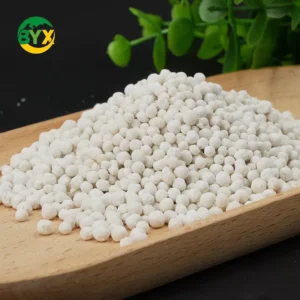
Description
Magnesium sulphate fertilizer gives your plants a direct boost by supplying two vital nutrients—magnesium and sulfur. You will see stronger growth, richer green leaves, and better harvests. Magnesium helps your plants make chlorophyll, while sulfur supports protein building. When you use this fertilizer, you can expect healthier plants and more vibrant gardens.
Tip: Consider how magnesium sulphate fertilizer benefits could make a visible difference in your garden this season.
Key Takeaways
- Magnesium sulfate fertilizer boosts plant health by providing essential magnesium and sulfur, leading to stronger growth and greener leaves.
- Using this fertilizer improves photosynthesis, helping plants produce more chlorophyll for vibrant foliage and better energy use.
- Magnesium sulfate enhances nutrient uptake, allowing plants to absorb nitrogen, phosphorus, and potassium more efficiently for overall growth.
- Apply magnesium sulfate during key growth stages or when plants show signs of deficiency to maximize its benefits and improve yields.
- Choose the right application method, such as soil or foliar spray, to ensure your plants receive the nutrients they need for optimal health.
Magnesium Sulfate Fertilizer Specification:
| Specification (according to USP/BP/CP/EP standard) | |
| Grade Item | Magnesium Sulfate Monohydrate |
| Chemical formula | MgSO4H2O |
| Appearance | White Powder or Granules |
| Main Content | 99≥ % |
| Magnesium Sulfate | 86≥ % |
| Magnesium Oxide | 28.6≥ % |
| Magnesium | 17.21≥ % |
| PH value ( 5% solution ) | 5.0-9.2 |
| Fe ≤ % | 0.0015 |
| Cl ≤ % | 0.014 |
| Pb ≤ % | 0.0008 |
| As ≤ % | 0.0002 |
| Note: Products can be customized according to different requirements. | |
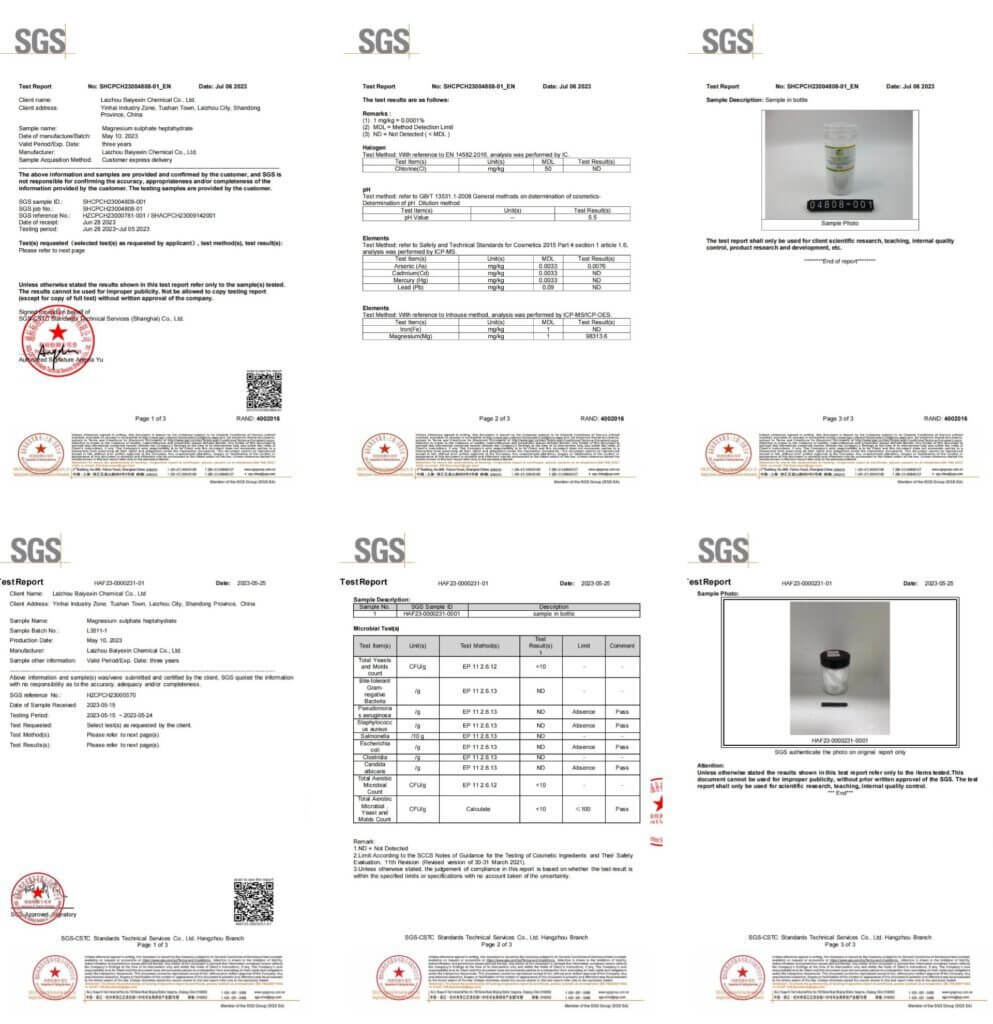
Magnesium Sulfate Fertilizer Examining Report:
Package type:
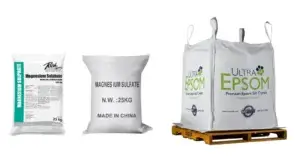
Knitting bags with plastic liners, PE bag, Valve Bags, Jumbo bag; 25kg, 50kg, 600kg, 1000kg, 1200kg per bag.
Factory Picture:

What Is Magnesium Sulfate Fertilizer
BAIYEXIN stands out as a leading manufacturer of magnesium sulfate fertilizer. You get a product that meets strict quality standards, including ISO and REACH certifications. This fertilizer contains high-purity magnesium sulfate, which helps your plants grow stronger and healthier.
Key Nutrients: Magnesium and Sulfur
Magnesium and sulfur are the two main nutrients in magnesium sulfate. Magnesium helps your plants produce chlorophyll, which gives leaves their green color and supports photosynthesis. Sulfur helps build proteins and enzymes that keep plants healthy. When you use magnesium sulfate, you supply these nutrients directly to your garden.
Epsom salts are a common form of magnesium sulfate fertilizer. Gardeners use Epsom salts to provide magnesium, which is vital for chlorophyll production. You can see greener leaves and better growth when your plants get enough magnesium.
How It Supports Plant Health
Magnesium sulfate fertilizer comes in different forms, such as white powder and granules. You can choose the form that fits your garden’s needs. This fertilizer works well for fruit trees, vegetables, and field crops. You can apply it to the soil or use it as a foliar spray.
Magnesium sulfate dissolves quickly in water. Your plants absorb the nutrients fast, which means you see results sooner. The fertilizer supports strong root development and improves the overall health of your plants. You also help your garden resist stress from drought or disease.
Tip: Try magnesium sulfate fertilizer on your favorite crops. You may notice healthier leaves and better yields in just a few weeks.
Magnesium Sulphate Fertilizer Benefits
Boosts Chlorophyll and Photosynthesis
You want your plants to look vibrant and healthy. Magnesium sulphate fertilizer benefits your garden by helping plants produce more chlorophyll. Chlorophyll gives leaves their green color and powers photosynthesis, which is how plants make food. When you use magnesium sulfate, you supply a key nutrient that supports this process.
- Magnesium is essential for chlorophyll production, which is crucial for photosynthesis and overall plant health.
- Magnesium sulphate fertilizer benefits include faster growth and richer leaf color.
- Plants with enough magnesium show stronger photosynthesis and better energy use.
| Benefit | Agronomic Impact |
|---|---|
| Improves Photosynthesis | Magnesium is essential for chlorophyll production, which is vital for photosynthesis. |
Field trials show that magnesium sulfate can increase yield by 5–20% in magnesium-deficient soils during important growth stages. You will notice your plants growing faster and looking greener when you address magnesium needs.
Note: If your plants have pale or yellow leaves, magnesium sulphate fertilizer benefits may help restore their color and boost their energy.
Improves Nutrient Uptake and Soil Health
Magnesium sulphate fertilizer benefits go beyond just making leaves greener. This fertilizer helps your plants absorb other nutrients like nitrogen, phosphorus, and potassium. When your plants get enough magnesium and sulfur, they use these nutrients more efficiently.
- Enhances the plant's ability to absorb nitrogen, phosphorus, and potassium.
- Supports overall plant growth and health.
- Improves the quality of fruits and vegetables.
You will see stronger roots and healthier stems. The benefits of magnesium sulphate fertilizer include better soil structure and increased microbial activity. This means your garden soil stays fertile and productive for longer periods.
Magnesium sulfate also supports sustainable farming. Nanotechnology in fertilizer production increases efficiency and reduces soil pollution. You help the environment by choosing products that minimize nutrient waste and improve soil fertility over time.
Tip: Using magnesium sulphate fertilizer benefits your garden and supports eco-friendly practices.
Enhances Yield and Crop Quality
You want bigger harvests and better-tasting produce. Magnesium sulphate fertilizer benefits include higher yield and improved crop productivity. Scientific studies show that crops like wheat, rice, cotton, and vegetables respond well to magnesium sulfate.
| Crop Type | Yield Increase Description |
|---|---|
| Wheat | More tillers |
| Rice | Larger panicles |
| Cotton | Stronger bolls |
| Vegetables & Fruits | Better size and weight |
When you use magnesium sulfate, you see more tillers in wheat, larger panicles in rice, and stronger bolls in cotton. Vegetables and fruits grow bigger and heavier. The benefits of magnesium sulphate fertilizer also include better flavor, texture, and shelf life for your produce.
Magnesium sulfate fertilizer is crucial for enhancing the quality of fruits and vegetables. Magnesium boosts chlorophyll and photosynthesis, while sulfur helps with enzyme and protein synthesis. This combination leads to lush foliage and high-quality yields.
You support sustainable farming when you choose magnesium sulphate fertilizer. Nanotechnology in fertilizer production increases yield and addresses environmental concerns. You help your garden thrive while protecting the planet.
Callout: Magnesium sulphate fertilizer benefits every gardener by increasing yield, improving crop productivity, and supporting healthy, sustainable gardens.
Which Plants Benefit Most
Best Crops for Magnesium Sulfate Fertilizer
You want to know which plants respond best to magnesium sulfate fertilizer. Many crops benefit from this nutrient boost. Fruit trees, vegetables, and field crops all show improved growth when you add magnesium sulfate to your soil. You can use this fertilizer for tomatoes, peppers, potatoes, grapes, and citrus trees. These plants often need extra magnesium and sulfur to reach their full potential.
Oil palm is another crop that thrives with magnesium sulfate fertilizer. Farmers apply about 1.2 kg per palm each year to support healthy growth and strong yields. You can see the recommended application rate in the table below:
| Crop | Application Rate |
|---|---|
| Oil Palm | 1.2 kg/palm/year |
You may also notice better results in leafy greens like spinach and lettuce. These plants need magnesium for lush, green leaves. If you grow roses or azaleas, magnesium sulfate helps produce vibrant blooms. Many gardeners use this fertilizer for their favorite plants to boost color, size, and overall health.
Tip: Try magnesium sulfate fertilizer on your most valuable plants. You will likely see stronger stems, greener leaves, and more flowers or fruit.
Signs of Magnesium Deficiency in Plants
You should watch for signs that your plants need magnesium. Yellowing between the veins of older leaves is a common symptom. Leaves may curl or look thin. Some plants develop reddish or purple spots. If you see slow growth or poor fruit set, your plants might lack magnesium.
Plants with magnesium deficiency often lose their deep green color. You may notice weak stems or smaller leaves. These symptoms appear first on older leaves because plants move magnesium to new growth. If you spot these issues, magnesium sulfate fertilizer can help restore plant health.
Note: Regularly check your plants for changes in leaf color or growth. Early action keeps your garden thriving.
How to Use Magnesium Sulfate Fertilizer
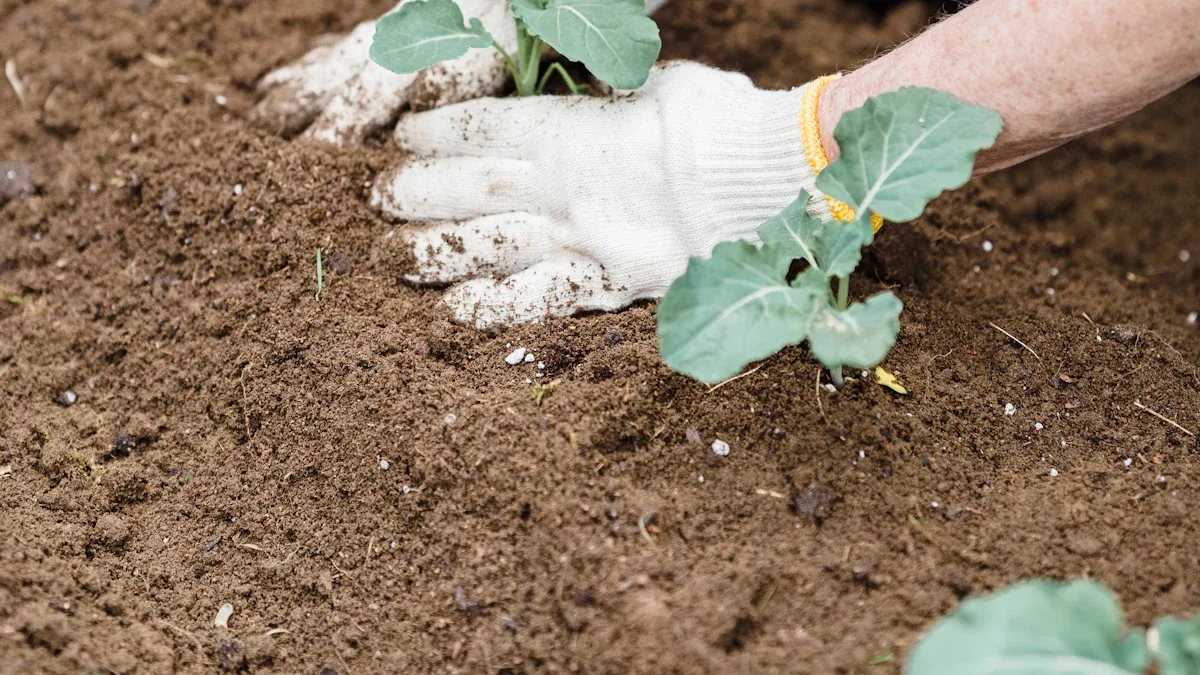
Application Methods: Soil and Foliar
You can apply magnesium sulfate fertilizer in several ways to get the best results for your garden. Soil application works well for most crops. You spread the fertilizer evenly over the soil before planting or use it as a top-dressing during the growing season. Foliar spraying lets you deliver nutrients directly to the leaves. This method helps correct deficiencies quickly, especially during stressful weather. BAIYEXIN recommends a basal application of 15 kg per acre for crops like sugarcane. For fruit trees and vegetables, you can use foliar sprays with a 1-2% solution to boost growth and improve crop health and yield.
Timing and Dosage Tips
You should apply magnesium sulfate fertilizer when plants show signs of magnesium deficiency or during key growth stages. Early spring and flowering periods are ideal times. Always follow recommended rates to avoid overuse. Too much fertilizer can upset the balance of other nutrients, such as calcium or potassium, and may make the soil too acidic. BAIYEXIN offers guidance on dosage for different crops, so you can adjust the amount based on your garden’s needs. If you use drip, sprinkler, or fertigation systems, magnesium sulfate works efficiently and replenishes magnesium and sulfur in the soil.
Best Practices for Gardeners
To maximize the benefits of magnesium sulphate fertilizer, follow these best practices:
- Use the fertilizer in acidic, sandy, or leached soils to restore magnesium quickly.
- Apply foliar sprays during periods of weather stress for rapid correction.
- Utilize drip, sprinkler, or fertigation systems for even nutrient delivery.
- Monitor your soil’s nutrient balance to prevent deficiencies in calcium or potassium.
- Avoid excessive use to keep soil pH healthy.
Tip: BAIYEXIN provides 24/7 customer support to help you choose the right application method and dosage for your crops. You can use this fertilizer safely and easily for fruit trees, vegetables, and field crops.
You can boost plant health and increase yields with magnesium sulphate fertilizer.
- You supply essential magnesium and sulfur for stronger growth.
- You see greener leaves and better harvests.
- You use BAIYEXIN Magnesium Sulfate Fertilizer easily on many crops.
Tip: Try BAIYEXIN in your garden. You may notice healthier plants and more vibrant results in just a few weeks.
FAQ
How often should you apply magnesium sulfate fertilizer?
You should apply magnesium sulfate fertilizer once or twice during the growing season. Check your plants for signs of magnesium deficiency. Adjust the frequency based on crop type and soil conditions.
Can you mix magnesium sulfate fertilizer with other fertilizers?
Yes, you can mix magnesium sulfate fertilizer with most common fertilizers. Always read product labels. Test a small area first to make sure your plants respond well.
Is magnesium sulfate fertilizer safe for all plants?
Magnesium sulfate fertilizer is safe for most garden plants, including vegetables, fruit trees, and flowers. Avoid overuse. Monitor your soil’s nutrient balance for best results.
What is the best way to store magnesium sulfate fertilizer?
Store magnesium sulfate fertilizer in a cool, dry place. Keep the container tightly sealed. Protect it from moisture to maintain product quality.
How do you know if your plants need magnesium sulfate?
Look for yellowing between leaf veins, weak stems, or poor fruit set. These signs often mean your plants need magnesium. Use magnesium sulfate fertilizer to restore plant health.
| Symptom | Possible Cause |
|---|---|
| Yellow leaves | Magnesium deficiency |
| Weak stems | Lack of magnesium |
| Poor fruit set | Nutrient imbalance |
Tip: If you have questions, BAIYEXIN offers 24/7 customer support to help you with application and dosage.
Magnesium Sulphate Fertilizer Benefits -BAIYEXIN

Magnesium sulphate fertilizer benefits plants by boosting chlorophyll, improving nutrient uptake, and increasing yields for healthier gardens.
Product SKU: BYX40003
Product Brand: BAIYEXIN
Product Currency: USD
Product Price: 200
Price Valid Until: 2026-12-31
Product In-Stock: InStock
5