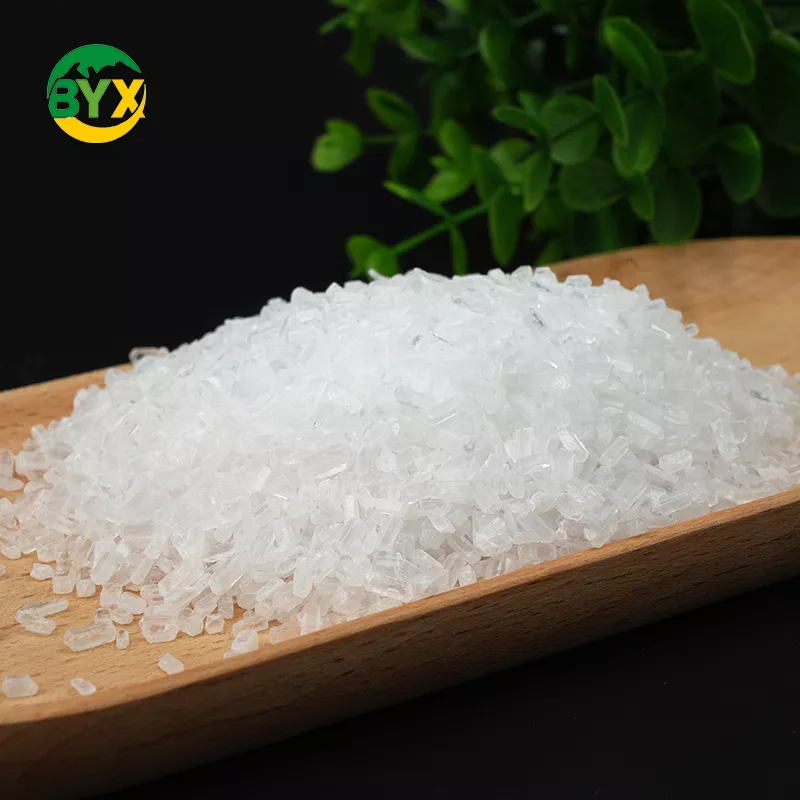
In 2025, the magnesium sulfate price trend in Europe shows signs of continued volatility. BaiYeXin, a leading supplier in the Europe magnesium sulphate market, reports that prices may fluctuate due to changing demand and raw material costs. Many stakeholders in agriculture, pharmaceuticals, and manufacturing closely monitor this trend. Price remains a key concern, as recent trends indicate that supply chain issues and energy prices could impact the overall price trend. Understanding these trends helps buyers anticipate price changes and make informed decisions about future purchases.
Key Takeaways
Magnesium sulfate prices in Europe show volatility in 2025 due to supply chain issues, raw material costs, and seasonal demand shifts.
Agriculture, pharmaceuticals, and manufacturing are the main industries driving strong demand for magnesium sulfate, supporting steady market growth.
Supply disruptions, feedstock price increases, and currency changes significantly impact magnesium sulfate prices across Europe.
BaiYeXin offers high-quality, customizable magnesium sulfate products with stable supply and real-time pricing updates to help buyers manage market risks.
Understanding market trends and securing contracts early can help buyers navigate price fluctuations and ensure reliable magnesium sulfate supply.
Europe Magnesium Sulphate Market Overview
Market Size and Growth
The europe magnesium sulphate market continues to show strong performance in 2025. Europe accounted for the largest revenue share of 45.1% in the global magnesium sulfate market in 2024. The global magnesium sulfate market size reached USD 950.5 million in 2024, with europe playing a leading role. Market trends indicate steady expansion, supported by robust demand in agriculture and industry. Germany stands out as a major contributor, driven by advanced agricultural and industrial sectors.
Market growth remains positive, with the global magnesium sulfate market projected to grow at a CAGR of 7.8% from 2025 to 2030. Agriculture grade magnesium sulfate led the segment, accounting for over 48% of revenue in 2024.
Year | Market Size (USD Million) |
|---|---|
2023 | |
2024 | 126.59 |
2035 | 190.64 |
Forecast Period | CAGR (%) |
|---|---|
2025 - 2035 | 3.793 |
BaiYeXin stands as a leading supplier in the european magnesium sulphate market. The company offers a wide range of magnesium sulfate products, including heptahydrate, anhydrous, monohydrate, extruded granules, kieserite fertilizer, and magnesium oxide. BaiYeXin’s products meet international standards such as ISO 9001, ISO 14001, ISO 45001, EU-REACH, HALAL, and KOSHER. Clients benefit from extensive customization options in purity, grade, particle size, and packaging.
Key Industry Applications
The magnesium sulphate market serves several key industries in europe. Agriculture remains the largest segment, using magnesium sulfate to improve crop yield and soil quality. Sustainable farming practices and nutrient demand drive this growth. Pharmaceuticals represent another significant application, with magnesium sulfate used in therapeutic formulations and treatments for magnesium deficiency. Chemical manufacturing also relies on magnesium sulfate for various processes.
Industry Application | Market Value in 2024 (USD Billion) | Projected Market Value in 2032 (USD Billion) | Key Drivers and Uses |
|---|---|---|---|
Agriculture | 0.65 | Crop yield improvement, soil quality, sustainable agriculture, nutrient demand | |
Pharmaceuticals | 0.25 | 0.35 | Therapeutic formulations, laxatives, magnesium deficiency treatments, rising healthcare needs |
Chemical Manufacturing | 0.15 | 0.25 | Chemical processes, industrial demand |
Market trends in the europe magnesium sulphate market reflect strong demand across these sectors. BaiYeXin’s advanced manufacturing and customization capabilities position the company as a preferred partner for diverse industry needs.
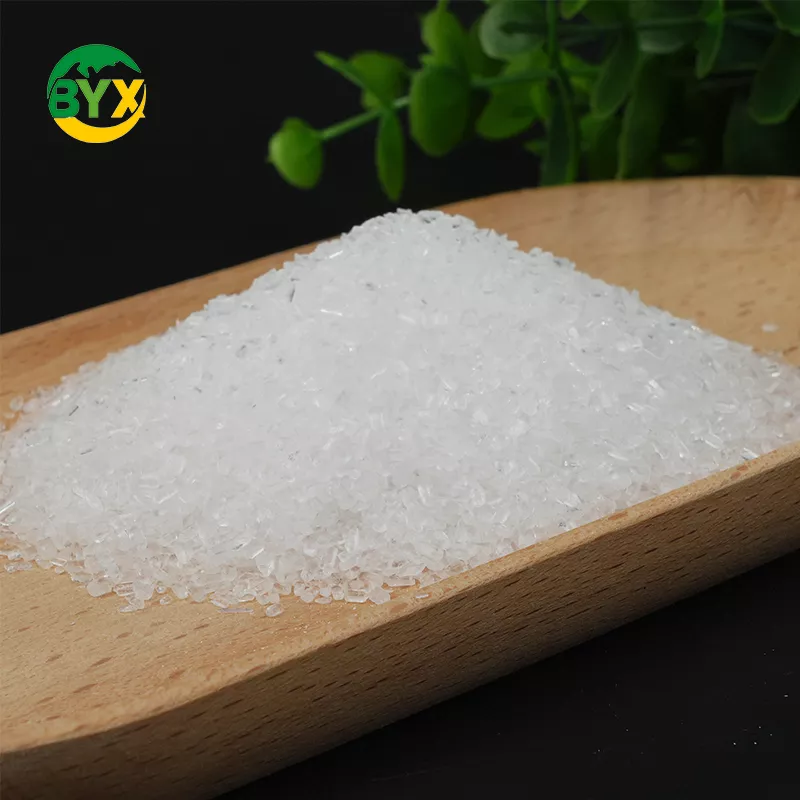
European Magnesium Sulphate Market Price Trend 2025
Price Outlook
The european magnesium sulphate market trend for 2025 shows a dynamic and evolving landscape. Recent market analysis highlights a bullish movement in the first quarter, with prices rising by nearly 6% compared to late 2024. This price increase reflects strong demand from agriculture and pharmaceuticals. The europe magnesium sulphate market continues to experience fluctuations, but most forecasts suggest that prices will remain elevated throughout the year.
Industry experts expect the european magnesium sulphate market price trend to stay volatile. Several factors contribute to this outlook. Buyers in the magnesium sulphate market have seen prices move upward due to limited supply and higher feedstock costs. The magnesium sulfate market trends indicate that the price trend will likely remain upward, especially in the first half of 2025. However, some analysts predict a possible stabilization in the second half as new supply sources enter the market.
Note: The european magnesium sulphate market price trend in Europe may also respond to seasonal demand shifts, especially during peak agricultural periods.
BaiYeXin provides real-time pricing analysis and updates for clients. Their advanced production capabilities help stabilize magnesium sulfate prices, even during periods of market volatility. The company’s ability to deliver consistent quality and supply gives buyers confidence in a rapidly changing market.
Influencing Factors
Several key factors shape the european magnesium sulphate market price trend for 2025. These include supply chain disruptions, feedstock prices, and foreign exchange rates.
Supply Chain Disruptions
The european magnesium sulphate market faces ongoing challenges from global logistics issues. Delays at ports and higher transportation costs have pushed prices higher. Disruptions in raw material sourcing also impact the magnesium sulfate price trend, especially when suppliers face shortages or unexpected shutdowns.Feedstock Prices
Feedstock costs play a major role in the magnesium sulfate price trend. Rising prices for sulfuric acid and magnesium ore have led to a noticeable price increase in the magnesium sulphate market. Producers must adjust their pricing strategies to reflect these higher input costs. This trend affects both short-term and long-term price movements.Foreign Exchange Rates
Currency fluctuations influence the european magnesium sulphate market price trend across Europe. A weaker euro against the US dollar can make imported raw materials more expensive, leading to higher magnesium sulfate prices. Companies operating in the magnesium sulfate market must monitor exchange rates closely to manage pricing risks.Market Demand and Industry Growth
The magnesium sulfate market trends show that demand from agriculture, pharmaceuticals, and manufacturing remains strong. This demand supports a steady price trend, with occasional spikes during peak seasons. The european magnesium sulphate market price trend often mirrors broader market trends in these industries.BaiYeXin’s Role in Price Stability
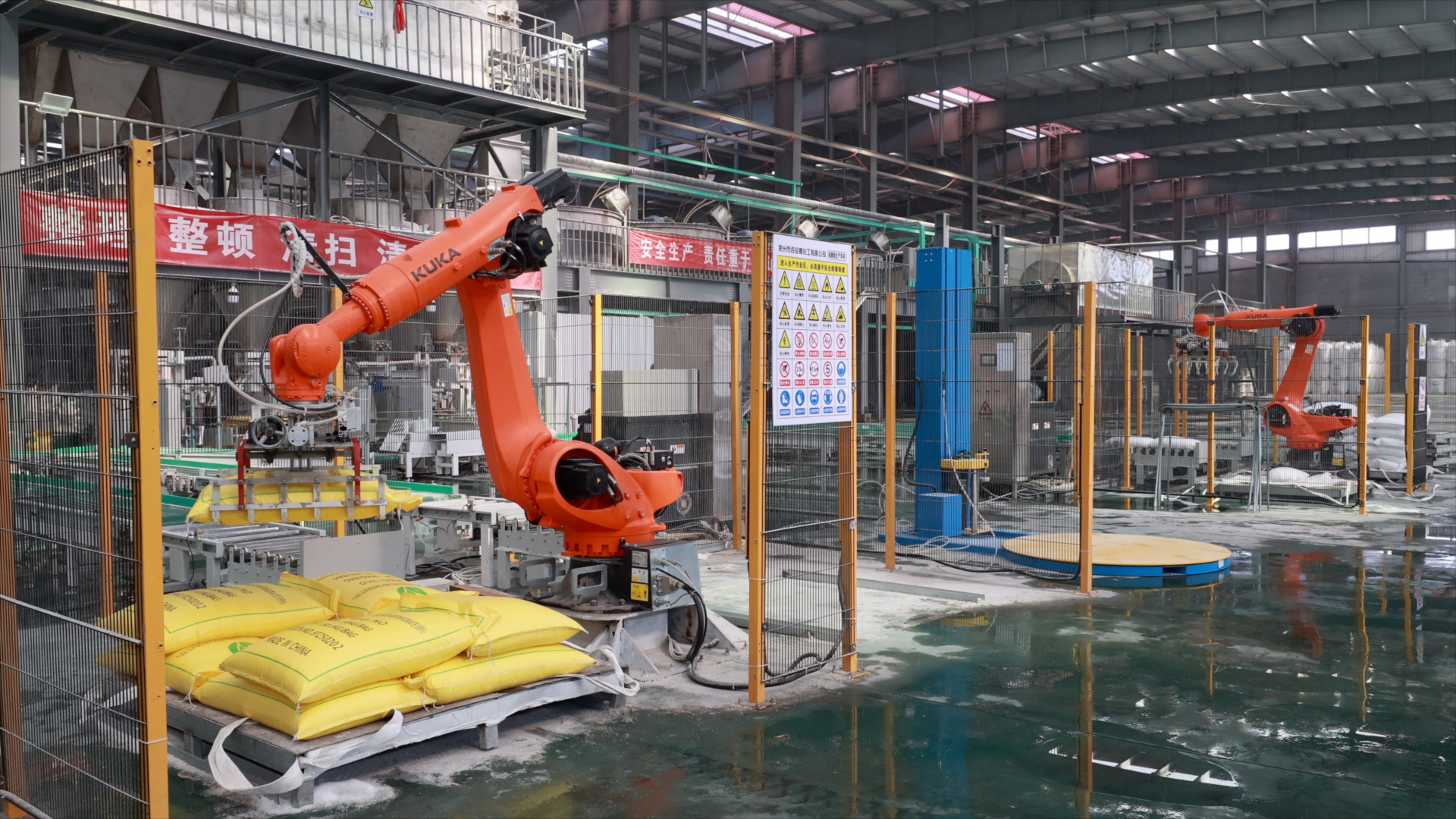
BaiYeXin stands out in the europe magnesium sulphate market for its ability to offer stable supply and real-time quotations. The company’s automated production lines and strict quality control help reduce the impact of external disruptions on european magnesium sulphate market prices. Clients benefit from transparent pricing analysis and timely updates, which support better purchasing decisions.
Tip: Buyers should monitor the european magnesium sulphate market price trend regularly and consult with trusted suppliers like BaiYeXin for the most accurate market insights.
The european magnesium sulphate market price trend in 2025 will depend on how these influencing factors evolve. Stakeholders in the european magnesium sulphate market should stay informed about market analysis and pricing analysis to navigate the changing landscape. BaiYeXin’s commitment to quality and supply reliability positions it as a preferred partner for those seeking stability in the magnesium sulfate market.
Historical Magnesium Sulfate Prices
2023-2024 Price Movements
European magnesium sulphate market and other major markets showed significant changes between 2023 and 2024. The market experienced both upward and downward european magnesium sulphate market price movement during this period. In early 2023, prices remained stable due to balanced supply and demand. By mid-2023, increased demand from agriculture and manufacturing led to a moderate price increase. However, the second half of 2023 saw a price decrease as inventories grew and demand slowed.
In 2024, european magnesium sulphate market prices continued to fluctuate. The first quarter brought a short-lived rise in european magnesium sulphate market prices, driven by higher feedstock costs and supply chain disruptions. By the fourth quarter, european magnesium sulphate market prices in the Netherlands fell to 574 USD/MT. Weak demand, excess inventory, and an economic slowdown contributed to this decline. The following table highlights Q4 2024 prices and key factors in major regions:
Region | Q4 2024 Price (USD/MT) | Price Trend & Influencing Factors |
|---|---|---|
United States | 674 | Prices dropped due to subdued demand, abundant inventories, winter season impact on horticulture, and cautious purchasing despite rising input costs. |
China | 82 | Slight decline caused by typhoon-related port delays, cautious consumption, and mixed demand despite sulfuric acid price surge. |
Netherlands | 574 | Prices fell driven by weak demand, excess inventory, European economic slowdown, and supply chain disruptions (port and rail delays). |
Recent Market Fluctuations
Recent fluctuations in European magnesium sulphate market prices reflect the impact of global events and regional market dynamics. Supply chain issues, such as port and rail delays, have caused european magnesium sulphate market price fluctuations in Europe. Economic uncertainty and changing demand patterns also played a role. In the Netherlands, prices dropped sharply in late 2024, while other regions like the United States and China saw similar trends.
Market analysts observed that price fluctuations often follow shifts in inventory levels and seasonal demand. For example, the winter season reduced horticultural activity, leading to lower prices in the United States. In China, port delays and mixed demand contributed to a slight price decrease. These trends show that European magnesium sulphate market prices remain sensitive to both local and global factors.
Note: Buyers should track historical price movement to better understand future European magnesium sulphate market prices and prepare for potential market changes.
Factors Shaping the Price Trend
Supply and Demand
The magnesium sulphate market in Europe continues to experience high demand from agriculture, pharmaceuticals, and manufacturing. This demand supports a steady European magnesium sulphate market price trend, even as supply faces disruptions. The global magnesium sulfate market reached 3.32 million tonnes in 2024 and is expected to grow to 4.65 million tonnes by 2033. Growth comes from agriculture, healthcare, water treatment, and construction. These sectors drive the trend of rising demand, which directly impacts price.
Region | Time Period | Price Change | Supply Factors | Demand Factors |
|---|---|---|---|---|
Europe | Q4 2024 | -10% | Stock availability, supply chain disruptions, rising costs | Moderate demand, steady agrochemical sector, slowdown |
North America | Q1 2025 | Mixed trend | Tight sulfuric acid supply, global fluctuations | Robust fertilizer demand, steady pharma/cosmetics |
APAC | Q1 2025 | Volatile | Rising sulfuric acid prices, logistical disruptions | Firm domestic/export demand, especially pharma/cosmetics |
Market analysis shows that supply chain issues and inventory levels can cause sharp price changes. High demand in key sectors often leads to a price increase, especially during peak agricultural seasons.
Raw Materials and Energy
Raw material costs and energy prices play a major role in shaping the European magnesium sulphate market price trend. Sulfuric acid and magnesium ore are essential for magnesium sulfate production. In Germany, a 6% price increase in 2023 resulted from higher electricity tariffs. Key Asian producers saw a 9% price increase due to sulfuric acid volatility. Europe faces higher European magnesium sulphate market prices because of energy-intensive production and strict REACH compliance. In contrast, China and India benefit from lower energy costs, making their export european magnesium sulphate market prices 20–25% lower than those in Europe.
Factor/Region | Impact on Magnesium Sulfate Price |
|---|---|
Germany (2023) | 6% price increase from electricity tariff spikes |
Asia (production centers) | 9% price increase from sulfuric acid volatility |
Europe (general) | Higher prices due to energy-intensive methods |
China/India | Lower costs, competitive export pricing |
BaiYeXin uses advanced manufacturing and patented technologies to control costs and maintain stable supply. Their strict quality control ensures consistent product quality, even when raw material prices fluctuate.
Economic and Regulatory
Economic conditions and regulations also influence the European magnesium sulphate market price trend. Fluctuations in raw material prices, driven by global economic shifts, affect the magnesium sulphate market. Environmental rules on wastewater, mining, and product quality increase production costs. These regulations, along with energy price changes and raw material availability, contribute to European magnesium sulphate market price variations.
Economic slowdowns can reduce demand and lower prices.
Stricter regulations raise operational costs, leading to higher prices.
Market trends show that both economic and regulatory factors shape the overall price trend.
BaiYeXin’s compliance with international standards and certifications, such as ISO and EU-REACH, gives them a competitive edge. Their focus on innovation and quality helps clients navigate a changing market landscape.
Impact on Key Industries
Agriculture
Magnesium sulfate plays a vital role in European agriculture. Farmers rely on magnesium sulfate-based fertilizers to improve soil quality and boost crop yields. These fertilizers supply essential nutrients, especially magnesium and sulfur, which are critical for plant growth. Agriculture grade magnesium products help address soil deficiencies and support sustainable farming practices. Many growers choose magnesium sulfate-based fertilizers for their high solubility and quick nutrient release. During peak planting seasons, demand for agriculture grade magnesium rises sharply, often influencing European magnesium sulphate market prices. BaiYeXin offers a wide range of magnesium sulfate-based fertilizers, meeting the specific needs of European farmers with customizable purity and particle size options.
Tip: Consistent use of agriculture grade magnesium can enhance crop resilience and increase overall farm productivity.
Pharmaceuticals
The pharmaceutical industry depends on high-purity magnesium sulfate for various applications. Manufacturers use it as an active ingredient in medications, intravenous solutions, and dietary supplements. The steady demand for pharmaceutical-grade magnesium sulfate helps stabilize prices, even during periods of supply chain disruption. The following table highlights how pharmaceutical demand impacts European magnesium sulphate market pricing across regions:
Region | Price Change Q4 2024/Q1 2025 | Key Supply-Demand Factors | Pharmaceutical Demand Impact |
|---|---|---|---|
Europe | -10% | Stock availability, supply chain disruptions, higher feedstock costs | Steady pharmaceutical demand helped partially stabilize prices |
North America | -6% | Moderate demand, supply-side challenges, stable production | Pharmaceutical and personal care demand maintained market stability |
Asia (APAC) | -3% | Sufficient stocks, supply chain disruptions (Typhoon), mixed cosmetics demand | Pharmaceutical and personal care sectors showed steady to recovering demand |
Over 50% of Americans do not meet daily magnesium requirements, increasing demand for magnesium sulfate in supplements.
Dietary supplement sales in the US have grown by 17% in three years.
The US pharmaceutical market is projected to reach $550 billion by 2025, with magnesium sulfate as a key ingredient.
FDA recognition of magnesium sulfate as safe supports its use in pharmaceuticals.
Magnesium sulfate serves as an anticonvulsant, laxative, and electrolyte replenisher, driving demand in the sector.
Manufacturing
Manufacturing industries across Europe use magnesium sulfate in diverse processes. Producers of textiles, paper, and specialty chemicals rely on agriculture grade magnesium for its purity and consistency. Magnesium sulfate-based fertilizers also find use in industrial applications, such as water treatment and flame retardants. Stable supply and high-quality standards remain essential for manufacturers. BaiYeXin’s advanced production technology ensures that clients receive reliable agriculture grade magnesium tailored to their operational requirements. This reliability supports uninterrupted production and helps control costs in a competitive market.
Regional Price Trend in Europe
Western Europe
Western Europe remains a key driver in the europe magnesium sulphate market. The region shows distinct price trends due to advanced infrastructure, strong demand from agriculture and pharmaceuticals, and established supply chains. In Q4 2024, the Netherlands recorded magnesium sulfate prices at 574 USD/MT. This price reflected weak demand, excess inventory, and supply chain disruptions such as port delays and rail issues. Rising sulfur costs also contributed to the overall magnesium sulfate price trend in the region.
Region/Country | Price (USD/MT) | Time Period | Key Influencing Factors |
|---|---|---|---|
Netherlands | 574 | Q4 2024 | Weak demand, excess inventory, supply chain disruptions, rising sulfur costs |
Europe (general) | ~400 | Q1 2024 | Economic slowdown, import activity, feedstock availability, geopolitical impacts |
Western Europe often experiences price fluctuations tied to seasonal agricultural cycles and changes in feedstock costs. The magnesium sulfate price trend in this region also responds to global events, including geopolitical tensions and shifts in energy prices. BaiYeXin supports clients in Western Europe with tailored magnesium sulfate products, offering a range of purity levels, particle sizes, and packaging solutions to match local requirements.
Eastern and Central Europe
Eastern and Central Europe display unique market dynamics within the broader European magnesium sulphate market price trend. Countries such as Poland, Romania, and the Czech Republic have seen recent declines in magnesium sulfate prices, reaching 480 USD/MT in December. This downward trend resulted from reduced demand in horticulture and pharmaceuticals, adequate supply, and lower raw material costs. Market reports highlight that supply and pricing in this region depend on raw material availability, production costs, transportation, and energy prices.
The trend in Eastern and Central Europe often differs from Western Europe due to varying economic conditions and regulatory environments. Environmental regulations and geopolitical influences can affect both supply and price. BaiYeXin’s flexible manufacturing and packaging capabilities allow the company to meet the diverse needs of clients across these regions. The company provides real-time quotations and customized solutions, ensuring reliable supply and competitive pricing for every market segment.
Note: Regional differences in the European magnesium sulphate market price trend highlight the importance of working with a supplier who understands local market conditions. BaiYeXin’s expertise and adaptability make it a trusted partner throughout Europe.
Why Choose BaiYeXin
Product Quality
BaiYeXin sets a high standard for magnesium sulfate quality in the European market. The company uses advanced manufacturing processes and strict quality control systems. Every batch undergoes 36 inspection steps to ensure purity and safety. BaiYeXin’s products meet or exceed international benchmarks for heavy metal content and regulatory compliance. The following table summarizes the certifications and standards that validate BaiYeXin’s commitment to quality:
Certification/Standard | Heavy Metal Limits | Compliance Requirements |
|---|---|---|
USP-NF | Heavy metals < 10 ppm | Food safety regulations |
FCC | Heavy metals < 10 ppm | Food safety regulations |
EU EFSA Guidelines | Arsenic ≤ 3 ppm, Lead ≤ 10 ppm | Maximum heavy metal limits for safety |
China GB 29207-2012 | N/A | Requires on-site facility audits |
These certifications guarantee that BaiYeXin’s magnesium sulfate is safe for food, pharmaceutical, agricultural, and industrial use. Customers trust BaiYeXin because the company consistently delivers products that meet strict safety and performance standards. Positive feedback from clients further confirms the reliability and quality of BaiYeXin’s offerings.
BaiYeXin’s dedication to quality ensures peace of mind for buyers in every industry.
Customization and Service
BaiYeXin understands that every client has unique requirements. The company offers a wide range of customization options for purity, particle size, and packaging. Clients can select magnesium sulfate with purity levels from 80% to 95%, tailored to their specific industry needs. Packaging options include 25kg, 50kg, and jumbo bags, making logistics simple for both small and large orders.
Evidence Aspect | Numerical/Survey Details |
|---|---|
Product Purity Range | Customization available from 80% to 95% purity levels tailored to diverse industries. |
Particle Size & Packaging | Options customizable to client needs, including various packaging sizes (e.g., 25kg, 50kg, jumbo bags). |
Customer Support Availability | 24/7 online assistance ensuring real-time communication with customers worldwide. |
Inquiry Response Speed | Prompt responses to inquiries demonstrating commitment to customer satisfaction. |
Customer Testimonials | Positive feedback highlighting consistent product quality and timely deliveries. |
Certifications | ISO9001, ISO14001, ISO45001, EU-REACH, HALAL, KOSHER certifications ensuring high quality and compliance. |
Pricing Discounts | Bulk order discounts ranging from 5% to 20%, e.g., price reduction from $350 to $300 per ton for orders over 50 tons. |
BaiYeXin’s customer service team remains available 24/7, providing real-time support and fast responses to inquiries. Many clients praise the company for on-time deliveries and flexible solutions. Bulk buyers benefit from attractive pricing discounts, making BaiYeXin a cost-effective partner for long-term supply needs.
Choosing BaiYeXin means gaining a reliable partner focused on quality, customization, and exceptional service.
European magnesium sulphate market rose by 3% in April 2025, with FOB Hamburg reaching USD 552/MT.
Supply constraints from port congestion and low river levels increased freight costs and delayed shipments.
New emissions-based tolls in Denmark and the Netherlands added to logistical complexity.
Demand in cosmetics grew steadily, while agricultural demand slowed in summer but should rebound in spring, likely pushing prices higher.
Industry stakeholders face rising input and freight costs, keeping price pressure elevated.
BaiYeXin delivers stable supply, high quality, and flexible customization. Buyers should secure contracts early and monitor market updates to manage price risks in this dynamic environment.
FAQ
What factors most influence European magnesium sulphate market prices?
Supply chain disruptions, feedstock costs, and energy prices drive European magnesium sulphate market prices. Seasonal demand in agriculture and currency fluctuations also play key roles. BaiYeXin monitors these factors to provide clients with timely market updates.
How can buyers secure stable magnesium sulfate supply?
Buyers should establish contracts with reliable suppliers like BaiYeXin. Early planning and regular communication help manage risks from market volatility and logistics challenges. BaiYeXin offers real-time quotations and flexible delivery options.
Which industries use magnesium sulfate the most?
Agriculture, pharmaceuticals, and manufacturing represent the largest users. Farmers apply it as fertilizer, pharmaceutical companies use it in medicines, and manufacturers rely on it for chemical processes. BaiYeXin customizes products for each sector.
Does BaiYeXin offer product customization?
Yes. BaiYeXin provides customization for purity, particle size, and packaging. Clients can select grades for agriculture, food, feed, or industry. The company also offers flexible packaging sizes from 25kg to 1250kg.
How does BaiYeXin ensure product quality?
BaiYeXin uses 36 inspection steps and advanced technology to guarantee high purity. The company holds ISO, EU-REACH, HALAL, and KOSHER certifications. Clients receive consistent, safe, and compliant magnesium sulfate every time.