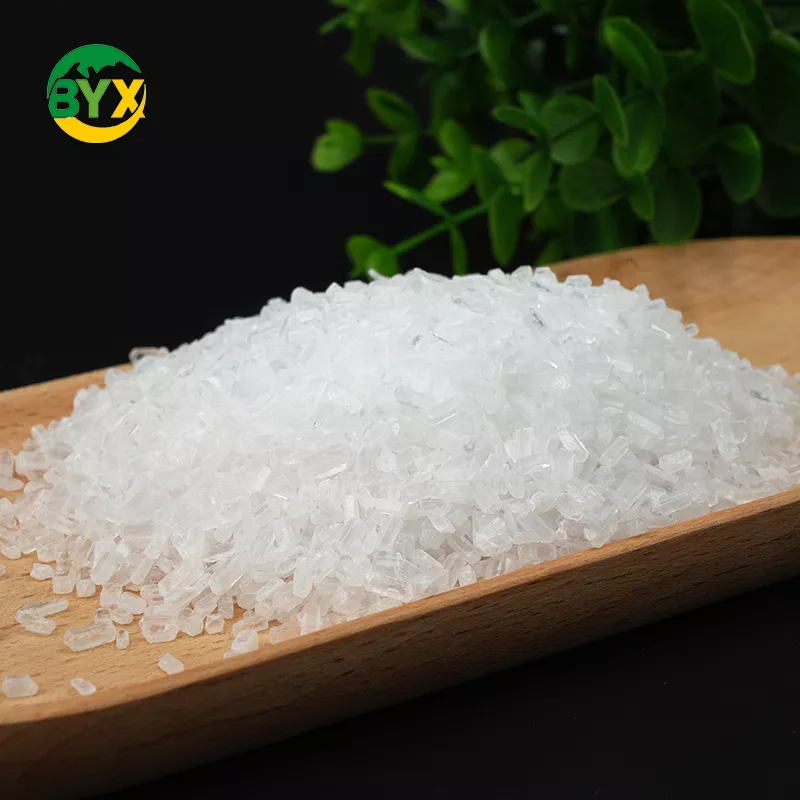
The germany magnesium sulphate market shows strong momentum, with recent market research highlighting robust demand in agriculture, healthcare, and food processing. Reports indicate that prices fluctuate due to raw material costs, industry-specific demand, and supply chain developments. Stakeholders gain valuable insights by tracking these trend shifts and understanding how production capacity and certifications impact supply. BaiYeXin stands out by offering high-purity magnesium sulfate and extensive customization, helping buyers leverage market insights for strategic decisions as prices evolve.
Key Takeaways
Germany leads Europe in magnesium sulfate demand, driven by agriculture, healthcare, and food processing sectors.
Stable prices and strong supply chains support steady germany magnesium sulphate market growth, with premium grades seeing slight price increases.
Magnesium sulfate plays a key role in improving soil health, animal nutrition, and pharmaceutical applications in Germany.
BaiYeXin stands out by offering high-purity, customizable products with strict quality controls and strong certifications.
Sustainability and regulatory compliance shape the germany magnesium sulphate market, creating opportunities in organic farming and green production.
Market Overview
Germany Magnesium Sulphate Market
The germany magnesium sulphate market continues to show strong performance in 2024. Recent analysis highlights Germany as a leader in Europe, driven by advanced agriculture, a robust industrial base, and high demand from the pharmaceutical and personal care sectors. The latest report reveals that agriculture-grade magnesium sulfate holds the largest revenue share, reflecting the country’s commitment to precision farming and sustainable practices.
Germany’s focus on soil health and micronutrient management has positioned it at the forefront of sustainable agriculture in Europe.
The following table summarizes key germany magnesium sulphate market segments and recent statistical analysis:
Segment/Region/Application | Metric/Value | Year/Period |
|---|---|---|
Europe Market Revenue Share | 45.1% | 2024 |
Germany Market Drivers | Advanced agriculture, strong industrial base, high pharmaceutical & personal care demand | 2024 |
>48.0% revenue share | 2024 | |
Global Market Size | USD 950.5 million | 2024 |
Projected Global Market Size | USD 1,498.3 million | 2030 (projected) |
CAGR (2025-2030) | 7.8% | 2025-2030 |
Agriculture Grade Segment Revenue Share | 49.2% | 2024 |
Key German Player | K+S Aktiengesellschaft | Current |
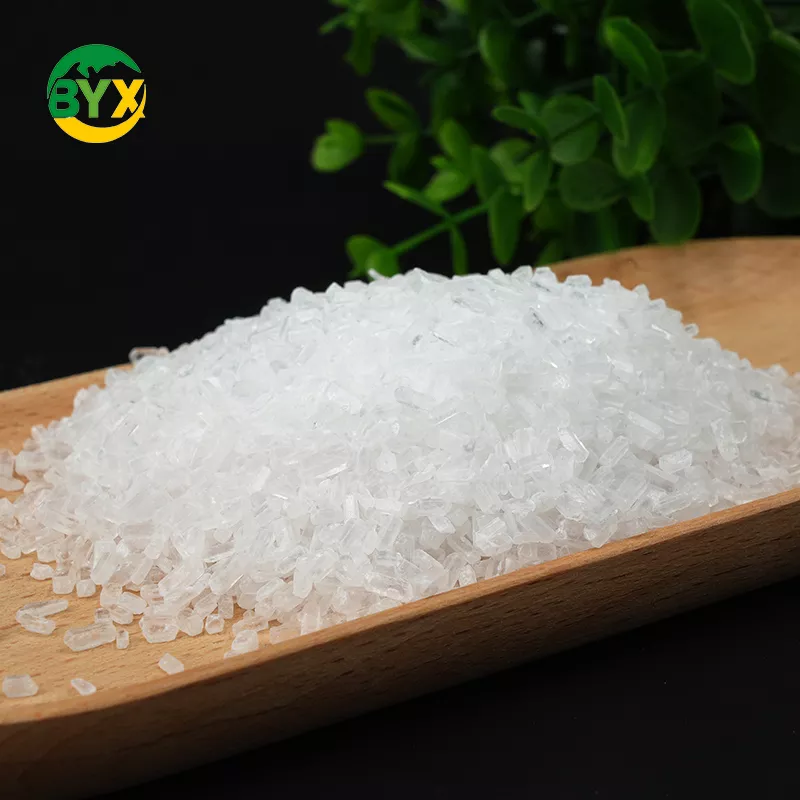
Analysis of the germany magnesium sulphate market shows that Germany leads in both medical and food-grade magnesium sulfate consumption compared to other European countries. The report also notes that Europe’s demand is shaped by sustainable farming trends, an aging population, and a strong healthcare system. Market dynamics in Germany reflect a balance between high-quality supply and evolving sector needs, making demand supply analysis essential for stakeholders.
Growth Drivers
Several factors drive the growth of the germany magnesium sulphate market. Analysis of recent trends and market drivers reveals a dynamic environment shaped by innovation and evolving consumer needs. The following points summarize the main growth drivers identified in the latest report:
Rising consumer demand and new technologies fuel germany magnesium sulphate market expansion.
Applications in animal nutrition continue to grow, supporting higher demand.
Increasing disposable incomes and urbanization shift sales toward emerging economies.
Sustainability trends and legislative support encourage germany magnesium sulphate market growth.
Demand for high-quality animal feed and awareness of magnesium sulfate’s benefits in animal nutrition remain strong.
The germany magnesium sulphate market shows a focus on organic and natural animal nutrition products, with innovative feed formulations gaining traction.
Opportunities arise from expanding into new germany magnesium sulphate market, developing premium animal nutrition products, and forming partnerships with feed manufacturers and agricultural organizations.
Sustainability initiatives include recycled packaging, energy-efficient production, and promotion of sustainable farming.
Analysis of these germany magnesium sulphate market drivers highlights the importance of understanding market dynamics and conducting thorough demand supply analysis. Companies that monitor these trends and adapt to changing conditions position themselves for long-term success in the germany magnesium sulphate market.
Magnesium Sulfate Prices
Recent Trends
Magnesium sulfate prices in Germany have shown significant movement over the past year. The germany magnesium sulphate market experienced moderate volatility, with prices influenced by several key factors. Raw material costs, especially for magnesium ore and sulfuric acid, played a major role in shaping price trends. Production levels at leading facilities, such as those operated by BaiYeXin, also affected the supply side.
Demand from agriculture, pharmaceuticals, and food processing remained strong. This steady demand helped stabilize magnesium sulfate prices during periods of supply fluctuation. Export trade data from Volza revealed over 400 shipments of magnesium sulfate from Germany in recent months. These records showed that prices varied depending on shipment size, buyer location, and product grade.
Note: Spot prices at major German ports often reflect short-term supply and demand shifts, making them a useful indicator for buyers and sellers.
The following table summarizes recent magnesium sulfate prices by application:
Application Sector | Average Price (EUR/ton) | Trend (2023-2024) |
|---|---|---|
Agriculture | 210-250 | Stable |
Pharmaceuticals | 320-370 | Slight Increase |
Food Processing | 280-320 | Stable |
Industrial | 200-240 | Fluctuating |
Germany magnesium sulphate market analysis shows that agriculture-grade magnesium sulfate prices remained stable due to consistent demand and efficient supply chains. Pharmaceutical-grade products saw a slight increase in prices, driven by higher purity requirements and stricter quality standards. Industrial applications experienced more price fluctuation, reflecting changes in raw material availability and production costs.
Price Outlook
Forecasts for magnesium sulfate prices in Germany suggest continued stability with potential for moderate growth. The IMARC Group report provides a comprehensive price analysis, highlighting the main factors that will shape future pricing. These include raw material costs, production capacity expansions, and evolving demand from key sectors.
Analysts expect that magnesium sulfate prices will remain steady in the short term. However, any disruption in raw material supply or changes in energy costs could lead to price adjustments. The report also notes that increased demand from organic farming and pharmaceutical applications may put upward pressure on prices over the next few years.
Pricing analysis from recent export data supports this outlook. Trade flows indicate that buyers continue to seek high-purity magnesium sulfate, especially for food and pharmaceutical uses. This trend may drive a gradual increase in prices for premium grades. At the same time, efficient production processes and strong supply chains, such as those maintained by BaiYeXin, help keep prices competitive.
Tip: Buyers should monitor both regional price trends and global supply chain developments to make informed purchasing decisions.
Demand by Sector
Agriculture
Germany’s agriculture sector drives significant demand for magnesium sulfate. Farmers use this compound to correct magnesium deficiencies in soil, which helps crops grow stronger and healthier. Magnesium sulfate supports chlorophyll production, leading to higher yields and better crop quality. Many growers choose magnesium sulfate for its high solubility and fast-acting properties. The demand for this product increases during planting and growing seasons. Precision farming practices and a focus on sustainable agriculture also boost demand. As more farmers adopt organic methods, they rely on magnesium sulfate as an approved input. Demand supply analysis shows that steady supply and reliable quality remain important for agricultural buyers.
Animal Feed
The animal feed industry in Germany relies on magnesium sulfate to meet the nutritional needs of livestock. Magnesium plays a key role in animal health, supporting muscle function and bone strength. Feed manufacturers add magnesium sulfate to rations for cattle, pigs, and poultry. This practice helps prevent deficiencies and improves overall animal performance. The demand for magnesium sulfate in feed rises as producers focus on animal welfare and productivity. Demand supply analysis highlights the importance of consistent product quality and traceability. Feed producers look for suppliers who can deliver customized grades and particle sizes to match specific feed formulations.
Pharmaceuticals
Germany stands out as a leading consumer of pharmaceutical-grade magnesium sulfate in the European Union. Pharmaceutical companies use this compound in treatments for pregnancy-related conditions, digestive issues, and pain management. Several germany magnesium sulphate market reports highlight the strong demand for high-purity magnesium sulfate in Germany’s healthcare sector:
Germany ranks among the top EU countries for pharmaceutical magnesium sulfate consumption.
Pharmaceutical applications drive germany magnesium sulphate market growth and shape demand trends.
Reports from Future Market Insights and IndustryARC provide detailed usage statistics and growth rates for this sector.
The demand for pharmaceutical-grade magnesium sulfate continues to rise as healthcare providers seek reliable, certified ingredients. Strict quality standards and regulatory requirements make high-purity supply essential. Pharmaceutical buyers value suppliers who offer certifications and consistent product quality.
Supply Factors
Production Capacity
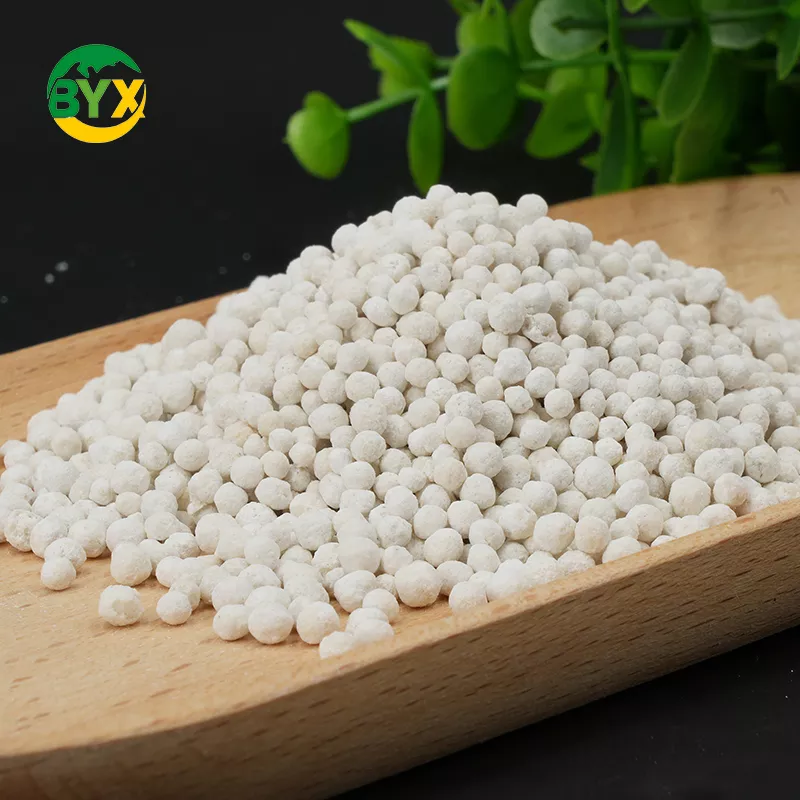
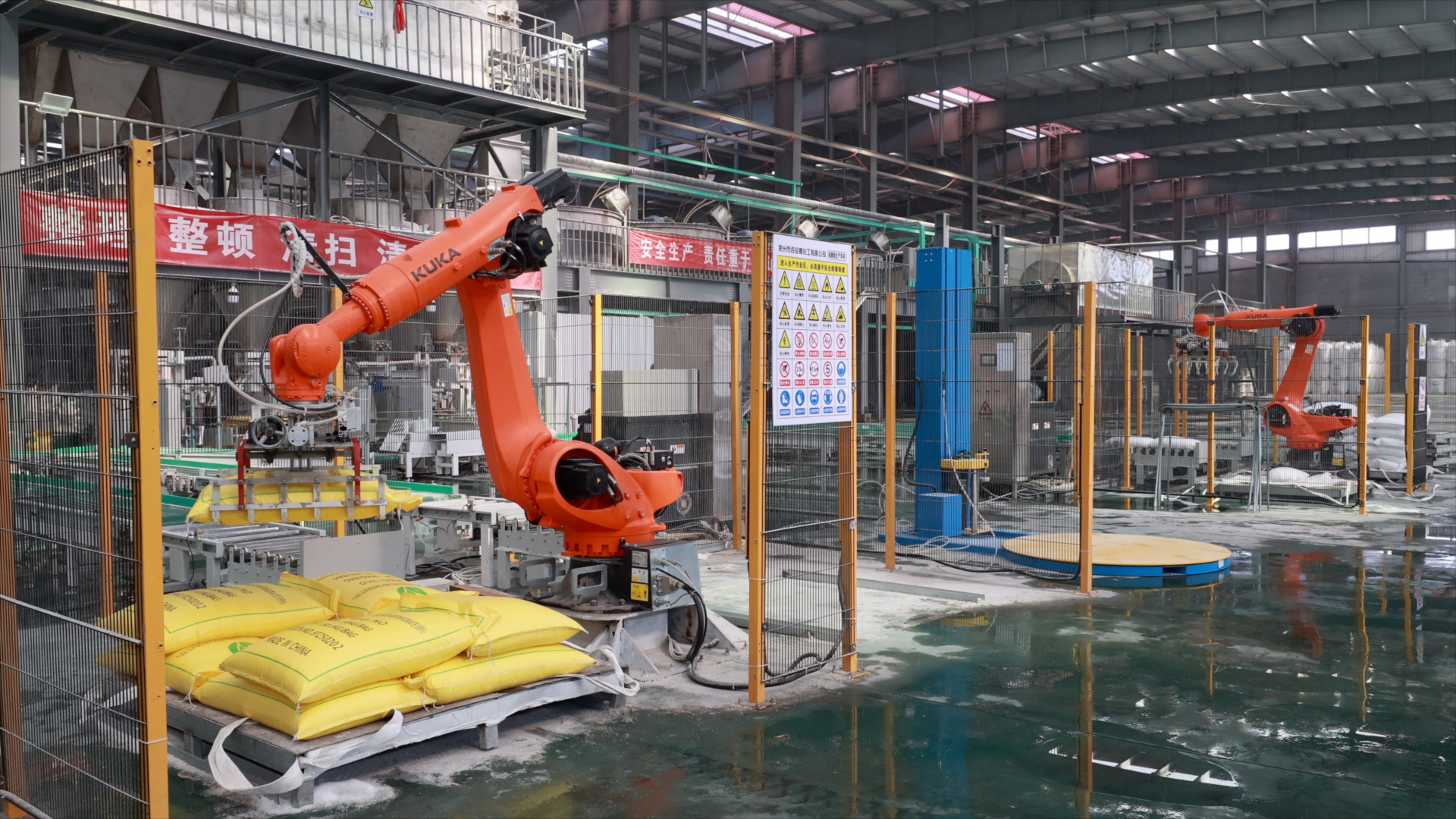
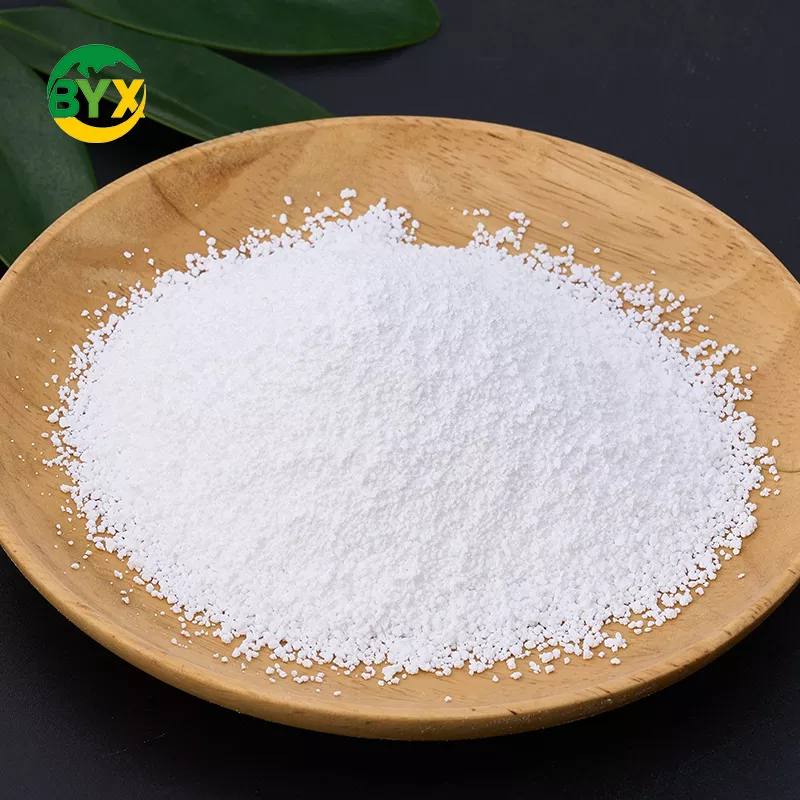
BaiYeXin demonstrates impressive strength in magnesium sulfate production. The company operates six fully automatic lines, reaching a daily output of 850 tons. This high level of production ensures a steady supply for customers in Germany and across Europe. BaiYeXin’s advanced facilities allow for precise control over purity, particle size, and packaging. Clients can choose from a range of purity grades, including 98%, 99%, and 99.5%. The company also offers various particle sizes, from fine powders to granules, and packaging options from 25kg to 1250kg.
BaiYeXin’s commitment to quality stands out in the germany magnesium sulphate market. The company holds ISO 9001, ISO 14001, ISO 45001, EU-REACH, HALAL, and KOSHER certifications. Each batch undergoes 36 quality inspections, ensuring consistent supply that meets strict industry standards. These certifications and quality processes help BaiYeXin maintain a reliable supply chain and build trust with buyers.
Note: BaiYeXin’s ability to customize products and maintain high production standards makes it a preferred supplier for bulk and specialized orders.
Raw Materials
Magnesium sulfate manufacturing depends on a stable supply of key raw materials. Producers react magnesium oxide or magnesium hydroxide with sulfuric acid to create magnesium sulfate crystals. Leading companies in Germany, such as K+S Minerals and Agriculture GmbH, often secure their supply by owning magnesite mines or sulfuric acid plants. This vertical integration helps control the supply chain and ensures consistent quality.
Supply chain management plays a crucial role in the industry. Companies that manage their own raw material sources reduce dependence on external suppliers and minimize risks. The German market benefits from established supply networks, which support efficient production and timely delivery. BaiYeXin’s strong supply chain, combined with its focus on quality and customization, positions it as a reliable partner for buyers seeking consistent magnesium sulfate supply.
Key supply chain strategies include:
Vertical integration for raw material control
Quality assurance at every stage
Flexible supply options for different industries
Tip: Buyers should evaluate a supplier’s raw material sourcing and supply chain management to ensure uninterrupted production and delivery.
Regulatory & Sustainability Trends
Environmental Standards
Germany magnesium sulphate market operates under strict environmental regulations. Producers must comply with EU-wide frameworks such as REACH, which sets high standards for chemical registration and safety. These rules increase entry barriers for non-EU suppliers and encourage local manufacturers to invest in compliance and innovation.
German companies also follow the Urban Wastewater Treatment Directive (91/271/EEC). This directive enforces tough limits on wastewater discharge, which drives demand for magnesium sulfate in water treatment. Many manufacturers adopt sustainability initiatives that align with EU environmental goals. These efforts include:
Using renewable energy in production facilities
Recycling wastewater to reduce environmental impact
Applying circular economy principles to maximize resource use
Some German producers partner with solar salt companies to convert waste bittern into high-purity magnesium sulfate. This approach ensures full utilization of raw materials and reduces waste. Sustainability certifications like ISO 14001 have become more common, reflecting a commitment to systematic environmental management. The EU’s energy efficiency directives require significant improvements by 2030, pushing companies to adopt innovations such as AI-driven process optimization to lower energy consumption.
Companies like BaiYeXin demonstrate leadership by holding ISO 14001 and EU-REACH certifications, ensuring their products meet the highest environmental and safety standards.
Organic Farming
Organic farming continues to shape demand for magnesium sulfate in Germany. EU and North American organic certification standards allow magnesium sulfate heptahydrate as a soil amendment. This approval supports its use in organic vineyards and specialty herb farms.
The EU’s Farm to Fork Strategy aims for 25% of farmland to be organic by 2030. This policy increases the need for organic-compliant magnesium sulfate, especially in Germany. Government policies and sustainability regulations encourage farmers to use magnesium sulfate instead of synthetic fertilizers. As a result, more growers choose magnesium sulfate to meet organic standards and improve soil health.
Organic certification drives adoption in specialty crops
Regulatory frameworks support sustainable fertilizer choices
Market research highlights growing demand in organic agriculture
BaiYeXin’s ability to supply high-purity, certified magnesium sulfate positions it as a preferred partner for organic and sustainable farming operations.
Competitive Landscape
Key Players
The germany magnesium sulphate market features strong competition among global and regional suppliers. Leading companies focus on technology, product innovation, and sustainability to maintain their positions. The following table summarizes key players and market characteristics:
Aspect | Details |
|---|---|
Key Players | K+S Group, PQ Corporation, China Nafine Group International, Morton Salt, BaiYeXin |
Market Segmentation | By Type (Heptahydrate, Anhydrous, Monohydrate), By Application (Fertilizer, Pharma, Food) |
Regional Coverage | Europe (Germany, France, UK), North America, Asia Pacific, Middle East, Africa |
Market Size (2023) | |
Growth Rate | 5.5% CAGR (2024-2032) |
Many companies invest in new technologies and partnerships. Mergers and acquisitions reshape the market. German suppliers like K+S Aktiengesellschaft lead in local production, while international firms such as PQ Corporation and China Nafine Group International compete on quality and price. The market remains consolidated, with established players holding significant shares. Companies face challenges from pricing pressures, regulatory compliance, and supply chain issues. Strategic focus on supply chain resilience and regulatory adherence helps maintain competitiveness.
BaiYeXin Advantages
BaiYeXin stands out in the germany magnesium sulphate market with several competitive strengths:
The company operates six automatic production lines and delivers an annual capacity of 300,000 tons, ensuring reliable supply for large and small buyers.
BaiYeXin enforces 36 quality inspections per production cycle, guaranteeing high purity and consistency in every batch.
The company holds international certifications, including ISO 9001, ISO 14001, ISO 45001, and EU-REACH, which meet strict European standards.
BaiYeXin offers extensive customization for purity, particle size, and packaging, serving agriculture, pharmaceuticals, food, and chemical industries.
The company provides 24-hour online support and real-time quotations, helping customers manage orders efficiently.
BaiYeXin’s patented technologies and global reputation for quality set it apart from other suppliers.
BaiYeXin’s ability to combine high production capacity, strict quality control, and flexible service makes it a preferred partner in Germany. Its competitive pricing and compliance with European regulations further strengthen its position against established German and international competitors.
Market Outlook
Future Trends
The germany magnesium sulphate market continues to evolve, shaped by both technological progress and changing industry needs. Analysis shows that agricultural grade magnesium sulfate now makes up nearly 90% of the product segment, with fertilizer as the largest application. This trend reflects Germany’s ongoing commitment to sustainable agriculture and precision farming. The global magnesium sulfate heptahydrate market is projected to grow at a CAGR of 2.3% from 2025 to 2031, reaching an estimated USD 352 million by 2031.
Germany’s industrial base and export-driven economy support this growth. The government’s Industrie 4.0 agenda encourages digital integration, including AI, cloud computing, and predictive maintenance. These technologies help companies in automotive, engineering, and chemicals stay competitive. As a result, both large enterprises and SMEs rely on market analysis to guide product development and international expansion. The market outlook remains positive, driven by ongoing investment in infrastructure, digital systems, and green energy.
Stakeholders should monitor the trend toward sustainable manufacturing and circular economy principles, as these factors will shape future demand and regulatory requirements.
Opportunities & Challenges
Analysis of germany magnesium sulphate market highlights several opportunities and challenges for stakeholders. Companies can capitalize on the growing demand for high-purity products in agriculture, pharmaceuticals, and food processing. Strategic partnerships, mergers, and innovation in product customization offer new avenues for growth. Key geographic hubs like Bavaria and North Rhine-Westphalia provide access to advanced manufacturing and green technology sectors.
However, the germany magnesium sulphate market also faces challenges. Regulatory compliance, especially with EU environmental standards, requires ongoing investment in quality control and sustainability. Supply chain disruptions and raw material price volatility can impact production costs. Companies must use data-driven analysis to optimize product strategies, manage risks, and align with evolving customer needs.
Key opportunities:
Expansion in organic and specialty agriculture
Adoption of digital technologies for process optimization
Collaboration with research institutions for product innovation
Main challenges:
Navigating complex regulatory landscapes
Ensuring supply chain resilience
Responding to competitive pressures and shifting germany magnesium sulphate market dynamics
Regular analysis and adaptation to germany magnesium sulphate market trends will help businesses maintain a competitive edge and achieve long-term success.
The germany magnesium sulphate market continues to evolve as demand grows in agriculture, animal feed, and pharmaceuticals. Stakeholders see prices remain stable, but they must monitor prices closely due to changing supply and demand. BaiYeXin offers high-quality products and flexible solutions, helping buyers respond to shifting prices. Businesses should track prices, evaluate supplier reliability, and plan for future germany magnesium sulphate market changes. > The germany magnesium sulphate market shows strong growth potential, and BaiYeXin stands ready to support customers as prices and industry needs develop.
FAQ
What industries use magnesium sulfate in Germany?
Magnesium sulfate serves agriculture, animal feed, pharmaceuticals, food processing, and industrial sectors. Farmers use it for soil health. Feed producers add it to animal diets. Pharmaceutical companies require high-purity grades. Food processors and manufacturers also rely on its quality and consistency.
How does BaiYeXin ensure product quality?
BaiYeXin conducts 36 quality inspections for each batch. The company holds ISO, EU-REACH, HALAL, and KOSHER certifications. These measures guarantee consistent purity and safety for all magnesium sulfate products.
Can buyers request customized magnesium sulfate specifications?
Yes. BaiYeXin offers customization for purity, particle size, and packaging. Clients can select grades from 98% to 99.5%, various granule sizes, and packaging options from 25kg to 1250kg.
What certifications does BaiYeXin hold?
Certification | Description |
|---|---|
ISO 9001 | Quality Management |
ISO 14001 | Environmental Management |
ISO 45001 | Occupational Health & Safety |
EU-REACH | Chemical Safety Compliance |
HALAL/KOSHER | Food and Feed Standards |
How can buyers get support or quotations from BaiYeXin?
BaiYeXin provides 24-hour online support and real-time quotations. Buyers can contact the sales team through the official website or email for immediate assistance and pricing information.