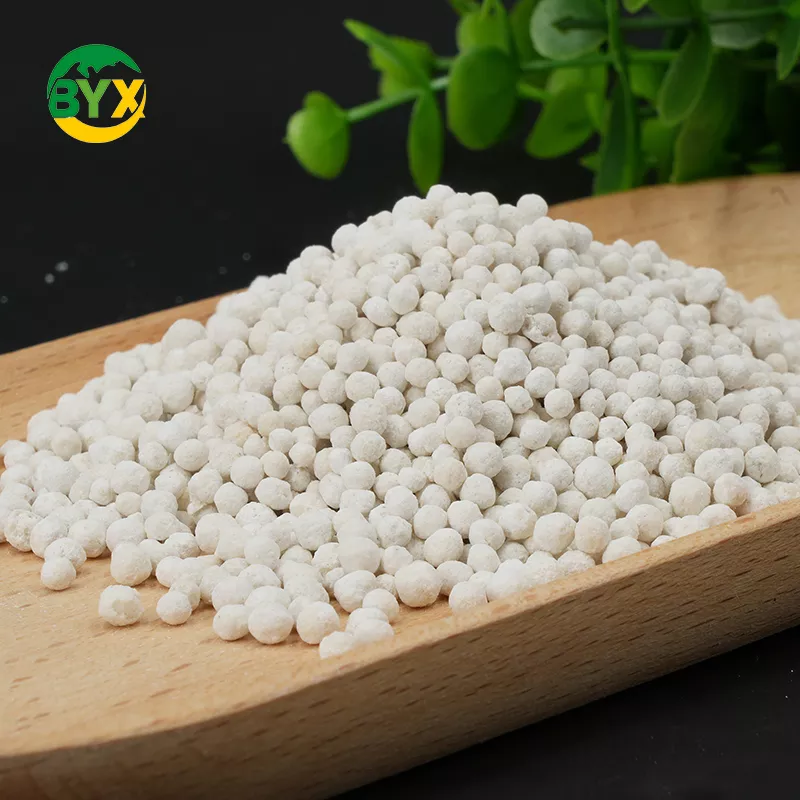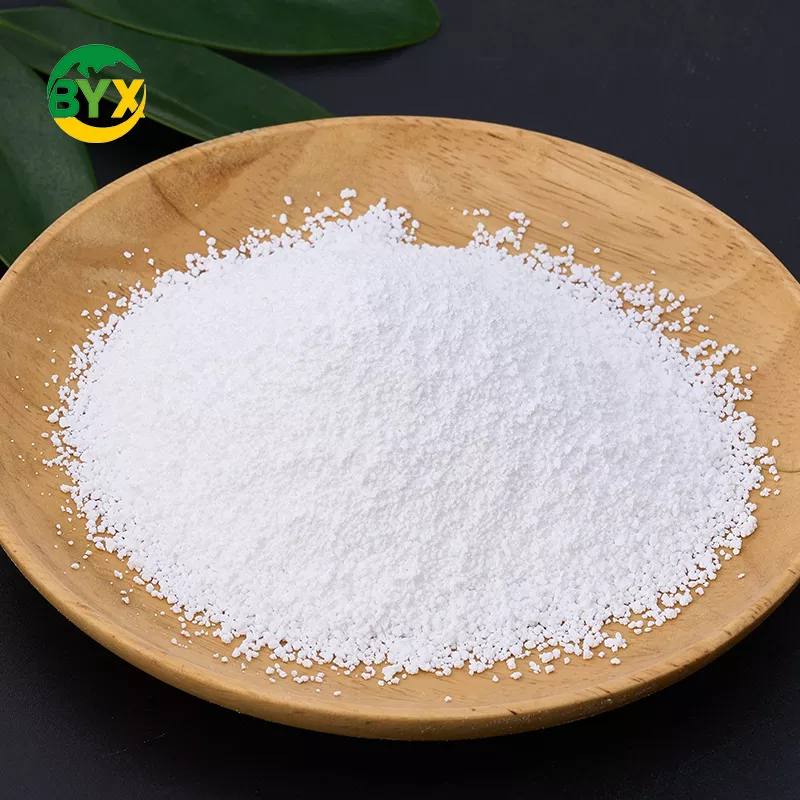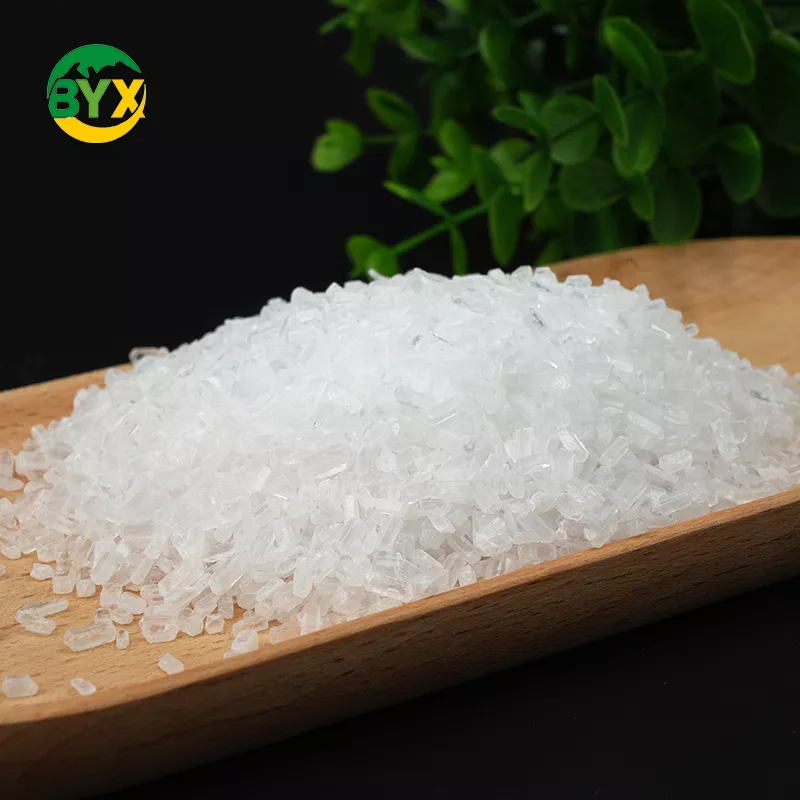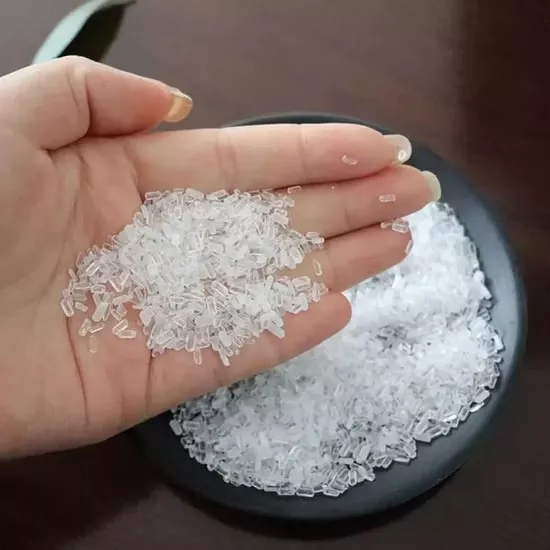
magnesium sulfate Monohydrate (MgSO₄·H₂O), commonly known as Epsom salt, is a versatile and natural solution for enhancing plant health and garden productivity.
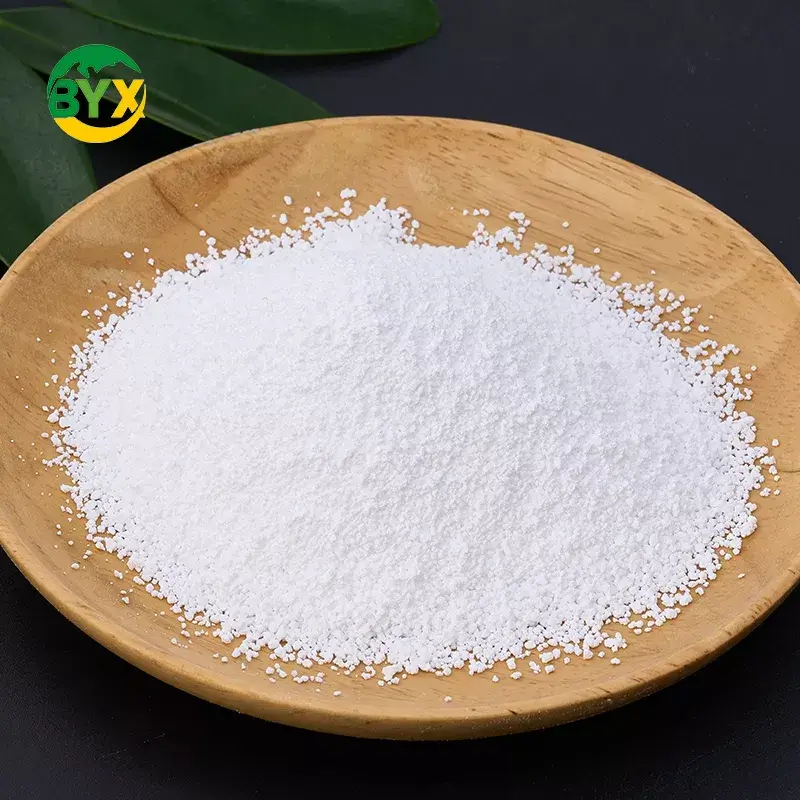
1. Magnesium sulfate monohydrate can increase fruit sweetness and yield
Monohydrate magnesium sulfate boosts chlorophyll production, improving photosynthesis efficiency and sugar accumulation in fruits. For sweeter tomatoes, apples, citrus, or stone fruits like peaches and plums:
Application: Mix 100 mL of Magnesium Sulfate Monohydrate per square meter into soil every 4–6 weeks during the growing season.
Tip: Avoid overuse—excessive magnesium can disrupt soil nutrient balance.
2. Improve Nutrient Absorption
Magnesium acts as a catalyst for nutrient uptake, helping plants absorb nitrogen, phosphorus, and sulfur more effectively.
Usage: Blend with balanced fertilizers (e.g., 10% MgSO₄ in NPK mixes) for root drenching.
Benefit: Healthier foliage, stronger stems, and vibrant blooms in roses, hydrangeas, and flowering shrubs.
3. Support Plant Transplantation
Epsom salt reduces transplant shock by stimulating root regeneration and reducing stress.
Method: Add 15 mL of MgSO₄·H₂O into planting holes, ensuring it’s 3–5 cm away from roots to avoid direct contact.
Best For: Potted plants, seedlings, and perennials like lavender or herbs.
4. Prevent and Treat Yellow Leaves
Magnesium deficiency manifests as yellowing older leaves due to impaired chlorophyll synthesis.
Solution: Apply 20 mL of MgSO₄·H₂O dissolved in 4 L of water as a foliar spray or soil drench.
Target Plants: Roses, tomatoes, and leafy greens showing interveinal chlorosis.
5. Correct Leaf Curling
Curling leaves often signal magnesium scarcity. Epsom salt restores cellular function and turgor pressure.
Soil Application: Bury 20 mL of granules 5 cm deep around the plant base (avoid root zones).
Quick Fix: Use a diluted foliar spray (5 g/L water) for rapid absorption.
6. Additional Benefits for Specific Plants
Tomatoes and Peppers: Prevents blossom-end rot and boosts fruit set. Apply 10 mL every 2 weeks during fruiting.
Cut Flowers: Extends vase life by strengthening stems and petals.
Weed Control: High-concentration solutions (e.g., 30% MgSO₄) can suppress weeds without harming nearby plants.
Practical Tips for Safe Use
Soil Testing: Check magnesium levels before application to avoid toxicity.
Dosage Control: Stick to recommended amounts—overuse can lead to calcium or potassium deficiencies.
Seasonal Timing: Apply during active growth phases (spring to early fall).