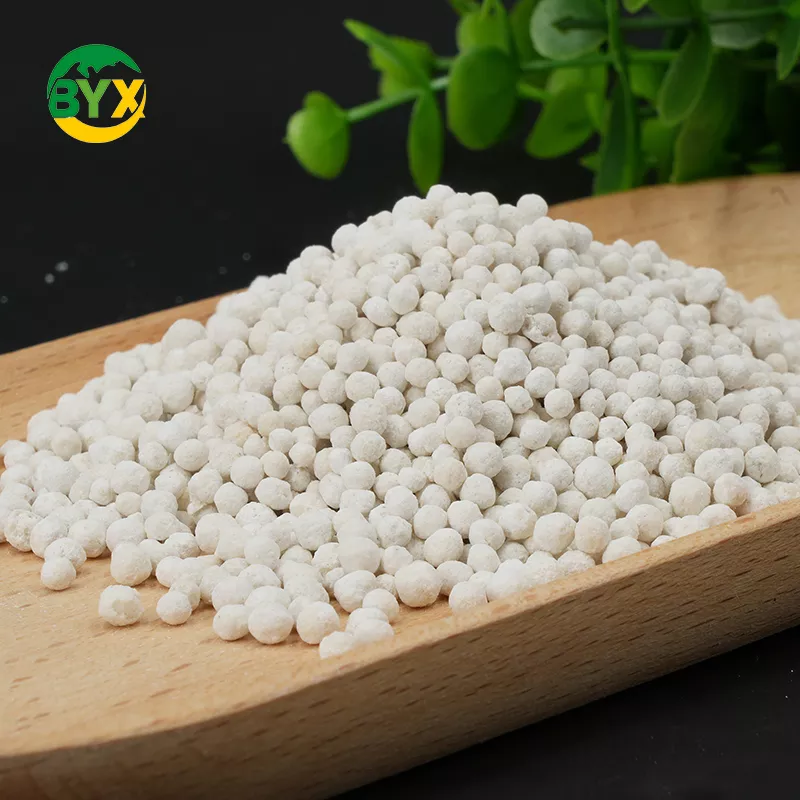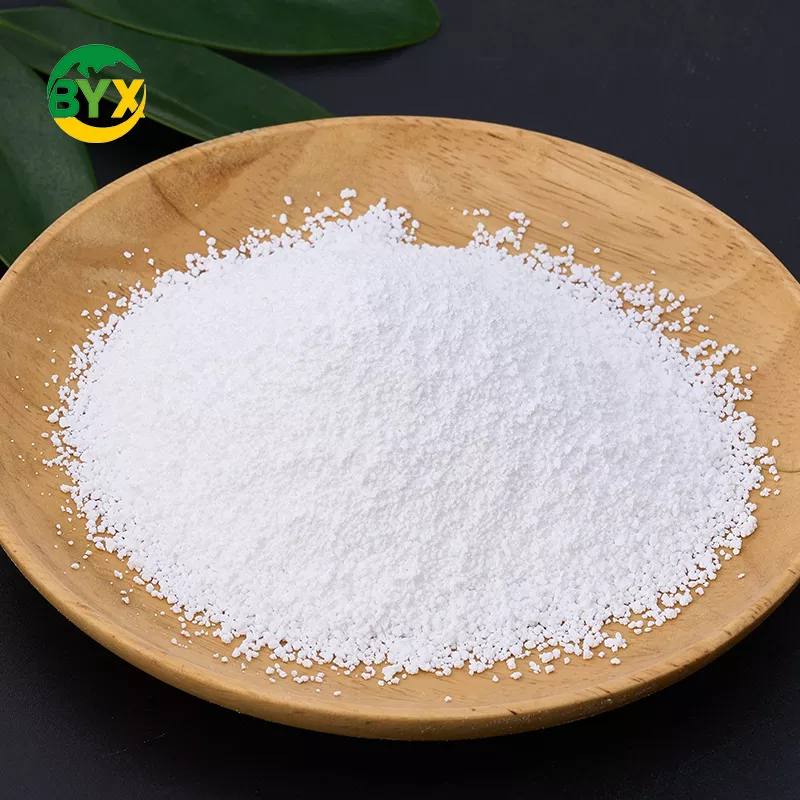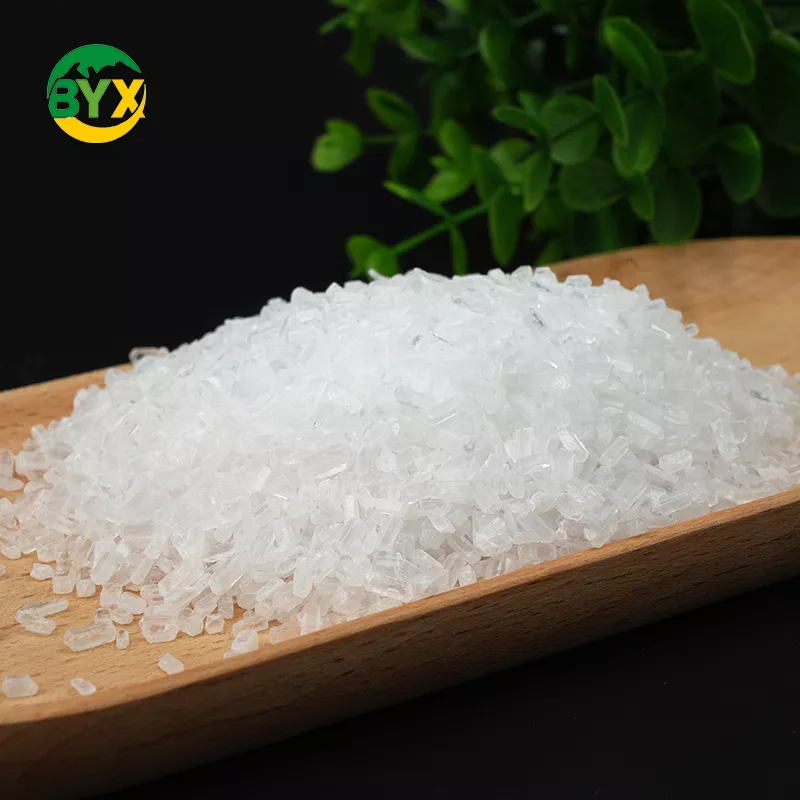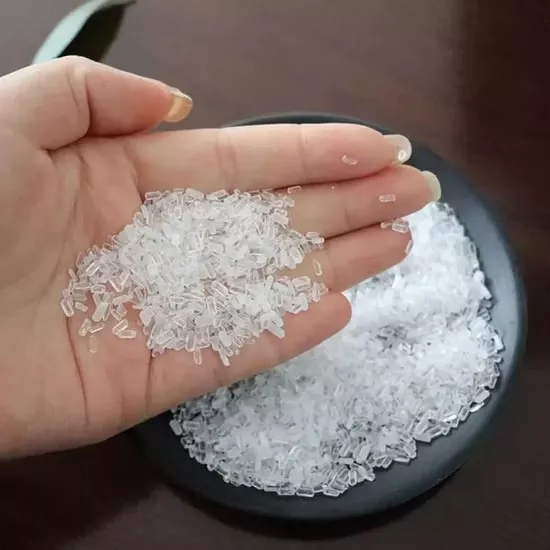
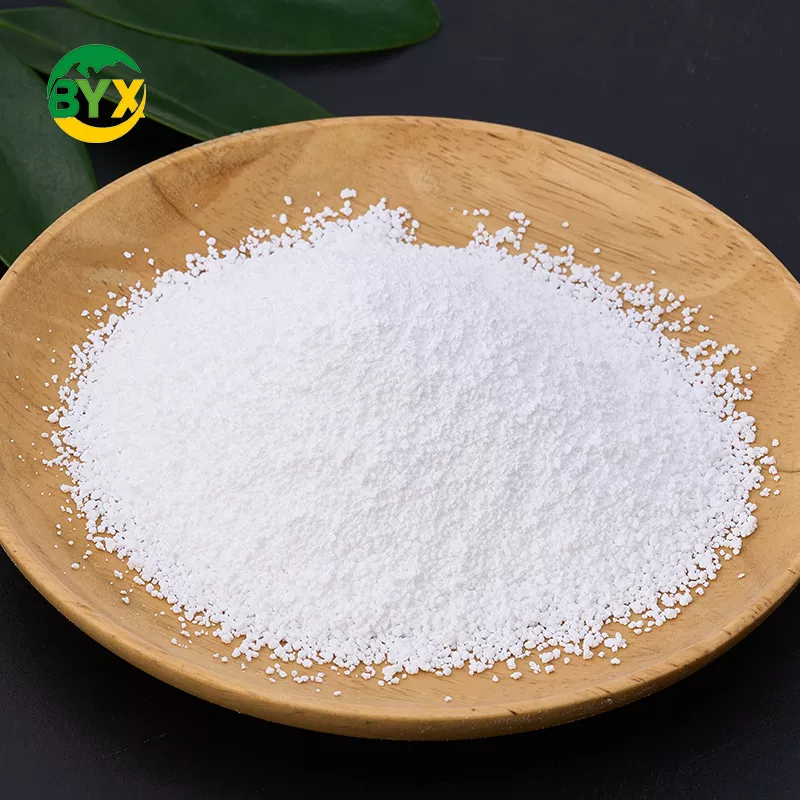
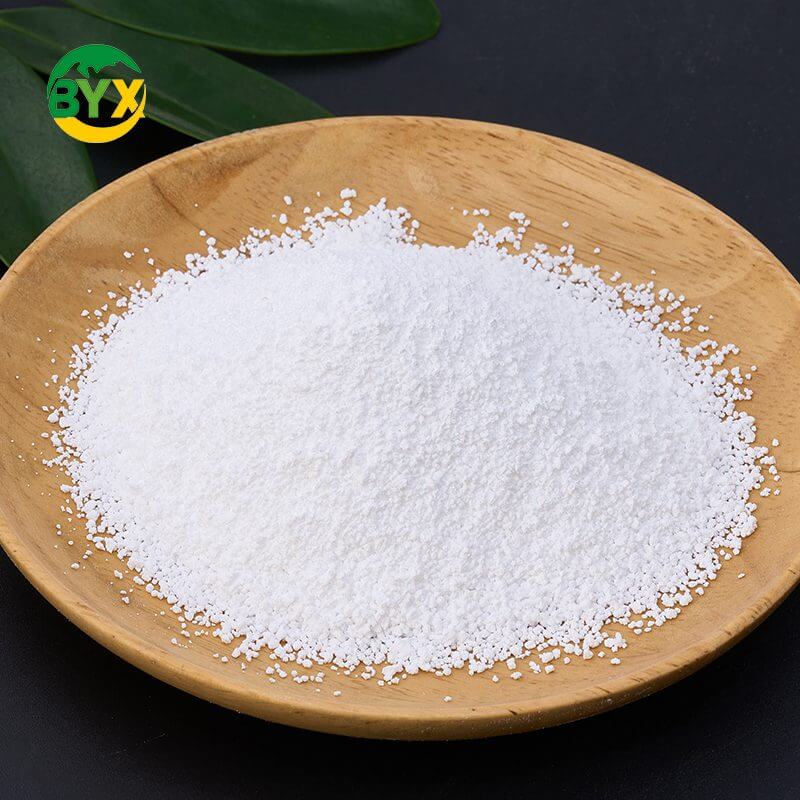
Monohydrate magnesium sulfate (MgSO₄·H₂O) is a dual-nutrient fertilizer rich in magnesium (Mg) and sulfur (S), two essential secondary macronutrients for plant growth. Widely used in agriculture, it enhances crop yield, improves fruit quality, and revitalizes soil health. Below is a comprehensive guide to its applications, benefits, and best practices.
1. Key Roles of Magnesium and Sulfur in Plants
Chlorophyll Formation: As the central atom in chlorophyll molecules, Mg drives photosynthesis, enabling plants to synthesize carbohydrates, proteins, and fats.
Enzyme Activation: Activates over 300 enzymes involved in energy transfer, nutrient metabolism, and DNA synthesis.
Stress Resistance: Strengthens cell walls, reducing susceptibility to pathogens and environmental stressors.
Quality Enhancement: Promotes the synthesis of vitamins A and C, improving flavor and shelf life in fruits and vegetables.
Sulfur:
Amino Acid Synthesis: A core component of cysteine and methionine, vital for protein production and nitrogen fixation.
Chlorophyll Development: Supports chlorophyll formation alongside Mg, ensuring healthy leaf growth.
2. Application Methods for Monohydrate Magnesium Sulfate
2.1 Base Fertilization
Dosage: Apply 10–25 kg per acre, mixed with other fertilizers before planting.
Benefits: Ensures steady nutrient release, addressing Mg and S deficiencies in magnesium-depleted soils.
2.2 Top Dressing
Dosage: Use 5–15 kg per acre during key growth stages (e.g., flowering or fruiting).
Procedure: Broadcast evenly around the root zone and water thoroughly to enhance nutrient uptake.
2.3 Foliar Spray
Preparation: Dissolve 1–2% MgSO₄·H₂O in water (e.g., 100–200g per 10L).
Timing: Apply early morning or late afternoon to avoid leaf burn.
Frequency: Spray every 10–14 days during periods of high nutrient demand.
3. Ideal Crops and Soil Types
Crops Benefiting Most:
Vegetables: Tomatoes, potatoes, and leafy greens (prevents leaf yellowing and boosts yield).
Fruits: Citrus, apples, and grapes (enhances sweetness and color).
Ornamentals: Roses and hydrangeas (improves bloom vibrancy).
Soil Compatibility:
Effective in sandy or acidic soils where Mg leaching is common.
4. Advantages Over Other Fertilizers
High Solubility: Rapidly dissolves in water, ensuring quick nutrient availability.
pH Neutral: Safe for most soil types without altering acidity.
Cost-Effective: Provides dual nutrients in a single application, reducing input costs.
5. Industry Trends and Recommendations
With rising demand for sustainable agriculture, monohydrate magnesium sulfate is increasingly integrated into precision farming and organic systems. Recent studies highlight its role in reducing fertilizer runoff and improving soil structure. For optimal results:
Conduct soil tests to tailor application rates.
Combine with nitrogen and phosphorus fertilizers for balanced nutrition.